

Free Hainaut Travel Guide & Mobile App
Explore Hainaut with free travel guides. Discover regional history, expert tips, proposed trips, and audio guides on web or mobile app.


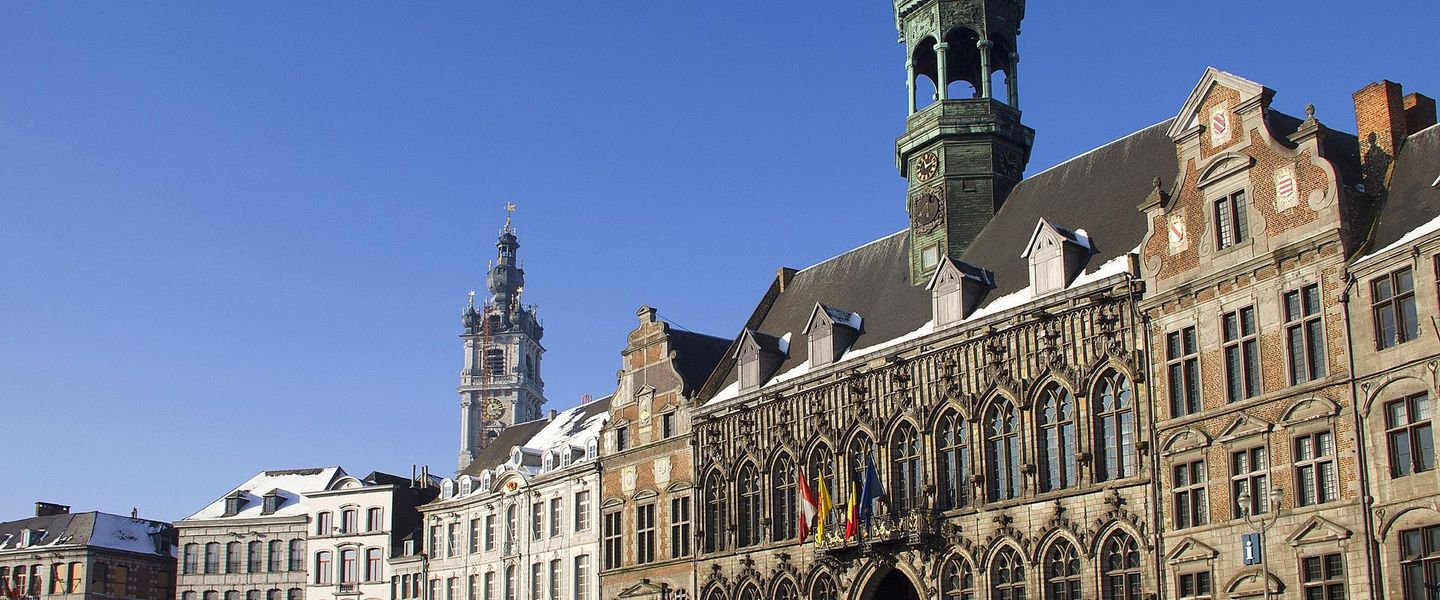


Explore Hainaut in Belgium for medieval Tournai, Mons festivals, industrial heritage, canal landscapes, regional food and green countryside.
Read more about Hainaut
When is the best time to visit Hainaut?
Best: June–August · 21–23°C| Month | High (°C) | Rainfall (mm) |
|---|---|---|
| January | 6 | 60 |
| February | 7 | 50 |
| March | 11 | 60 |
| April | 15 | 50 |
| May | 18 | 60 |
| June (best) | 21 | 70 |
| July (best) | 23 | 70 |
| August (best) | 23 | 70 |
| September | 19 | 60 |
| October | 15 | 60 |
| November | 10 | 70 |
| December | 7 | 70 |
Getting to and around Hainaut
How to get there
Transportation
Top city travel guides in Hainaut
The cities of Hainaut, and the easiest places to base yourself.
-

-
-

-

-

-


Swipe for more cities
Destinations in Hainaut
Resorts, valleys and scenic spots worth a trip of their own.
-

-


Swipe for more destinations
Best attractions in Hainaut
Hainaut's attractions combine medieval urban heritage, industrial archaeology, cultural museums and accessible countryside. Tournai is the essential historic city, with its cathedral, belfry and riverside streets, while Mons offers museums, civic architecture and the cultural traditions surrounding the Doudou. Around Charleroi and the former Borinage, former collieries and workers' landscapes provide a deeper understanding of mining, migration and industrial labour. Bois du Cazier in Marcinelle and Grand-Hornu are particularly important heritage destinations, while the Neolithic flint mines at Spiennes extend the story back thousands of years. Families may choose Pairi Daiza in Brugelette, a large wildlife park within a historic estate, and the gardens of Beloeil offer a more formal landscape experience. Canals, towpaths, forests and the Haute Sambre create opportunities for walking, cycling and boating, while the south around Chimay has a more rural character. The variety is the attraction: Hainaut can be explored through grand monuments, working-class history, archaeology, contemporary art and outdoor recreation rather than through one concentrated sightseeing circuit.
-
Park
Bois de la Cambre
Escape to Brussels' largest urban park: Bois de la Cambre, a verdant oasis offering recreation and tranquility for all.
-
Museum
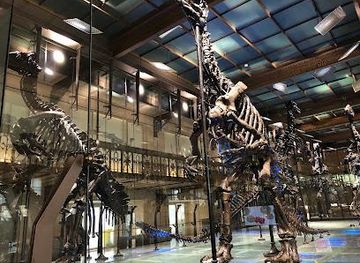
Royal Belgian institute of Natural Sciences
Explore the Royal Belgian Institute of Natural Sciences in Brussels for an unforgettable journey through the wonders of natural history and biodiversity.
-
Historical landmark
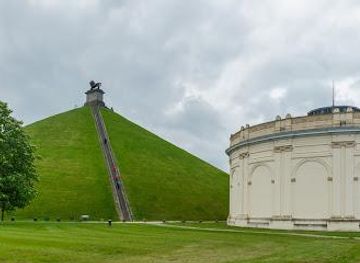
Lion's Mound
Explore the Lion's Mound, a significant historical landmark in Braine-l'Alleud, Belgium, commemorating the iconic Battle of Waterloo with stunning views and rich history.
-
Tourist attraction
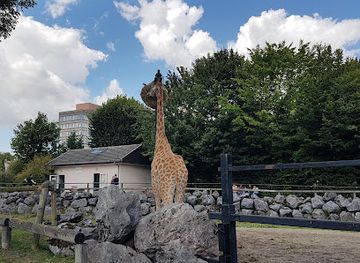
Zoo Maubeuge
Explore the fascinating world of wildlife at Zoo Maubeuge, a beautiful park and zoo that offers an unforgettable experience for visitors of all ages.
Best landmarks in Hainaut
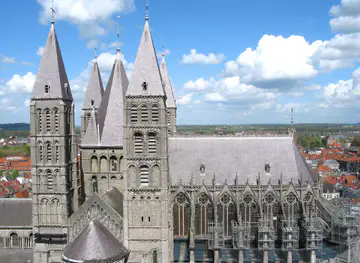
Hainaut's most recognisable landmarks range from medieval religious architecture to monumental evidence of industrial society. Tournai Cathedral dominates its historic skyline with a Romanesque nave, five towers and later Gothic elements, while the city's belfry represents the civic independence of the medieval Low Countries. Mons is defined by its belfry on the hill above the old town, a seventeenth-century civic landmark recognised with the city's wider belfry tradition, and by the Baroque collegiate church of Sainte-Waudru. In Marcinelle, the preserved buildings and memorial landscape of Bois du Cazier mark the site of the 1956 mining disaster. Grand-Hornu is a landmark of planned nineteenth-century industrial architecture, arranged around courtyards and former production spaces. At Spiennes, the landscape conceals prehistoric flint shafts rather than presenting a conventional monument, but its archaeological importance is exceptional. The gardens and château of Beloeil provide an aristocratic counterpoint, while Hainaut's canals and historic hydraulic works show how water engineering reshaped the province's industrial geography.
-
Plaza
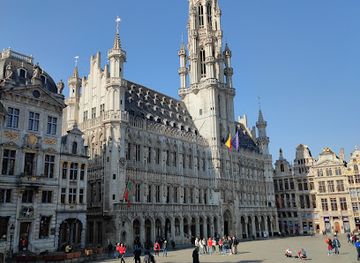
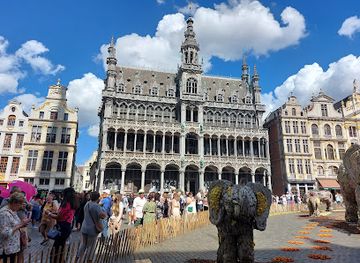
Grand Place
Experience the enchanting beauty of Grand Place in Brussels, where history, architecture, and vibrant culture come together in a stunning central plaza.
-
Tourist attraction
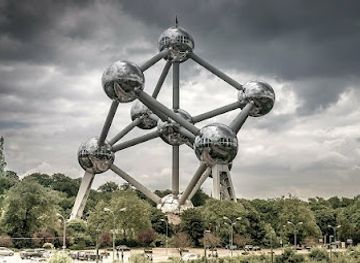
Atomium
Discover the Atomium, a breathtaking icon of Brussels that offers cultural exhibitions and panoramic views from its unique architectural design.
-
Fountain
Manneken Pis
Experience the charm of Manneken Pis, Brussels' whimsical fountain and a beloved symbol of Belgian culture, humor, and tradition.
-
Castle
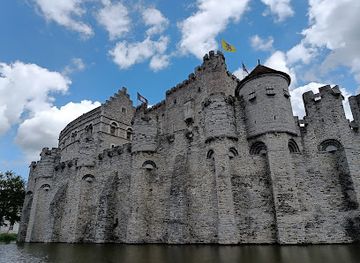
Gravensteen
Explore Gravensteen Castle, a stunning medieval fortress in Ghent, Belgium, rich in history and breathtaking views of the city.
Explore Hainaut on the map
Plan your trip on one map. See where the top cities, national parks and sights are, and book hotels and experiences in a few clicks.
Best hotels in Hainaut
Best restaurants in Hainaut
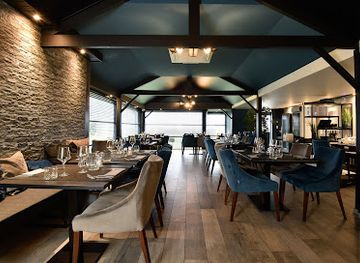
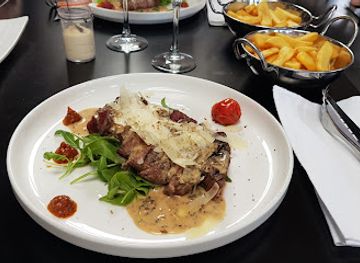
Dining in Hainaut reflects the hearty cuisine of Wallonia, with brasseries, cafés, traditional pubs and rural inns providing dishes built around seasonal produce, meat, potatoes, bread and locally made specialities. Tournai and Mons offer the broadest choice, from informal lunch restaurants to contemporary kitchens, while smaller towns and villages are more likely to centre their evening food culture on family-run establishments and established inns. Around Chimay, visitors encounter beers and cheeses associated with the Trappist abbey tradition, although the wider area also has independent breweries and producers. Regional sweet specialities, pastries and savoury tarts appear in bakeries and markets, and Hainaut's farming districts supply vegetables, dairy products and other produce to local tables. Charleroi's diverse population has also broadened the provincial dining scene with restaurants influenced by migration from southern Europe and beyond. Market days are useful for discovering local ingredients, while reservations are sensible for popular restaurants and for dining in smaller rural communities where opening patterns can be limited.
-
Coffee shop
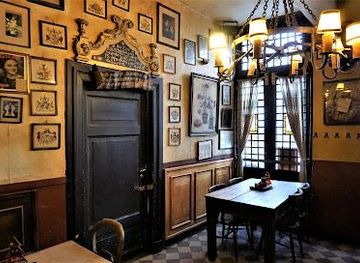
La Fleur en Papier Doré
Brussels' surrealist estaminet: walls alive with Magritte's legacy, eclectic art, and fine beers in a timeless, convivial haven for culture seekers.
-
Italian
Le Mulino Bianco
Experience authentic Italian flavors at Le Mulino Bianco in Le Rœulx—where every meal is a journey through Italy's rich culinary heritage.
-
Dessert shop
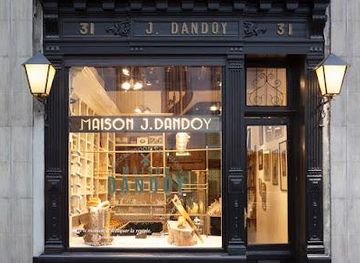
Maison Dandoy - Grand Place
Brussels' oldest biscuit haven since 1829, crafting speculoos and pains amid Grand Place's historic glow—pure Belgian sweetness in every buttery bite.
-
Italian
Le Sel et Poivre
Experience the exquisite fusion of Italian and French cuisine at Le Sel et Poivre in Charleroi - where every meal tells a delicious story.
Best bars in Hainaut
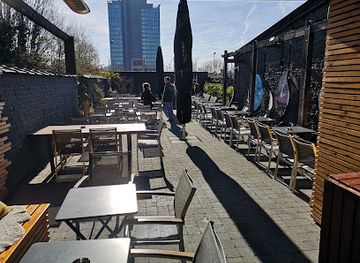
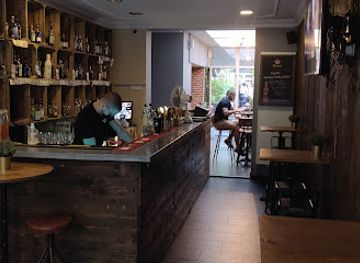
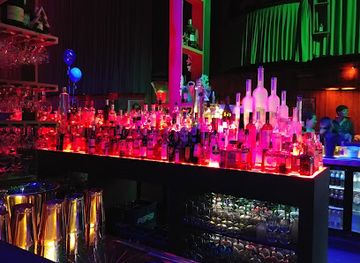
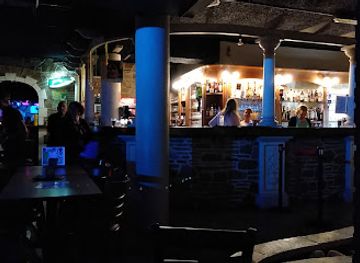
Evening life in Hainaut is centred more on cafés, traditional pubs, brasseries and live cultural events than on a continuous nightclub scene. Mons has the most concentrated student and late-evening atmosphere, with bars around the historic centre and venues linked to music and performance, while Tournai offers a more relaxed mixture of cafés, beer bars and restaurants. Charleroi has a broader urban nightlife, including music, theatre and contemporary cultural venues, though the character varies considerably by neighbourhood. In smaller towns such as Chimay and Binche, evenings generally revolve around local cafés, restaurants and seasonal celebrations rather than purpose-built clubs. Belgian beer is prominent, but sampling it is not necessary to participate in local social life; wine, soft drinks and coffee are widely available. Check current arrangements before making a special journey, as smaller venues may operate irregularly outside busy periods.
-
Bar
Nirvana Bar
Experience the vibrant atmosphere and diverse drink offerings at Nirvana Bar, the heartbeat of Charleroi's nightlife.
-
Bar
La Rhumerie
Experience the vibrant tropical ambiance of La Rhumerie in Charleroi, a rum lover's paradise offering a unique bar experience.
-
Bar
Le Carolopolitan
Discover the vibrant nightlife at Le Carolopolitan, Charleroi's premier bar offering exquisite drinks and a cozy atmosphere.
-
Cocktail bar
L'Alhambar
Discover L'Alhambar, Mons' premier cocktail bar, where creative concoctions and vibrant atmosphere come together for an unforgettable night out.

Best nightclubs in Hainaut
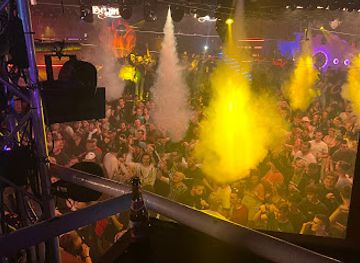
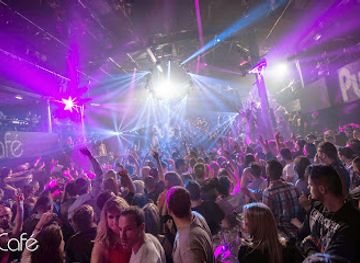
Evening life in Hainaut is centred more on cafés, traditional pubs, brasseries and live cultural events than on a continuous nightclub scene. Mons has the most concentrated student and late-evening atmosphere, with bars around the historic centre and venues linked to music and performance, while Tournai offers a more relaxed mixture of cafés, beer bars and restaurants. Charleroi has a broader urban nightlife, including music, theatre and contemporary cultural venues, though the character varies considerably by neighbourhood. In smaller towns such as Chimay and Binche, evenings generally revolve around local cafés, restaurants and seasonal celebrations rather than purpose-built clubs. Belgian beer is prominent, but sampling it is not necessary to participate in local social life; wine, soft drinks and coffee are widely available. Check current arrangements before making a special journey, as smaller venues may operate irregularly outside busy periods.
-
Night club
Cap'tain
Experience the vibrant energy of Cap'tain, Rumes' premier night club, where music, dance, and unforgettable nights come together.
-
Disco club
Meta Club - Tournai
Discover the vibrant nightlife of Tournai at Meta Club, where music, dancing, and excitement come together for an unforgettable experience.
-
Disco club
Dancing '' Les Arcades'
Unleash your dancing spirit at Dancing 'Les Arcades' – Tournai's ultimate disco club for music, karaoke, and unforgettable nights.
-
Disco club
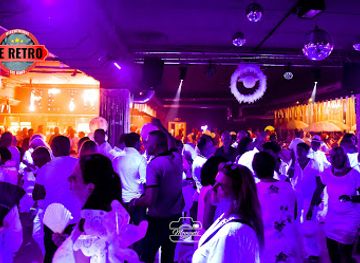
Le RETRO Discothèque
Discover the electrifying nightlife at Le RETRO Discothèque in Gembloux, where music, dance, and good vibes come together for an unforgettable experience.
Best shops in Hainaut
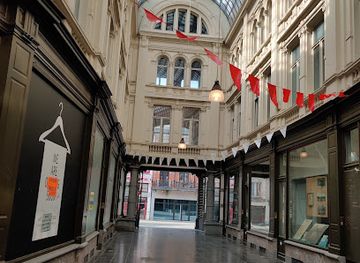
Shopping in Hainaut is strongest in the historic centres and market towns rather than in a single province-wide retail district. Tournai combines independent shops, bookshops, cafés and food retailers with streets around its cathedral and central squares, while Mons offers a mixture of high-street stores, specialist boutiques, galleries and regular market activity. Charleroi has the largest urban retail environment, including mainstream shops and neighbourhood businesses serving its diverse population. Local markets are good places to look for fruit, vegetables, cheeses, bakery products and prepared foods, though schedules vary by town and season. Regional purchases may include Belgian and Walloon beers, chocolate, biscuits, farmhouse produce and items associated with local craft traditions. Around heritage attractions, museum shops often provide books and well-made historical or design-related souvenirs rather than generic trinkets. In rural Hainaut, independent food producers and brewery shops can be more rewarding than conventional retail, but opening arrangements should be checked before travelling specifically to a small producer.
-
Shopping mall
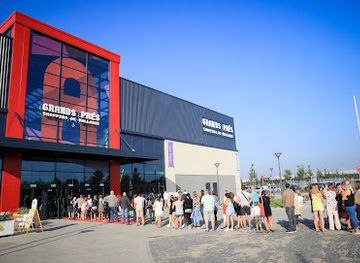
Les Grands Prés
Explore Les Grands Prés in Mons, Belgium: A vibrant shopping mall with diverse stores, dining options, and entertainment for the whole family.
-
Shopping mall
Rive Gauche
Discover the vibrant shopping experience at Rive Gauche in Charleroi, Belgium, where fashion, dining, and entertainment come together.
-
Shopping mall
Shopping Nivelles
Explore Shopping Nivelles, Belgium's vibrant shopping mall with diverse stores, dining, and entertainment for an unforgettable retail experience.
-
Shopping mall
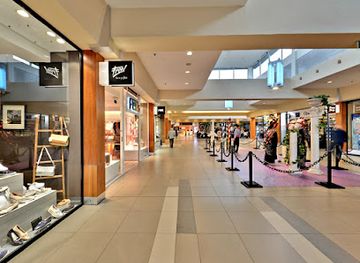
Shopping les Bastions
Discover Shopping Les Bastions in Tournai, a vibrant hub for shopping, dining, and entertainment that offers a unique blend of local and international brands.
Get your free copy of our complete guide to Hainaut, delivered straight to you.
Everything on this page, from attractions and restaurants to essentials and local phrases, in one PDF you can read offline, print or share.
Already have an account? Sign in
Your Hainaut guide is ready.
We'll send it to · Not you? Sign out

Getting your guide ready…
We are putting together a fresh copy of the Hainaut guide. This can take up to a minute.
This can take a few moments. If your browser asks, choose Allow so the download can start. You'll find the guide in your Downloads folder.
Nothing happened? Download it again
Sorry, the guide is taking longer than usual. Please try again in a minute, or get it by email instead.
Hainaut essentials
Currency and Payment
Safety
Emergency Situations
Do's and Don'ts
Local Tips
From Eve
Local phrases worth knowing
You don't need to get them perfect. A few words go a long way, and locals appreciate the effort.
Basics
| English | Local | Say it |
|---|---|---|
| Hello | Salut | [sah-loo] |
| Goodbye | Au revoir | [oh ruh-vwahr] |
| Yes | Oui | [wee] |
| No | Non | [noh] |
| Please/You're welcome | S'il vous plaît | [seel voo pleh] |
| Thank you | Merci | [mehr-see] |
| Excuse me/Sorry | Excusez-moi | [ehk-skew-zay mwah] |
| How are you? | Comment ça va? | [koh-mohn sah vah] |
| Fine. And you? | Bien. Et vous? | [byahn. eh voo] |
| Do you speak English? | Parlez-vous anglais? | [par-lay voo ahn-glay] |
| I don't understand | Je ne comprends pas | [zhuh nuh kohm-prahnd pah] |
Eating & Drinking
| English | Local | Say it |
|---|---|---|
| I'd like to see the menu, please | Je voudrais voir le menu, s'il vous plaît | [zhuh voo-dray vwah leuh meh-nu, seel voo pleh] |
| I don't eat meat | Je ne mange pas de viande | [zhuh nuh mahnj pah duh vyahnd] |
| Cheers! | Santé! | [sahn-tay] |
| I would like to pay, please | Je voudrais payer, s'il vous plaît | [zhuh voo-dray pay-yay, seel voo pleh] |
Emergencies
| English | Local | Say it |
|---|---|---|
| Help! | Au secours! | [oh su-kour] |
| Go away! | Allez-vous-en! | [ah-lay voo zahn] |
| Call the Police! | Appelez la police! | [ah-peh-lay lah poh-leess] |
| Call a doctor! | Appelez un médecin! | [ah-peh-lay uhn may-deh-seen] |
| I'm lost | Je suis perdu | [zhuh swee pair-doo] |
| I'm ill | Je suis malade | [zhuh swee mah-lahd] |
Shopping
| English | Local | Say it |
|---|---|---|
| I'd like to buy... | Je voudrais acheter... | [zhuh voo-dray ah-sheh-tay] |
| I'm just looking | Je regarde juste | [zhuh ruh-gard zoost] |
| How much is it? | C'est combien? | [seh kohm-byen] |
| That's too expensive | C'est trop cher | [seh troh shair] |
| Can you lower the price? | Pouvez-vous baisser le prix? | [poo-vay voo beh-say leuh pree] |
Time & Numbers
| English | Local | Say it |
|---|---|---|
| What time is it? | Quelle heure est-il? | [kel uhr eh-teel] |
| It's one o'clock | Il est une heure | [eel eh ewn uhr] |
| Half past (10) | Dix heures et demie | [dees uhr eh duh-mee] |
| Morning | Matin | [mah-tan] |
| Afternoon | Après-midi | [ah-pray mee-dee] |
| Evening | Soir | [swahr] |
| Yesterday | Hier | [ee-air] |
| Today | Aujourd'hui | [oh-zhoor-dwee] |
| Tomorrow | Demain | [duh-manh] |
| 1 | Un | [uhn] |
| 2 | Deux | [duh] |
| 3 | Trois | [trwah] |
| 4 | Quatre | [katr] |
| 5 | Cinq | [sank] |
| 6 | Six | [sees] |
| 7 | Sept | [seht] |
| 8 | Huit | [weet] |
| 9 | Neuf | [nuhf] |
| 10 | Dix | [dees] |
Transport & Directions
| English | Local | Say it |
|---|---|---|
| Where's a/the...? | Où est un/une...? | [oo eh uhn/oon] |
| What's the address? | Quelle est l'adresse? | [kel eh lah-dress] |
| Can you show me (on the map)? | Pouvez-vous me montrer (sur la carte)? | [poo-vay voo muh mohn-tray (sur lah kart)] |
| When's the next (bus)? | Quand est le prochain (bus)? | [kahn eh luh pro-shen (boos)] |
| A ticket (to ....) | Un ticket (pour ...) | [uhn tee-kay (poor ...)] |
History of Hainaut
The Neolithic Flint Mines of Spiennes
The archaeological site at Spiennes, near Mons, preserves one of Europe's most important prehistoric flint-mining complexes. From roughly the fifth millennium BCE, Neolithic communities dug shafts and galleries to obtain high-quality flint, which was crafted into tools and exchanged across wide areas. The scale and organisation of the workings demonstrate advanced planning and specialised labour long before urban civilisation. The mines provide unusually direct evidence of prehistoric technology in present-day Hainaut and are recognised as a UNESCO World Heritage site. Their galleries and surrounding archaeological landscape help explain how early communities altered and used the region's geology.
Roman and Medieval Tournai
Tournai developed beside the Scheldt from a Roman settlement into an important medieval centre. It became associated with the early Frankish kingdom and later grew through trade, crafts and ecclesiastical influence. The city's cathedral and civic architecture embody successive periods of Romanesque and Gothic building, while its position near the French border made it strategically significant for centuries. Tournai's long urban continuity distinguishes it from many of Hainaut's later industrial towns and provides a visible link between Roman foundations, medieval commerce and the political history of the Low Countries.
The Medieval County of Hainaut
During the Middle Ages, Hainaut emerged as a county whose rulers governed a territory centred on towns such as Mons and Valenciennes, the latter now outside Belgium. The county was drawn into the shifting alliances and dynastic politics of the Low Countries, including connections with Flanders, Holland and neighbouring France. Mons gained importance as an administrative and commercial centre, while smaller fortified settlements and religious institutions shaped the countryside. Later incorporated into the Burgundian and Habsburg Netherlands, Hainaut retained a strong historical identity that remains visible in its town walls, churches, belfries and former abbeys.
The Rise of Coal and Industry
From the eighteenth century and especially during the nineteenth, coal mining transformed southern Hainaut. Deposits beneath the Borinage, the Charleroi area and the western industrial belt supported ironworks, glassmaking, engineering and railway development. New company towns and workers' districts grew around collieries, while canals and rail lines connected mines to factories and markets. Grand-Hornu is an exceptional surviving example of planned industrial architecture, and the former sites around Charleroi and Mons reveal the scale of the industrial landscape. This period brought wealth and urban growth but also dangerous working conditions and severe environmental change.
Belgian Independence and Industrial Society
After Belgium became independent in 1830, Hainaut was one of the new country's principal economic engines. Coal, steel, glass and mechanical industries attracted workers from across Belgium and, later, from Italy, eastern Europe, North Africa and Turkey. The resulting communities gave the province a socially diverse character and helped shape its political history, including strong labour and cooperative movements. Mining disasters, strikes and debates over working conditions formed part of everyday industrial life. The Bois du Cazier disaster of 1956, in which 262 miners died, remains a particularly important symbol of this human history.
War, Reconstruction and Industrial Decline
Hainaut's position and industrial capacity made it strategically important during both world wars, while its towns and transport infrastructure suffered damage and disruption. Post-war reconstruction initially supported continued production, but coal extraction and heavy industry declined sharply during the second half of the twentieth century. Collieries closed, unemployment increased and many industrial landscapes were left in transition. Former sites have since been preserved as museums, cultural venues and heritage landscapes, while investment in canals, parks, universities and creative industries has supported a gradual process of renewal without erasing the province's industrial memory.
Contemporary Cultural Renewal
In recent decades, Hainaut has used its historic buildings and industrial sites as foundations for cultural and economic regeneration. Grand-Hornu became a centre for contemporary art and design, Bois du Cazier developed as a museum of mining and migration, and Mons served as European Capital of Culture in 2015. Tournai continues to promote its architectural heritage, while former industrial towns have expanded museums, arts projects and public spaces. The modern province therefore presents its past not simply as a collection of monuments, but as an active part of debates about work, identity, memory and the future of post-industrial Europe.
Hainaut in Photos
Browse through our photo collection highlighting the charm and character of the destination.
Neighbouring regions of Hainaut
The closest regions to Hainaut, if you have time for more than one.
-

-

-

-

-


Swipe for more regions
Explore more

Explore more of Belgium
Discover Belgium: A blend of medieval charm, culinary delights, and stunning landscapes. Explore historic cities, savor exquisite chocolates, and enjoy a perfect getaway.
Explore Belgium