

Best Landmarks in Salvador
Planning a trip to Salvador? Discover the best landmarks in Salvador with history, expert tips, and routes. Free on web or the Evendo app.


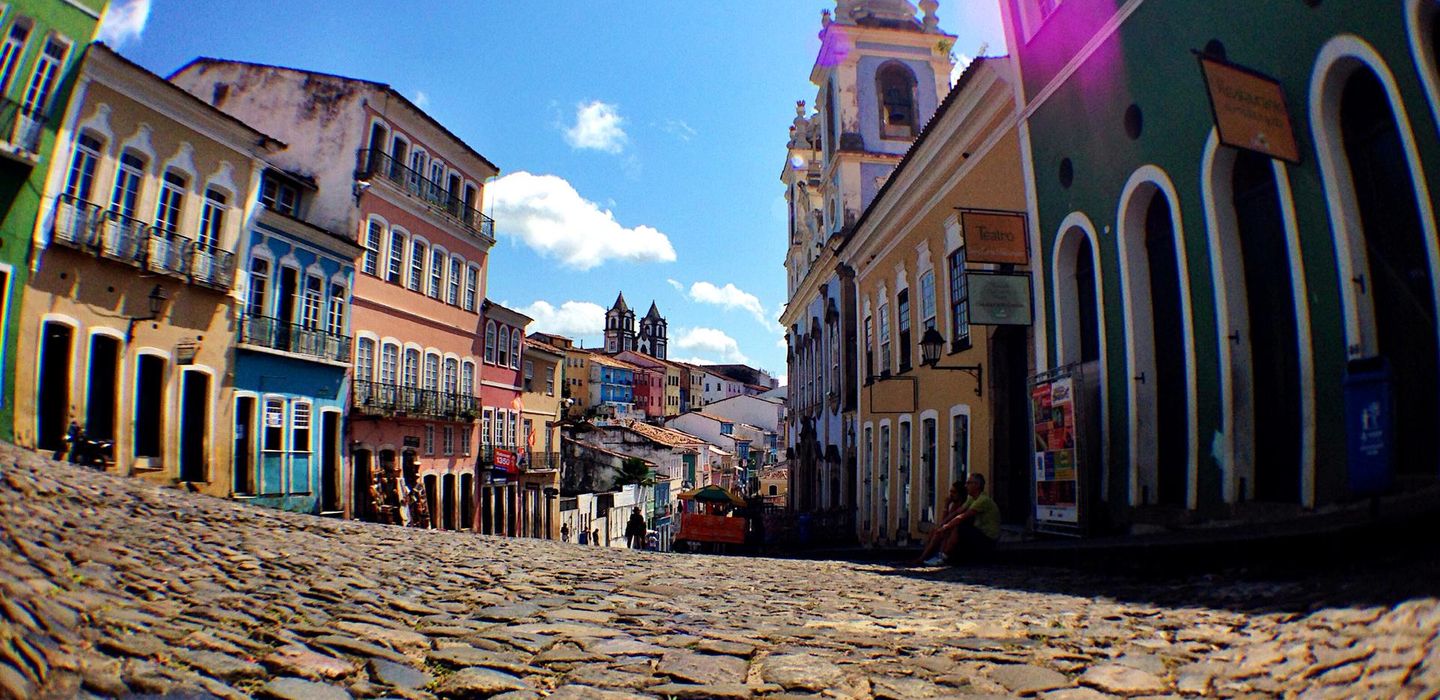
The best landmarks in Salvador
Salvador offers visitors a unique blend of history, culture, and natural beauty. From the iconic Pelourinho district with its colorful colonial buildings and cobblestone streets, to the historic Elevador Lacerda that provides stunning views of the city and bay, there is no shortage of landmarks to explore. Visitors can immerse themselves in the rich Afro-Brazilian heritage at the Mercado Modelo or experience the breathtaking vistas from the top of Farol da Barra lighthouse. With vibrant music, delicious cuisine, and warm hospitality, Salvador is a must-visit destination for those seeking an unforgettable travel experience.
- Top rated
- Closest to the centre
- A–Z
42 landmarks
-
Tourist attraction4.8★66,408 reviews
Museu Náutico da Bahia - Farol da Barra
Housed within the historic Farol da Barra (Barra Lighthouse), the Museu Náutico da Bahia showcases Brazil's rich maritime history. Visitors can explore exhibits detailing navigation, shipbuilding, and the crucial role of lighthouses, while also enjoying panoramic views of the Atlantic coastline.
Daily 9:00–18:00
-
Tourist attraction4.5★52,921 reviews
Elevador Lacerda
The Elevador Lacerda, an iconic landmark in Salvador, Brazil, is one of the world's first urban elevators, connecting the Cidade Baixa (lower city) to the Cidade Alta (upper city). Inaugurated in 1873, it provides stunning views of the Baía de Todos os Santos and the historic center. A quick and affordable ride offers both transportation and a visual treat.
Mon–Fri 6:00–23:00 · Sat–Sun 7:00–22:00
-
Beach4.6★24,411 reviews
Porto da Barra Beach
Porto da Barra Beach is a celebrated coastal haven in Salvador, Bahia, known for its idyllic setting, calm waters, and vibrant atmosphere. Nestled along Bahia's coastline, it attracts locals and tourists seeking relaxation and recreation. The beach offers a blend of natural beauty, historical significance, and a lively social scene.
-
Monument4.8★13,786 reviews
Morro do Cristo
Morro do Cristo, located in Salvador's Barra neighborhood, offers panoramic ocean views and a statue of Christ the Redeemer. A serene park surrounds the monument, making it a popular spot for locals and tourists alike.
Open 24 hours
-
Tourist attraction4.6★4,856 reviews
Monumento As Meninas do Brasil (Gordinhas)
The Monumento As Meninas do Brasil, affectionately known as "Gordinhas" (meaning "chubby girls"), is a beloved landmark in Salvador, Brazil. These three bronze sculptures celebrate the beauty and diversity of Brazilian women, representing the Black, White, and Indigenous peoples who shaped the nation. Located in the Ondina neighborhood, the monument is a vibrant symbol of Salvador's rich cultural heritage.
Open 24 hours
-
Park4.5★3,830 reviews
Square Two July
Square Two July, also known as Largo do Campo Grande, is a historic and vibrant park in Salvador's Canela neighborhood. Dating back to the early 1800s, this urban oasis offers lush greenery, monuments, and a taste of local culture. It's a perfect spot for relaxation, cultural immersion, and experiencing the spirit of Salvador.
-
Plaza4.5★3,800 reviews
Largo Terreiro de Jesus
Largo Terreiro de Jesus, located in Salvador's Pelourinho district, is a vibrant plaza surrounded by colorful colonial buildings, churches, and museums. Known for its lively atmosphere with music, art, and food, it's a must-see destination showcasing Bahia's rich history and culture.
Open 24 hours
-
Museum4.8★1,894 reviews
Casa do Carnaval da Bahia
The Casa do Carnaval da Bahia, located in the Pelourinho district of Salvador, is a vibrant museum dedicated to the history and culture of Bahia's world-famous Carnival. Opened in 2018, the museum offers an immersive experience with interactive exhibits, costumes, musical instruments, and historical documents.
Tue–Sun 10:00–18:00
-
Cathedral4.8★1,783 reviews
Cathedral of Salvador
The Cathedral Basilica of Salvador, located in the heart of Pelourinho, stands as one of Brazil's most significant religious monuments. Built by the Jesuits in the 17th century, it showcases a blend of Mannerist, Baroque, Rococo, and Neoclassical architectural styles. The cathedral is a symbol of sacred art and religious architecture, holding historical relics and artistic treasures.
-
Art museum4.6★1,939 reviews
Bahia Museum of Art
The Bahia Museum of Art (Museu de Arte da Bahia), established in 1918, is the oldest art museum in Bahia, Brazil. Housed in the Vitória Palace since 1982, it features a collection of over 5,000 works, including Brazilian, Oriental, and European decorative arts.
Tue–Sun 10:00–18:00


Centro Histórico
Centro Histórico in Salvador is a vibrant tapestry of history, culture, and architecture. A UNESCO World Heritage site, it invites tourists to explore its colorful streets, colonial-era buildings, and lively atmosphere, making it a must-visit destination in Brazil.
Open 24 hours

PASTEL DA BINA/Tempero do Camaleon
Located in the historic Santo Antônio Além do Carmo neighborhood, PASTEL DA BINA offers delicious Brazilian pastries with a stunning view of the Bay of All Saints. It's a perfect spot to savor local flavors while soaking in Salvador's vibrant atmosphere.
Fri–Sun 17:00–24:00

Fallen Cross Monument
The Fallen Cross Monument (Cruz Caída) in Salvador, Bahia, is a striking modern sculpture commemorating the Igreja da Sé, Brazil's former primary cathedral, which was demolished in 1933. Designed by Bahian artist Mário Cravo Júnior, the monument stands as a reminder of the city's past and offers panoramic views of the Baía de Todos os Santos (All Saints Bay).
Open 24 hours

Centro Histórico de Salvador, Bahia
The Centro Histórico de Salvador, also known as Pelourinho, is a UNESCO World Heritage site that encapsulates Brazil's rich colonial history. As the first capital of Brazil, it showcases a blend of European, African, and Amerindian cultures through its architecture, music, and cuisine. Wander through its cobblestone streets and immerse yourself in the vibrant atmosphere of this historical gem.

Carybé Arts Space - São Diogo Fort
Housed within the historic São Diogo Fort, the Carybé Arts Space offers a modern, interactive experience showcasing the works of the Argentine-Brazilian artist Carybé. Through digital media and virtual reality, visitors can explore his diverse artistic expressions and immerse themselves in Bahian culture.
Mon 10:00–18:00 · Wed–Sun 10:00–18:00

Cidade da Música da Bahia
Cidade da Música da Bahia is a vibrant cultural hub in Salvador that celebrates the rich musical heritage of Brazil. Visitors can immerse themselves in interactive exhibits, attend engaging workshops, and enjoy live performances that showcase the diverse rhythms and styles of Brazilian music. This is a must-visit destination for music lovers and culture enthusiasts alike.
Tue–Sun 10:00–18:00

Paróquia Nossa Senhora da Vitória
The Paróquia Nossa Senhora da Vitória, or Parish of Our Lady of Victory, is a Catholic church in Salvador, Bahia, Brazil. Dating back to the 16th century, it stands as one of the oldest churches in Brazil, showcasing a blend of architectural styles and a rich history intertwined with the city's colonial past.
Open 24 hours

Pé do Caboclo
Pé do Caboclo, located in Largo do Campo Grande, Salvador, is an iconic monument representing the Brazilian people who fought for independence in Bahia. The monument features a 'caboclo' (a person of mixed Indigenous and European ancestry) armed with a lance and bow, dominating a dragon symbolizing Portuguese monarchy.

Rio Branco Palace
The Rio Branco Palace in Salvador, Bahia, is a historic landmark dating back to 1549. Once the seat of Portuguese government, it has served as a barracks, prison, and cultural center. Today, visitors can explore its ground floor, enjoy panoramic city views, and discover the Memorial of the Governors.
Tue–Fri 10:00–17:00

São Marcelo Fort
Rising from the waters of the Bay of All Saints, São Marcelo Fort is a unique cylindrical fortress with a rich history. Built in the 17th century, it served as a vital defense for Salvador against invasions and attacks. Today, it stands as a historical landmark offering panoramic views and a glimpse into Brazil's colonial past.

Carlos Costa Pinto Museum
Housed in a meticulously preserved historic mansion in Vitória, Salvador, the Carlos Costa Pinto Museum showcases an impressive collection of 18th- and 19th-century decorative arts, offering a glimpse into the opulent lifestyle of Bahia's sugarcane aristocracy. Visitors can explore a diverse collection of furniture, porcelain, silver, and jewelry, reflecting the region's rich cultural heritage.
Mon 14:30–18:00 · Wed–Fri 14:30–18:00

Museu Abelardo Rodrigues
Housed in the Solar Ferrão, a historic building in the Pelourinho district, the Museu Abelardo Rodrigues showcases an impressive collection of sacred art, offering a glimpse into Brazil's rich religious and cultural heritage.

Forte de São Pedro
Forte de São Pedro, perched atop a hill in Salvador, Bahia, offers a glimpse into Brazil's colonial past. Built in the 18th century, this well-preserved fortress provides panoramic views of the Atlantic Ocean and the bustling harbor, blending Baroque and military architecture.

Museum Eugenio Teixeira Leal
The Museum Eugenio Teixeira Leal, located in the Pelourinho district of Salvador, Bahia, showcases Brazil's economic history through its extensive collection of coins, medals, and historical artifacts. Housed in a beautifully restored 19th-century building, the museum offers a fascinating glimpse into the evolution of currency and its impact on Brazilian society.
Mon–Fri 9:00–18:00

Casa de Oxumarê
Casa de Oxumarê, located in Salvador, Bahia, is one of the oldest and most respected Candomblé temples in Brazil. Dedicated to the Orisha Oxumarê, symbolizing renewal and transformation, the temple is a vibrant center for Afro-Brazilian culture and religion. Visitors can experience the rich heritage and spiritual traditions of Candomblé through ceremonies, workshops, and community gatherings.
Mon–Sat 10:00–16:00

Casa de Yemanjá
Casa de Yemanjá, a small blue and white building in Salvador's Rio Vermelho neighborhood, is a center for devotion to Iemanjá, the Afro-Brazilian goddess of the sea. It's a place for offerings and prayers throughout the year, but especially vibrant during the annual Iemanjá Festival every February 2nd.
Mon–Sat 10:00–16:00

Paróquia do Divino Espírito Santo
The Paróquia do Divino Espírito Santo, located in Vila de Abrantes, Camaçari, is a beautiful Catholic church steeped in history and cultural significance. Founded by Jesuits in 1558, it stands as a testament to the region's colonial past and offers a serene space for reflection amidst the lively atmosphere of Bahia.
Tue–Fri 8:30–12:00, 14:00–18:00 · Sat 8:30–12:00

Praça da Sé - Comercio
Praça da Sé, a public square in Salvador's historic Comércio district, is a vibrant hub where history, culture, and modern life converge. Once the site of Salvador's grand cathedral, demolished in the 1930s, the square now hosts cultural events, monuments, and serves as a gateway to other historical attractions.

Prefeitura Municipal de Salvador
The Prefeitura Municipal de Salvador, or Salvador City Hall, stands on the Praça Municipal as a modern structure amidst the historical architecture of Brazil's first capital. Designed by architect João Filgueiras Lima, its steel and glass structure offers a contrast to the colonial buildings surrounding it.
Mon–Fri 8:00–18:00

Buraco da Sereia
Buraco da Sereia, or Mermaid's Hole, is a hidden natural pool nestled among the rocks behind the Farol da Barra in Salvador, Bahia. This stunning spot offers crystal-clear waters and a unique perspective of the iconic lighthouse, making it a favorite for photographers and those seeking a tranquil escape.
Open 24 hours

Monumento à Cidade de Salvador - BA
The Monumento à Cidade de Salvador, also known as the Fonte da Rampa do Mercado, is a sculpture by the Bahian artist Mário Cravo Júnior, erected in 1970. Located in the Comércio district, it stands as a symbol of the city, representing the sails of traditional boats. After being destroyed by fire in 2019, it was restored and reinaugurated in 2023.
Open 24 hours

Monumento do Dois de Julho (Caboclo)
The Monumento do Dois de Julho, also known as the Caboclo Monument, is a significant landmark in Salvador, Bahia, commemorating Bahia's independence from Portuguese colonization. Located in the Campo Grande square, this majestic sculpture features intricate details and serves as a reminder of the struggles and triumphs that shaped Brazilian identity.
Daily 7:00–19:00

Memorial das Baianas
The Memorial das Baianas in Salvador's Pelourinho district celebrates the iconic Baiana women, central figures in Bahia's cultural and culinary heritage. The museum showcases their history, traditions, and impact, particularly their culinary contributions like the famous acarajé.
Mon–Sat 10:00–16:00

Marco de Fundação da Cidade do Salvador
The Marco de Fundação da Cidade do Salvador (City of Salvador Foundation Landmark) marks the spot where Tomé de Sousa founded Salvador in 1549, Brazil's first capital. Located on Porto da Barra Beach, the monument features a stone pillar and a tile mural depicting Sousa's arrival.
Open 24 hours

Englishmen Cemetery (British Cemetery)
The Englishmen Cemetery, also known as the British Cemetery, in Salvador, Bahia, dates back to 1814. It stands as a testament to the historical presence and influence of the British community in the region, predating the city's first public cemetery. The cemetery offers a glimpse into the lives and contributions of British individuals and other non-Catholic foreigners who lived and worked in Bahia during the 19th century.
Daily 8:00–12:00, 13:00–17:00

City Museum
Located in the heart of Pelourinho, the City Museum offers a glimpse into Salvador's rich history, blending the sacred and the profane through exhibits showcasing Candomblé traditions, colonial life, and works by Bahian artists. It's a must-see for those seeking to understand the city's cultural evolution.
Mon–Fri 10:00–17:00

Estátua Dom Pedro Fernandes Sardinha
The Estátua Dom Pedro Fernandes Sardinha, located in Salvador's Pelourinho district, honors Dom Pedro Fernandes Sardinha, Brazil's first bishop. The statue stands in Praça da Sé, surrounded by colorful colonial architecture and vibrant street life.

Monumento São Paulo da Cruz
The Monumento São Paulo da Cruz, located in Salvador, Bahia, is a prominent historical landmark offering scenic views of the coastline. While the original cross is no longer fully intact, the site remains a point of interest for reflection and appreciation of the city's heritage.

Largo do Farol da Barra, 1 - Barra
Farol da Barra, or Barra Lighthouse, is an iconic landmark in Salvador, Bahia, Brazil, marking the entrance to the Baía de Todos os Santos (All Saints Bay). Housed within the Santo Antônio da Barra Fort, it's South America's oldest lighthouse and offers stunning coastal views and a glimpse into Brazil's maritime past.

Praça Castro Alves
Praça Castro Alves, located in Salvador, Bahia, is a historic public square that serves as a vibrant center for cultural events and political demonstrations. Named after the abolitionist poet Castro Alves, the square offers stunning views of the Baía de Todos os Santos and is surrounded by significant landmarks.

Praça Terreiro de Jesus
Praça Terreiro de Jesus, also known as Praça 15 de Novembro, is a vibrant town square in Salvador's historic center, surrounded by colonial architecture and significant churches. It's a hub of culture, history, and local flavors, offering visitors an immersive experience of Bahian life.

Escadaria Sambazete
The Escadaria Sambazete, located in Salvador's Santo Antônio Além do Carmo neighborhood, is a vibrant public staircase adorned with colorful tiles and murals. Offering stunning city and bay views, it's a popular spot for photography and experiencing Salvador's artistic soul.
Fri–Sat open 24 hours
Explore Salvador on the map
A handpicked selection of must-see spots in Salvador, mapped for you.
More about Salvador
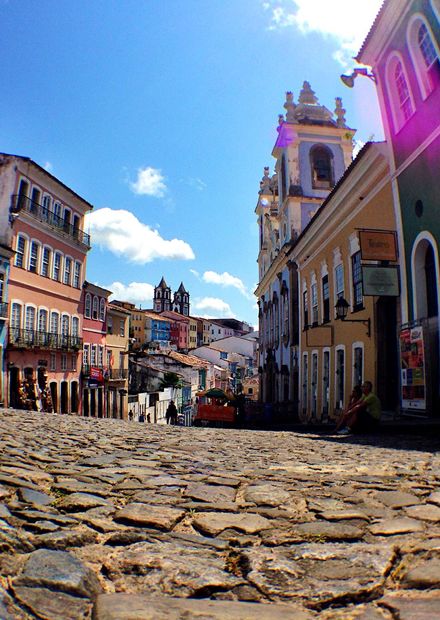
Salvador travel guide
Salvador, Brazil blends Afro-Brazilian culture, colonial architecture, Atlantic beaches, music and Bahian cuisine across historic Pelourinho and the coast.
Tell me more about SalvadorMore to explore in Salvador

 Best attractions in Salvador

 Best shops in Salvador

 Best bars in Salvador

 Best restaurants in Salvador

 Best nightclubs in Salvador

 Best experiences in Salvador

 Best hotels in Salvador

 All neighbourhoods in Salvador
Explore more

Explore more of Brazil
Discover Brazil: a land of samba, stunning landscapes, and rich history. From the Amazon to Rio, explore diverse cultures, world-class cuisine, and vibrant festivals.
Explore Brazil
Getting your guide ready…
We are putting together a fresh copy of the Salvador guide. This can take up to a minute.
This can take a few moments. If your browser asks, choose Allow so the download can start. You'll find the guide in your Downloads folder.
Nothing happened? Download it again
Sorry, the guide is taking longer than usual. Please try again in a minute, or get it by email instead.

