
Jost Van Dyke Beaches, British Virgin Islands Travel Guide
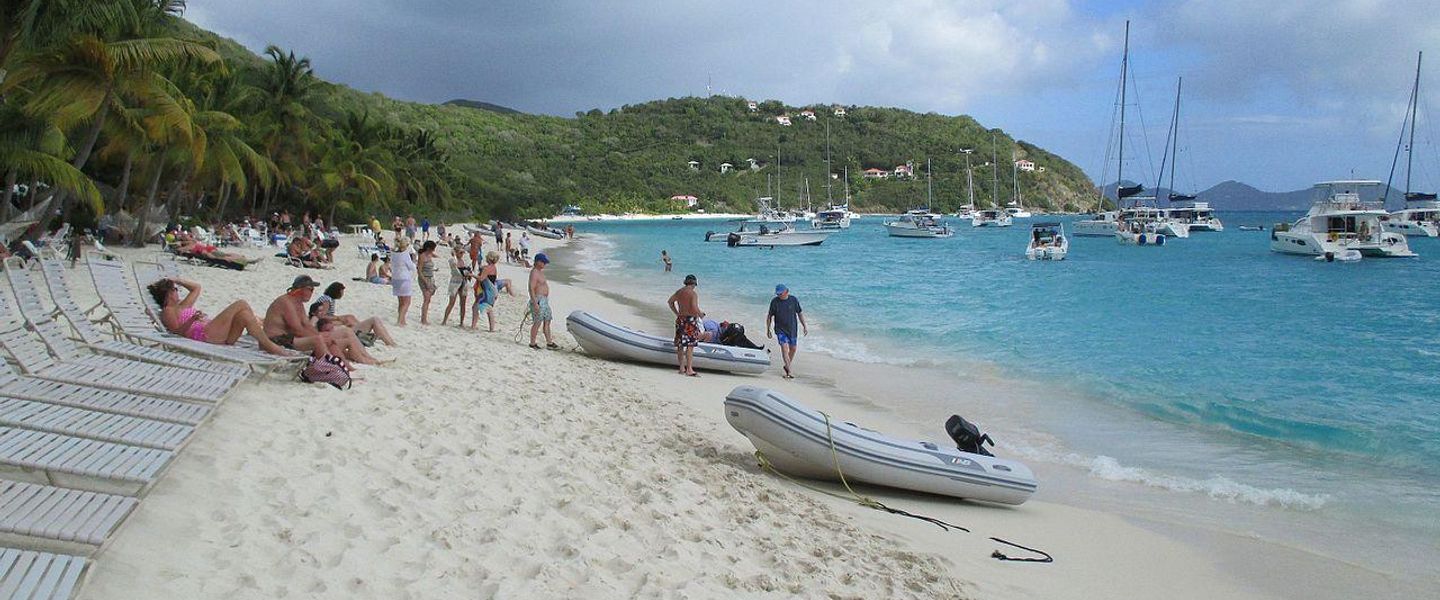
Discover the untouched beauty and relaxed charm of Jost Van Dyke Beaches in the British Virgin Islands, where crystal-clear waters meet powdery white sand.
Jost Van Dyke, one of the British Virgin Islands, offers some of the most stunning beaches in the Caribbean. This tiny island, named after a Dutch pirate, is famous for its powdery white sand, crystal-clear waters, and laid-back atmosphere. Whether you're looking to relax on the beach, explore the vibrant sea life, or enjoy some local cuisine, Jost Van Dyke has something for everyone. The most popular beach on the island is White Bay, often hailed as one of the world's best beaches. It's the perfect spot to soak up the sun, swim in gentle waves, and visit the famous beach bars like the Soggy Dollar Bar, known for inventing the Painkiller cocktail. The beach is also perfect for snorkeling, with its colorful coral reefs and abundant marine life. Another must-visit spot is Great Harbour, the island's main port. Here, you'll find a charming blend of local shops, restaurants, and bars. It's a great place to sample fresh seafood and mingle with locals and other tourists. Just a short walk from Great Harbour is Little Harbour, a quieter and more secluded beach, ideal for those seeking tranquility. Jost Van Dyke also offers plenty of opportunities for adventure. You can hike to the Bubbly Pool, a natural rock formation that creates a jacuzzi-like experience when the waves crash in. For a unique experience, visit during Foxy's Old Year's Night Party, one of the most famous New Year's Eve celebrations in the Caribbean.

Know before you go
Hi, I'm Eve. Here are a few practical things to know before exploring Jost Van Dyke Beaches.
- Visit White Bay early in the morning to avoid the crowds and secure a good spot on the beach.
- Bring cash as many of the local bars and restaurants do not accept credit cards.
- If you're planning to snorkel, bring your own gear as rentals can be limited.
- Wear water shoes if you plan to visit the Bubbly Pool to protect your feet from sharp rocks.
- Check the ferry schedule ahead of time, as services can be infrequent.
Explore Jost Van Dyke Beaches: Things to Do, Places to Eat, Hotels & More
Handpicked recommendations for top attractions, local dining, accommodations, and more

Best attractions in Jost Van Dyke Beaches
Top-rated picks
Best Attractions

Ivan’s Stress Free Bar, Villas & Beach Bungalows
Unwind at Ivan's Stress Free Bar, Villas & Beach Bungalows in White Bay, Jost Van Dyke. Relax, enjoy stunning views, and experience island life.

Bubbly Pool
Experience nature's jacuzzi at Bubbly Pool, Jost Van Dyke – a hidden gem with foamy waves, scenic hikes, and tranquil Caribbean vibes.

Diamond Cay National Park
Explore Diamond Cay National Park: a vital bird sanctuary with stunning reefs, beaches, and natural beauty off Jost Van Dyke.

Best landmarks in Jost Van Dyke Beaches
Top-rated picks
Best Landmarks

Soggy Dollar Bar
Experience the legendary Soggy Dollar Bar on Jost Van Dyke: Home of the Painkiller cocktail and the ultimate Caribbean beach vibe.

Alice's Restaurant
Experience Caribbean flavors at Alice's Restaurant in Jost Van Dyke's White Bay. Fresh seafood, stunning views, and island vibes await!

Hendo's Hideout
Experience the ultimate beachfront escape at Hendo's Hideout in White Bay, Jost Van Dyke: Caribbean flavors, island vibes, and unforgettable sunsets.

Harris' Place
Experience authentic Caribbean cuisine and warm hospitality at Harris' Place, a family-run gem in Jost Van Dyke's Little Harbour.

Best restaurants in Jost Van Dyke Beaches
Top-rated picks
Best Restaurants

Soggy Dollar Bar
Experience the vibrant spirit of Caribbean life at Soggy Dollar Bar on Jost Van Dyke – where every sip feels like a vacation!

Alice's Restaurant
Savor delicious Caribbean cuisine with breathtaking views at Alice's Restaurant on Jost Van Dyke.

Tipsy Shark
Experience exquisite seafood dining in Belle Vue at Tipsy Shark, where every dish captures the essence of Caribbean flavors amidst breathtaking ocean views.

Sidney's Peace & Love
Discover Sidney's Peace & Love: A charming family-run restaurant in the British Virgin Islands offering fresh local cuisine in an inviting atmosphere.

Best bars in Jost Van Dyke Beaches
Top-rated picks
Best Bars
Soggy Dollar Bar
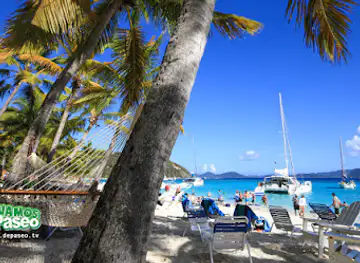
Discover the laid-back charm of Soggy Dollar Bar on Jost Van Dyke, where tropical cocktails and beachside relaxation await every visitor.

Alice's Restaurant
Experience the vibrant flavors and breathtaking views at Alice's Restaurant in Jost Van Dyke, the ultimate Caribbean dining destination.

Hendo's Hideout
Discover Hendo's Hideout in the British Virgin Islands – a tropical bar paradise offering refreshing drinks and stunning ocean views.

Sugar & Spice Snack Bar
Experience the flavors of the British Virgin Islands at Sugar & Spice Snack Bar, where delicious grill fare meets stunning views in Belle Vue.

Best nightclubs in Jost Van Dyke Beaches
Top-rated picks
Best Nightclubs

Soggy Dollar Bar
Discover the vibrant ambiance and iconic cocktails at Soggy Dollar Bar, a Caribbean paradise in Jost Van Dyke, British Virgin Islands.

Hendo's Hideout
Experience the vibrant nightlife and local flavors at Hendo's Hideout, a tropical bar in the heart of Belle Vue, British Virgin Islands.

Foxy's, Jost Van Dyke, British Virgin Islands
Experience the vibrant spirit of Jost Van Dyke at Foxy's, the ultimate beachfront bar and restaurant in the British Virgin Islands, known for its lively atmosphere and delicious cuisine.

Coco Loco
Experience the vibrant atmosphere and stunning views at Coco Loco, the ultimate beach bar in the British Virgin Islands for tourists seeking relaxation and fun.

Best shops in Jost Van Dyke Beaches
Top-rated picks
Best Shops

Soggy Dollar Bar
Experience the essence of Caribbean paradise at Soggy Dollar Bar on Jost Van Dyke, where vibrant cocktails and stunning ocean views await.

Hendo's Hideout
Experience the vibrant atmosphere and refreshing drinks at Hendo's Hideout in the beautiful British Virgin Islands, your ultimate tropical getaway.

White Bay Villas & Beach Club
Experience the ultimate Caribbean escape at White Bay Villas & Beach Club, where luxury meets natural beauty in Jost Van Dyke.

Sugar & Spice Snack Bar
Experience the taste of the Caribbean at Sugar & Spice Snack Bar in Belle Vue, offering a delightful grill menu with stunning coastal views.

Explore Jost Van Dyke Beaches on the Map
A handpicked selection of must-see spots in Jost Van Dyke Beaches, mapped for you.
Jost Van Dyke Beaches Essentials
-
Jost Van Dyke, one of the British Virgin Islands, is typically accessed by boat. The nearest international airport is Terrance B. Lettsome International Airport (EIS) on Beef Island, which is connected to Tortola. From Tortola, you can take a ferry to Jost Van Dyke. Ferries operate regularly from Road Town and West End in Tortola, and the journey takes about 20-30 minutes. Alternatively, you can charter a private boat or take a water taxi.
-
Once on Jost Van Dyke, the primary modes of transportation are taxis and rental vehicles, such as scooters and small 4x4s. The island is small, so walking is also a feasible option for getting around. Taxis are readily available and are a convenient option for exploring different parts of the island. There are no public buses on the island.
-
The official currency of the British Virgin Islands is the US Dollar (USD). Credit cards are accepted in most hotels, restaurants, and shops on Jost Van Dyke, but it is advisable to carry cash for smaller establishments and tips. ATMs are limited, so it is wise to withdraw sufficient cash before arriving on the island.
-
Jost Van Dyke is generally a very safe destination for tourists. However, standard travel precautions should be taken. Keep an eye on your belongings, especially on the beaches and in crowded areas. Avoid walking alone at night in secluded areas. There are no specific high-crime areas targeting tourists, but it's always best to stay vigilant.
-
In case of emergency, dial 911 for immediate assistance. Jost Van Dyke has a small medical clinic for minor health issues, but serious medical emergencies may require transport to Tortola or even further afield. It is recommended to have travel insurance that covers medical emergencies. For minor health issues, there are a few pharmacies on the island where you can purchase over-the-counter medications.
-
Fashion: Do wear lightweight and breathable clothing suitable for a tropical climate. Swimwear is fine on the beach but should be covered up when not on the beach. Religion: Do respect local customs and practices, although the island is quite relaxed. Public Transport: Since there are no public buses, rely on taxis or rental vehicles, and always agree on the fare before the ride. Greetings: Do greet locals with a friendly 'hello' or 'good day'; islanders are generally very friendly. Eating & Drinking: Do try local dishes and rum beverages. Don't litter, especially on the beaches.
-
To experience Jost Van Dyke like a local, visit the local bars and restaurants, especially Foxy's and the Soggy Dollar Bar, to enjoy live music and local cuisine. Participate in events such as the Old Year's Night (New Year's Eve) celebration at Foxy's. Take a hike to the Bubbly Pool, a natural sea-formed jacuzzi. Engage with the locals, as they are often welcoming and happy to share stories about the island's history and culture.
When is the best time to visit Jost Van Dyke Beaches?
Useful Local Phrases for Jost Van Dyke Beaches
You don't need to speak the language perfectly. Even learning a few simple words can make conversations warmer—and locals usually appreciate the effort.
— Eve

Here are the phrases I use most often in Jost Van Dyke Beaches. Try a few—you'll be surprised how far they go! 😊
❤️
-
- HelloGood Day
[Gud Dei] - GoodbyeGoodbye
[Gudbai] - YesYeah
[Yeh] - NoNo
[No] - Please/You're welcomePlease
[Pliz] - Thank youThank you
[Tengk yu] - Excuse me/SorrySorry
[Sari] - How are you?How you doin?
[Hao yu doin?] - Fine. And you?Irie. And yu?
[Iri. And yu?] - Do you speak English?Yuh speak English?
[Yuh spiik Inglish?] - I don't understandMi nah undastan
[Mi na andastan]
- HelloGood Day
-
- I'd like to see the menu, pleaseMi wah si di menu, pliz
[Mi wa si di menyu, pliz] - I don't eat meatMi nah eat meat
[Mi na it miit] - Cheers!Cheers!
[Chiiz!] - I would like to pay, pleaseMi wah pay, pliz
[Mi wa pie, pliz]
- I'd like to see the menu, pleaseMi wah si di menu, pliz
-
- Help!Help!
[Help!] - Go away!Gwaan weh!
[Gwaan we!] - Call the Police!Call di Police!
[Kal di Puliis!] - Call a doctor!Call a dokta!
[Kal a dakta!] - I'm lostMi lost
[Mi lost] - I'm illMi sik
[Mi sik]
- Help!Help!
-
- I'd like to buy...Mi wah buy...
[Mi wa bai...] - I'm just lookingMi jus a luk
[Mi jas a luk] - How much is it?How much dat deh?
[Hao moch dat de?] - That's too expensiveDat tuu pricy
[Dat tuu praici] - Can you lower the price?Yu cyaan drop di price?
[Yu kyaan drap di prais?]
- I'd like to buy...Mi wah buy...
-
- What time is it?Wah time it deh?
[Wa taim it de?] - It's one o'clockA wun o'clok
[A wun a klak] - Half past (10)Half pas (10)
[Haf paas (10)] - MorningMawnin
[Mawnin] - AfternoonAftanoon
[Aftanoon] - EveningEvenin
[Ivnin] - YesterdayYestadeh
[Yes-ta-de] - TodayToday
[Tudei] - TomorrowTomaro
[To-ma-ro] - 11
[1] - 22
[2] - 33
[3] - 44
[4] - 55
[5] - 66
[6] - 77
[7] - 88
[8] - 99
[9] - 1010
[10]
- What time is it?Wah time it deh?
-
- Where's a/the...?Whey di...
[We di...] - What's the address?Wah di address deh?
[Wa di adres de?] - Can you show me (on the map)?Yu cyaan show mi (pan di map)?
[Yu kyaan shuo mi (pan di map)?] - When's the next (bus)?Wen di nex (bus) deh?
[Wen di neks (bus) de?] - A ticket (to ....)A tiket (to ....)
[A tiket (tu ....)]
- Where's a/the...?Whey di...
History of Jost Van Dyke Beaches
-
Jost Van Dyke, named after a Dutch privateer, has a storied history rooted in piracy. During the 17th century, the island served as a hideout for pirates who preyed on shipping routes in the Caribbean. The island’s secluded bays and coves provided the perfect refuge for these seafarers, and legends of buried treasure still entice adventurous visitors today.
-
In the early 18th century, British Quakers established a settlement on Jost Van Dyke. They were drawn to the island's fertile land and relative isolation. The Quakers introduced new agricultural practices and were instrumental in developing the island's early economy, focusing on cotton and sugarcane cultivation.
-
On October 29, 1867, a devastating hurricane struck the British Virgin Islands, including Jost Van Dyke. The storm caused widespread destruction, destroying homes, crops, and infrastructure. The hurricane's impact was felt for many years, shaping the island's resilience and the community's approach to rebuilding and disaster preparedness.
-
In the late 20th century, Jost Van Dyke transformed from a quiet island into a popular tourist destination. The pristine beaches, such as White Bay and Great Harbour, began to attract visitors from around the world. This shift significantly impacted the local economy, driving the development of hospitality services, including beach bars, restaurants, and accommodations.
-
One of Jost Van Dyke's most celebrated cultural events is the New Year's Eve party known as 'Old Year’s Night'. Held at Foxy's Tamarind Bar in Great Harbour, this event attracts thousands of revelers each year. The celebration is a vibrant showcase of local music, food, and traditions, reflecting the island's rich cultural tapestry and its reputation as a premier destination for festive occasions.
Cities in Jost Van Dyke Beaches
Browse our curated selection of top destinations, scenic points, and must-visit spots in the area.


Neighbouring destination travel guides
Browse our curated selection of top destinations, scenic points, and must-visit spots in the area.


Your all‑in‑one travel companion app
Explore expert travel guides, compare and book tours, experiences, hotels, and more—all from the palm of your hand. Download now for seamless trip planning wherever your wanderlust takes you.


Explore More of British Virgin Islands
Looking beyond Jost Van Dyke Beaches? Discover British Virgin Islands for broader travel guides, local hot-spots, and regional highlights.
Explore British Virgin IslandsJost Van Dyke Beaches in Photos
Browse through our photo collection highlighting the charm and character of the destination.



Paradise Found: Jost Van Dyke Beaches
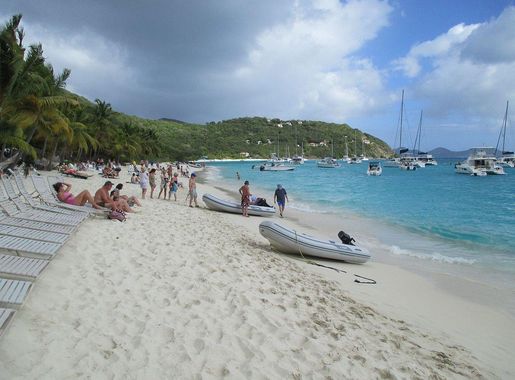
Jost Van Dyke, one of the British Virgin Islands, offers some of the most stunning beaches in the Caribbean. This tiny island, named after a Dutch pirate, is famous for its powdery white sand, crystal-clear waters, and laid-back atmosphere. Whether you're looking to relax on the beach, explore the vibrant sea life, or enjoy some local cuisine, Jost Van Dyke has something for everyone. The most popular beach on the island is White Bay, often hailed as one of the world's best beaches. It's the perfect spot to soak up the sun, swim in gentle waves, and visit the famous beach bars like the Soggy Dollar Bar, known for inventing the Painkiller cocktail. The beach is also perfect for snorkeling, with its colorful coral reefs and abundant marine life. Another must-visit spot is Great Harbour, the island's main port. Here, you'll find a charming blend of local shops, restaurants, and bars. It's a great place to sample fresh seafood and mingle with locals and other tourists. Just a short walk from Great Harbour is Little Harbour, a quieter and more secluded beach, ideal for those seeking tranquility. Jost Van Dyke also offers plenty of opportunities for adventure. You can hike to the Bubbly Pool, a natural rock formation that creates a jacuzzi-like experience when the waves crash in. For a unique experience, visit during Foxy's Old Year's Night Party, one of the most famous New Year's Eve celebrations in the Caribbean.