

Free Rhodopes Travel Guide & Mobile App
Explore Rhodopes with free travel guides. Discover regional history, expert tips, proposed trips, and audio guides on web or mobile app.


Explore Bulgaria's Rhodopes for forested mountains, limestone gorges, traditional villages, Thracian sites, caves and distinctive mountain cuisine.
Read more about Rhodopes
When is the best time to visit Rhodopes?
Best: June–August · 24–27°C| Month | High (°C) | Rainfall (mm) |
|---|---|---|
| January | 4 | 45 |
| February | 5 | 40 |
| March | 10 | 45 |
| April | 14 | 50 |
| May | 19 | 60 |
| June (best) | 24 | 65 |
| July (best) | 27 | 60 |
| August (best) | 27 | 55 |
| September | 22 | 50 |
| October | 16 | 45 |
| November | 9 | 50 |
| December | 4 | 45 |
Getting to and around Rhodopes
How to get there
Transportation
Top city travel guides in Rhodopes
The cities of Rhodopes, and the easiest places to base yourself.

Swipe for more cities
Destinations in Rhodopes
Resorts, valleys and scenic spots worth a trip of their own.
-

-
-

-

-

-


Swipe for more destinations
Best attractions in Rhodopes
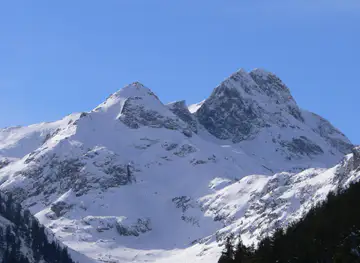
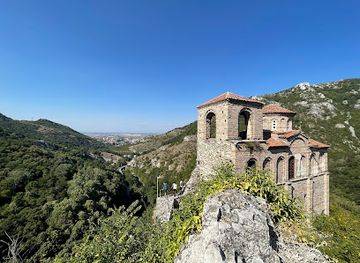
The Bulgarian Rhodopes offer a varied combination of mountain nature, archaeology and living culture. Around Smolyan, visitors can explore a chain of glacial lakes, forest trails and viewpoints, while nearby Pamporovo provides skiing in winter and walking routes in warmer months. The villages of Shiroka Laka and Kovachevitsa preserve traditional stone-and-timber architecture, although Kovachevitsa lies in the western Rhodope area and is best approached as part of a wider itinerary. The Trigrad Gorge, Devil's Throat Cave and Yagodina Cave are among the most dramatic western attractions, while the Wonderful Bridges display the region's limestone geology. Devin combines mineral springs with access to wooded valleys, and Dospat is associated with a large reservoir and highland scenery. In the east, Perperikon, Tatul and the landscapes around Kardzhali bring Thracian archaeology into a warmer, more open setting. Bachkovo Monastery and Asen's Fortress lie at the western edge and foothills of the Rhodope region, making them practical additions from the Plovdiv and Asenovgrad approach. Hiking, birdwatching, caving and cycling are possible, but conditions and access vary by season.
-
Tourist attraction
Yagodinska Cave
Discover the stunning Yagodinska Cave in Bulgaria's Rhodope Mountains, a natural wonder filled with breathtaking formations and rich geological history.
-
Tourist attraction
Devil's Throat Cave
Discover the mesmerizing beauty of Devil's Throat Cave in Trigrad, Bulgaria - a breathtaking natural wonder filled with stunning geological formations.
-
Guest house
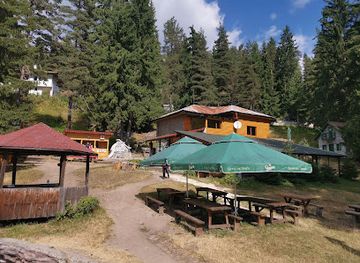
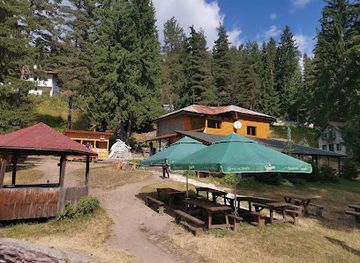
Хижа “Чудните мостове” / Hut “Wonderful Bridges”
Experience Bulgarian hospitality amidst stunning natural rock formations. Hike, dine, and relax at the gateway to the Wonderful Bridges.
-
Observation deck
Eagle's Eye
Discover breathtaking views and serene nature at Eagle's Eye, the must-visit observation deck in Yagodina, Bulgaria.
Best landmarks in Rhodopes
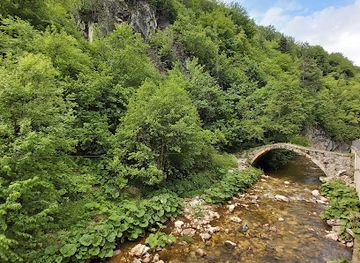
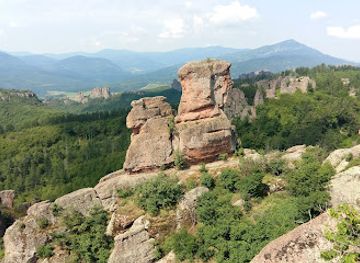
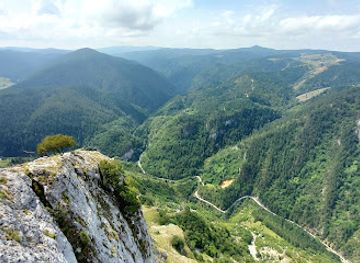
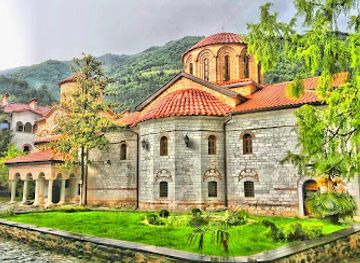
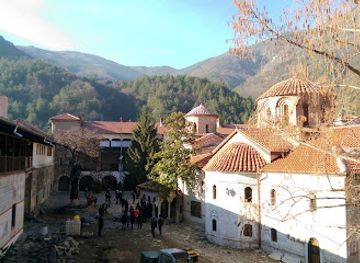
The Rhodopes' most recognisable landmarks range from ancient sanctuaries to dramatic natural formations. Perperikon, a vast Thracian and later medieval archaeological complex near Kardzhali, occupies a rocky hill and illustrates the region's long political and religious importance. The sanctuary at Tatul, also in the eastern Rhodopes, is carved into a rocky outcrop and forms part of the area's distinctive Thracian heritage. In the west, the Trigrad Gorge cuts through high limestone walls, while the Wonderful Bridges are a striking series of natural rock arches near Zabardo. Bachkovo Monastery, at the western foothills, is one of Bulgaria's most important medieval monastic foundations and is known for its churches, frescoes and ossuary. The ruins of Asen's Fortress stand on a rocky height near Asenovgrad, outside the central mountain valleys but closely associated with the western approach to the Rhodopes. Smolyan's valley lakes, Mount Golyam Perelik and the forested ridges around Pamporovo provide geographical landmarks that convey the scale and character of the mountain range.
-
Monastery
Bachkovo Monastery "Uspenie Bogorodichno"
Explore Bulgaria's Bachkovo Monastery: a historic Orthodox treasure nestled in the Rhodope Mountains, showcasing stunning art and serene beauty.
-
National park
Rila National Park
Explore Rila National Park: A Natural Paradise of Majestic Peaks, Glacial Lakes, and Rich Biodiversity in Bulgaria.
-
Tourist attraction
Yagodinska Cave
Discover Bulgaria's Yagodinska Cave: a stunning subterranean world of stalactites, history, and unique cave formations in the Rhodope Mountains.
-
Fortress
Asen's Fortress
Explore Asen's Fortress, a stunning historical site in Bulgaria's Rhodope Mountains, blending breathtaking views with rich medieval heritage.
Explore Rhodopes on the map
Plan your trip on one map. See where the top cities, national parks and sights are, and book hotels and experiences in a few clicks.
Best hotels in Rhodopes
Best restaurants in Rhodopes
Rhodope cooking is hearty, practical and closely connected with mountain agriculture. Patatnik, made principally with grated potatoes and regional variations of herbs, cheese or other ingredients, is the best-known local speciality, while dishes based on beans, potatoes, peppers, mushrooms and dairy products are common in home-style restaurants and guesthouses. Banitsa and other baked pastries appear alongside yoghurt, white brined cheese, cured meats and mountain honey. In the eastern Rhodopes, menus may reflect the area's mixed Christian and Muslim communities, with different approaches to meat, breads and celebratory dishes. Devin and Smolyan have the widest choice of cafés and restaurants, while village dining is often simpler and may require advance arrangements. Look for trout from mountain waters, forest mushrooms when legally and safely sourced, and locally produced herbal teas. Bulgarian wine and rakia are available, but regional identity is expressed more strongly through home cooking, dairy products and mountain produce than through a single protected cuisine.
-
Guest house
Хижа “Чудните мостове” / Hut “Wonderful Bridges”
Discover tranquility at Hut 'Wonderful Bridges', where breathtaking nature meets delightful Bulgarian cuisine in a serene setting.
-
Restaurant
Старата Върба - Девин
Experience authentic Bulgarian cuisine at Старата Върба - Девин with locally sourced ingredients and breathtaking views.
-
Restaurant
Restaurant Rhodope Chanove
Experience authentic Bulgarian cuisine at Restaurant Rhodope Chanove in Sofia - where tradition meets flavor.
-
Restaurant
Happy Duck
Discover the perfect blend of local and international cuisine at Happy Duck in Borovets – where every meal is a delightful adventure.



Best bars in Rhodopes
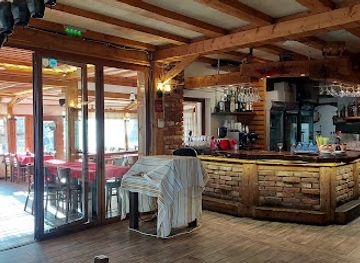
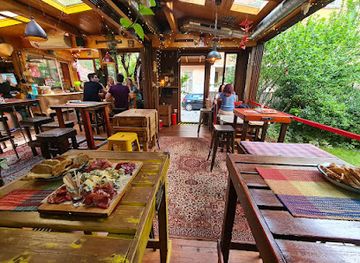
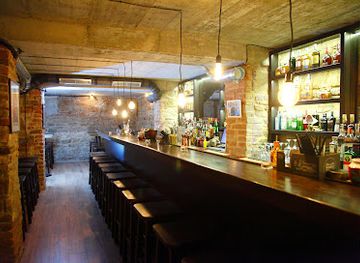
Evening life in the Rhodopes is generally relaxed and small-scale rather than centred on large clubs. Smolyan, Devin, Chepelare and Pamporovo have the broadest selection of hotel bars, cafés, restaurants and seasonal après-ski venues, with activity varying considerably outside winter and summer holidays. In smaller villages, the traditional pub or mehana is more important than a dedicated nightlife district; evenings may focus on food, conversation and occasional live folk music. Some accommodation providers arrange tastings of local drinks or musical performances, but these are often seasonal and should be confirmed in advance. Kardzhali provides a more urban choice of cafés and bars in the eastern part of the region. Visitors should not expect late-night entertainment in remote valleys, where the appeal lies in dark skies, quiet surroundings and early starts for walking or sightseeing.
-
Guest house
Хижа “Чудните мостове” / Hut “Wonderful Bridges”
Explore the natural beauty of Hut 'Wonderful Bridges' in Bulgaria, a stunning destination for nature lovers and adventure seekers.
-
Bar
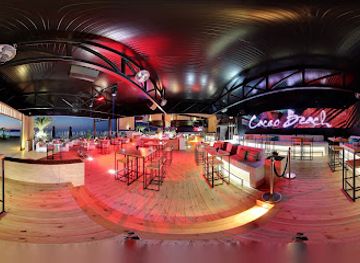
Cacao Beach Club
Experience the vibrant nightlife at Cacao Beach Club, where beachside fun meets electrifying music in Sunny Beach, Bulgaria.
-
Cocktail bar
65 Fireflies
Experience the vibrant cocktail culture at 65 Fireflies in Sofia, where creativity meets a cozy atmosphere in the heart of the city.
-
Cocktail bar
5L Speakeasy bar
Discover Sofia's secret cocktail haven at 5L Speakeasy Bar, where classic charm meets innovative mixology in a cozy atmosphere.
Best nightclubs in Rhodopes
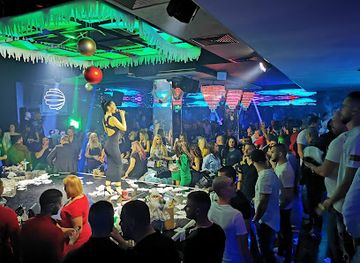
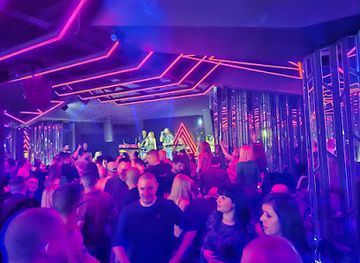
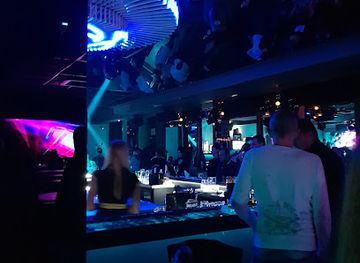
Evening life in the Rhodopes is generally relaxed and small-scale rather than centred on large clubs. Smolyan, Devin, Chepelare and Pamporovo have the broadest selection of hotel bars, cafés, restaurants and seasonal après-ski venues, with activity varying considerably outside winter and summer holidays. In smaller villages, the traditional pub or mehana is more important than a dedicated nightlife district; evenings may focus on food, conversation and occasional live folk music. Some accommodation providers arrange tastings of local drinks or musical performances, but these are often seasonal and should be confirmed in advance. Kardzhali provides a more urban choice of cafés and bars in the eastern part of the region. Visitors should not expect late-night entertainment in remote valleys, where the appeal lies in dark skies, quiet surroundings and early starts for walking or sightseeing.
-
Disco club
Secrets Nightclub
Experience the electrifying nightlife of Stara Zagora at Secrets Nightclub, where music, dance, and unforgettable moments await.
-
Disco club
Paradise Night Club
Dive into the vibrant nightlife of Pazardzhik at Paradise Night Club, where the music never stops and the dance floor awaits your moves.
-
Night club
NightClubTopStars
Dive into the electrifying nightlife of Smolyan at NightClubTopStars, where music, dance, and unforgettable moments await.
-
Night club
Club Pasha | Нощен клуб Пловдив | DJ парти | Алкохолни напитки | Гостуващи изпълнители
Discover the vibrant nightlife of Plovdiv at Club Pasha, where electrifying DJ parties and a lively atmosphere await you.

Best shops in Rhodopes
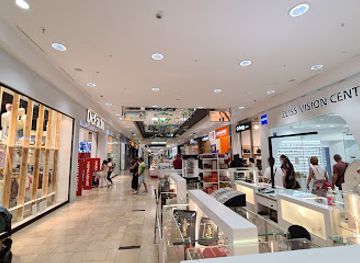
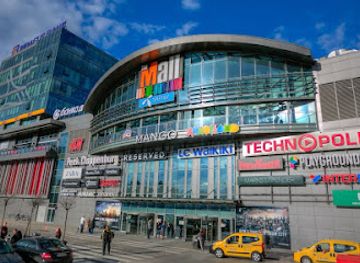
Shopping in the Rhodopes is oriented towards local produce, crafts and practical mountain goods rather than large retail centres. Smolyan, Devin, Kardzhali and Zlatograd have the largest selection of supermarkets, everyday shops and small specialist retailers, while traditional streets and craft workshops in places such as Shiroka Laka offer more distinctive purchases. Look for regional honey, herbal teas, dried mushrooms, jams, dairy products, cured foods and bottles of Bulgarian wine or rakia from reputable producers. Woollen textiles, knitted goods, carved wooden objects, pottery and musical souvenirs inspired by the kaba gaida reflect local craft traditions, though quality and provenance vary. Zlatograd's restored old town has workshops and small shops where visitors can browse traditional products in a historic setting. Village markets are useful for seasonal fruit, vegetables and household goods, but their schedules vary, so ask locally rather than relying on a fixed timetable. Carry cash for small producers and check customs rules before taking animal products, plants or food across international borders.
-
Shopping mall
Serdika Center
Discover the heart of Sofia at Serdika Center, where shopping meets culture in Bulgaria's largest retail destination.
-
Shopping mall
The Mall
Experience the ultimate shopping and entertainment destination at The Mall Sofia, where fashion, food, and fun converge in a vibrant atmosphere.
-
Shopping mall
Mall of Sofia
Explore Mall of Sofia: A premier shopping mall in Bulgaria offering an exceptional blend of shopping, dining, and entertainment for every visitor.
-
Monastery
Bachkovo Monastery "Uspenie Bogorodichno"
Explore the historic Bachkovo Monastery in the Rodopi Mountains, a serene retreat rich in culture and breathtaking natural beauty.
Get your free copy of our complete guide to Rhodopes, delivered straight to you.
Everything on this page, from attractions and restaurants to essentials and local phrases, in one PDF you can read offline, print or share.
Already have an account? Sign in
Your Rhodopes guide is ready.
We'll send it to · Not you? Sign out

Getting your guide ready…
We are putting together a fresh copy of the Rhodopes guide. This can take up to a minute.
This can take a few moments. If your browser asks, choose Allow so the download can start. You'll find the guide in your Downloads folder.
Nothing happened? Download it again
Sorry, the guide is taking longer than usual. Please try again in a minute, or get it by email instead.
Rhodopes essentials
Currency and Payment
Safety
Emergency Situations
Do's and Don'ts
Local Tips
From Eve
Local phrases worth knowing
You don't need to get them perfect. A few words go a long way, and locals appreciate the effort.
Basics
| English | Local | Say it |
|---|---|---|
| Hello | Здравей | [Zdravey] |
| Goodbye | Довиждане | [Dovizhdane] |
| Yes | Да | [Da] |
| No | Не | [Ne] |
| Please/You're welcome | Моля/Няма за какво | [Molya/Nyama za kakvo] |
| Thank you | Благодаря | [Blagodarya] |
| Excuse me/Sorry | Извинете | [Izvinete] |
| How are you? | Как си? | [Kak si?] |
| Fine. And you? | Добре. А ти? | [Dobre. A ti?] |
| Do you speak English? | Говорите ли английски? | [Govorite li angliyski?] |
| I don't understand | Не разбирам | [Ne razbiram] |
Eating & Drinking
| English | Local | Say it |
|---|---|---|
| I'd like to see the menu, please | Искам да видя менюто, моля | [Iskam da vidya menyuto, molya] |
| I don't eat meat | Не ям месо | [Ne yam meso] |
| Cheers! | Наздраве! | [Nazdrave!] |
| I would like to pay, please | Искам да платя, моля | [Iskam da platya, molya] |
Emergencies
| English | Local | Say it |
|---|---|---|
| Help! | Помощ! | [Pomosht!] |
| Go away! | Побягвай! | [Pobyaggvai!] |
| Call the Police! | Викайте полиция! | [Vikayte politsiya!] |
| Call a doctor! | Викайте лекар! | [Vikayte lekar!] |
| I'm lost | Загубих се | [Zagubih se] |
| I'm ill | Болен съм | [Bolen sŭm] |
Shopping
| English | Local | Say it |
|---|---|---|
| I'd like to buy... | Искам да купя... | [Iskam da kupya...] |
| I'm just looking | Просто гледам | [Prosto gledam] |
| How much is it? | Колко струва? | [Kolko struva?] |
| That's too expensive | Това е твърде скъпо | [Tova e tvarde skŭpo] |
| Can you lower the price? | Можете ли да намалите цената? | [Mozhete li da namalite tsenata?] |
Time & Numbers
| English | Local | Say it |
|---|---|---|
| What time is it? | Колко е часът? | [Kolko e chasŭt?] |
| It's one o'clock | Часът е един | [Chasŭt e edin] |
| Half past (10) | Половин (10) | [Polovin (10)] |
| Morning | Сутрин | [Sutrin] |
| Afternoon | Следобед | [Sledobed] |
| Evening | Вечер | [Vecher] |
| Yesterday | Вчера | [Vchera] |
| Today | Днес | [Dnes] |
| Tomorrow | Утре | [Utre] |
| 1 | 1 | [1] |
| 2 | 2 | [2] |
| 3 | 3 | [3] |
| 4 | 4 | [4] |
| 5 | 5 | [5] |
| 6 | 6 | [6] |
| 7 | 7 | [7] |
| 8 | 8 | [8] |
| 9 | 9 | [9] |
| 10 | 10 | [10] |
Transport & Directions
| English | Local | Say it |
|---|---|---|
| Where's a/the...? | Къде е ...? | [Kŭde e ...?] |
| What's the address? | Какъв е адресът? | [Kakav e adresŭt?] |
| Can you show me (on the map)? | Можеш ли да ми покажеш (на картата)? | [Mozhesh li da mi pokazhesh (na kartata)?] |
| When's the next (bus)? | Кога е следващият (автобус)? | [Koga e sledvashtiyat (avtobus)?] |
| A ticket (to ....) | Билет (до ...) | [Bilet (do ...)] |
History of Rhodopes
Thracian Communities and Sacred Landscapes
The Rhodopes were an important heartland of Thracian settlement, with communities using valleys, uplands and mineral-rich areas for farming, stock raising and trade. The ancient world associated the mountains with Orpheus, although the historical figure and later myth belong to a much wider Thracian cultural tradition rather than to one precisely identified village. Archaeological remains around Perperikon, Tatul and other eastern sites show the importance of fortified settlements, sanctuaries and political centres. Finds from the region reveal long-distance contacts with the Aegean and wider Balkan world before Roman rule.
Roman Roads and Imperial Integration
Roman power incorporated the Rhodopes into the provinces of Thrace and later neighbouring administrative units, linking mountain settlements with the larger road network of the Balkans. The Romans were interested in the region's mineral resources, agricultural potential and routes across difficult terrain. Their presence is visible through archaeological remains, fortified sites and traces of communications infrastructure, although the rugged landscape prevented the kind of dense urban development seen in the lowlands. Roman and late antique influences continued to shape settlement patterns and religious life before the political changes of the early medieval period.
Medieval Christian Centres
During the medieval Bulgarian period, the Rhodopes occupied a frontier position between competing political powers and religious spheres. Fortresses and monasteries guarded routes through the mountains, while Christian communities developed around important ecclesiastical centres. Bachkovo Monastery, founded in 1083 by Byzantine military leaders of Georgian origin, became one of the region's most significant religious institutions and later flourished under Bulgarian rule. Medieval fortifications and churches around the mountain valleys reflect the strategic importance of the Rhodopes, where control of passes and trade routes mattered as much as control of towns.
Ottoman Rule and Mountain Communities
The Rhodopes became part of the Ottoman Empire during the late fourteenth century and remained within it for several centuries. The period brought changes in administration, landholding, religious life and patterns of settlement. Muslim communities, including Bulgarian-speaking Pomaks in parts of the mountains, became an enduring element of the region's social landscape, alongside Orthodox Christian populations. Trade, livestock raising, forestry and small-scale crafts continued in the valleys and upland villages. The mixture of religious buildings, customary practices and architectural forms visible today reflects this long and complex period rather than a single cultural inheritance.
National Revival and the Struggle for Education
During the Bulgarian National Revival of the eighteenth and nineteenth centuries, towns and villages in the Rhodopes participated in wider movements for education, literacy, church independence and Bulgarian cultural expression. Schools, reading rooms and churches became important institutions, while merchants and craftsmen connected mountain communities to markets beyond the range. Places such as Shiroka Laka retain architectural evidence from this period, particularly large houses designed for both family life and local trade. The revival transformed cultural and educational aspirations before the political changes that followed the Russo-Turkish War and the creation of modern Bulgaria.
Forestry, Mining and Industrial Development
In the twentieth century, forestry, mining, hydroelectricity and road building altered the Rhodopes' economy and settlement pattern. Timber extraction became especially important in the heavily wooded western mountains, while lead and zinc mining shaped parts of the eastern region around Kardzhali and Madan. Reservoir construction changed river valleys and created new landscapes used for fishing, recreation and water management. State-supported industrialisation brought employment and infrastructure, but it also encouraged migration towards larger towns. The legacy remains visible in working settlements, forest roads, dams and former industrial sites across the range.
Modern Mountain Tourism
Tourism expanded significantly during the later twentieth century, particularly around Pamporovo, which developed as a winter sports resort, and in spa destinations such as Devin. Roads, guesthouses and visitor facilities opened access to caves, gorges, lakes and traditional villages, while cultural interest in Rhodope music and architecture strengthened the region's identity as a distinctive Bulgarian destination. Today the economy combines tourism with forestry, agriculture, food production and services. Rural depopulation and seasonal employment remain important challenges, making responsible travel and support for locally owned accommodation especially relevant.
Rhodopes in Photos
Browse through our photo collection highlighting the charm and character of the destination.
Neighbouring regions of Rhodopes
The closest regions to Rhodopes, if you have time for more than one.
-

-

-

-

-


Swipe for more regions
Explore more

Explore more of Bulgaria
Explore Bulgaria: From Sofia's bustling streets to the serene mountains and stunning Black Sea beaches, discover the rich history, culture, and natural beauty of Bulgaria.
Explore Bulgaria