
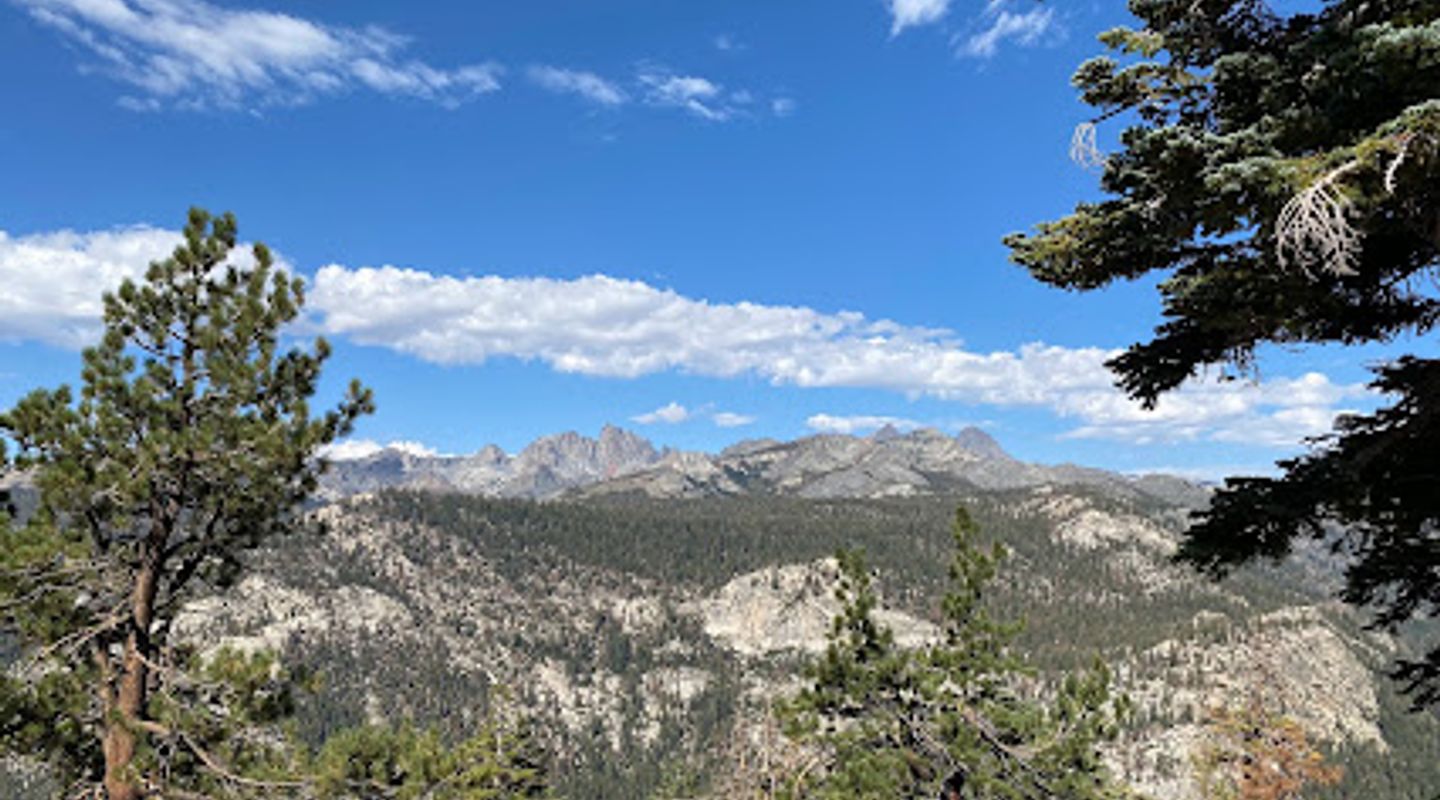
Devil’s Postpile Scenic Route, Mammoth Lakes Travel Guide
Discover a geological wonder in the heart of the Sierra Nevada: Explore the unique basalt columns of Devils Postpile and the stunning Rainbow Falls near Mammoth Lakes.
Devils Postpile National Monument, nestled in the Sierra Nevada near Mammoth Lakes, California, protects a remarkable geological formation and stunning natural beauty. The monument's centerpiece, the Devils Postpile, is a striking wall of basalt columns formed by cooling lava flows over 100,000 years ago. Glacial activity later exposed and polished these unique hexagonal columns, creating a rare and captivating sight. Visitors can explore the Postpile up close via an easy trail and hike to the top for a unique perspective. The monument also boasts Rainbow Falls, a powerful 101-foot waterfall, and access to the Ansel Adams Wilderness, offering endless opportunities for hiking and outdoor adventure. Whether you're a geology enthusiast, a nature lover, or simply seeking breathtaking scenery, Devils Postpile National Monument promises an unforgettable experience.
A brief summary to Devil’s Postpile Scenic Route
- 56 Devils Postpile Rd, Mammoth Lakes, California, 93546, US

Know before you go
Hi, I'm Eve. Here are a few practical things to know before exploring Devil’s Postpile Scenic Route.
- During peak season, arrive early at the Mammoth Mountain Adventure Center to secure your shuttle tickets and avoid long lines. Reservations are highly recommended.
- Consider hiking to Rainbow Falls for a rewarding experience. The 5-mile roundtrip hike offers stunning views and the chance to witness the waterfall's vibrant rainbows.
- Bring layers of clothing, as the weather in the Sierra Nevada can change rapidly. Be prepared for both warm sunshine and sudden thunderstorms.
- If you're planning to hike in the Ansel Adams Wilderness, obtain a wilderness permit in advance and be aware of bear safety guidelines. Store food properly and carry bear spray.
- Take the short but steep trail to the top of the Devils Postpile for a unique perspective of the hexagonal columns and the surrounding landscape.
Do you manage this location?
Take control to get all the benefits, like improved information, better appearance, and stronger visibility across AI-powered discovery. Learn more about listing your business on Evendo
Activate your presenceOther nearby places you may find interesting
The closest places of the same kind, if this one is not quite what you had in mind.
Explore Devil’s Postpile Scenic Route on the Map
A handpicked selection of must-see spots near Devil’s Postpile Scenic Route, mapped for you.
Getting There
-
Shuttle Bus
During the summer months (typically mid-June to early September), access to Devils Postpile National Monument is primarily via the mandatory Reds Meadow Shuttle. From Mammoth Lakes, head to the Mammoth Mountain Adventure Center near the Main Lodge. Purchase shuttle tickets here; a 5-hour pass costs $15 for adults and $7 for children (ages 3-15). Infants under 2 are free. The shuttle departs regularly from the Adventure Center and takes you to various stops within the Reds Meadow Valley, including the Devils Postpile Trailhead (Stop 6). Remember that tickets originating in the valley are only available from the driver on a first-come, first-served basis and must be purchased with cash, exact change only.
-
Driving
Outside of the shuttle operating season, you can drive directly to the monument. From Mammoth Lakes, take Highway 203 (Minaret Road) towards Mammoth Mountain. Continue past the Main Lodge and follow the signs for Devils Postpile. Be aware that the road is narrow and winding with some steep sections. A $10 standard amenity fee per vehicle is required upon entry at the Minaret Vista Entrance Station. Parking at the Devils Postpile Trailhead is limited and fills up quickly, especially on weekends. Arrive early or later in the afternoon for a better chance of finding a spot. Overnight parking is available for backpackers with permits.
Discover more about Devil’s Postpile Scenic Route
More to explore near Devil’s Postpile Scenic Route













Your all‑in‑one travel companion app
Explore expert travel guides, compare and book tours, experiences, hotels, and more—all from the palm of your hand. Download now for seamless trip planning wherever your wanderlust takes you.


Explore More of Mammoth Lakes
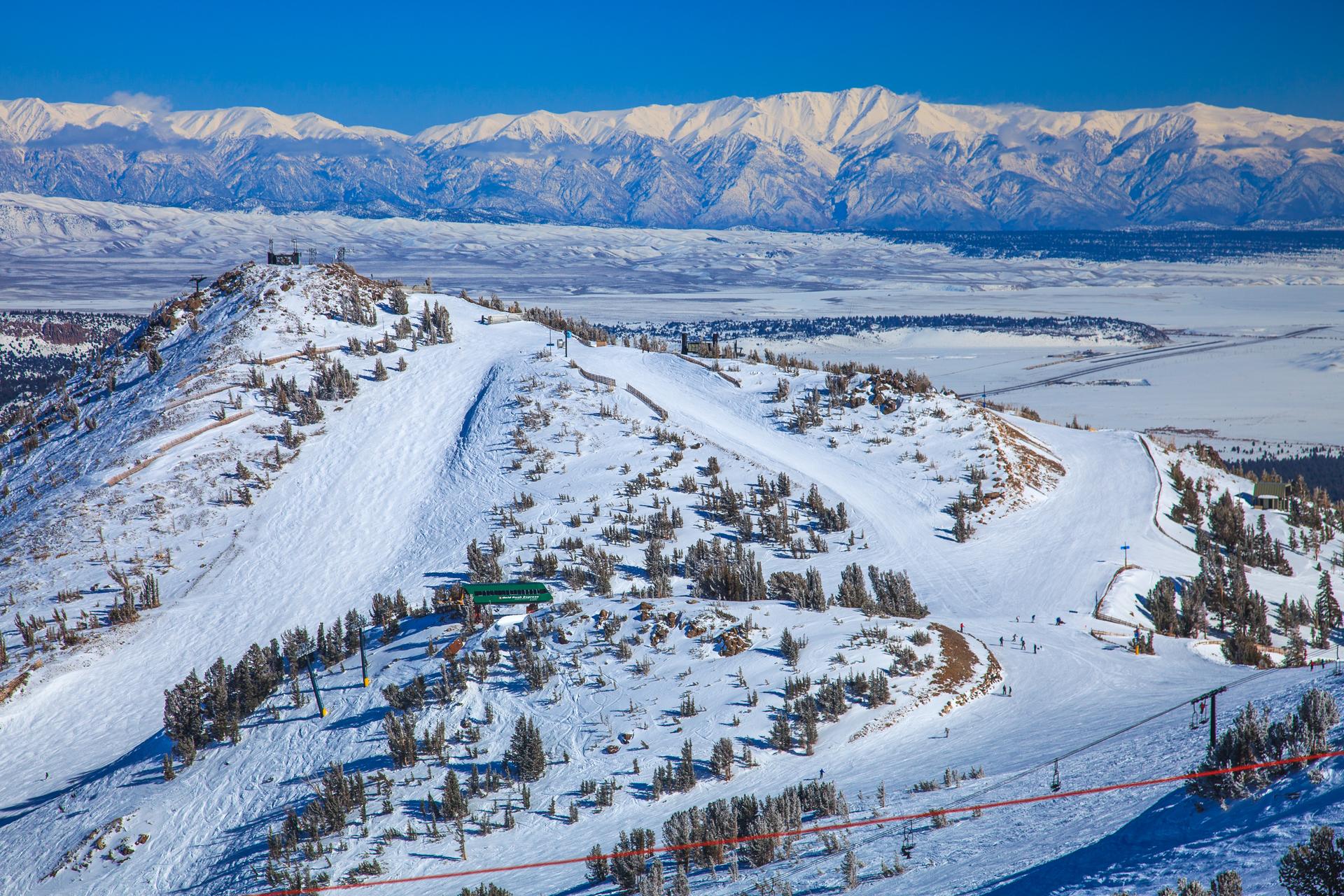
Looking beyond Devil’s Postpile Scenic Route? Discover Mammoth Lakes for broader travel guides, local hot-spots, and regional highlights.
Explore Mammoth Lakes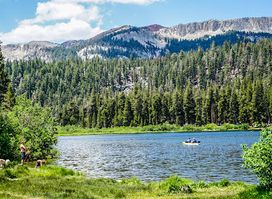
Experience the majesty of the Sierra Nevada at Mammoth Mountain, a year-round destination for outdoor adventure, stunning scenery, and unforgettable memories in the heart of California.
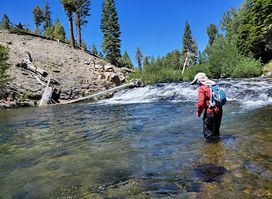
Escape to Minaret Falls Campground in Reds Meadow Valley for a rustic Sierra Nevada camping experience, surrounded by stunning scenery and outdoor adventures.
