Earthquake Fault: A Geological Wonder
Explore a unique geological fissure near Mammoth Lakes, a testament to the region's volcanic past and the powerful forces that shape our planet, offering an easy and educational outdoor experience.
The Earthquake Fault near Mammoth Lakes is a striking geological fissure, misnamed as it's technically a fracture rather than a fault. This impressive split in the earth, up to 60 feet deep and 10 feet wide, formed approximately 600 years ago during a period of intense volcanic activity. Visitors can explore this natural wonder via a short, accessible interpretive trail that winds through a forest of old-growth red fir and Jeffrey pine. The area offers picnic facilities and restrooms, making it a convenient and educational stop for all ages. While in Mammoth Lakes, don't miss this chance to witness the powerful forces that have shaped the Eastern Sierra landscape, a testament to the region's dynamic geological history. It's an easy and awe-inspiring experience, perfect for families and geology enthusiasts alike.
A brief summary to Earthquake Fault
- 7 Minaret Rd, Mammoth Lakes, California, 93546, US
- +1760-873-2400
- Visit website
- Monday 12 am-12 am
- Tuesday 12 am-12 am
- Wednesday 12 am-12 am
- Thursday 12 am-12 am
- Friday 12 am-12 am
- Saturday 12 am-12 am
- Sunday 12 am-12 am
Local tips
- Visit during mid-summer to late fall for the best weather and snow-free trails.
- Stay hydrated and take it easy due to the high altitude (8,600 feet).
- Combine your visit with a hike on the nearby Mountain View Trail for stunning vistas.
- Check current conditions at the Mammoth Lakes Welcome Center before heading out.

Getting There
-
Driving
From the town of Mammoth Lakes, head west on State Route 203 (Main Street) towards Mammoth Mountain. Continue for approximately 1.5 miles past the Village at Mammoth. Look for a well-marked turnoff to a paved parking area on the right-hand side of the road. The Earthquake Fault parking area is free. Limited parking is available, especially during peak season. During winter, the parking area may not be maintained, requiring access via snowshoes or cross-country skis.
-
Public Transport
Mammoth Lakes offers a free local transit system (Eastern Sierra Transit Authority - ESTA). Check the ESTA website or app for the most up-to-date routes and schedules. Take the appropriate ESTA route heading towards Mammoth Mountain and disembark at the closest stop to the Village at Mammoth. From there, it's approximately a 1.5-mile walk west on State Route 203 to the Earthquake Fault turnoff. Consider using a taxi or ride-sharing service for the final leg if walking is not preferred. Taxi/ride-share cost from the Village to the Earthquake Fault is estimated at $15-$25.
Discover more about Earthquake Fault
Iconic landmarks you can’t miss

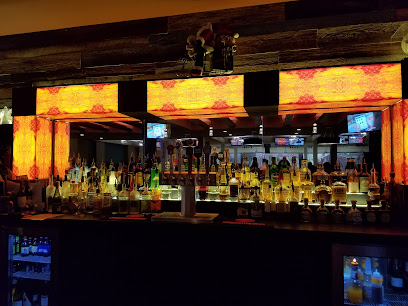
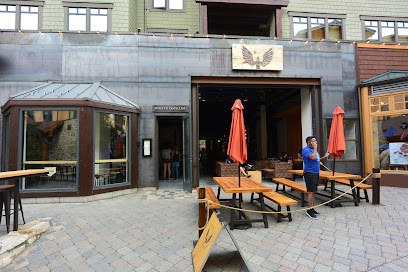
Shelter Distilling
1.4 km
Discover Shelter Distilling in Mammoth Lakes - a unique blend of handcrafted spirits and delicious tapas in a breathtaking mountain setting.
Mammoth Lakes, CA 93546
2.7 km
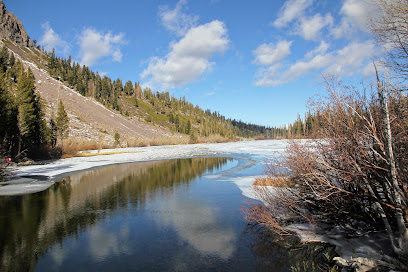
Explore Mammoth Lakes, CA - a year-round adventure destination with stunning mountains, pristine lakes, and endless outdoor activities.
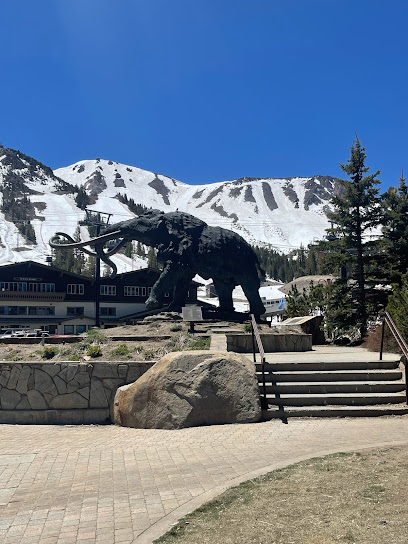
Mammoth Mountain Statue
3.3 km
Discover the historic Mammoth Mountain Statue, a stunning landmark surrounded by breathtaking landscapes and adventure opportunities in Mammoth Lakes, California.
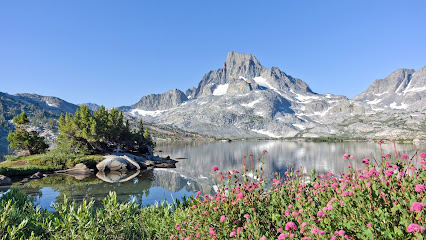
Ansel Adams Wilderness
26.6 km
Explore the breathtaking Ansel Adams Wilderness in California's Sierra Nevada, a paradise for nature lovers and adventure seekers.
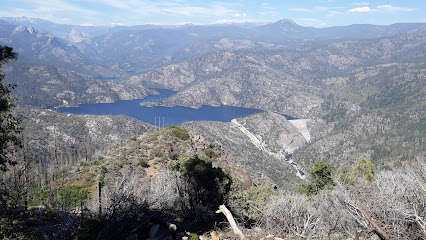
Sierra National Forest
39.8 km
Discover breathtaking mountain scenery and abundant natural resources in the Sierra National Forest, a year-round outdoor paradise in the heart of California's Sierra Nevada.
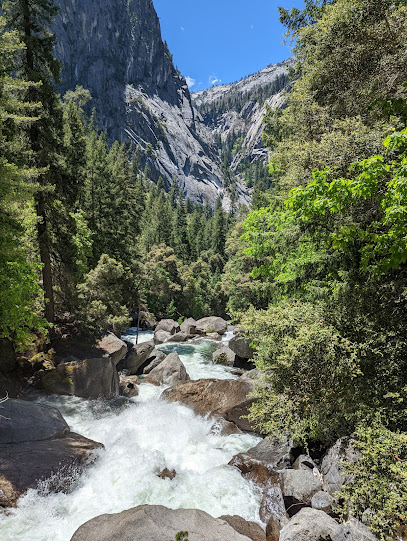
Vernal Falls Footbridge
49.2 km
Hike the iconic Mist Trail to Vernal Fall Footbridge for breathtaking views of Yosemite's powerful waterfall and stunning granite landscape.
Mono Lake Vista Point
49.3 km
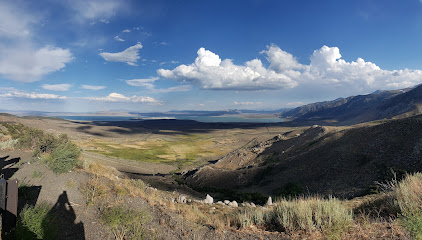
Experience the breathtaking beauty of Mono Lake from this easily accessible vista point, offering panoramic views of tufa towers, the Mono Basin, and the Sierra Nevada.
Curry Village
51.1 km
Experience Yosemite Valley's charm at Curry Village: lodging, dining, activities, and stunning views beneath Glacier Point.

The Ahwahnee
51.5 km
Experience Yosemite's grandeur at the Ahwahnee Hotel, a historic landmark offering luxury, stunning views, and a connection to the park's natural beauty.
Yosemite Conservation Heritage Center
51.8 km
Discover Yosemite's past and the Sierra Club's legacy at this historic landmark, offering exhibits, a library, and conservation insights.
Housekeeping Camp
51.9 km
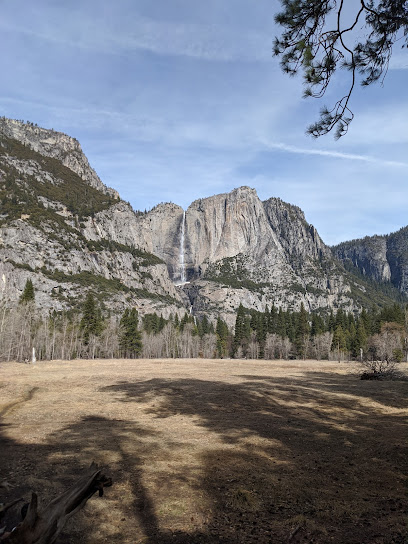
Experience Yosemite's beauty with a touch of comfort at Housekeeping Camp, offering rustic lodging and stunning views in the heart of Yosemite Valley.
Sentinel Dome
52.0 km
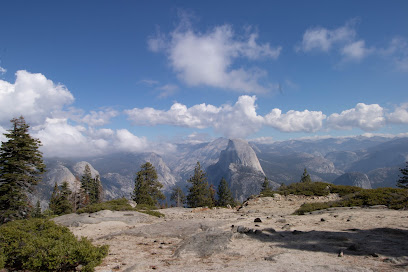
Hike to Yosemite's Sentinel Dome for panoramic views of Half Dome, El Capitan, and iconic landmarks. An unforgettable vista awaits!
Yosemite Valley Welcome Center
52.4 km
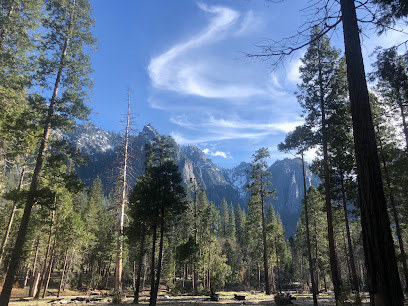
Start your Yosemite adventure at the Welcome Center: expert advice, maps, and resources for exploring this iconic national park.
Yosemite Wilderness Center
52.6 km
Your first stop for Yosemite wilderness adventures: permits, maps, and expert advice in the heart of Tuolumne Meadows.
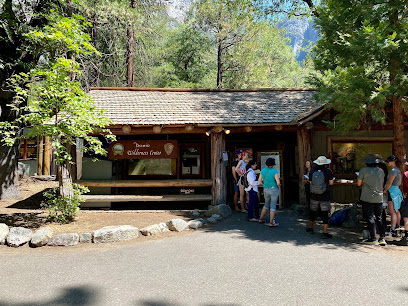
The Ansel Adams Gallery
52.7 km
Experience the timeless beauty of Yosemite through the lens of Ansel Adams at his family's historic gallery in Yosemite Valley.
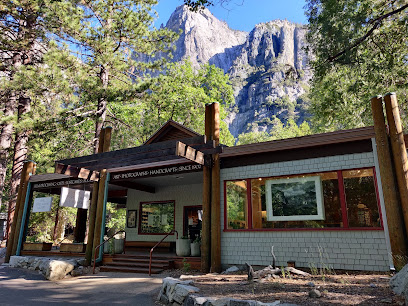
Unmissable attractions to see

Camp High Sierra
1.8 km
Discover a historic family campground in Mammoth Lakes, offering rustic cabins, tent & RV sites, and a central location for exploring the Eastern Sierra's outdoor adventures.
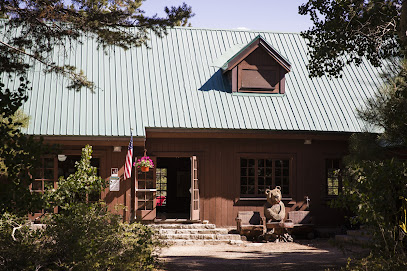
Mammoth Mountain Ski Area
2.8 km
Experience the thrill of Mammoth Mountain, California's premier year-round alpine destination, offering world-class skiing, snowboarding, hiking, and breathtaking scenery in the Eastern Sierra Nevada.
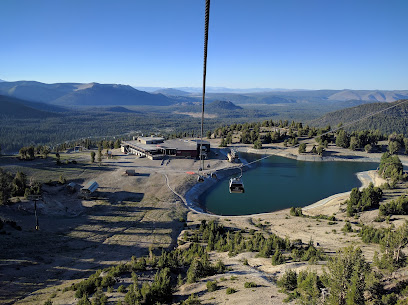
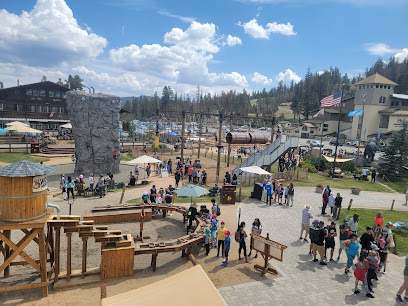
Adventure Center
3.3 km
Experience year-round adventure at Mammoth Adventure Center: family-friendly activities, mountain access, and stunning views in the heart of the Eastern Sierra.
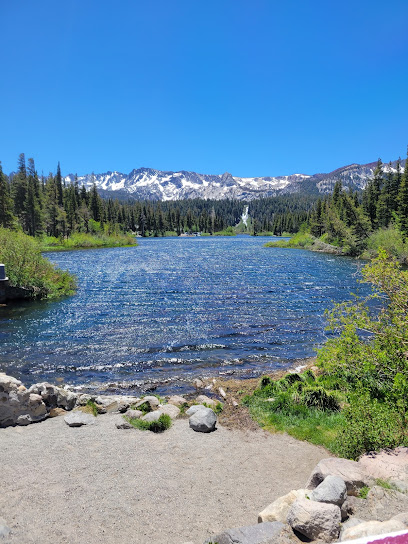
Twin Lakes Vista
3.3 km
Discover the stunning beauty of Twin Lakes Vista, a scenic spot in Mammoth Lakes, CA, offering breathtaking views and outdoor adventures in nature's paradise.
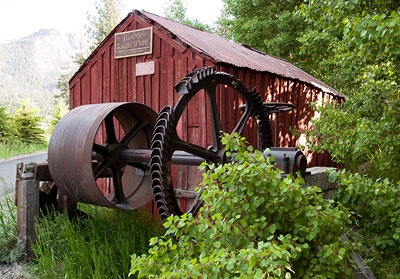
Knight Wheel (Historical Landmark)
3.3 km
Discover the Knight Wheel in Mammoth Lakes, a captivating historical landmark showcasing the rich heritage of California's scenic beauty.
Old Shady Rest Campground
3.4 km
Experience classic camping in Mammoth Lakes: Old Shady Rest Campground offers a serene escape amidst Jeffrey pines, close to town and Sierra adventures.
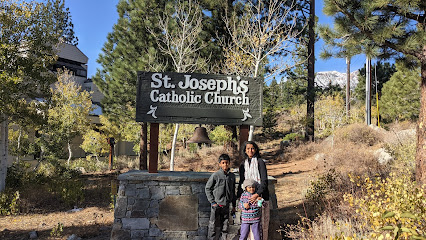
St. Joseph Church
3.4 km
Find serenity and spiritual connection at St. Joseph Church in Mammoth Lakes, a welcoming mountain sanctuary serving Mono County with diverse services and community outreach.
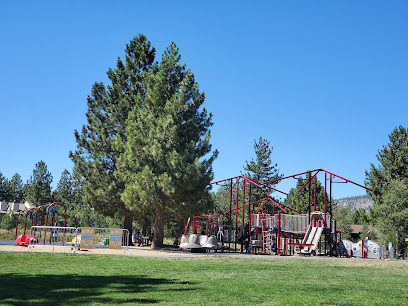
Mammoth Creek Park
3.5 km
Escape to Mammoth Creek Park: A scenic creekside haven with mountain views, picnic spots, and recreational trails, perfect for year-round outdoor adventures in Mammoth Lakes.
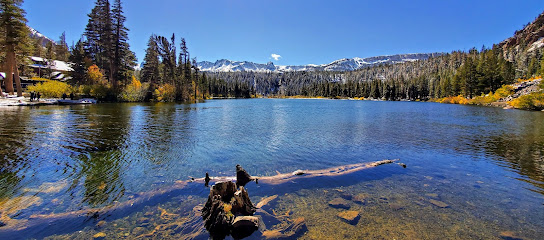
Mammoth Lakes Welcome Center
3.6 km
Discover the Mammoth Lakes Welcome Center - your ultimate guide to exploring California's breathtaking Eastern Sierra region.
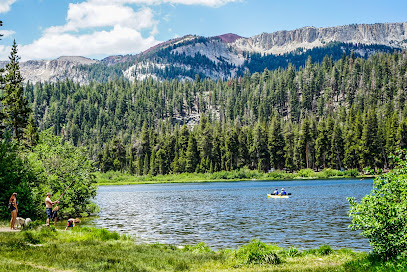
Mammoth Mountain
3.8 km
Experience the majesty of the Sierra Nevada at Mammoth Mountain, a year-round destination for outdoor adventure, stunning scenery, and unforgettable memories in the heart of California.
Upper Panorama Gondola Building
3.8 km
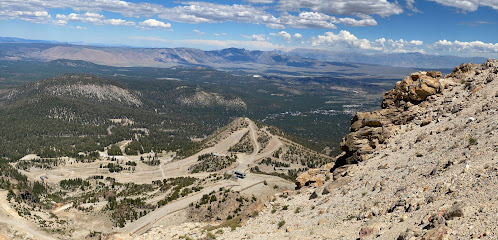
Ascend to the summit of Mammoth Mountain via the Upper Panorama Gondola for breathtaking views, mountaintop dining, and a unique high-altitude experience in the Sierra Nevada.
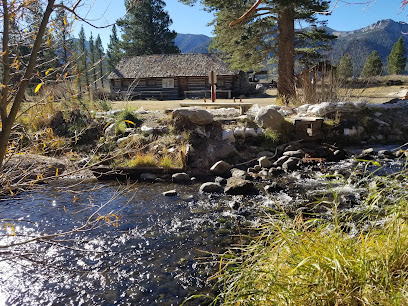
Mammoth Museum at the Hayden Cabin
3.9 km
Discover Mammoth Lakes' rich history at the Mammoth Museum, housed in the historic Hayden Cabin, with exhibits, events, and a serene creekside setting that brings the past to life.
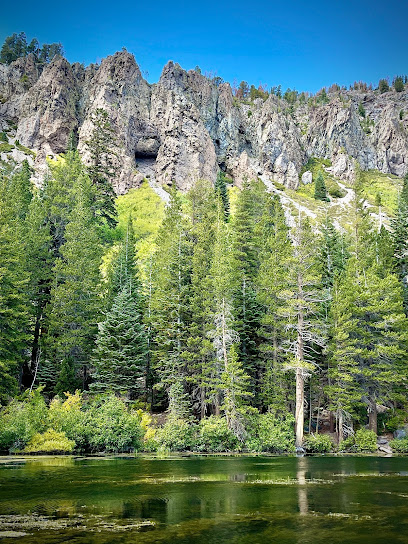
Hole in the Wall
3.9 km
Discover Hole in the Wall near Mammoth Lakes: a geological wonder and backcountry ski adventure offering thrilling descents and stunning Sierra Nevada views for experienced adventurers.
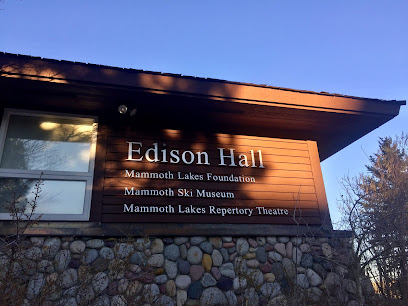
Mammoth Ski Museum
4.0 km
Discover 500 years of skiing history at the Mammoth Ski Museum, home to the Beekley Collection, showcasing vintage photos, equipment, and the film 'Mammoth Dreams.'
Twin Lakes
4.0 km
Discover Twin Lakes in Mammoth Lakes: A stunning alpine escape offering year-round recreation, breathtaking scenery, and a rich history in the heart of the Sierra Nevada.
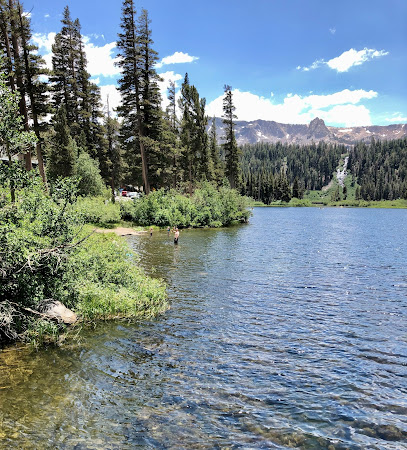
Essential places to dine

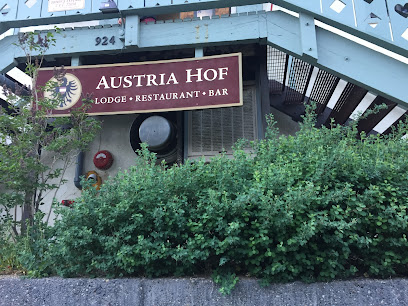
Austria Hof Restaurant
0.7 km
Experience authentic Austrian flavors at Austria Hof Restaurant in Mammoth Lakes—where delightful cuisine meets stunning mountain views.
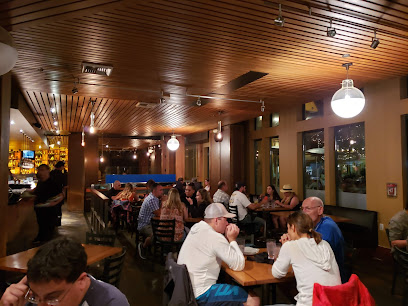
Smokeyard BBQ and Chop Shop
1.3 km
Discover delicious barbecue delights at Smokeyard BBQ and Chop Shop in Mammoth Lakes - where flavor meets adventure in every bite.
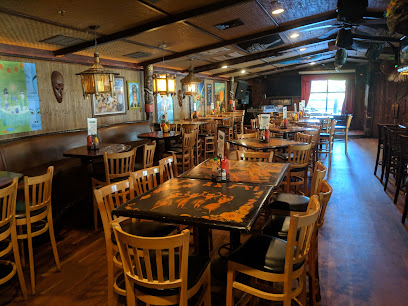
Lakanuki
1.3 km
Discover Lakanuki in Mammoth Lakes: A vibrant grill and pub offering delicious food and drinks amidst breathtaking mountain scenery.
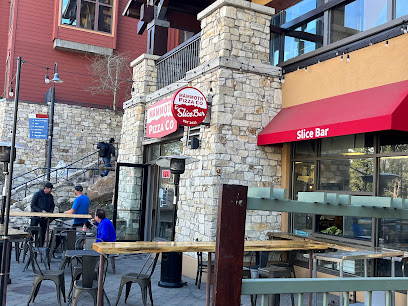
Mammoth Pizza Co & Slice Bar
1.4 km
Indulge in gourmet pizzas at Mammoth Pizza Co & Slice Bar in The Village at Mammoth - perfect for adventurers seeking delicious flavors.
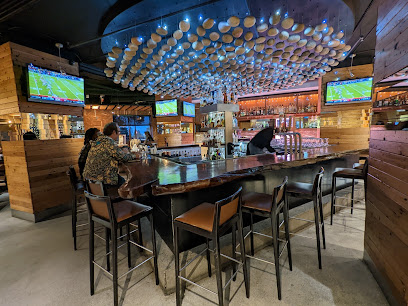
Whitebark Restaurant & Lounge In The Westin Hotel
1.4 km
Experience exquisite fine dining at Whitebark Restaurant & Lounge in Mammoth Lakes with stunning mountain views and seasonal culinary delights.
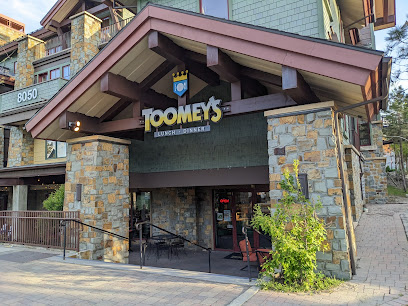
Toomey's
1.5 km
Experience the flavors of America at Toomey's in Mammoth Lakes - where fresh ingredients meet warm hospitality.
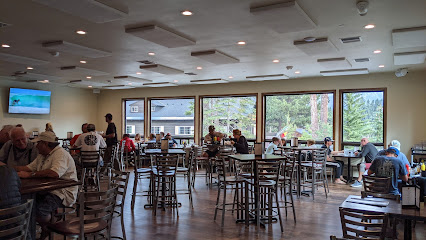
Burgers Restaurant
1.5 km
Discover gourmet hamburgers amidst stunning mountain views at Burgers Restaurant in Mammoth Lakes.
Petra's Bistro & Wine Bar
1.5 km
Discover exquisite dining and fine wines at Petra's Bistro & Wine Bar in beautiful Mammoth Lakes - where every meal is a celebration.
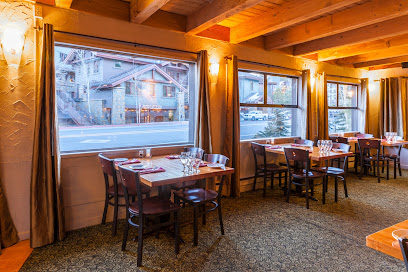
Skadi
1.6 km
Discover culinary excellence at Skadi, where modern European cuisine meets the stunning backdrop of Mammoth Lakes.
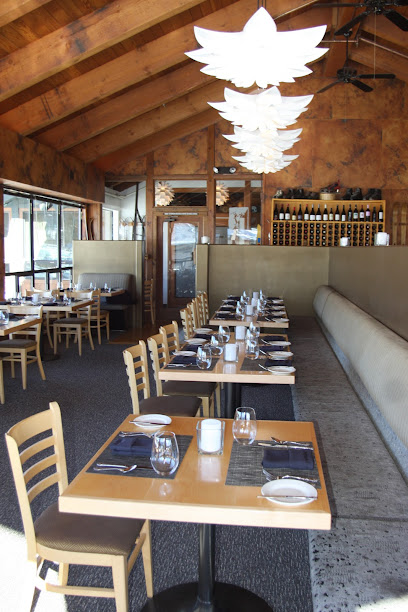
The Eatery at Mammoth Brewing Company
1.6 km
Discover culinary delights and craft brews at The Eatery at Mammoth Brewing Company in scenic Mammoth Lakes.
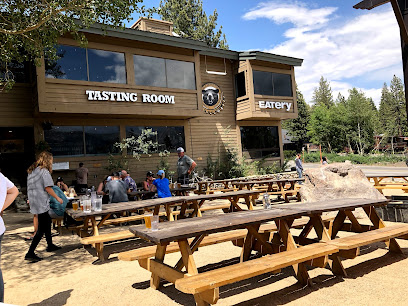
The Loco Frijole
2.1 km
Experience authentic Mexican cuisine at The Loco Frijole in Mammoth Lakes - where every dish is a celebration of flavor.
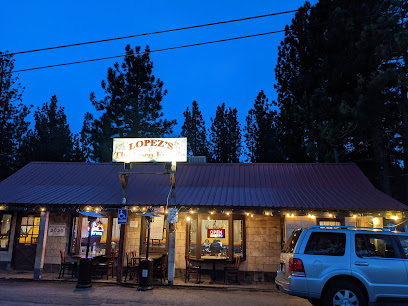
Fowl Language
2.1 km
Experience American comfort food at Fowl Language in Mammoth Lakes—a cozy bar and grill perfect for breakfast, lunch, and dinner.
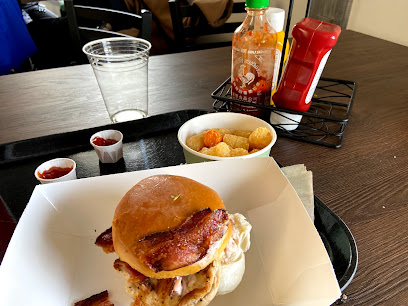
The Mill
2.3 km
Experience delicious American cuisine and barbecue at The Mill in Mammoth Lakes – where great food meets breathtaking mountain views.
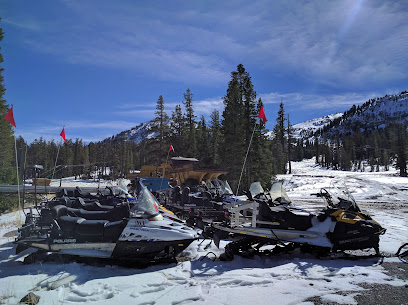
Morrison's Restaurant and Bar
2.4 km
Experience delightful New American cuisine at Morrison's Restaurant and Bar in Mammoth Lakes – perfect for families and food lovers alike!
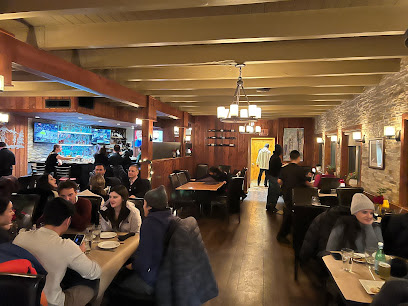
John's Pizza Works
2.4 km
Discover Mammoth Lakes' culinary gem at John's Pizza Works - where pizza dreams come true!
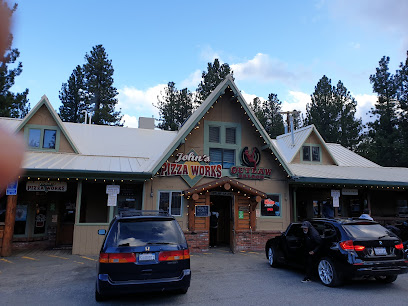
Markets, malls and hidden boutiques

Mammoth Sports - The Village
1.3 km
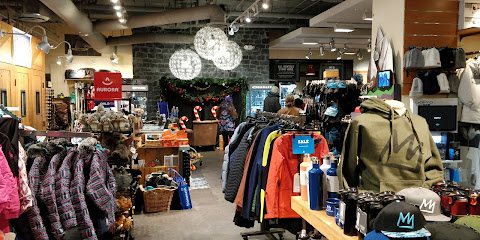
Explore Mammoth Sports - The Village for top-notch ski and snowboard gear, stylish clothing, and expert advice in the heart of Mammoth Lakes.
McCoy's
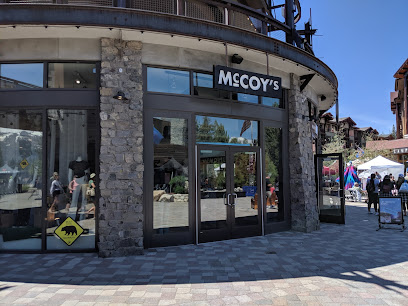
1.4 km
Discover stylish clothing for men and women at McCoy's in Mammoth Lakes, the perfect blend of fashion and outdoor adventure.
Alpine Approach
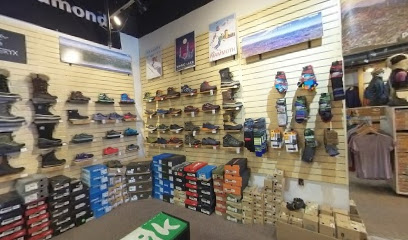
1.4 km
Explore the great outdoors with top-notch gear and expert advice at Alpine Approach in Mammoth Lakes, California.
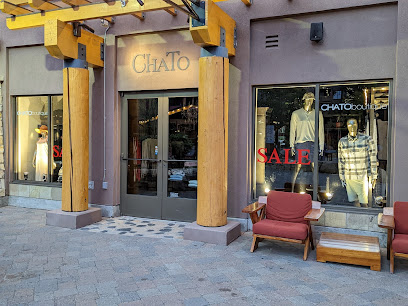
CHATO boutique
1.4 km
Explore unique mountain-inspired fashion at CHATO Boutique, a must-visit clothing store in Mammoth Lakes, perfect for stylish travelers.
Mammoth Shirt Co.
1.4 km
Discover unique souvenirs and apparel at Mammoth Shirt Co., the perfect gift shop in the heart of Mammoth Lakes, California.
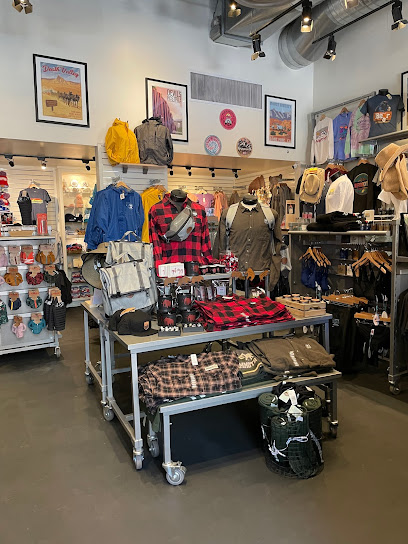
Busy Beez General Store
1.4 km
Discover the charm of Busy Beez General Store, your go-to spot for groceries, candies, and local beers in Mammoth Lakes, California.
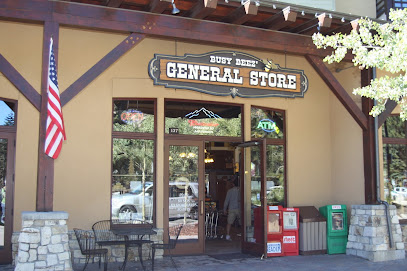
The Village At Mammoth
1.4 km
Discover The Village At Mammoth: A charming shopping destination in the heart of California's breathtaking Mammoth Lakes, perfect for all adventurers.
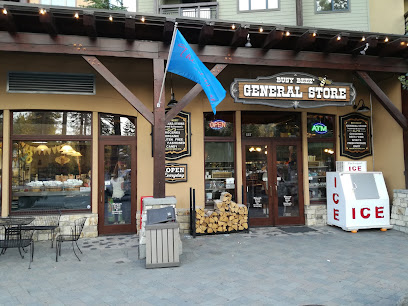
Mammoth Memories
1.4 km
Explore Mammoth Memories: Your ultimate gift shop for unique souvenirs and local treasures in Mammoth Lakes, California.
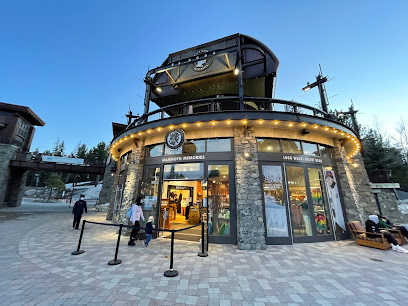
Red Rooster Shopping Center
2.4 km
Experience the charm and variety of shopping at Red Rooster Shopping Center in Mammoth Lakes, California – a perfect blend of local flair and retail therapy.
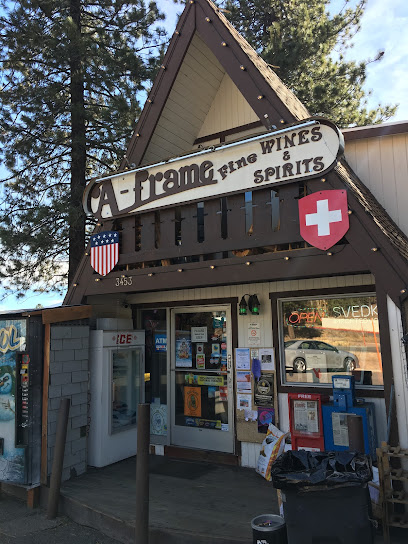
A-Frame Fine Wines & Spirits
2.5 km
Explore a diverse selection of fine wines, craft beers, and spirits at A-Frame Fine Wines & Spirits in Mammoth Lakes, California.
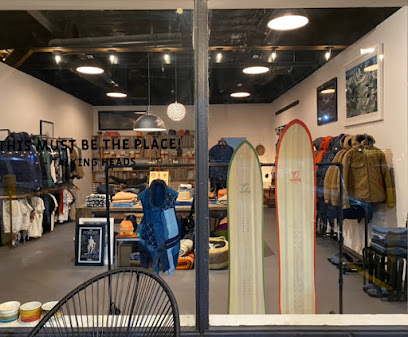
The Cactus & The Hawk
2.5 km
Explore the eclectic charm of The Cactus & The Hawk, where vintage meets trendy in Mammoth Lakes, offering unique clothing, home goods, and books.
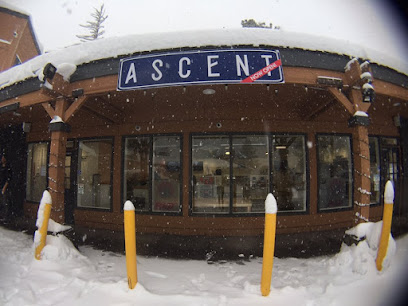
ASCENT Cannabis Dispensary & Delivery Mammoth Lakes
2.5 km
Discover quality cannabis products and a welcoming atmosphere at ASCENT Cannabis Dispensary & Delivery in Mammoth Lakes, California.
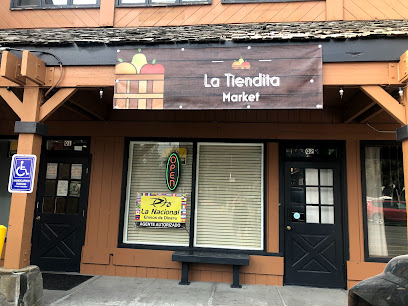
La Tiendita
2.5 km
Experience the best of local flavors at La Tiendita, your go-to grocery store in the heart of Mammoth Lakes, California.
Summit 93546
2.6 km
Discover top-notch outdoor clothing and equipment at Summit 93546 in Mammoth Lakes, California - your adventure starts here!
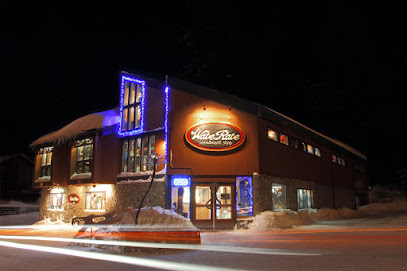
Wave Rave Snowboard Shop
2.9 km
Explore the ultimate snowboard shop in Mammoth Lakes with expert gear, community events, and quality service for every level of rider.
Essential bars & hidden hideouts

Grizzly Bar
1.0 km
Experience the warmth and charm of Grizzly Bar, a cozy destination in Mammoth Lakes offering delicious American cuisine and refreshing drinks.
Side Door Wine Bar & Cafe
1.3 km
Discover the perfect blend of exquisite wines and delightful cuisine at Side Door Wine Bar & Cafe in Mammoth Lakes, California.
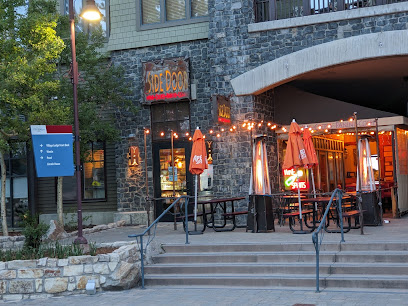
Clocktower Cellar
1.5 km
Discover the charm of Clocktower Cellar, a cozy bar and restaurant in Mammoth Lakes, offering fine wines, delicious food, and a warm atmosphere.
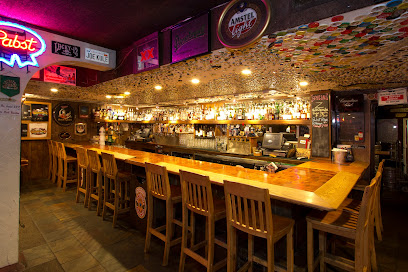
Mammoth Brewing Company
1.6 km
Experience the best of Mammoth Lakes at Mammoth Brewing Company, where craft beer meets breathtaking scenery and great food.
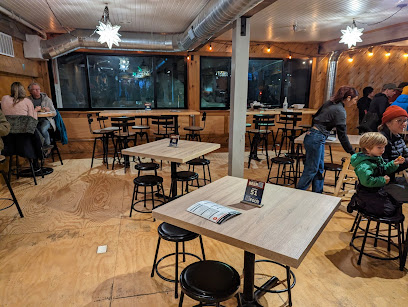
Salsa's
1.9 km
Experience the vibrant nightlife at Salsa's in Mammoth Lakes, offering a fantastic drink selection and lively atmosphere amidst breathtaking mountain views.
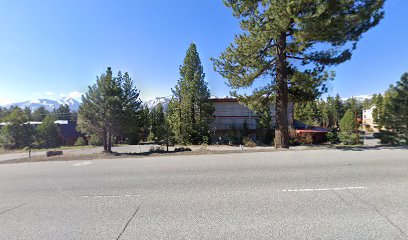
Liberty Sports Bar and Grill
2.5 km
Experience the best of American cuisine and lively sports atmosphere at Liberty Sports Bar and Grill in Mammoth Lakes.
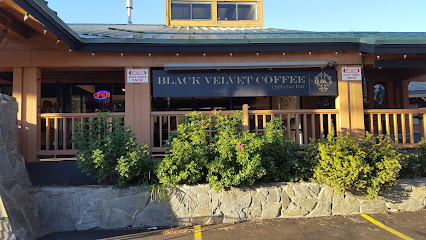
Black Velvet Coffee Roaster | Espresso & Wine Bar
2.6 km
Discover Black Velvet Coffee Roaster, a delightful espresso bar in Mammoth Lakes offering artisanal coffees and exquisite wines in a cozy atmosphere.
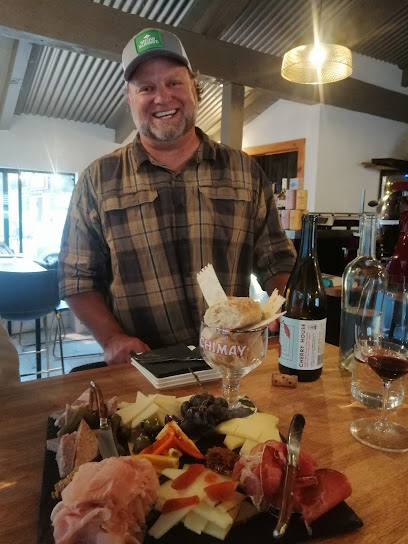
The Shed | Wine & Charcuterie
2.7 km
Experience the perfect blend of exquisite wines and artisanal charcuterie at The Shed | Wine & Charcuterie in Mammoth Lakes, CA.
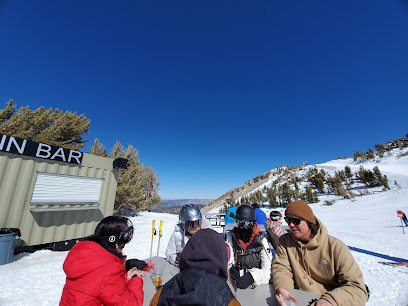
Basin Bar
2.7 km
Unwind at Basin Bar in Mammoth Lakes, where friendly vibes and local brews blend seamlessly for an unforgettable après-adventure experience.
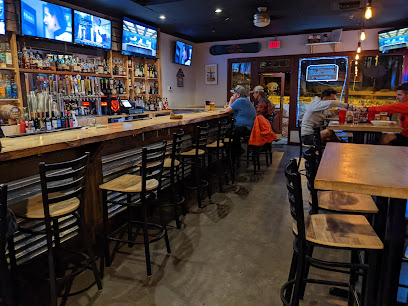
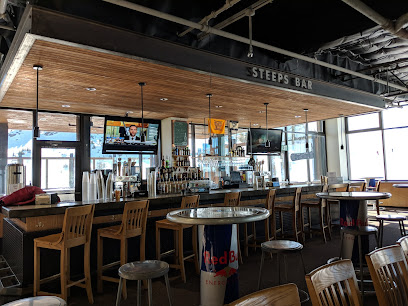
Steeps Bar
2.9 km
Discover Steeps Bar in Mammoth Lakes for a cozy atmosphere, delicious American cuisine, and stunning mountain views, perfect for any traveler.
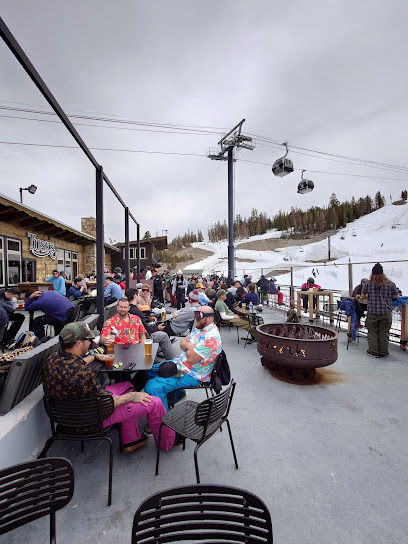
Tusks Bar
3.2 km
Experience the vibrant atmosphere of Tusks Bar in Mammoth Lakes, where live music and sports create an unforgettable experience.
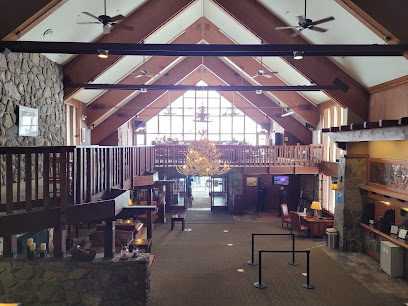
Dry Creek Bar
3.4 km
Discover unique cocktails and cozy lodging at Dry Creek Bar, a must-visit cocktail haven in the heart of Mammoth Lakes, California.
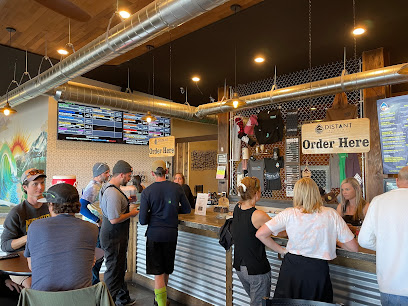
Distant Brewing
3.4 km
Discover the best of craft brews and delicious American cuisine at Distant Brewing in Mammoth Lakes, the perfect spot for beer lovers.
Bevi Bene
3.5 km
Discover Bevi Bene in Mammoth Lakes, where exquisite wines and a cozy atmosphere create the perfect destination for wine lovers.
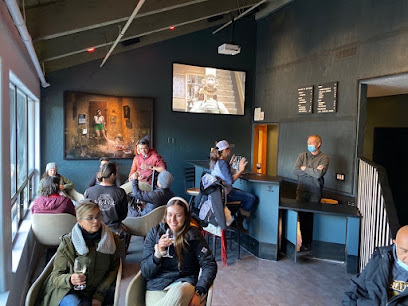
Mammoth Rock 'N' Bowl
3.6 km
Experience the perfect blend of American cuisine and family entertainment at Mammoth Rock 'N' Bowl in Mammoth Lakes.