
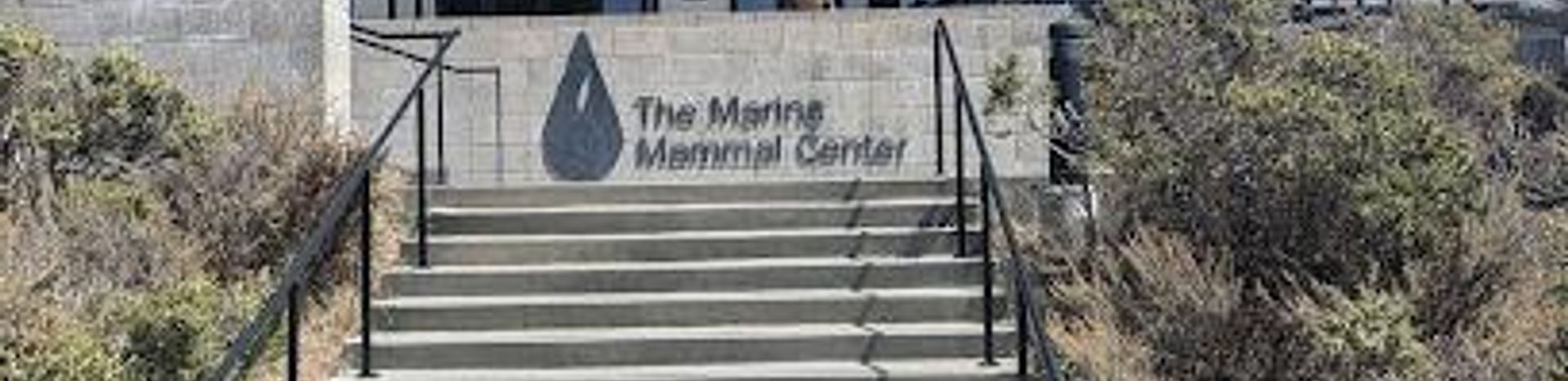
The Marine Mammal Center: A Coastal Haven for Rescue and Rehabilitation
Visit the world's largest marine mammal hospital in the Marin Headlands, witness life-saving care, explore interactive exhibits, and discover how you can protect our oceans.
Nestled in the scenic Marin Headlands near Sausalito, The Marine Mammal Center stands as the world's largest marine mammal hospital, dedicated to rescuing, rehabilitating, and releasing injured and sick marine mammals. Open to the public Friday through Monday, the center offers a unique opportunity to witness animal care experts in action, providing life-saving care to seals, sea lions, and other marine creatures. Explore interactive exhibits, peek into the Fish Kitchen where volunteers prepare nutritious meals, and learn about ocean conservation efforts. With free admission (reservations required), it's an inspiring and educational experience for all ages, connecting visitors to the wonders of marine life and the importance of protecting our oceans. The center's location within the Golden Gate National Recreation Area also makes it a perfect starting point for exploring nearby Rodeo Beach and the stunning coastal trails of the Marin Headlands.
A brief summary to The Marine Mammal Center
- 2000 Bunker Rd, Sausalito, California, 94965, US
- +1415-289-7325
- Visit website
- Monday 10 am-4 pm
- Friday 10 am-4 pm
- Saturday 10 am-4 pm
- Sunday 10 am-4 pm
Local tips
- Book your free tickets online in advance, as walk-ins are limited, especially during peak season.
- Arrive early to secure parking, as spaces are limited, especially on weekends and holidays.
- Bring your own food and drinks, as there are no concessions available on-site, but a picnic area with ocean views is available.
- Check the center's website for the latest information on patient viewing, as the number of visible animals varies daily and seasonally.
- Combine your visit with a hike on the nearby coastal trails or a visit to Rodeo Beach for a full day of exploring the Marin Headlands.

Getting There
-
Driving
From Highway 101, take the last Sausalito exit before the Golden Gate Bridge (Exit 442) if coming from the north, or the Alexander Avenue exit if coming from San Francisco. Follow signs for the Marin Headlands and Bunker Road. Pass through the one-way Bunker Road tunnel (be prepared to wait if the light is red). Continue on Bunker Road for approximately 2.5 miles, past Rodeo Lagoon on your left. At the fork in the road, turn right uphill, following the sign for The Marine Mammal Center. Parking is available in the center's lot.
-
Taxi/Ride-Share
From downtown Sausalito (e.g., the ferry terminal), a taxi or ride-share service is the most direct option. The ride is approximately 6 miles and takes about 15-20 minutes. Be aware that due to the center's remote location in the Marin Headlands, wait times for ride-share services can be longer than usual, so pre-arranging your return trip is highly recommended. The estimated cost for a one-way taxi or ride-share from Sausalito is $20-$30.
Discover more about The Marine Mammal Center
Iconic landmarks you can’t miss

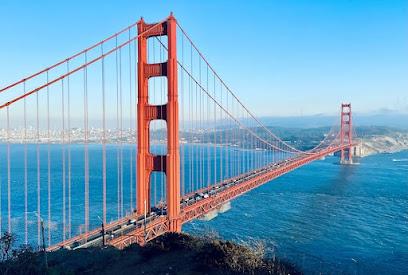
Golden Gate Bridge
4.9 km
Experience the breathtaking beauty and historical significance of the Golden Gate Bridge, an iconic symbol of San Francisco and a must-see for every traveler.

Strauss Statue
5.8 km
Explore the Strauss Statue in San Francisco's Presidio—a tribute to the visionary behind the Golden Gate Bridge, blending history, art, and stunning views.
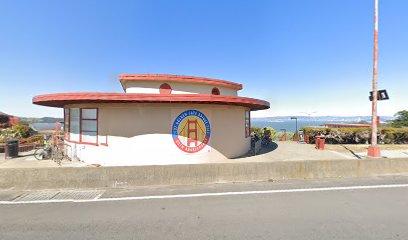
Golden Gate Bridge Vista Point
5.8 km
Experience stunning panoramic views of the Golden Gate Bridge at the Vista Point in San Francisco, a must-visit for any traveler.
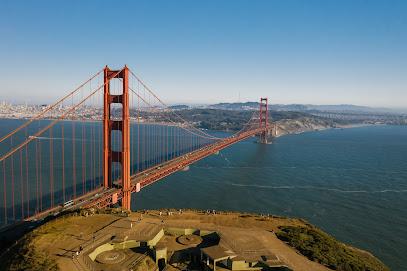
Sea Cliff
6.5 km
Experience the tranquil beauty of Sea Cliff in San Francisco, where breathtaking ocean views and serene parks provide a perfect escape from city life.

Landmarks China Cabin
7.4 km
Discover the historic elegance of the China Cabin, a unique event venue in Belvedere Tiburon, rich with captivating history and stunning architecture.
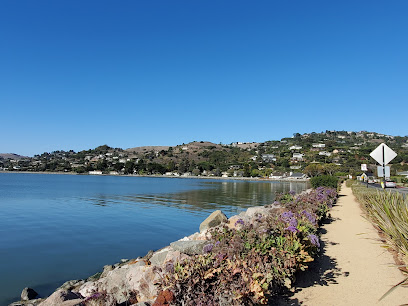
Dutch Windmill
7.4 km
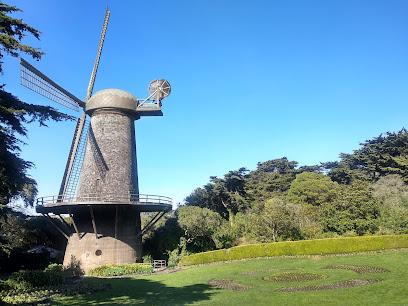
Discover the charming Dutch Windmill in Golden Gate Park, a historical landmark surrounded by stunning gardens and rich cultural heritage.
Pershing Square
7.5 km
Explore the historical marvels of Pershing Square in San Francisco's Presidio, a serene destination rich in culture, stunning views, and engaging stories.
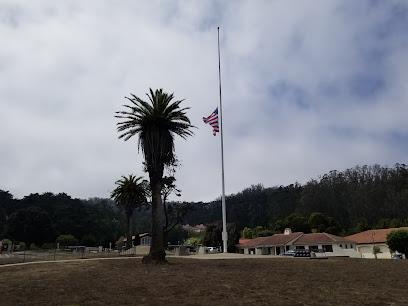
Presidio of San Francisco (California Historical Landmark #79)
7.7 km
Explore the Presidio of San Francisco, a historical landmark blending military history with breathtaking natural beauty and outdoor adventures.
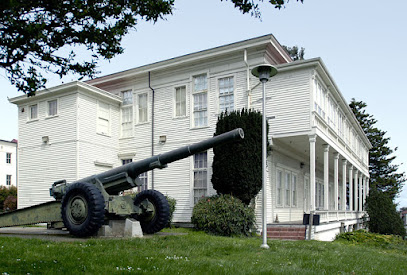
Wayburn Redwood Grove
7.7 km
Explore the breathtaking tranquility of Wayburn Redwood Grove, a serene park in San Francisco's Presidio, surrounded by majestic redwoods and natural beauty.
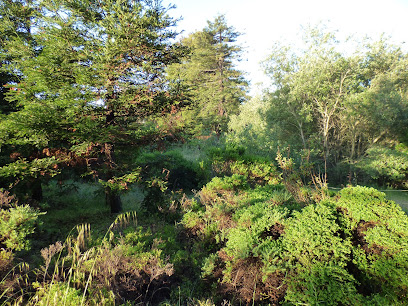
Tiburon Railroad & Ferry Depot Museum
8.1 km
Discover the rich history of Tiburon at the Railroad & Ferry Depot Museum, a charming destination for history lovers and curious travelers.
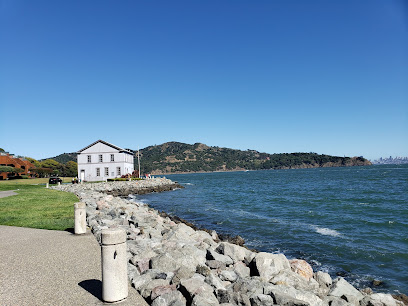
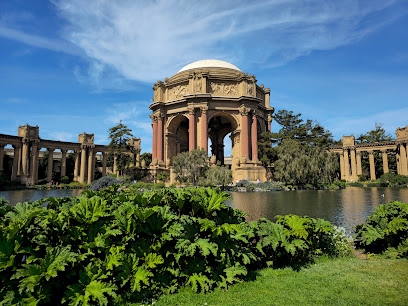
Palace of Fine Arts
8.1 km
A San Francisco architectural masterpiece originally built for the 1915 Panama-Pacific Exposition, offering a serene escape with its iconic rotunda, colonnades, and tranquil lagoon.
Old St. Hilary's Historic Preserve
8.2 km
Discover the rich history and breathtaking views at Old St. Hilary's Historic Preserve, a hidden gem in Belvedere Tiburon, California.
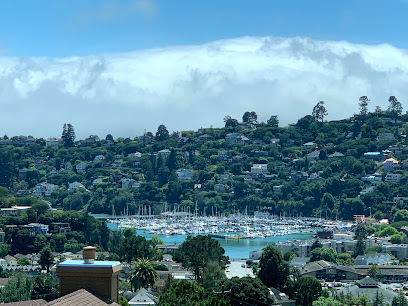
Lombard Gate Presidio
8.4 km
Discover the historic Lombard Gate in San Francisco's Presidio: a charming landmark offering scenic views, access to trails, and a glimpse into the area's rich military past and natural beauty.
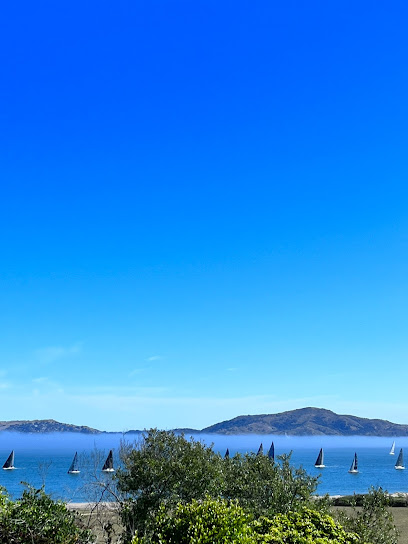
The Wave Organ
8.5 km
Discover the Wave Organ in San Francisco: an acoustic sculpture where the ocean plays music, offering stunning views and a unique sensory experience on the city's waterfront.
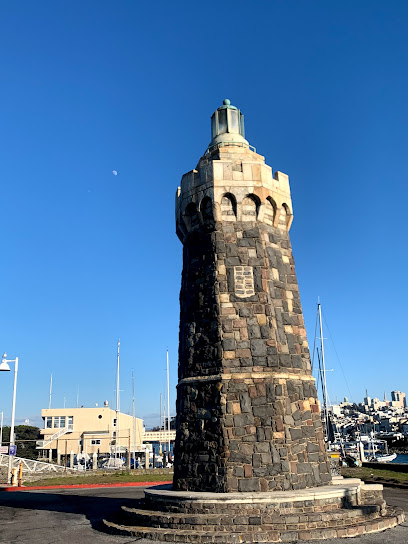
Marina Airfield Historical Marker
8.6 km
Discover San Francisco's aviation history at the Marina Airfield Historical Marker, a tribute to early airmail and helicopter innovation along the scenic San Francisco Bay Trail.
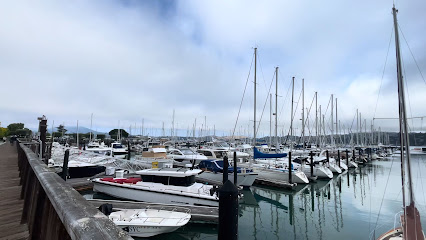
Unmissable attractions to see

Marin Headlands Visitor Center
0.8 km
Explore the Marin Headlands Visitor Center for stunning views, engaging exhibits, and unforgettable hiking adventures in California's coastal paradise.
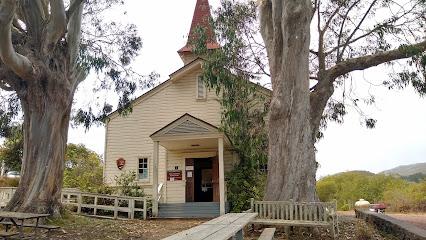
Nike Missile Site SF-88L
1.0 km
Discover the Nike Missile Site SF-88L in Mill Valley, CA, where history and breathtaking views merge in a unique Cold War experience.

Golden Gate National Recreation Area
1.1 km
Discover the stunning landscapes and rich history of Golden Gate National Recreation Area, a top tourist attraction in California.
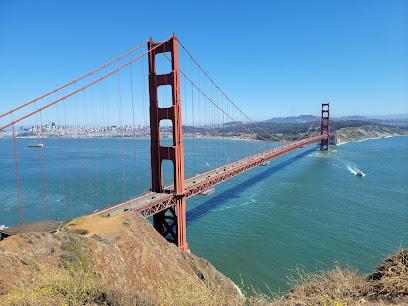
Marin Headlands
1.5 km
Explore the stunning Marin Headlands in California, where breathtaking coastal views, diverse wildlife, and rich history await every nature lover and adventure seeker.

Point Bonita Lighthouse
2.2 km
Explore the historic Point Bonita Lighthouse nestled in the Marin Headlands, offering breathtaking views and a glimpse into maritime history.
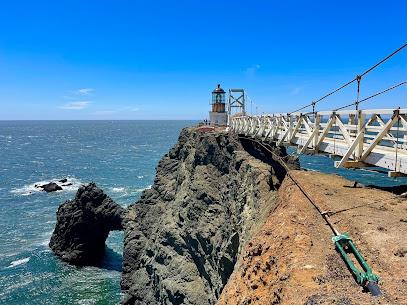
Tennessee Valley Trailhead
2.9 km
Discover the breathtaking trails and coastal views at Tennessee Valley Trailhead in Mill Valley, a must-visit for outdoor lovers exploring California's natural beauty.
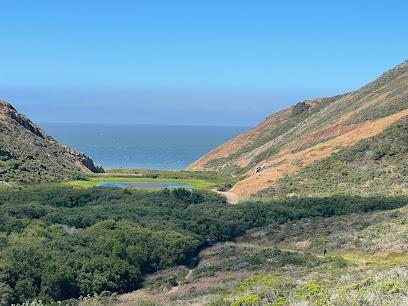
Miwok Trail
3.1 km
Explore the serene beauty of Miwok Trail in California, a perfect destination for hiking and discovering nature's wonders in a peaceful setting.
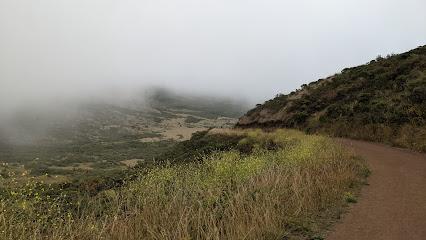
Baker-Barry Tunnel
3.9 km
Discover the historic Baker-Barry Tunnel in Sausalito, a captivating landmark offering stunning views and a glimpse into California's rich history.
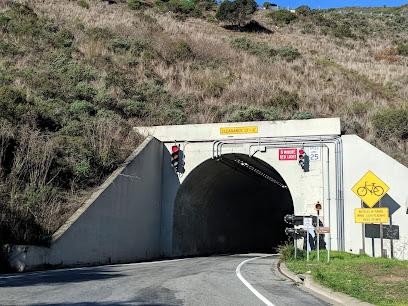
Golden Gate View Point
4.0 km
Discover unparalleled views of the Golden Gate Bridge at this scenic viewpoint in Mill Valley, a must-visit for every traveler exploring California's stunning landscapes.
Essential places to dine

Chapeau
8.5 km
Experience exquisite French cuisine at Chapeau in San Francisco's Richmond District, where elegance meets exceptional flavors.
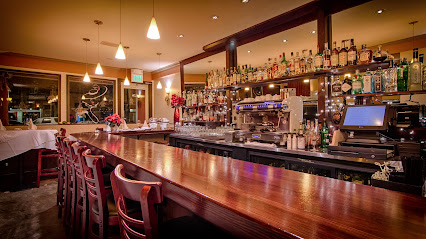
Spruce
8.7 km
Discover Spruce: A premier New American restaurant in San Francisco's Presidio Heights serving exquisite seasonal cuisine and elegant ambiance.
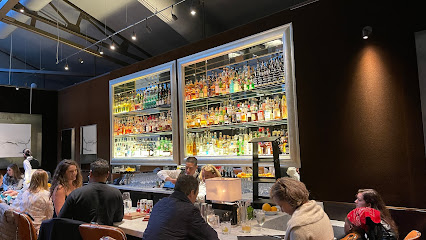
Atelier Crenn
9.3 km
Experience the artistry of French cuisine at Atelier Crenn, where each dish tells a unique story crafted by Chef Dominique Crenn.
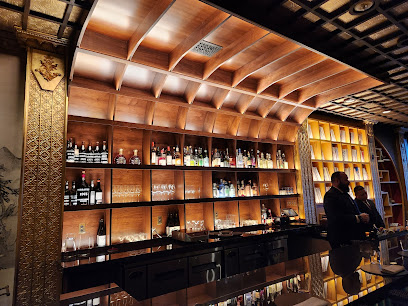
Capurro's Restaurant
10.2 km
Discover Capurro's Restaurant at Fisherman's Wharf - where fresh seafood meets Italian flair in an unforgettable dining experience.
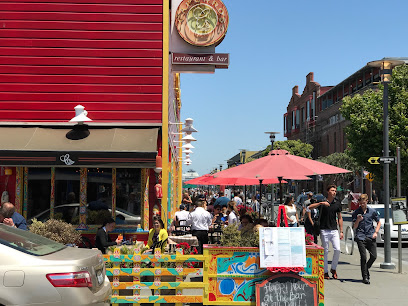
Gary Danko
10.2 km
Discover the culinary masterpiece of Gary Danko in San Francisco - where exquisite flavors meet unparalleled service.
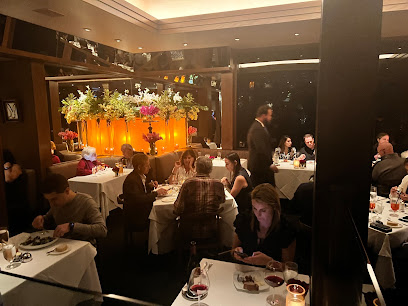
Cioppino's
10.3 km
Experience fresh seafood delights at Cioppino's - A family-friendly Italian restaurant located at Fisherman's Wharf in San Francisco.
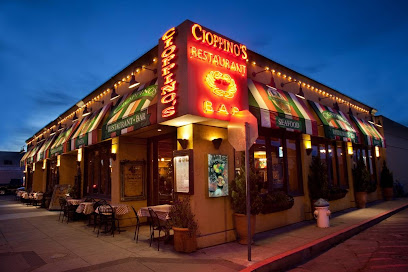
State Bird Provisions
10.4 km
Discover innovative American cuisine with a Californian twist at State Bird Provisions in San Francisco's Fillmore District.
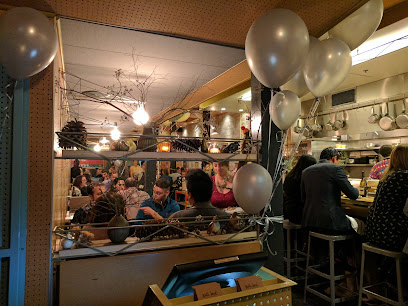
The Progress
10.4 km
Discover innovative Californian cuisine at The Progress in San Francisco’s charming Fillmore District—an unforgettable dining experience awaits!
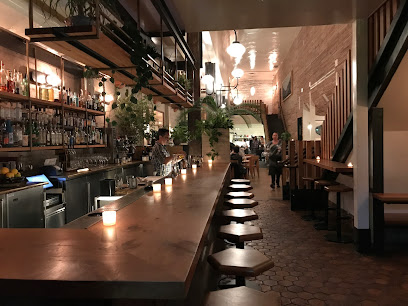
Surisan
10.5 km
Discover Surisan: Where Korean flavors meet brunch classics in San Francisco's scenic Fisherman's Wharf.
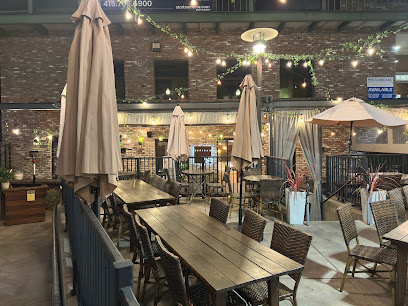
Street Restaurant and Bar
10.5 km
Discover the vibrant flavors of New American cuisine at Street Restaurant and Bar in San Francisco's Polk Gulch—where every dish tells a story.
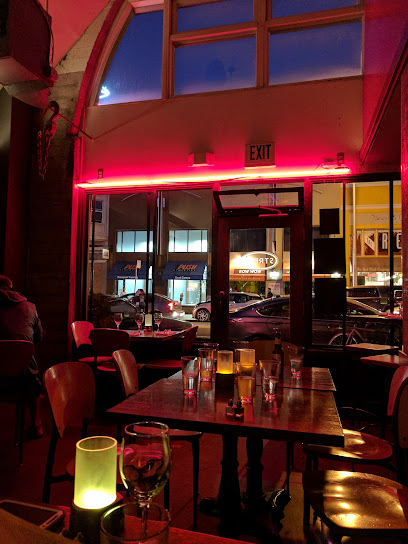
Nopa
10.6 km
Experience the vibrant flavors of New American cuisine at Nopa in San Francisco's Alamo Square, where organic ingredients meet Mediterranean flair.
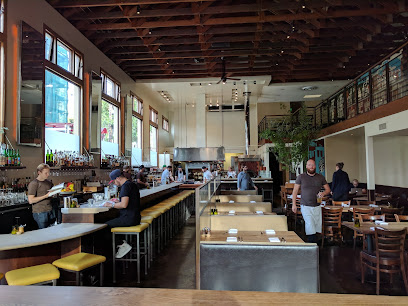
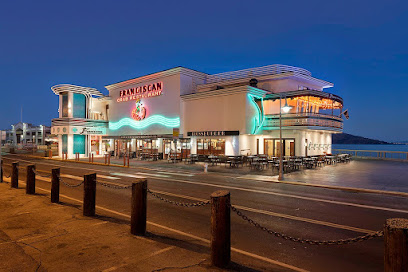
Franciscan Crab Restaurant
10.6 km
Discover exquisite seafood dining with breathtaking bay views at Franciscan Crab Restaurant in Fisherman's Wharf.
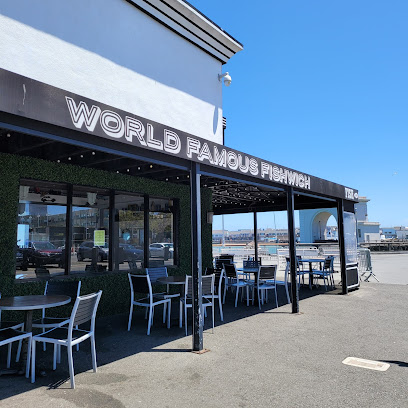
The Stinking Rose A Garlic Fish House
10.6 km
Experience exquisite garlic-infused seafood at The Stinking Rose A Garlic Fish House in San Francisco's Fisherman's Wharf.
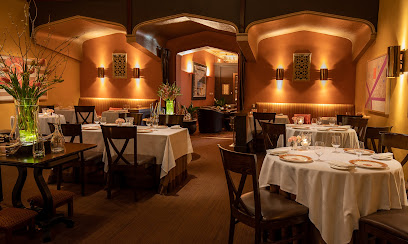
Acquerello
10.8 km
Discover Acquerello: An exquisite Southern Italian dining experience in San Francisco, where culinary artistry meets elegance.
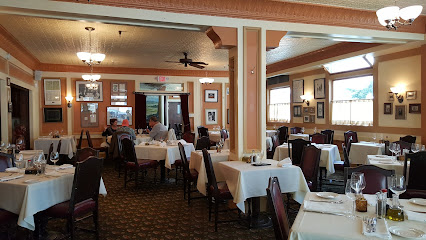
Fior d'Italia
10.9 km
Discover Fior d'Italia: A historic Italian restaurant in San Francisco's North Beach offering authentic cuisine and an inviting atmosphere.
Markets, malls and hidden boutiques

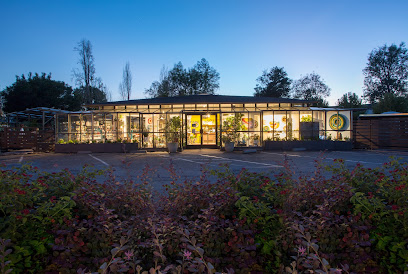
Ground
7.7 km
Explore Ground, your ultimate garden center in Belvedere Tiburon, offering a stunning selection of plants and home goods for every nature enthusiast.
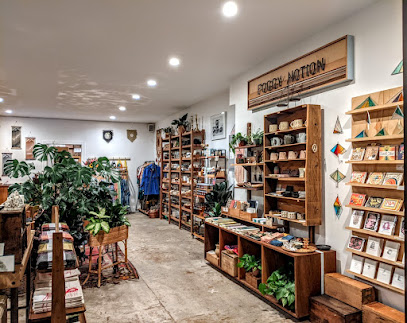
Foggy Notion
8.5 km
Explore Foggy Notion, a charming boutique in San Francisco, offering a captivating selection of unique gifts and artisanal treasures.
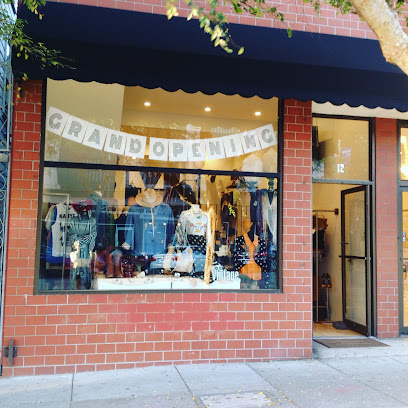
The Golden Hour
8.5 km
Discover vintage treasures and unique finds at The Golden Hour, San Francisco's charming vintage clothing store in the heart of Richmond District.
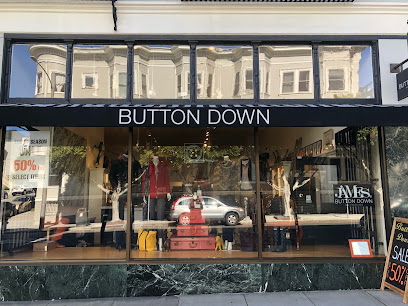
Button Down
8.9 km
Explore Button Down, a charming clothing store in San Francisco’s Presidio Heights, offering unique apparel and accessories for the fashion-savvy traveler.
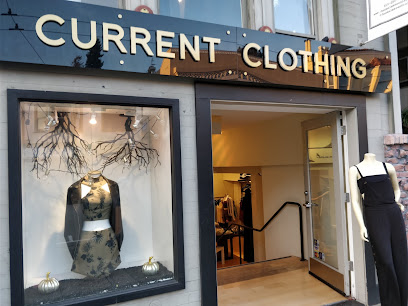
Current
9.3 km
Explore San Francisco's Current Boutique for unique women's fashion, from chic dresses to stylish accessories in a vibrant shopping atmosphere.
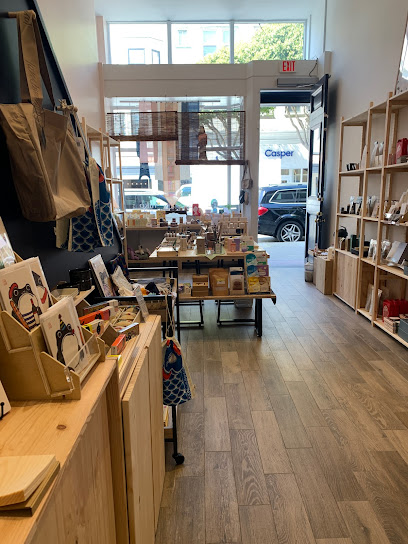
Nikoniko Gifts
9.5 km
Explore Nikoniko Gifts, a charming San Francisco gift shop offering unique souvenirs and local artisan creations that capture the city's vibrant spirit.
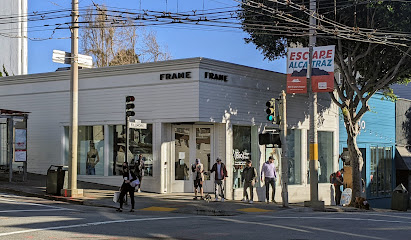
FRAME
9.9 km
Explore FRAME in Pacific Heights, a chic clothing store offering a curated collection of contemporary fashion for every style.
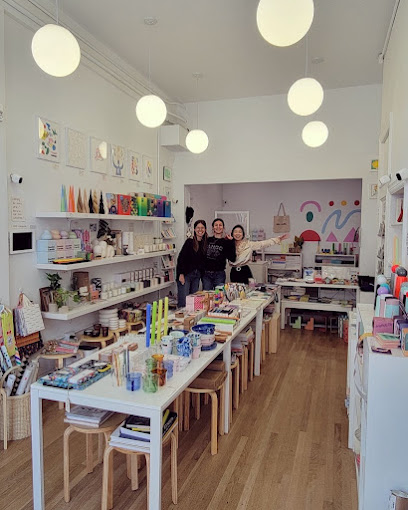
post.script.
10.0 km
Explore post.script., a charming gift shop in San Francisco offering unique greeting cards and stationery, perfect for any occasion or souvenir.
Lola of North Beach
10.0 km
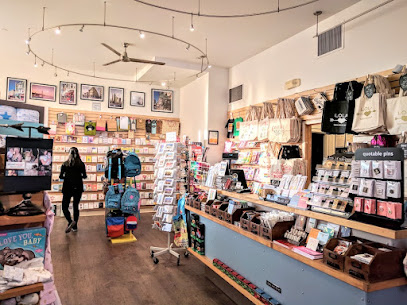
Explore Lola of North Beach, a charming gift shop in San Francisco, offering unique souvenirs and treasures that embody the spirit of the city.
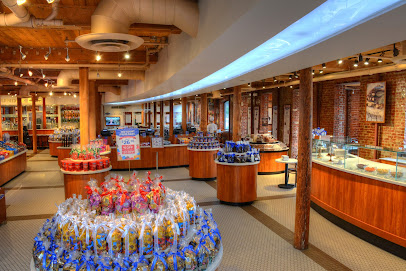
Ghirardelli Chocolate Experience
10.0 km
Discover the sweet legacy of Ghirardelli at the Chocolate Experience, where every bite takes you on a delicious journey through San Francisco's rich chocolate heritage.
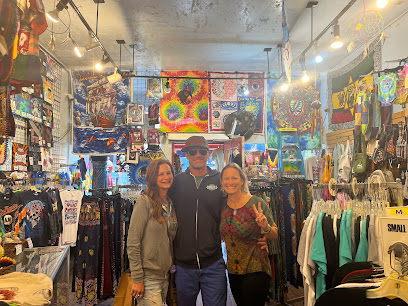
Land of the Sun
10.1 km
Explore the vibrant Land of the Sun gift shop in Haight-Ashbury, San Francisco, for unique clothing, accessories, and local souvenirs that capture the city's spirit.
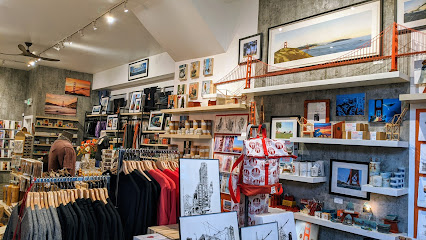
San Francisco Mercantile
10.2 km
Explore the essence of San Francisco at San Francisco Mercantile, your go-to shop for unique gifts and local artisan creations in Haight-Ashbury.
Things Lucky Handicraft
10.3 km
Explore the vibrant Haight-Ashbury district and uncover unique gifts and handcrafted treasures at Things Lucky Handicraft.
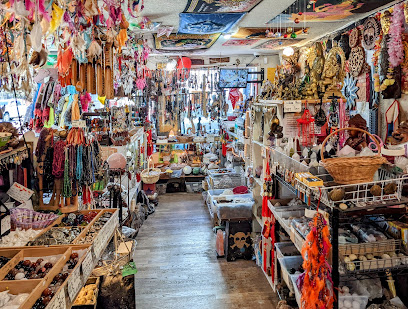
Held Over
10.3 km
Explore unique vintage fashion at Held Over, where every piece has a story and reflects the vibrant spirit of San Francisco's Haight-Ashbury.
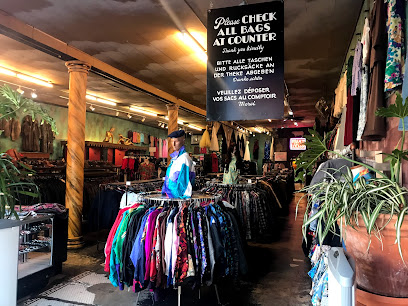
Welcome Haight & Ashbury
10.3 km
Explore the heart of Haight-Ashbury with unique gifts and local treasures at Welcome Haight & Ashbury, San Francisco's iconic visitor center.
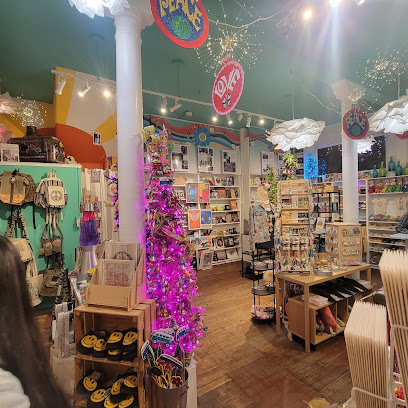
Essential bars & hidden hideouts

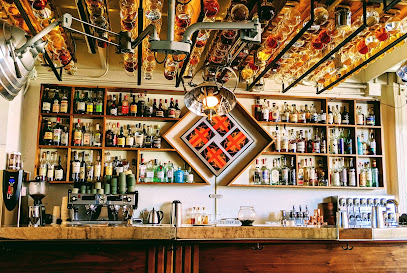
The Interval at Long Now
9.3 km
Discover The Interval at Long Now: a San Francisco cocktail bar that fuses mixology with thought-provoking exhibits, perfect for curious travelers.
Brioche Bakery & Cafe
10.2 km
Indulge in artisanal pastries and exceptional brunch at Brioche Bakery & Cafe, a must-visit gem in San Francisco's Haight-Ashbury.
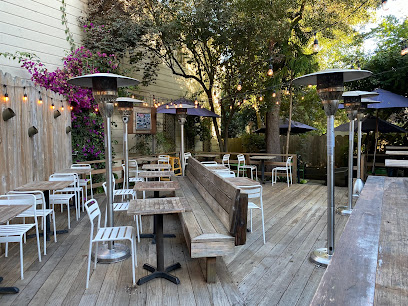
Bar Iris
10.4 km
Discover the vibrant fusion of cocktails and Japanese cuisine at Bar Iris, a must-visit culinary gem in San Francisco's Polk Gulch.
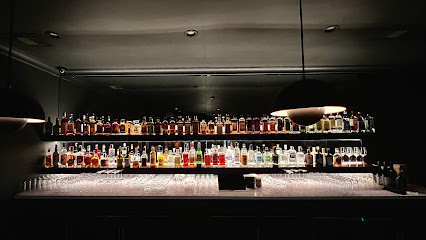
The Majestic Butterfly Lounge
10.7 km
Experience the art of mixology at The Majestic Butterfly Lounge, a stylish cocktail bar in San Francisco's Cathedral Hill, perfect for a vibrant night out.
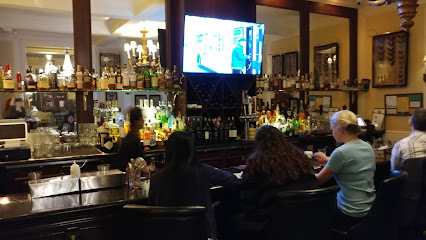
The Socialite Crafthouse & Kitchen
10.7 km
Discover the vibrant flavors of San Francisco at The Socialite Crafthouse & Kitchen, a brewpub where craft beer meets delicious cuisine.
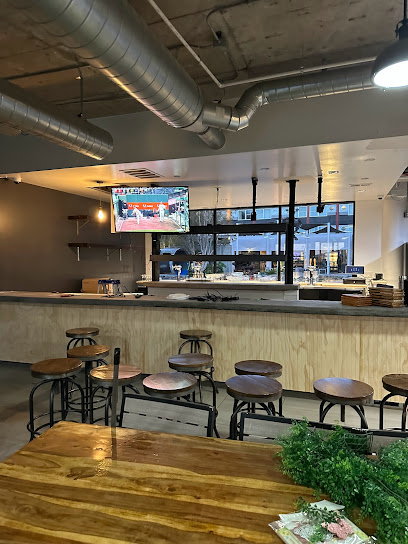
Northpoint Craft Cocktails - Local Brews
10.8 km
Experience the best of San Francisco's cocktail culture at Northpoint Craft Cocktails, featuring local brews and inventive mixology in a cozy setting.
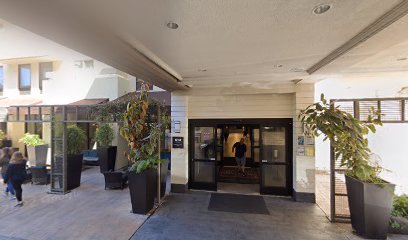
Kozy Kar
10.9 km
Experience the unique charm of Kozy Kar, a vibrant bar in San Francisco's Polk Gulch, known for its water mattresses and friendly atmosphere.
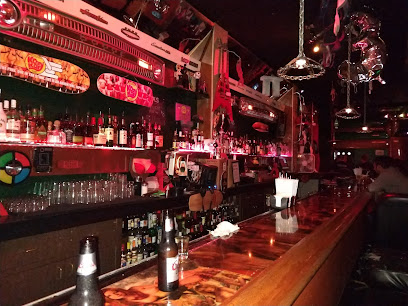
Luau Lounge
10.9 km
Savor tropical flavors and stunning views at Luau Lounge, a vibrant restaurant at Pier 39, San Francisco.
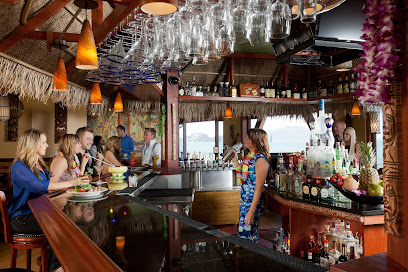
Sweetie's Art Bar
10.9 km
Experience the artistic vibe and creative cocktails at Sweetie's Art Bar, a beloved local bar in the heart of San Francisco's North Beach.
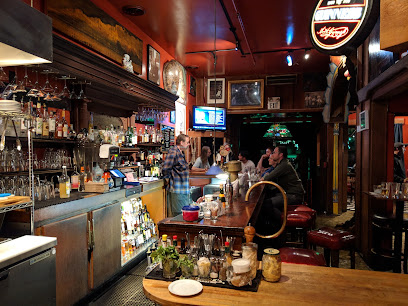
Players Sports Grill & Arcade
10.9 km
Experience the ultimate blend of food, drinks, and arcade fun at Players Sports Grill & Arcade in Fisherman's Wharf, San Francisco.
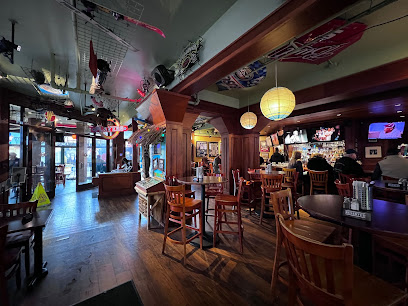
Hard Rock Cafe
11.1 km
Savor classic American cuisine amidst iconic rock music memorabilia at Hard Rock Cafe San Francisco, a vibrant dining experience at Fisherman’s Wharf.
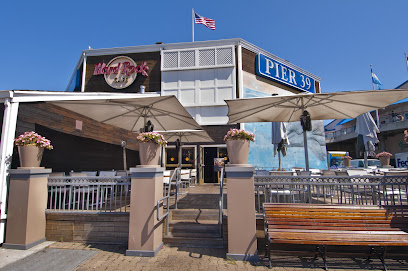
Red Jack Saloon
11.1 km
Discover the lively bar scene at Red Jack Saloon, a Fisherman's Wharf gem offering great drinks and a vibrant atmosphere in San Francisco.
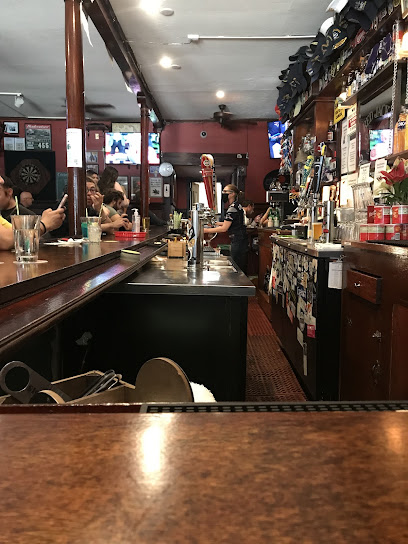
Bodega North Beach
11.2 km
Discover Bodega North Beach, your go-to wine bar in San Francisco's North Beach, offering a curated selection of wines and a warm, inviting atmosphere.
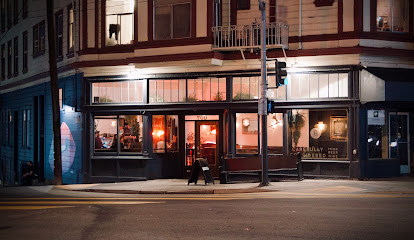
Noc Noc
11.2 km
Discover Noc Noc, a vibrant bar in San Francisco's Lower Haight, offering creative cocktails and a unique atmosphere perfect for relaxing and socializing.
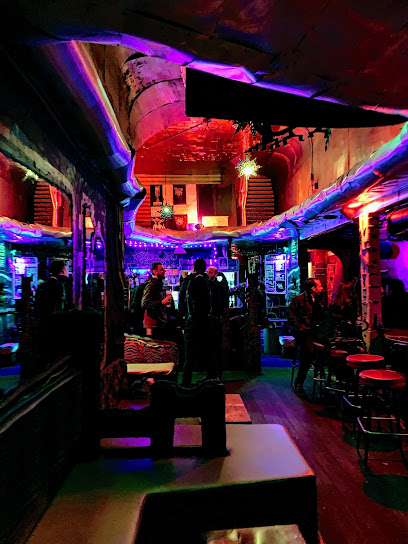
Smuggler's Cove
11.3 km
Discover the enchanting atmosphere and exquisite cocktails at Smuggler's Cove, San Francisco's premier cocktail bar and rum haven.
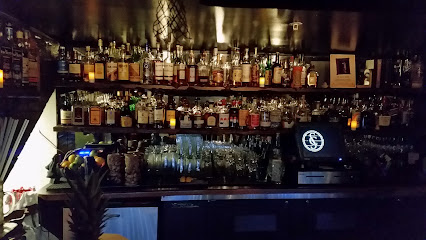
Nightclubs & after hour spots

Pa'ina Restaurant & Lounge
10.3 km
Experience the vibrant flavors of Hawaiian cuisine at Pa'ina Restaurant & Lounge in San Francisco's Japantown, a perfect blend of food and festive atmosphere.
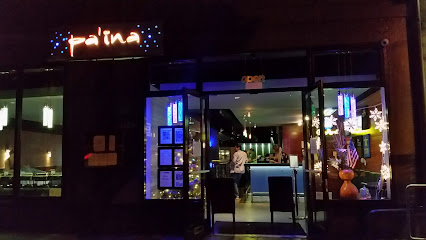
Rouge Night Club
10.5 km
Discover the pulsating nightlife at Rouge Night Club in San Francisco's Polk Gulch, where music, dance, and fun collide in a vibrant atmosphere.
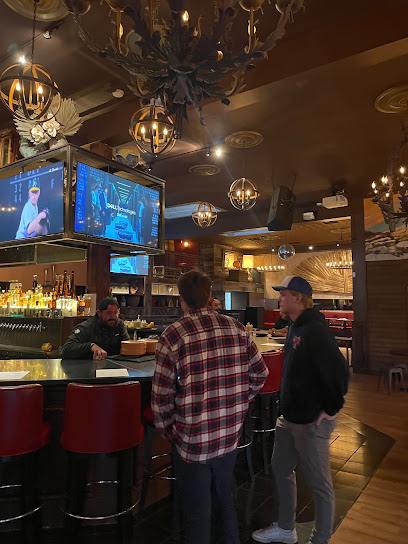
Carbon
10.9 km
Discover the vibrant nightlife at Carbon Lounge in San Francisco’s North Beach, offering stylish ambiance and a diverse drink selection.
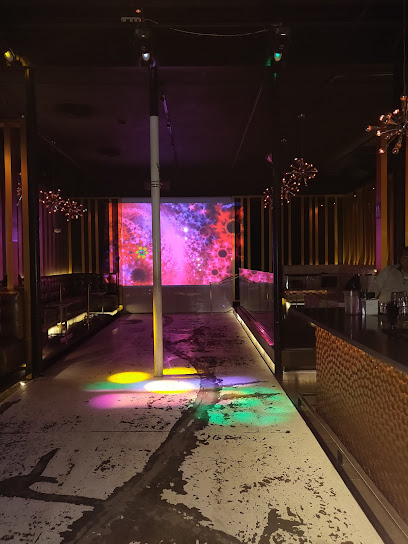
Providence Night Club
11.0 km
Dive into San Francisco's nightlife at Providence Night Club, where live music meets vibrant energy for an unforgettable evening.
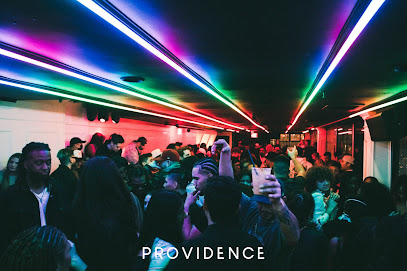
Club Fugazi Experiences
11.3 km
Discover the vibrant fusion of circus, live music, and dining at Club Fugazi in San Francisco's North Beach, where unforgettable experiences await.
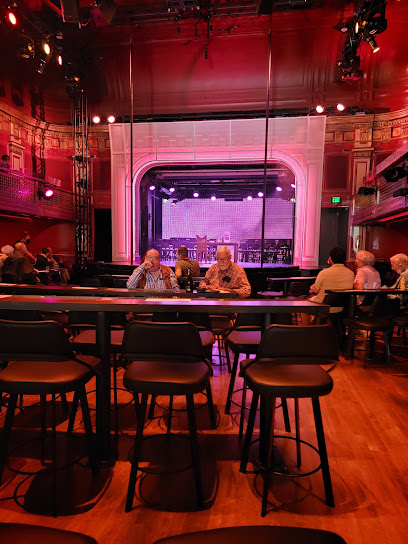
Monroe SF
11.8 km
Discover the electrifying nightlife of Monroe SF, where handcrafted cocktails and vibrant music create unforgettable evenings in San Francisco's North Beach.
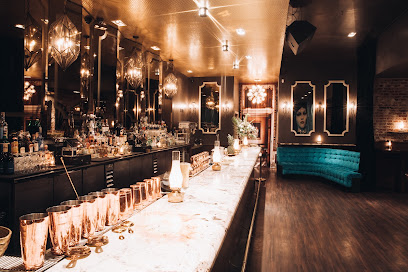
Vanity San Francisco
11.9 km
Discover the allure of Vanity San Francisco - a premier night club featuring live performances, cabaret shows, and an electric nightlife atmosphere.
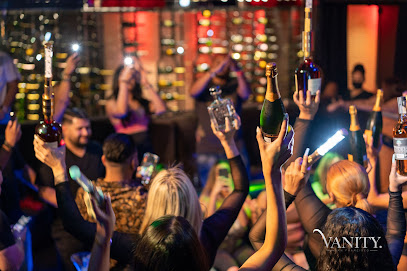
Sam's Cable Car Lounge
12.1 km
Experience the vibrant atmosphere of Sam's Cable Car Lounge - your perfect getaway in San Francisco's Union Square for drinks, food, and fun.
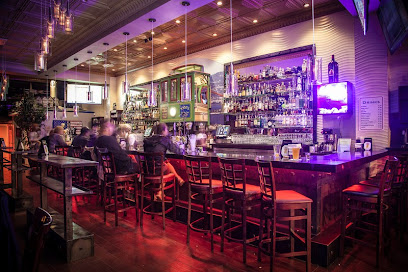
Club Six
12.2 km
Discover the pulse of San Francisco at Club Six, where art meets nightlife in a dynamic celebration of music and cocktails.
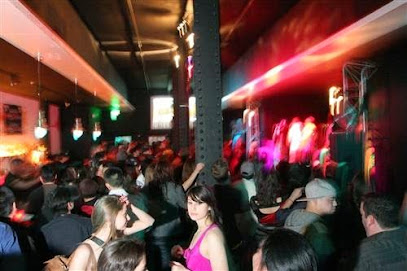
Hawthorn SF Nightclub and Lounge
12.3 km
Discover Hawthorn SF Nightclub and Lounge - the premier nightlife destination in Union Square, San Francisco, where unforgettable nights await.
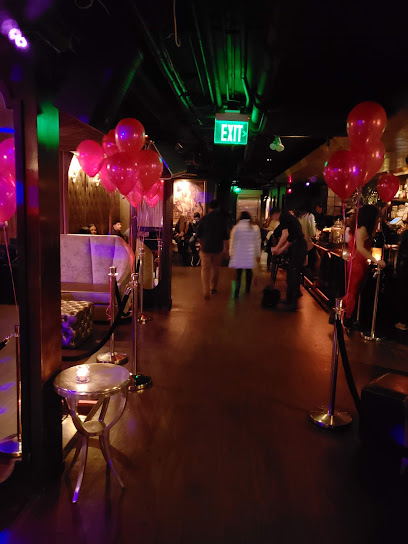
Monarch
12.3 km
Experience the vibrant nightlife at Monarch, San Francisco's premier night club and live music venue with electrifying performances and creative cocktails.
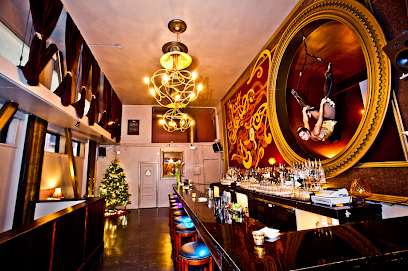
OASIS
12.4 km
Experience the vibrant nightlife at Oasis, a premier gay night club in San Francisco's SoMa district, featuring live performances and an inclusive atmosphere.
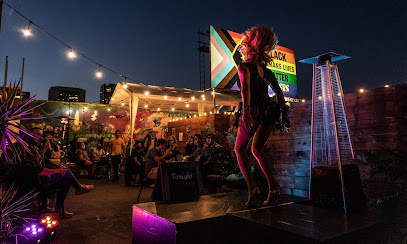
Eve Nightclub & Lounge
12.5 km
Experience the pulse of San Francisco's nightlife at Eve Nightclub & Lounge, where electrifying music and a chic atmosphere come together for an unforgettable night.
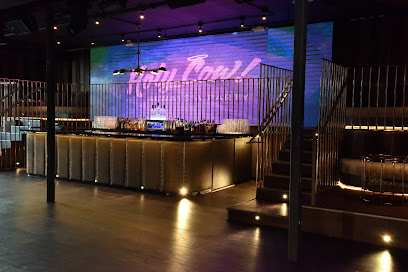
Halcyon SF
12.5 km
Discover the electrifying nightlife at Halcyon SF, a premier night club in San Francisco's SoMa district, where music and fun never stop.
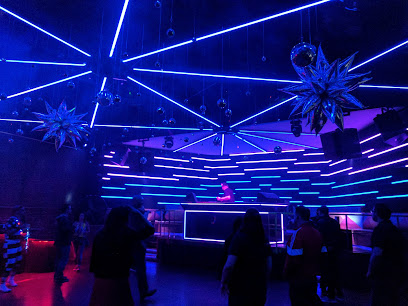
Audio Nightclub
12.5 km
Discover the vibrant nightlife at Audio Nightclub, a premier destination for music lovers and cocktail enthusiasts in San Francisco's SoMa district.


