
Salinas Valley, California Travel Guide
Discover Salinas Valley, California: Where fertile fields meet rich history and stunning landscapes, offering a bounty of fresh flavors and cultural experiences.
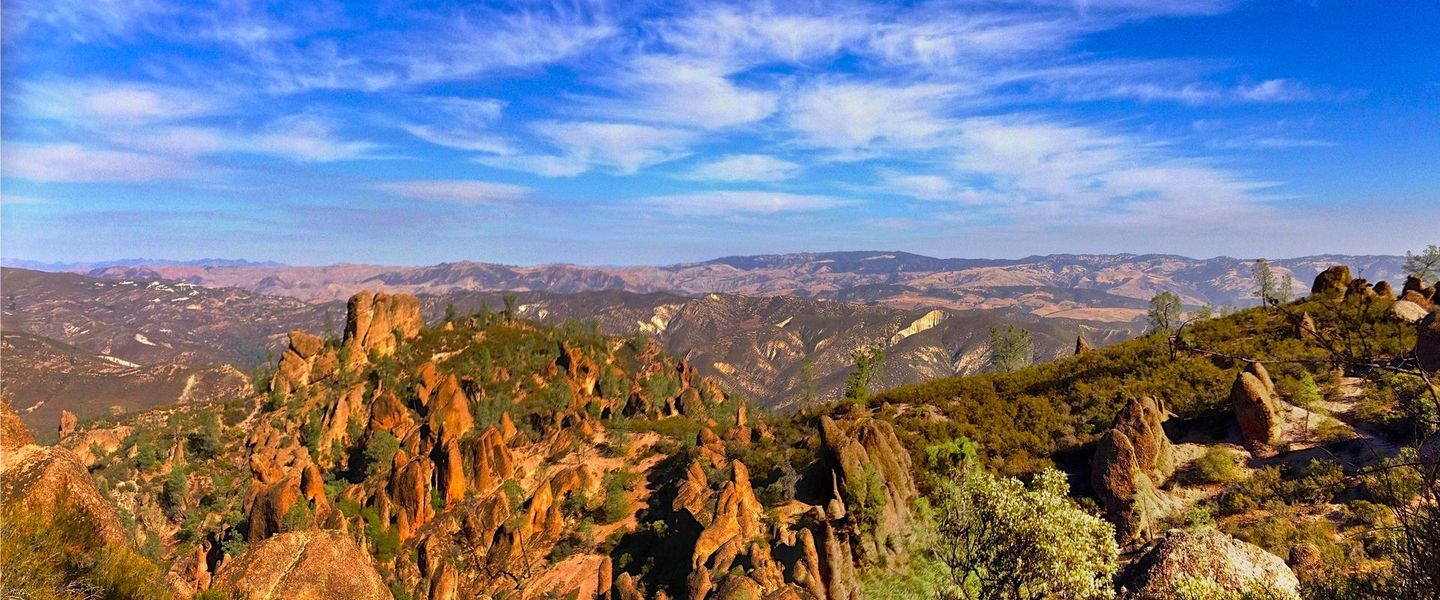
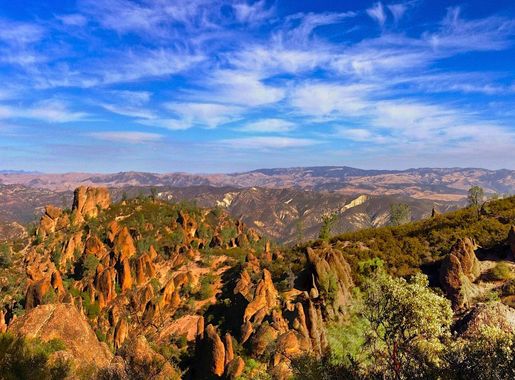
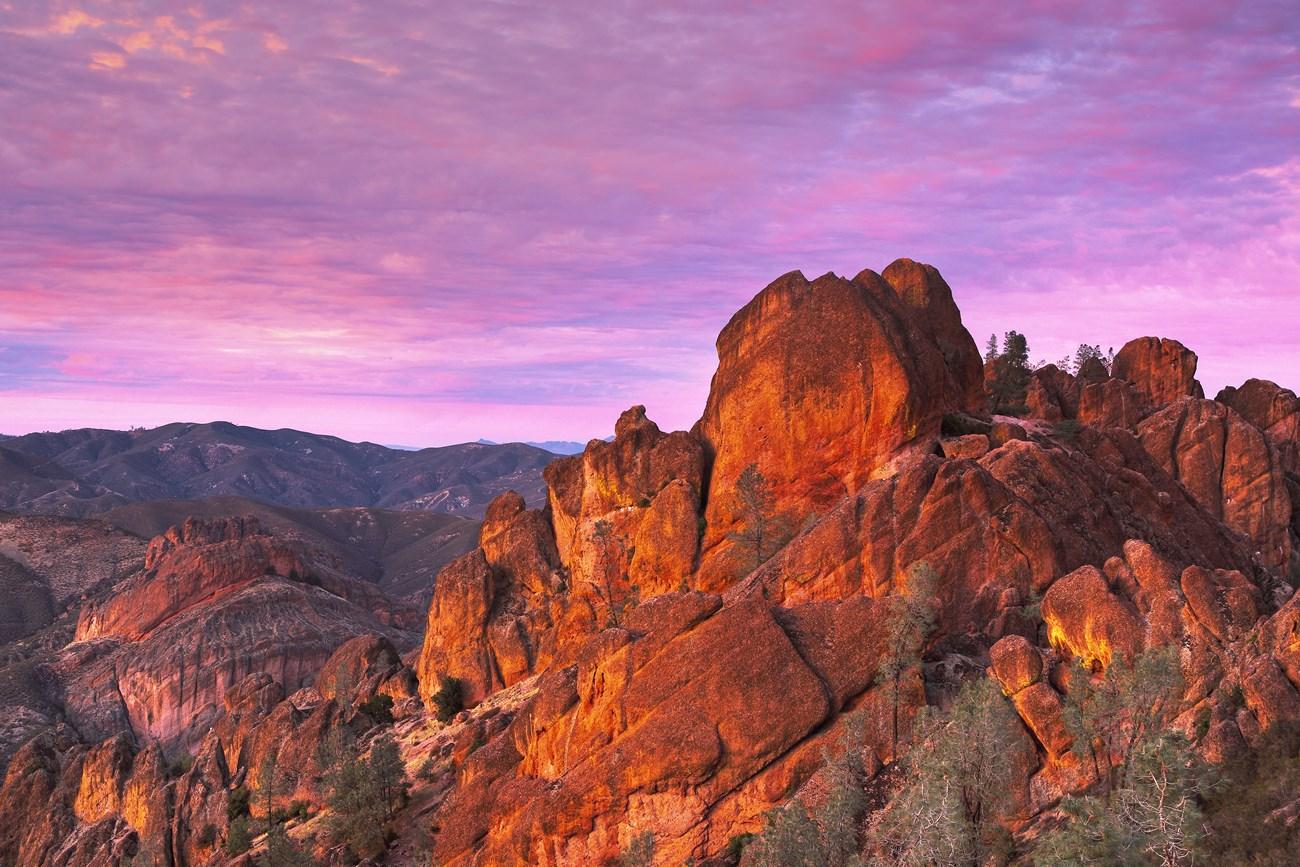
Salinas Valley, known as the 'Salad Bowl of the World,' is a fertile agricultural region in California, United States. Nestled between the Gabilan and Santa Lucia mountain ranges, this picturesque valley stretches from the Monterey Bay to the central coast, offering stunning landscapes and a temperate climate perfect for farming. Visitors to Salinas Valley can immerse themselves in the rich history and culture of the area. The valley is famous for its connection to iconic American author John Steinbeck, who was born in Salinas and set many of his novels here. A visit to the National Steinbeck Center provides an engaging look into his life and works. Moreover, the Valley is home to many wineries and vineyards, offering wine lovers delightful tasting experiences. Nature enthusiasts will find plenty to explore in and around Salinas Valley. The nearby Pinnacles National Park boasts unique rock formations, caves, and hiking trails, making it a must-visit for adventure seekers. The valley's farms and farmers' markets are a feast for the senses, offering fresh produce and local specialties that reflect the region's agricultural heritage.

Know before you go
Hi, I'm Eve. Here are a few practical things to know before exploring Salinas Valley.
- Visit the National Steinbeck Center to learn about the famous author and his connection to Salinas Valley.
- Explore the vineyards and wineries for a taste of local wines and scenic views.
- Take a hike at Pinnacles National Park to enjoy unique rock formations and diverse wildlife.
- Check out local farmers' markets for fresh produce and artisanal goods.
- The weather can be quite variable, so dress in layers to stay comfortable.
Top City Travel Guides in Salinas Valley
The cities of Salinas Valley, and the easiest places to base yourself.



Explore Salinas Valley: Things to Do, Places to Eat, Hotels & More
Handpicked recommendations for top attractions, local dining, accommodations, and more

Top Attractions & Sightseeing in Salinas Valley
Top-rated picks
Best Attractions

Monterey Bay Aquarium
Discover the wonders of the ocean at the Monterey Bay Aquarium, a leading center for marine life and conservation on Cannery Row.

Old Fisherman's Wharf
Experience Monterey's maritime history at Old Fisherman's Wharf: dining, shopping, and ocean adventures await on California's oldest pier.

Point Lobos State Natural Reserve
Explore the breathtaking coastal beauty and diverse wildlife of Point Lobos State Natural Reserve, a top destination for nature lovers in California.

Lovers Point Park
Discover Lovers Point Park in Pacific Grove: a scenic coastal haven with beaches, recreation, and stunning Monterey Bay views.

Best landmarks in Salinas Valley
Top-rated picks
Best Landmarks

Old Fisherman's Wharf
Explore Old Fisherman's Wharf in Monterey, CA - a historic landmark offering fresh seafood, shopping, and stunning ocean views.

Point Lobos State Natural Reserve
Explore the breathtaking coastal beauty and diverse ecosystems of Point Lobos State Natural Reserve, a must-visit state park along California's stunning coastline.

Lovers Point Park
Discover the enchanting charm of Lovers Point Park in Pacific Grove, where rocky shores meet stunning ocean views and outdoor adventures await.

Lone Cypress
Explore the breathtaking beauty of Lone Cypress in Pebble Beach, a stunning coastal landmark offering panoramic ocean views and rich natural beauty.

Best restaurants in Salinas Valley
Top-rated picks
Best Restaurants

Dametra Cafe
Experience authentic Greek cuisine in a charming setting at Dametra Cafe in Carmel-By-The-Sea – where every meal is a delightful journey.

El Charrito
Experience authentic Mexican flavors at El Charrito in Salinas—where delicious food meets warm hospitality.

Mission Ranch Restaurant
Experience exquisite American cuisine at Mission Ranch Restaurant with breathtaking ocean views in charming Carmel-By-The-Sea.

La Bicyclette Restaurant
Experience the best of European cuisine at La Bicyclette Restaurant in Carmel-By-The-Sea, where every meal is a delightful journey.

Best bars in Salinas Valley
Top-rated picks
Best Bars

The Crown & Anchor
Discover The Crown & Anchor, a British-themed bar and restaurant in Monterey, offering traditional fare and a vibrant atmosphere for all travelers.

Turn 12 Bar & Grill
Experience the excitement of Turn 12 Bar & Grill in Monterey, where delicious Californian cuisine meets a thrilling sports atmosphere.

London Bridge Pub
Experience the vibrant atmosphere and delicious cuisine at London Bridge Pub, Monterey's favorite spot for pub-style dining with stunning coastal views.

BJ's Restaurant & Brewhouse
Discover a vibrant dining experience at BJ's Restaurant & Brewhouse in Salinas, featuring craft beers, diverse menus, and a lively sports bar atmosphere.

Best nightclubs in Salinas Valley
Top-rated picks
Best Nightclubs

Bankers Casino
Discover excitement and entertainment at Bankers Casino, the ultimate gaming destination in Salinas, California, with dining and nightlife options.

Barmel
Experience the vibrant nightlife at Barmel, where exquisite drinks meet a lively dance atmosphere in the heart of Carmel-By-The-Sea, California.

201 Main
Experience the vibrant blend of dining, nightlife, and events at 201 Main in Salinas, California.

O'CALLAGHAN'S IRISH PUB
Discover the heart of Ireland in Carmel-By-The-Sea at O'Callaghan's Irish Pub, where delicious food and live music create unforgettable moments.

Best shops in Salinas Valley
Top-rated picks
Best Shops

Carmel Plaza
Discover Carmel Plaza, an upscale shopping haven in Carmel-By-The-Sea, featuring unique boutiques, art galleries, and exquisite dining options.

The Crossroads Carmel
Explore The Crossroads Carmel, a unique shopping mall in Carmel-By-The-Sea, where boutiques, art galleries, and local flavor meet in a stunning coastal setting.

The Barnyard Shopping Village
Explore the charm of The Barnyard Shopping Village in Carmel-by-the-Sea, where boutique shopping meets delightful dining in a serene outdoor setting.

Mountain Valley Center
Discover shopping, dining, and entertainment at Mountain Valley Center, Salinas' go-to shopping mall for tourists and locals alike.

Explore Salinas Valley on the Map
A handpicked selection of must-see spots in Salinas Valley, mapped for you.
Salinas Valley Essentials
-
Salinas Valley is located in Monterey County, California. The nearest major airport is Norman Y. Mineta San Jose International Airport (SJC), approximately 60 miles north. From the airport, you can rent a car, take a shuttle service, or use a rideshare app like Uber or Lyft to reach Salinas Valley. Additionally, Amtrak offers train services to Salinas, and Greyhound provides bus services from various locations.
-
Once in Salinas Valley, you can use local bus services operated by Monterey-Salinas Transit (MST) to get around. Taxis and rideshare services like Uber and Lyft are also readily available. Renting a car is recommended if you plan to explore the surrounding countryside and nearby attractions like Monterey, Big Sur, or the Pinnacles National Park. Biking is another great way to explore the valley, especially in the more scenic and rural areas.
-
The official currency is the United States Dollar (USD). Credit and debit cards are widely accepted in hotels, restaurants, and shops. ATMs are plentiful, but it's always a good idea to carry some cash for small purchases or in case you visit rural areas where card acceptance might be limited.
-
Salinas Valley is generally safe for tourists, but it's important to stay vigilant, especially in certain neighborhoods in the city of Salinas, such as East Salinas, which have higher crime rates. Avoid walking alone at night in unfamiliar areas, and always keep an eye on your belongings. Stick to well-lit and populated areas, and don't hesitate to ask locals or hotel staff for advice on safe routes and areas.
-
In case of emergency, dial 911 for immediate assistance from police, fire, or medical services. Salinas Valley has several medical facilities, including Salinas Valley Memorial Healthcare System and Natividad Medical Center. It's advisable to have travel insurance that covers medical emergencies. For minor health issues, there are numerous pharmacies where you can purchase over-the-counter medications.
-
Fashion: Do dress in layers as the weather can vary significantly throughout the day. Casual and comfortable attire is generally acceptable. Religion: Do be respectful if visiting religious sites, but there are no specific dress codes or customs you need to follow. Public Transport: Do have exact change or a transit card for bus fare. Don't be loud or disruptive. Greetings: Do greet people with a smile or a handshake. Californians are generally informal, so a simple 'hi' or 'hello' works well. Eating & Drinking: Do try the local produce and wines. The valley is known for its fresh vegetables, fruits, and vineyards. Don't forget to tip (15-20%) in restaurants.
-
To experience Salinas Valley like a local, visit the weekly farmers' markets in Salinas and nearby towns such as Soledad and King City. Engage with local farmers and vendors to learn more about the region's rich agricultural heritage. Don't miss the Steinbeck Center in Salinas, which offers deep insights into the life and works of John Steinbeck, a native of the valley. For outdoor enthusiasts, hiking in Toro Park or exploring the scenic River Road Wine Trail are must-do activities.
When is the best time to visit Salinas Valley?
Useful Local Phrases for Salinas Valley
You don't need to speak the language perfectly. Even learning a few simple words can make conversations warmer—and locals usually appreciate the effort.
— Eve

Here are the phrases I use most often in Salinas Valley. Try a few—you'll be surprised how far they go! 😊
❤️
-
- HelloHola
[OH-lah] - GoodbyeAdiós
[ah-DYOS] - YesSí
[SEE] - NoNo
[NO] - Please/You're welcomePor favor/De nada
[por fah-VOR/deh NAH-dah] - Thank youGracias
[GRAH-syahs] - Excuse me/SorryPerdón
[per-DON] - How are you?¿Cómo estás?
[KOH-moh es-TAS] - Fine. And you?Bien. ¿Y tú?
[BYEN. ee TOO] - Do you speak English?¿Hablas inglés?
[AH-blas een-GLES] - I don't understandNo entiendo
[NO en-TYEN-doh]
- HelloHola
-
- I'd like to see the menu, pleaseMe gustaría ver el menú, por favor
[meh goos-tah-REE-ah BEHR el meh-NOO, por fah-VOR] - I don't eat meatNo como carne
[NO KOH-moh KAR-neh] - Cheers!¡Salud!
[sah-LOOD] - I would like to pay, pleaseMe gustaría pagar, por favor
[meh goos-tah-REE-ah pah-GAR, por fah-VOR]
- I'd like to see the menu, pleaseMe gustaría ver el menú, por favor
-
- Help!¡Ayuda!
[ah-YOO-dah] - Go away!¡Vete!
[BEH-teh] - Call the Police!¡Llama a la policía!
[YAH-mah ah lah poh-lee-SEE-ah] - Call a doctor!¡Llama a un doctor!
[YAH-mah ah oon dok-TOR] - I'm lostEstoy perdido
[es-TOY per-DID-oh] - I'm illEstoy enfermo
[es-TOY en-FER-mo]
- Help!¡Ayuda!
-
- I'd like to buy...Me gustaría comprar...
[meh goos-tah-REE-ah kom-PRAHR] - I'm just lookingSolo estoy mirando
[SOH-loh es-TOY mee-RAHN-doh] - How much is it?¿Cuánto cuesta?
[KWAN-toh KWES-tah] - That's too expensiveEso es muy caro
[EH-so es MOO-ee KAH-roh] - Can you lower the price?¿Puedes bajar el precio?
[PWEH-des bah-HAR el PREH-syoh]
- I'd like to buy...Me gustaría comprar...
-
- What time is it?¿Qué hora es?
[KEH OH-rah es] - It's one o'clockEs la una
[es lah OO-nah] - Half past (10)Diez y media
[DYAYZ ee MEH-dee-ah] - MorningMañana
[mah-NYAH-nah] - AfternoonTarde
[TAR-deh] - EveningNoche
[NOH-cheh] - YesterdayAyer
[ah-YER] - TodayHoy
[OY] - TomorrowMañana
[mah-NYAH-nah] - 1Uno
[OO-no] - 2Dos
[DOS] - 3Tres
[TRES] - 4Cuatro
[KWAT-roh] - 5Cinco
[SEEN-koh] - 6Seis
[SAY-ees] - 7Siete
[SYEH-teh] - 8Ocho
[OH-choh] - 9Nueve
[NWEH-beh] - 10Diez
[DYAYZ]
- What time is it?¿Qué hora es?
-
- Where's a/the...?¿Dónde está...?
[DON-deh es-TAH] - What's the address?¿Cuál es la dirección?
[KWAL es lah dee-rek-SYON] - Can you show me (on the map)?¿Puedes mostrarme (en el mapa)?
[PWEH-des mos-TRAR-meh en el MAH-pah] - When's the next (bus)?¿Cuándo es el próximo (autobús)?
[KWAN-doh es el PROK-see-mo (ow-toh-BOOS)] - A ticket (to ....)Un boleto (a ...)
[OON boh-LEH-toh (ah ...)]
- Where's a/the...?¿Dónde está...?
History of Salinas Valley
-
Long before European settlers arrived, the Salinas Valley was home to native tribes such as the Ohlone, Esselen, and Salinan people. These indigenous groups thrived on the valley's abundant natural resources, practicing hunting, fishing, and gathering. They lived in harmony with the land, which provided them with everything they needed for sustenance and cultural practices.
-
The arrival of Spanish missionaries in the late 18th century marked a significant shift in the Salinas Valley. The establishment of missions, such as Mission San Antonio de Padua and Mission Nuestra Señora de la Soledad, aimed to convert the native population to Christianity and integrate them into Spanish colonial society. This period saw the introduction of European agricultural practices and livestock, transforming the valley's landscape and economy.
-
Following Mexico's independence from Spain in 1821, the Mexican government began issuing land grants to encourage settlement and development in California. The Salinas Valley saw the establishment of large ranchos, such as Rancho Sausal and Rancho Alisal, which were primarily used for cattle ranching. These ranchos played a pivotal role in shaping the valley's agricultural identity.
-
With the signing of the Treaty of Guadalupe Hidalgo in 1848, California became part of the United States. The discovery of gold in the Sierra Nevada foothills brought a wave of settlers to the region. While the Salinas Valley itself was not a gold mining hub, its fertile lands attracted farmers who sought to supply the booming population with food and other agricultural products.
-
The completion of the Southern Pacific Railroad in the late 19th century connected the Salinas Valley to major markets across the United States. This development spurred a significant agricultural boom, transforming the valley into one of the most productive agricultural regions in the country. Crops such as lettuce, strawberries, and artichokes became staples, earning the valley the nickname 'America's Salad Bowl.'
-
The Salinas Valley holds a special place in American literature thanks to Nobel Prize-winning author John Steinbeck. Born in Salinas in 1902, Steinbeck used the valley as the backdrop for many of his novels, including 'East of Eden' and 'Of Mice and Men.' His works provide a vivid portrayal of the valley's landscape and the lives of its inhabitants during the early 20th century, cementing its place in literary history.
-
Today, the Salinas Valley continues to be a vital agricultural hub, producing a significant portion of the nation's fresh produce. The region has also embraced sustainable farming practices and technological innovations to maintain its agricultural productivity. Additionally, the valley is celebrated for its rich cultural heritage, with numerous festivals, museums, and historical sites that showcase its diverse history and contributions to California's development.
Neighbouring Regions of Salinas Valley
The closest regions to Salinas Valley, if you have time for more than one.




Your all‑in‑one travel companion app
Explore expert travel guides, compare and book tours, experiences, hotels, and more—all from the palm of your hand. Download now for seamless trip planning wherever your wanderlust takes you.


Explore More of California
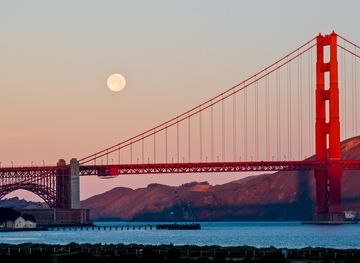
Looking beyond Salinas Valley? Discover California for broader travel guides, local hot-spots, and regional highlights.
Explore CaliforniaSalinas Valley in Photos
Browse through our photo collection highlighting the charm and character of the destination.



The Bountiful Heart of California: Salinas Valley
Salinas Valley, known as the 'Salad Bowl of the World,' is a fertile agricultural region in California, United States. Nestled between the Gabilan and Santa Lucia mountain ranges, this picturesque valley stretches from the Monterey Bay to the central coast, offering stunning landscapes and a temperate climate perfect for farming. Visitors to Salinas Valley can immerse themselves in the rich history and culture of the area. The valley is famous for its connection to iconic American author John Steinbeck, who was born in Salinas and set many of his novels here. A visit to the National Steinbeck Center provides an engaging look into his life and works. Moreover, the Valley is home to many wineries and vineyards, offering wine lovers delightful tasting experiences. Nature enthusiasts will find plenty to explore in and around Salinas Valley. The nearby Pinnacles National Park boasts unique rock formations, caves, and hiking trails, making it a must-visit for adventure seekers. The valley's farms and farmers' markets are a feast for the senses, offering fresh produce and local specialties that reflect the region's agricultural heritage.