

Free South-West Region Travel Guide & Mobile App
Explore South-West Region with free travel guides. Discover regional history, expert tips, proposed trips, and audio guides on web or mobile app.


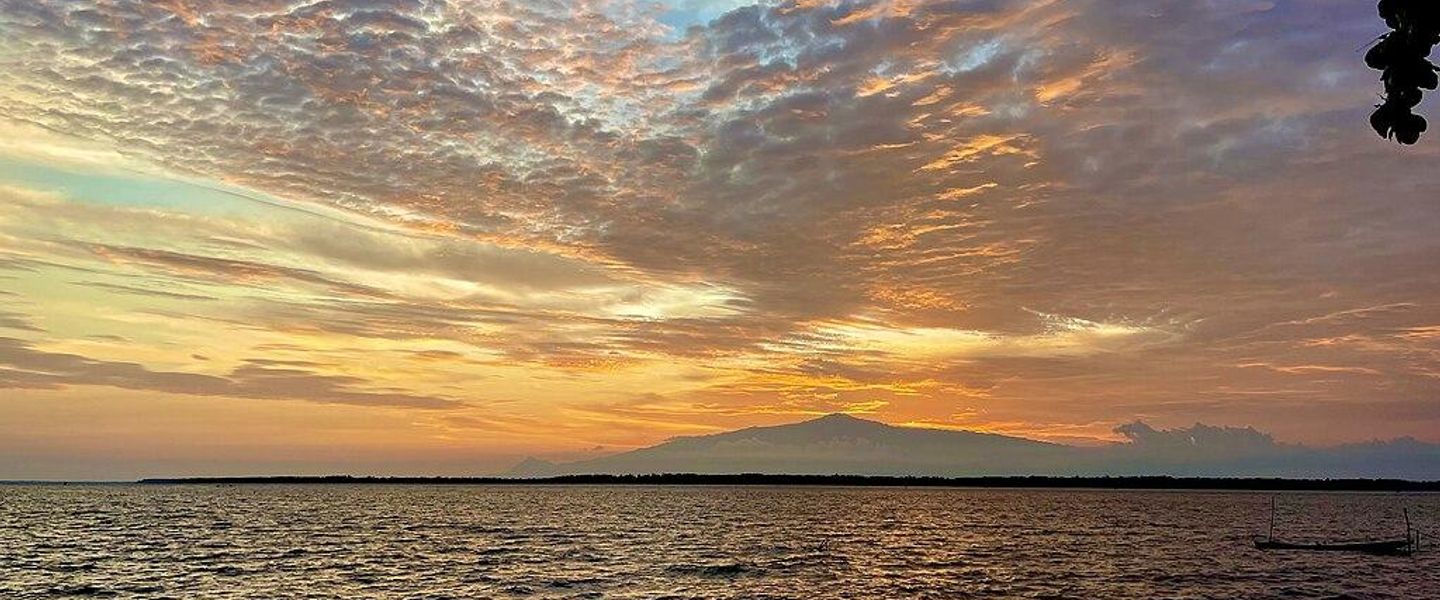


Explore South-West Cameroon for volcanic mountain trails, Atlantic beaches, rainforest biodiversity, coastal cuisine and distinctive English-speaking heritage.
Read more about South-West Region
When is the best time to visit South-West Region?
Best: January–March · 28–29°C| Month | High (°C) | Rainfall (mm) |
|---|---|---|
| January (best) | 28 | 100 |
| February (best) | 29 | 110 |
| March (best) | 29 | 120 |
| April | 29 | 130 |
| May | 30 | 140 |
| June | 29 | 150 |
| July | 29 | 160 |
| August | 29 | 170 |
| September | 29 | 180 |
| October | 29 | 190 |
| November | 29 | 200 |
| December | 29 | 210 |
Getting to and around South-West Region
How to get there
Transportation
Top city travel guides in South-West Region
The cities of South-West Region, and the easiest places to base yourself.
-

-

-

-

-

-


Swipe for more cities
Destinations in South-West Region
Resorts, valleys and scenic spots worth a trip of their own.
-

-

-

-

-

-


Swipe for more destinations
Best attractions in South-West Region
South-West Cameroon's attractions range from accessible coastal sites to demanding wilderness journeys. Around Limbe, visitors can combine the Limbe Botanic Garden, the Cameroon Wildlife Centre and black-sand beaches with views across Ambas Bay. Buea provides access to Mount Cameroon, whose lower slopes offer guided hiking and whose upper routes require serious preparation, suitable weather and experienced support. The mountain's volcanic terrain, changing vegetation and cooler upland climate distinguish it from the humid coast. Inland, Kumba and the surrounding districts are associated with busy markets, agricultural landscapes and access towards the Bakossi highlands, although current travel conditions must be checked carefully. Korup National Park protects some of West Africa's oldest lowland rainforest and supports primates, birds and extraordinary plant diversity, but reaching it is a substantial expedition rather than a casual excursion. The region also offers opportunities for birdwatching, fishing, cultural interpretation and forest walks where locally organised and currently safe. Attractions are widely dispersed, and the quality of roads, guiding and accommodation varies considerably outside the Limbe–Buea corridor.
-
Museum
National Museum
Discover Cameroon’s vibrant past at the National Museum in Yaoundé, home to rich cultural artifacts and captivating historical exhibits.
-
Cultural landmark
Cameroon Reunification Monument
Explore the Cameroon Reunification Monument, a stunning cultural landmark in Yaoundé symbolizing unity and national pride, surrounded by beautiful gardens.
-
Museum
Maritime Museum Of Douala
Explore Cameroon’s maritime history at the Maritime Museum of Douala, where the sea connects cultures and traditions.
-
Tourist attraction
Chutes de la LOBE
Experience the awe-inspiring beauty of Chutes de la LOBE, where nature's power and tranquility converge in Cameroon.


Best landmarks in South-West Region
Mount Cameroon is the South-West Region's defining natural landmark, rising above Buea and the Fako landscape as an active volcanic massif whose slopes descend towards the Atlantic. Its scale, changing vegetation and historic climbing routes give it both geographical and cultural importance. In Limbe, the volcanic black-sand shoreline and sweeping views across the Gulf of Guinea form a recognisable coastal setting, while the Limbe Botanic Garden preserves a major reminder of the area's colonial-era botanical and agricultural interests. Buea contains surviving traces of its period as a German colonial administrative centre, although the town's historical character is interwoven with later Cameroonian institutions and everyday urban life. The forested ranges of Mount Kupe and the Bakossi Mountains are important natural landmarks in the interior, with significance for biodiversity and local communities. Further west and south, Korup's ancient rainforest is less a single monumental object than a vast ecological landmark: its value lies in the continuity of forest, rivers and wildlife rather than in constructed architecture. Visitors should treat all these places as living environments and use local guidance where access is remote or sensitive.
-
Museum
National Museum
Explore Cameroon's history and culture at the National Museum in Yaoundé, showcasing diverse artifacts, art, and traditions from across the country.
-
Restaurant
Bois Sainte Anastasie
Discover a peaceful retreat in Yaoundé at Bois Sainte Anastasie, offering nature, art, and tranquility in the city center.
-
Cultural landmark
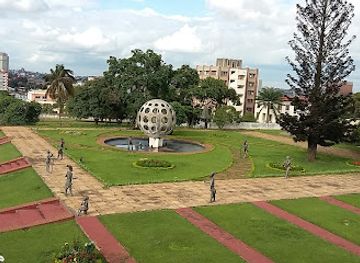
Cameroon Reunification Monument
A landmark in Yaoundé symbolizing Cameroon's reunification, offering historical insights and panoramic views of the capital city. A must-visit for history enthusiasts.
-
Catholic church
Cathedral of St Peter and Paul Bonadibong
Discover the architectural beauty and spiritual significance of Douala's iconic Cathedral of St Peter and Paul Bonadibong, a cultural landmark in Cameroon.


Explore South-West Region on the map
Plan your trip on one map. See where the top cities, national parks and sights are, and book hotels and experiences in a few clicks.
Best hotels in South-West Region
Best restaurants in South-West Region
Dining in the South-West Region reflects its volcanic soils, tropical agriculture, Atlantic coastline and multilingual cultural setting. Limbe is the clearest place to seek fresh fish, prawns and other seafood, often served with plantains, rice, cassava, cocoyams or pepper-rich sauces. Across the region, common ingredients include plantains, maize, beans, leafy vegetables, groundnuts and locally grown fruits, while grilled fish and meat are widely available in informal eateries and roadside settings. Buea's restaurants and cafés serve a mixture of Cameroonian dishes and familiar international food for residents, students and visitors. Markets are useful for fruit, spices and prepared snacks, though hygiene standards vary and raw food should be chosen carefully. In rural areas, meals are more likely to be arranged through guesthouses or local hosts than found through a formal restaurant scene. Bottled or reliably treated water is advisable, and visitors should ask about ingredients when dishes are particularly hot or unfamiliar.
-
Barbecue
Ministère De Soya
Discover exquisite barbecue flavors at Ministère De Soya in Bonabéri - a culinary gem showcasing Cameroonian cuisine.
-
Restaurant
La Fourchette
Discover exquisite local flavors and international cuisine at La Fourchette, Douala's premier dining destination.
-
Restaurant
One Rooftop
Experience exquisite dining and breathtaking views at One Rooftop in Douala - where culinary excellence meets vibrant nightlife.
-
Barbecue
48 SPICES
Experience the vibrant taste of Cameroon at 48 SPICES, where barbecue meets tradition in the heart of Buea.


Best bars in South-West Region
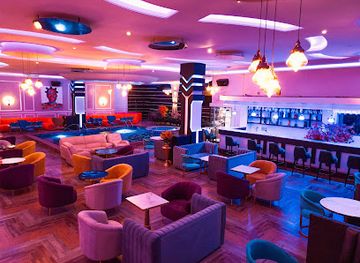
Evening life in the South-West Region centres on restaurants, neighbourhood drinking spots, music and football rather than a single concentrated club district. Limbe has the broadest coastal evening scene, with informal bars, hotel lounges and venues where local music and conversation continue after work, while Buea's sizeable student and professional population supports cafés, bars and occasional live entertainment. Tiko and Kumba have their own locally oriented social scenes, but opening arrangements and venue status can change, and nightlife outside the main towns is limited. In rural districts, evenings are generally quieter and may revolve around guesthouse dining or community gatherings. Because insecurity and curfews can affect movement, visitors should ask trusted local contacts about current conditions, avoid walking between venues at night and arrange transport in advance. Alcohol is not necessary to participate in the region's evening culture, which also includes food, music, sport and informal socialising.
-
Lounge
Black&White Douala
Discover the vibrant nightlife at Black&White Douala, where relaxation meets entertainment in a stylish lounge atmosphere.
-
Bar
One Rooftop
Discover Douala's nightlife at One Rooftop, where stunning views meet exquisite cocktails in a stylish bar and lounge setting.
-
Bar
LA CAVE LOUNGE
Discover the lively LA CAVE LOUNGE in Buea, where refreshing drinks and vibrant music create an unforgettable nightlife experience.
-
Lounge
La Terrasse MI-Baravane
Experience the vibrant ambiance and exquisite flavors at La Terrasse MI-Baravane, Douala's premier lounge destination.


Best nightclubs in South-West Region
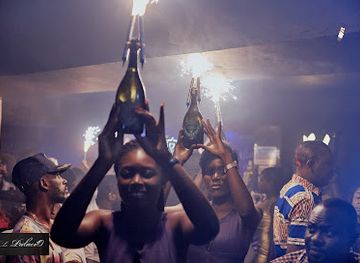
Evening life in the South-West Region centres on restaurants, neighbourhood drinking spots, music and football rather than a single concentrated club district. Limbe has the broadest coastal evening scene, with informal bars, hotel lounges and venues where local music and conversation continue after work, while Buea's sizeable student and professional population supports cafés, bars and occasional live entertainment. Tiko and Kumba have their own locally oriented social scenes, but opening arrangements and venue status can change, and nightlife outside the main towns is limited. In rural districts, evenings are generally quieter and may revolve around guesthouse dining or community gatherings. Because insecurity and curfews can affect movement, visitors should ask trusted local contacts about current conditions, avoid walking between venues at night and arrange transport in advance. Alcohol is not necessary to participate in the region's evening culture, which also includes food, music, sport and informal socialising.
-
Disco club
Byblos Nightclub
Byblos Nightclub in Douala offers an unforgettable nightlife experience with electrifying music, vibrant atmosphere, and a mix of local and international talent.
-
Lounge
Black and White Limbe
Discover the vibrant dining and nightlife experience at Black and White Limbe, where culinary delights meet electrifying entertainment.
-
Night club
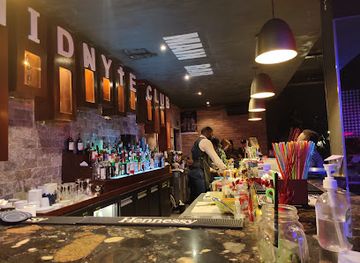
MIDNYTE CLUB
Dive into the electrifying nightlife of Douala at MIDNYTE CLUB, where unforgettable memories and vibrant energy await.
-
Night club
Le PALACIO NIGHT CLUB
Dive into Douala's nightlife at Le PALACIO NIGHT CLUB, where vibrant music and dancing await in a stylish atmosphere.

Best shops in South-West Region
Shopping in the South-West Region is practical, local and strongly connected to agriculture and everyday markets rather than luxury retail. Limbe and Buea have the widest selection of shops, supermarkets, pharmacies, cafés and small independent businesses, while Tiko and Kumba are important market centres for produce, clothing, household goods and regional trade. Fresh plantains, bananas, pineapples, cocoa products, spices and other agricultural goods may be available, though travellers should check what can legally be taken across borders or onto flights. Craft purchases can include woven items, carved objects, textiles and locally made souvenirs, but quality and provenance vary; buy directly from artisans or reputable shops where possible and avoid anything made from protected wildlife. Market etiquette involves browsing without aggressive bargaining, asking before photographing stalls and carrying small CFA franc notes. Retail choice becomes much more limited in remote forest and mountain districts, so obtain essentials in Limbe, Buea or another major town before travelling onwards.
-
Supermarket
Easyshop
Discover a wide range of local and international products at Easyshop, Limbe's premier supermarket for tourists and locals alike.
-
Shopping mall
ROMIS
Explore ROMIS in Limbe for a vibrant shopping experience, featuring clothing, toys, and cultural festivals in a modern, welcoming atmosphere.
-
Clothing store
PAPER FASHION
Explore the vibrant styles at Paper Fashion, a premier clothing store in Limbe showcasing unique Cameroonian designs and local craftsmanship.
-
Clothing store
DALVCOF Kumba
Explore Kumba's vibrant fashion scene at DALVCOF Kumba, where tradition meets contemporary style in a unique clothing store experience.


Get your free copy of our complete guide to South-West Region, delivered straight to you.
Everything on this page, from attractions and restaurants to essentials and local phrases, in one PDF you can read offline, print or share.
Already have an account? Sign in
Your South-West Region guide is ready.
We'll send it to · Not you? Sign out

Getting your guide ready…
We are putting together a fresh copy of the South-West Region guide. This can take up to a minute.
This can take a few moments. If your browser asks, choose Allow so the download can start. You'll find the guide in your Downloads folder.
Nothing happened? Download it again
Sorry, the guide is taking longer than usual. Please try again in a minute, or get it by email instead.
South-West Region essentials
Currency and Payment
Safety
Emergency Situations
Do's and Don'ts
Local Tips
From Eve
Local phrases worth knowing
You don't need to get them perfect. A few words go a long way, and locals appreciate the effort.
Basics
| English | Local | Say it |
|---|---|---|
| Hello | Bikutsi | [bee-koot-see] |
| Goodbye | Ndeh | [ndeh] |
| Yes | Ee | [ay] |
| No | Ayi | [ah-yee] |
| Please/You're welcome | Meka | [meh-kah] |
| Thank you | Mekassi | [meh-kah-see] |
| Excuse me/Sorry | Naa | [nah] |
| How are you? | Nda me na? | [ndah meh nah] |
| Fine. And you? | Aye. Nda me na? | [ah-yeh. ndah meh nah] |
| Do you speak English? | Nda bue English? | [ndah boo-eh English] |
| I don't understand | Nda sam no | [ndah sahm noh] |
Eating & Drinking
| English | Local | Say it |
|---|---|---|
| I'd like to see the menu, please | Nda meka menu, meka | [ndah meh-kah meh-noo, meh-kah] |
| I don't eat meat | Nda sam mef | [ndah sahm meh-f] |
| Cheers! | Ngwa! | [ngwah] |
| I would like to pay, please | Nda meka pay, meka | [ndah meh-kah pay, meh-kah] |
Emergencies
| English | Local | Say it |
|---|---|---|
| Help! | Nda ngwo! | [ndah ngwoh] |
| Go away! | Nda go na! | [ndah go nah] |
| Call the Police! | Nda bue Police! | [ndah boo-eh po-lees] |
| Call a doctor! | Nda bue doctor! | [ndah boo-eh dock-tor] |
| I'm lost | Nda sam lost | [ndah sahm lost] |
| I'm ill | Nda sam sick | [ndah sahm sick] |
Shopping
| English | Local | Say it |
|---|---|---|
| I'd like to buy... | Nda meka buy... | [ndah meh-kah buy] |
| I'm just looking | Nda just look | [ndah juhst look] |
| How much is it? | Nda me na? | [ndah meh nah] |
| That's too expensive | Nda ngwok ngwong | [ndah ngwok ngwong] |
| Can you lower the price? | Nda bue low price? | [ndah boo-eh low price] |
Time & Numbers
| English | Local | Say it |
|---|---|---|
| What time is it? | Nda na time? | [ndah nah time] |
| It's one o'clock | Nda one o'clock | [ndah one o'clock] |
| Half past (10) | Nda half past (10) | [ndah half past (10)] |
| Morning | Buya | [boo-yah] |
| Afternoon | Ngwa | [ngwah] |
| Evening | Okwai | [oh-kwai] |
| Yesterday | Nda yestaday | [ndah yes-tah-day] |
| Today | Nda to-day | [ndah toh-day] |
| Tomorrow | Nda tomorow | [ndah toh-moh-roh] |
| 1 | Nda one | [ndah one] |
| 2 | Nda two | [ndah two] |
| 3 | Nda three | [ndah three] |
| 4 | Nda four | [ndah four] |
| 5 | Nda five | [ndah five] |
| 6 | Nda six | [ndah six] |
| 7 | Nda seven | [ndah seven] |
| 8 | Nda eight | [ndah eight] |
| 9 | Nda nine | [ndah nine] |
| 10 | Nda ten | [ndah ten] |
Transport & Directions
| English | Local | Say it |
|---|---|---|
| Where's a/the...? | Nda we na...? | [ndah weh nah] |
| What's the address? | Nda na address? | [ndah nah address] |
| Can you show me (on the map)? | Nda bue show me (on the map)? | [ndah boo-eh show me (on the map)] |
| When's the next (bus)? | Nda when na next (bus)? | [ndah when nah next (bus)] |
| A ticket (to ....) | Nda ticket (to ....) | [ndah ticket (to ....)] |
History of South-West Region
Early communities and the forest-coast world
The area now known as the South-West Region has long been inhabited by communities whose histories are connected to the volcanic highlands, Atlantic coast, forest corridors and Cross River basin. Bakweri communities around Mount Cameroon, Oroko peoples in the south-western forest zone, Bakossi communities in the highlands and Manyu peoples along the interior routes developed agricultural, trading and social systems adapted to exceptionally wet environments. Archaeological and oral evidence is more fragmentary than the monumental records of some other parts of Africa, but language, settlement patterns and living traditions show that the region's history predates European rule by many centuries.
Atlantic trade and European contact
Coastal communities around Ambas Bay and the Cameroon estuary participated in Atlantic commerce before formal colonial annexation. Trade involved local agricultural products, forest goods and, during the wider Atlantic era, enslaved people and other commodities. European merchants and missionaries became increasingly active along the coast during the nineteenth century. The port environment, navigable waterways and fertile volcanic soils later made the area attractive to colonial powers, while coastal towns became points of contact between local authorities, Christian missions and foreign commercial interests.
German Kamerun and plantation development
Germany established colonial control over Kamerun from the 1880s, and the volcanic south-western coast became a significant centre of plantation agriculture and administrative activity. German influence remains visible in parts of Buea and in the historical development of routes, estates and coastal settlements. Plantations cultivated crops including cocoa, bananas and rubber, often through coercive colonial labour systems and dispossession of local communities. The construction of administrative infrastructure linked the slopes of Mount Cameroon to the coast, laying foundations for the region's later commercial geography.
British administration after the First World War
After Germany's defeat in the First World War, the former German colony was divided between French and British administrations under League of Nations mandates. The western portion, including the territory corresponding broadly to today's South-West Region, became part of British Cameroons and was administered from neighbouring Nigeria. English-language education, common-law institutions, churches and commercial links with Nigeria shaped a regional identity distinct from French-administered Cameroon. Buea and Limbe, then commonly known as Victoria, retained important administrative and agricultural roles during this period.
Plebiscite and reunification, 1961
The future of British Cameroons was decided through a United Nations-organised plebiscite in 1961. Northern British Cameroons voted to join Nigeria, while Southern British Cameroons voted to reunite with the formerly French-administered Republic of Cameroon. The federation created after reunification was later replaced by a more centralised state, contributing to long-running debates over regional autonomy, language, legal traditions and political representation. The South-West Region's bilingual but predominantly English-speaking character is rooted in this transition.
Agriculture, trade and urban growth after independence
Following independence and reunification, the region continued to rely heavily on plantation agriculture, smallholder farming, fishing, trade and public services. The fertile volcanic soils around Mount Cameroon supported bananas, plantains, cocoa and other crops, while Limbe developed as a port and tourism centre and Kumba became an important inland market. Roads, schools and administrative towns expanded unevenly. Economic links with Nigeria remained significant, particularly in border and market areas, while the region's English-speaking institutions continued to distinguish it within Cameroon.
The Anglophone crisis and continuing instability
Discontent over perceived political marginalisation, changes to the legal and education systems, and the treatment of English-speaking regions developed into large-scale protests in 2016. The crisis subsequently escalated into armed conflict involving separatist groups and government forces in the North-West and South-West regions. Civilians, schools, businesses and transport have been affected, and conditions vary substantially between towns and rural areas. This recent history is essential for visitors: security advice, movement restrictions and access arrangements are not merely administrative details but part of the region's current social and travel context.
South-West Region in Photos
Browse through our photo collection highlighting the charm and character of the destination.
Neighbouring regions of South-West Region
The closest regions to South-West Region, if you have time for more than one.
-

-

-

-
-


Swipe for more regions
Explore more

Explore more of Cameroon
Discover Cameroon: A Land of Diverse Landscapes, Rich Cultural Heritage, and Unforgettable Adventures in the Heart of Africa.
Explore Cameroon