

Free Detroit Travel Guide & Mobile App
Plan your Detroit trip with Evendo. Get free guides to top attractions, restaurants, hotels, and bars. Web access or download the mobile app.


Detroit pairs Motor City history with Motown music, Art Deco landmarks, riverfront parks, acclaimed museums and distinctive food across southeast Michigan.
A River City with a Powerful Identity
Detroit stands on the Detroit River in south-eastern Michigan, facing Windsor, Ontario, across an international waterway. Its identity was shaped first by Indigenous Great Lakes peoples and French settlement, then by shipping, manufacturing, migration and music. The result is a city of striking contrasts: grand early twentieth-century buildings rise beside districts of creative reuse, while broad avenues and industrial remnants reveal the scale of its former manufacturing power.Read more about Detroit
Architecture, Art and Music
Neighbourhoods and Open Space
When is the best time to visit Detroit?
Best: June, August–September · 23–28°C| Month | High (°C) | Rainfall (mm) |
|---|---|---|
| January | 1 | 48 |
| February | 3 | 42 |
| March | 9 | 51 |
| April | 15 | 70 |
| May | 21 | 83 |
| June (best) | 26 | 86 |
| July | 29 | 81 |
| August (best) | 28 | 77 |
| September (best) | 23 | 73 |
| October | 17 | 70 |
| November | 10 | 58 |
| December | 3 | 52 |
Getting to and around Detroit
How to get there
Transportation
Best attractions in Detroit
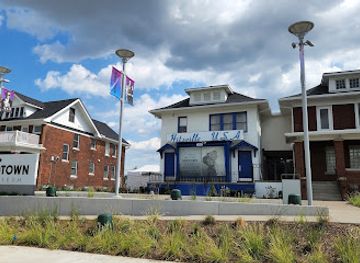
Detroit’s attractions reveal several sides of the city at once. The Detroit Institute of Arts is a major cultural institution, especially known for Diego Rivera’s Detroit Industry murals, while the Charles H. Wright Museum of African American History traces a much broader national and international story. At Motown Museum, the Hitsville U.S.A. buildings preserve the compact setting associated with Berry Gordy’s record label and its influential artists. The Detroit RiverWalk offers open views towards Canada, and the Dequindre Cut turns a former below-grade railway corridor into a landscaped pedestrian and cycling route. Belle Isle adds beaches, woodland, gardens and the Belle Isle Aquarium to the urban itinerary. Eastern Market combines historic market sheds with murals and food businesses, while the Heidelberg Project presents an evolving outdoor art environment across residential streets. Historic Michigan Central and the surrounding Corktown district illustrate the city’s ongoing architectural and industrial transformation.
-
Tourist attraction
Henry Ford Museum of American Innovation
Discover the remarkable history of American innovation at the Henry Ford Museum, where technology meets culture in an engaging setting.
36 min drive · 16 km from city centre
-
Tourist attraction
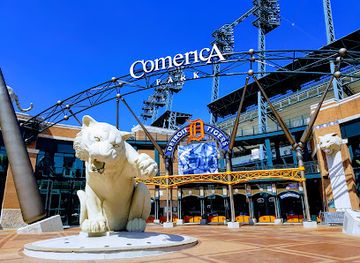
Comerica Park
Discover the heart of Detroit's sports culture at Comerica Park, home of the Detroit Tigers, offering thrilling baseball and vibrant entertainment.
11 min walk · 0.9 km from city centre
-
Arena
Little Caesars Arena
Discover the excitement of Little Caesars Arena in Detroit, home to thrilling sports events and unforgettable live performances all year round.
17 min walk · 1.3 km from city centre
-
Tourist attraction
Comerica Park
Discover the excitement of Comerica Park, home of the Detroit Tigers, where baseball and entertainment come together in the heart of Detroit.
11 min walk · 0.9 km from city centre


Best landmarks in Detroit
Detroit’s landmarks express its civic ambition, industrial wealth and cultural history. The Guardian Building is celebrated for its richly coloured Art Deco interior and tilework, while the Fisher Building in New Center is another major example of the city’s 1920s commercial architecture. The Fox Theatre remains a lavish performance venue, and the Detroit Opera House contributes to the city’s theatrical heritage. Campus Martius Park occupies a central place in Detroit’s rebuilt civic core, close to the historic Woodward Avenue axis. The Renaissance Center forms a modern riverfront landmark, while Michigan Central Station in Corktown symbolises the rise, decline and renewed significance of rail and industry in Detroit. On Belle Isle, the James Scott Memorial Fountain, Anna Scripps Whitcomb Conservatory and Belle Isle Aquarium form a notable group of recreational and civic structures. The Charles H. Wright Museum and Motown Museum are cultural landmarks as much as visitor attractions.
-
 Art museum
Detroit Institute of Arts
Explore the Detroit Institute of Arts, home to over 65,000 artworks, including masterpieces by Van Gogh and Rivera, in a stunning architectural setting.
10 min drive · 3.5 km from city centre
-
City park
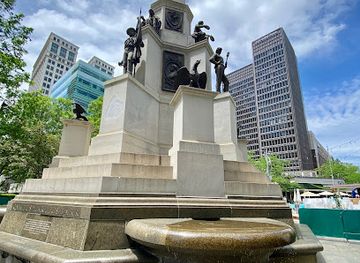
Campus Martius Park
Explore the vibrant Campus Martius Park in downtown Detroit, an urban oasis filled with lush landscapes, cultural events, and breathtaking city views.
1 min walk · 0.1 km from city centre
-
Museum
Motown Museum
Explore the iconic Motown Museum in Detroit, where music history comes alive with the stories of legendary artists and timeless hits.
15 min drive · 5.0 km from city centre
-
Event venue
Hart Plaza
Explore Hart Plaza, Detroit's cultural heartbeat, where scenic views meet vibrant events and artistic expression.
5 min walk · 0.4 km from city centre
Explore Detroit on the map
Plan your Detroit trip on one map. See where the top attractions, landmarks, restaurants, bars and hotels are, find what's near where you're staying, and book hotels and experiences in a few clicks.
Neighbourhoods in Detroit
-

-

-

-

-


Swipe for more neighbourhoods
Best hotels in Detroit
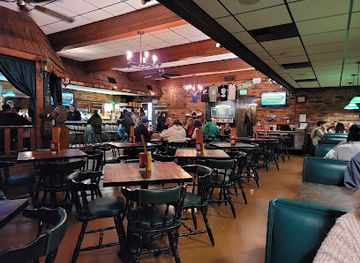
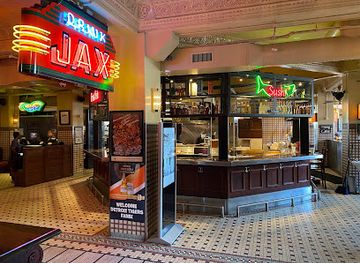
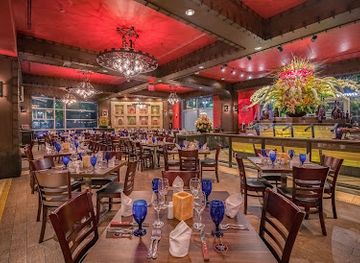
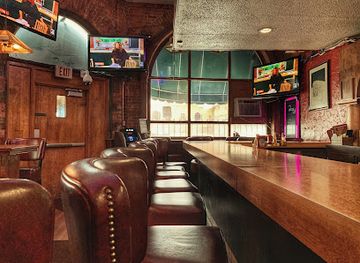
Best restaurants in Detroit
Detroit’s food identity is closely tied to working-class ingenuity, migration and the car-oriented twentieth century. Detroit-style pizza is baked in a rectangular pan with a crisp, caramelised cheese edge, while the city’s coney islands serve the local version of a hot dog topped with chilli, mustard and onions. Eastern Market is a useful place to encounter produce, baked goods, prepared food and seasonal specialities, with the surrounding area offering restaurants and bars in converted commercial spaces. Greektown reflects an older Greek-American presence, while the wider metropolitan area is known for Middle Eastern restaurants and bakeries shaped by Lebanese, Yemeni and other communities. Soul food, barbecue, Polish-influenced dishes, burgers and contemporary small-plate cooking broaden the scene. Independent cafés and bakeries are particularly noticeable in Corktown, Midtown, Eastern Market and Hamtramck.
-
New American
Green Dot Stables
Discover Green Dot Stables: A vibrant New American restaurant in Detroit known for its innovative sliders and extensive drink selection.
7 min drive · 2.4 km from city centre
-
Seafood
Fishbone's
Savor exquisite seafood and Cajun delights at Fishbone's in Detroit's vibrant Greektown district.
5 min walk · 0.4 km from city centre
-
Steak
Texas de Brazil - Detroit
Experience the vibrant flavors of Brazilian cuisine at Texas de Brazil - Detroit, where churrasco meets exquisite dining in an elegant atmosphere.
2 min walk · 0.2 km from city centre
-
Restaurant
Sweetwater Tavern
Experience the best flavors at Sweetwater Tavern in Detroit – where comfort food meets culinary innovation in a vibrant atmosphere.
4 min walk · 0.3 km from city centre
Best bars in Detroit
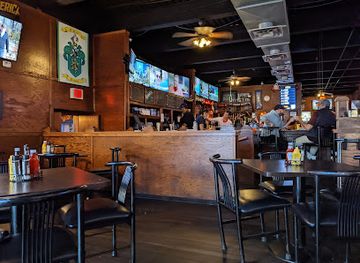
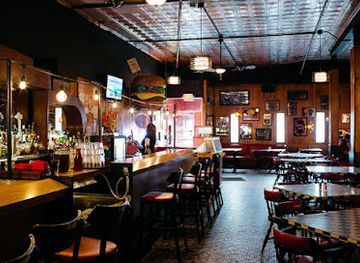
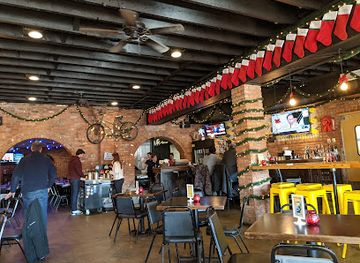
Detroit’s evenings range from live music and theatre to neighbourhood bars and late-night dance floors. Downtown contains established performance venues including the Fox Theatre, Fillmore Detroit and Saint Andrew’s Hall, while the Detroit Opera House presents opera, dance and other staged productions. The city’s musical heritage remains audible in concert spaces, jazz programmes and clubs that draw on blues, soul, techno and rock traditions; Detroit is widely recognised as a birthplace of techno. Corktown, Midtown, Eastern Market, Greektown and parts of Downtown each have different evening rhythms, from relaxed beer bars and cocktail rooms to busier venues around events and sports fixtures. Hamtramck, an independent city surrounded by Detroit, is also associated with live music and late-night venues. Opening patterns vary considerably, so local event calendars are more useful than assuming a uniform nightlife schedule.
-
Pub
Grand Trunk Pub
Discover the vibrant Irish pub scene at Grand Trunk Pub in Downtown Detroit, offering delightful cuisine and a lively atmosphere.
1 min walk · 0.1 km from city centre
-
Irish pub
McShane's Irish Pub & Whiskey Bar
Discover the soul of Corktown at McShane's Irish Pub, where authentic Irish food, live music, and whiskey await every visitor.
5 min drive · 1.7 km from city centre
-
Grill
Checker Bar Detroit
Discover Checker Bar Detroit for delicious grilled favorites, refreshing drinks, and fun-filled arcade games in the heart of downtown.
2 min walk · 0.1 km from city centre
-
Gastropub
Bobcat Bonnie's
Discover the vibrant flavors and lively atmosphere of Bobcat Bonnie's, a must-visit gastropub in Corktown, Detroit, for food and drink lovers.
6 min drive · 2.1 km from city centre

Best nightclubs in Detroit
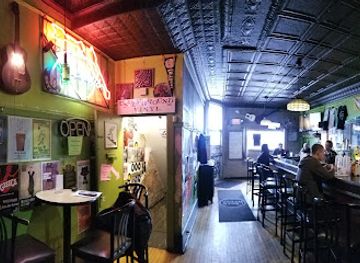
Detroit’s evenings range from live music and theatre to neighbourhood bars and late-night dance floors. Downtown contains established performance venues including the Fox Theatre, Fillmore Detroit and Saint Andrew’s Hall, while the Detroit Opera House presents opera, dance and other staged productions. The city’s musical heritage remains audible in concert spaces, jazz programmes and clubs that draw on blues, soul, techno and rock traditions; Detroit is widely recognised as a birthplace of techno. Corktown, Midtown, Eastern Market, Greektown and parts of Downtown each have different evening rhythms, from relaxed beer bars and cocktail rooms to busier venues around events and sports fixtures. Hamtramck, an independent city surrounded by Detroit, is also associated with live music and late-night venues. Opening patterns vary considerably, so local event calendars are more useful than assuming a uniform nightlife schedule.
-
Night club
Lager House
Discover the lively atmosphere of Lager House, a premier night club in Corktown, Detroit, where brunch meets live music and vibrant nightlife.
18 min walk · 1.4 km from city centre
-
Cocktail bar
The Monarch Club
Experience upscale cocktails and breathtaking views at The Monarch Club in Detroit's vibrant downtown area, perfect for a chic night out.
6 min walk · 0.5 km from city centre
-
Night club
Deluxx Fluxx
Discover the pulse of Detroit nightlife at Deluxx Fluxx, a vibrant club offering eclectic music and unforgettable experiences in a stunning setting.
5 min walk · 0.4 km from city centre
-
Night club
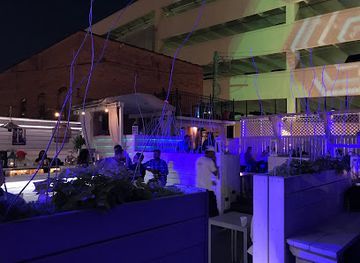
Exodos Rooftop
Discover the vibrant nightlife of Detroit at Exodos Rooftop, where stunning views meet unforgettable experiences in a chic atmosphere.
7 min walk · 0.5 km from city centre

Best shops in Detroit
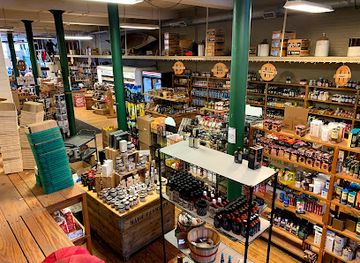
Detroit shopping is strongest where independent retail, food culture and neighbourhood identity overlap. Eastern Market’s historic sheds and surrounding businesses offer produce, flowers, prepared foods, local goods and seasonal shopping, with activity varying by market day. Along and around Woodward Avenue, Downtown and Midtown have a changing mix of clothing, design, books, records and gifts, while Corktown is associated with small retailers, cafés and creative businesses. Hamtramck contributes specialist food shops and products reflecting its Polish, Bangladeshi, Yemeni and other communities. Visitors seeking locally connected purchases can look for Motown-related music and design, Detroit-made clothing, prints, crafts and food products, while the city’s record shops draw on its deep musical history. Shopping conditions vary by district, so independent retailers and market schedules are best checked locally rather than assumed to follow conventional high-street hours.
-
Gift shop
Viva La Vida Imports
Explore Viva La Vida Imports in Detroit's Eastern Market for unique gifts and local artisan treasures that capture the city's vibrant spirit.
5 min drive · 1.8 km from city centre
-
Gift shop
City Bird
Explore City Bird, a quaint gift shop in Detroit's Midtown, offering locally made treasures and unique souvenirs that capture the spirit of the city.
8 min drive · 2.8 km from city centre
-
Antique store
Vintage Eastern Market, LLC
Explore Vintage Eastern Market in Detroit: a treasure trove of antiques, unique finds, and local craftsmanship in a vibrant market setting.
6 min drive · 1.9 km from city centre
-
Gift shop
POST
Explore POST in Detroit: Your destination for unique gifts, handmade crafts, and local treasures that celebrate the spirit of the city.
29 min drive · 9.7 km from city centre



Get your free copy of our complete guide to Detroit, delivered straight to you.
Everything on this page, from attractions and restaurants to essentials and local phrases, in one PDF you can read offline, print or share.
Already have an account? Sign in
Your Detroit guide is ready.
We'll send it to · Not you? Sign out

Getting your guide ready…
We are putting together a fresh copy of the Detroit guide. This can take up to a minute.
This can take a few moments. If your browser asks, choose Allow so the download can start. You'll find the guide in your Downloads folder.
Nothing happened? Download it again
Sorry, the guide is taking longer than usual. Please try again in a minute, or get it by email instead.
Detroit essentials
Currency and Payment
Safety
Emergency Situations
Do's and Don'ts
Local Tips
From Eve
Local phrases worth knowing
You don't need to get them perfect. A few words go a long way, and locals appreciate the effort.
Basics
| English | Local | Say it |
|---|---|---|
| Hello | What up doe | [wut up doh] |
| Goodbye | Peace out | [peese owt] |
| Yes | Yeah | [yeh] |
| No | Nah | [na] |
| Please/You're welcome | Please/No problem | [pleez/no problm] |
| Thank you | Thanks | [thangs] |
| Excuse me/Sorry | My bad | [my bad] |
| How are you? | How you doin'? | [how yoo dooin] |
| Fine. And you? | Chillin'. You? | [chil-lin. yoo] |
| Do you speak English? | You speak English? | [yoo speak ing-glish] |
| I don't understand | I don't get it | [i dont get it] |
Eating & Drinking
| English | Local | Say it |
|---|---|---|
| I'd like to see the menu, please | Lemme see the menu, please | [lem-mee see the menu pleez] |
| I don't eat meat | I don't eat meat | [i dont eat meet] |
| Cheers! | Cheers! | [cheers] |
| I would like to pay, please | I wanna pay, please | [i wanna pay pleez] |
Emergencies
| English | Local | Say it |
|---|---|---|
| Help! | Help! | [help] |
| Go away! | Get lost! | [get lost] |
| Call the Police! | Call the Po-Po! | [call the po-po] |
| Call a doctor! | Get a doc! | [get a doc] |
| I'm lost | I'm lost | [im lost] |
| I'm ill | I'm sick | [im sik] |
Shopping
| English | Local | Say it |
|---|---|---|
| I'd like to buy... | I wanna buy... | [i wanna buy] |
| I'm just looking | Just browsing | [just bro-zing] |
| How much is it? | How much? | [how much] |
| That's too expensive | That's steep | [thats steep] |
| Can you lower the price? | Can you do a deal? | [can you do a deal] |
Time & Numbers
| English | Local | Say it |
|---|---|---|
| What time is it? | What time is it? | [what time is it] |
| It's one o'clock | It's one | [its one] |
| Half past (10) | Ten-thirty | [ten-thur-tee] |
| Morning | Morning | [morning] |
| Afternoon | Afternoon | [afternoon] |
| Evening | Evening | [evening] |
| Yesterday | Yesterday | [yes-ter-day] |
| Today | Today | [to-day] |
| Tomorrow | Tomorrow | [to-mor-row] |
| 1 | One | [wun] |
| 2 | Two | [too] |
| 3 | Three | [three] |
| 4 | Four | [four] |
| 5 | Five | [five] |
| 6 | Six | [six] |
| 7 | Seven | [seven] |
| 8 | Eight | [eight] |
| 9 | Nine | [nine] |
| 10 | Ten | [ten] |
Transport & Directions
| English | Local | Say it |
|---|---|---|
| Where's a/the...? | Where's the...? | [wheres the] |
| What's the address? | What's the addy? | [whats the addy] |
| Can you show me (on the map)? | Can you show me (on the map)? | [can you show me on the map] |
| When's the next (bus)? | When's the next (bus)? | [whens the next bus] |
| A ticket (to ....) | A ticket (to ....) | [a ticket to] |
History of Detroit
Indigenous and French Foundations
The Detroit region has long been home to Indigenous peoples, including Anishinaabe communities connected through the Great Lakes trade and diplomacy networks. In 1701, the French officer Antoine de la Mothe Cadillac established Fort Pontchartrain du Détroit on the river, whose name referred to the strait linking Lake Saint Clair and Lake Erie. French settlement remained relatively small, but the location became strategically important for movement, commerce and military control. The river corridor connected the interior Great Lakes to wider North American networks, shaping Detroit’s future as both a border settlement and a transport centre.
British Rule and American Control
British forces took control of Detroit in 1760 during the Seven Years’ War, and the settlement remained under British authority through the American Revolutionary era. The United States assumed possession in 1796 under the terms of the Jay Treaty. Much of the early town was destroyed by fire in 1805, prompting a rebuilding plan associated with Judge Augustus B. Woodward. Although Woodward’s broad radial scheme was only partly realised, the fire and subsequent reconstruction established patterns of streets and public spaces that influenced the developing city.
Trade, Industry and Urban Growth
During the nineteenth century, Detroit grew through shipping, shipbuilding, river commerce and manufacturing. Its position between the Great Lakes and its connections to railways and roads encouraged industrial expansion, while the city’s population became increasingly diverse through immigration from Europe and migration from elsewhere in North America. By the early twentieth century, Detroit’s grand civic buildings and commercial districts reflected its economic confidence. The developing automotive industry then altered the city’s scale, employment patterns and relationship with surrounding communities.
The Rise of the Motor City
Henry Ford’s moving assembly-line methods, introduced at the Highland Park plant in 1913, helped transform automobile production and made the Detroit region a centre of mass manufacturing. General Motors, Ford and Chrysler built extensive industrial operations in and around the city, attracting workers from the American South, Europe and elsewhere. The Great Migration brought large numbers of African American residents to Detroit, strengthening its cultural and political life while also exposing discriminatory housing and employment practices. Prosperity funded civic landmarks, theatres and institutions, but industrial growth also produced stark inequalities.
Motown and Social Change
Post-war Detroit became internationally associated with Motown Records, founded by Berry Gordy in 1959. From the company’s Hitsville U.S.A. headquarters, artists including The Supremes, Marvin Gaye, Stevie Wonder and The Temptations helped create a polished form of soul music with global influence. At the same time, racial segregation, unequal access to jobs and housing, and strained relations between residents and police intensified. The civil disturbance of July 1967 caused extensive damage and accelerated population and investment changes, leaving a lasting mark on Detroit’s social and political history.
Decline, Bankruptcy and Renewal
Deindustrialisation, suburbanisation, population loss and long-term fiscal pressures challenged Detroit in the late twentieth and early twenty-first centuries. The city entered municipal bankruptcy in 2013, the largest such filing by a US city, and emerged in 2014 after a restructuring that reduced debts and protected essential services and major cultural institutions. Since then, investment has brought new activity to parts of Downtown, Midtown and Corktown, including the redevelopment of Michigan Central. Renewal remains uneven, however, and contemporary Detroit is best understood through both its remarkable cultural assets and the continuing work of neighbourhood organisations and residents.
Detroit in Photos
Browse through our photo collection highlighting the charm and character of the destination.
Cities near Detroit
The closest cities to Detroit, if you have time for more than one stop.
-

-

-

-

-


Swipe for more cities
Explore more

Explore more of Michigan
Explore Michigan's stunning Great Lakes, vibrant cities, and untouched natural beauty. Discover the state's rich cultural heritage and endless outdoor adventures.
Explore Michigan