

Free Front Range Travel Guide & Mobile App
Explore Front Range with free travel guides. Discover regional history, expert tips, proposed trips, and audio guides on web or mobile app.


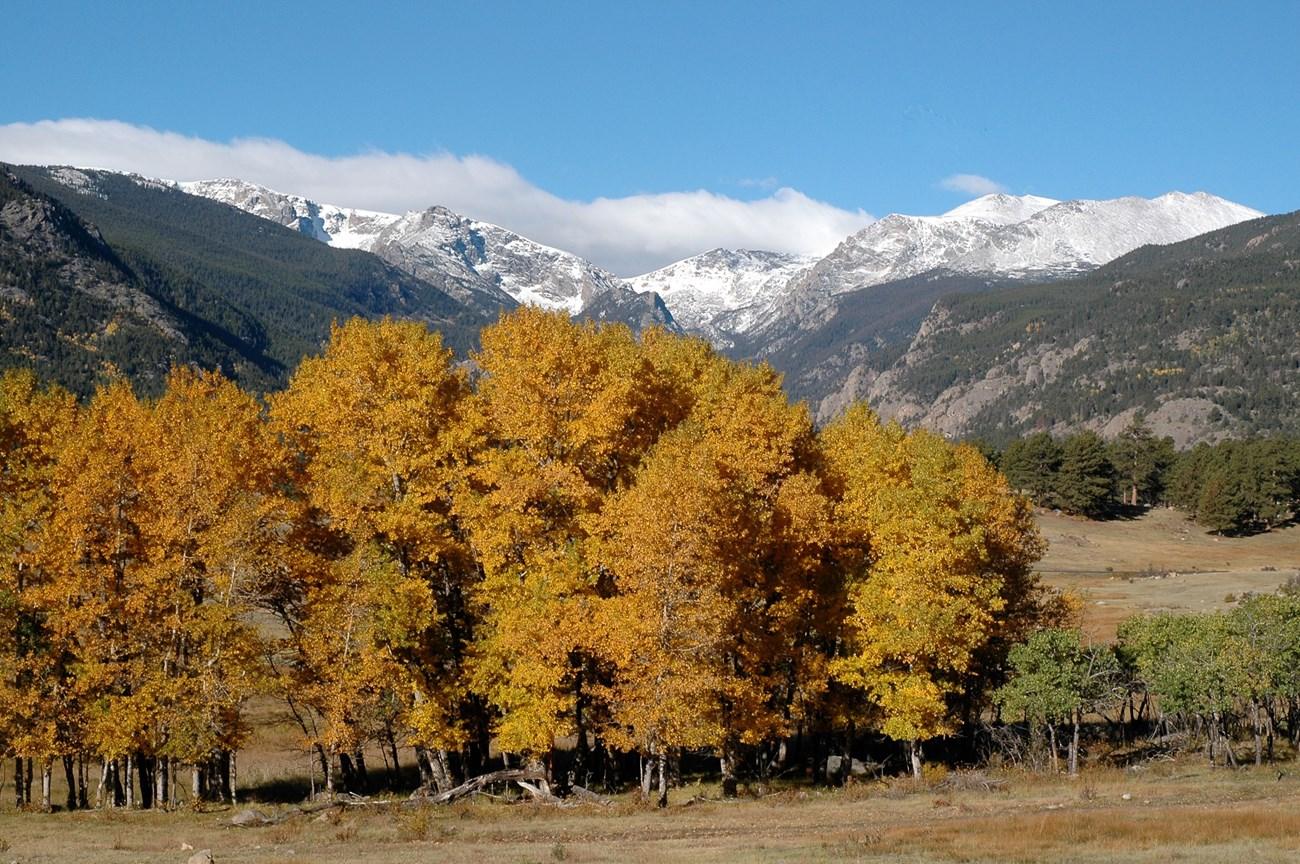


Explore Colorado’s Front Range for Denver culture, foothill trails, red-rock parks, mountain views, craft breweries and historic towns.
Read more about Front Range
When is the best time to visit Front Range?
Best: May–June, September · 23–28°C| Month | High (°C) | Rainfall (mm) |
|---|---|---|
| January | 8 | 15 |
| February | 10 | 20 |
| March | 12 | 25 |
| April | 17 | 30 |
| May (best) | 23 | 40 |
| June (best) | 28 | 45 |
| July | 30 | 50 |
| August | 29 | 45 |
| September (best) | 26 | 35 |
| October | 20 | 25 |
| November | 12 | 20 |
| December | 8 | 15 |
Getting to and around Front Range
How to get there
Transportation
Top city travel guides in Front Range
The cities of Front Range, and the easiest places to base yourself.
-

-

-

-

-

-


Swipe for more cities
Destinations in Front Range
Resorts, valleys and scenic spots worth a trip of their own.
-

-

-

-


Swipe for more destinations
Best attractions in Front Range
The Front Range offers a broad mix of metropolitan culture, foothill landscapes and outdoor recreation. Denver provides major museums, performing arts, galleries, professional sport and neighbourhoods with distinct architectural and culinary identities. Around Golden and Morrison, former industrial and mining history meets red-rock scenery, while Boulder’s open spaces and trail network place the Flatirons within easy reach of the city. Fort Collins combines a historic central district with bike routes, breweries and access to northern foothill landscapes. South of Denver, Colorado Springs provides museums, gardens and mountain viewpoints, with Garden of the Gods offering marked paths among prominent sandstone formations. Across the corridor, visitors can find wildlife areas, reservoirs, climbing sites, scenic drives, agricultural communities and extensive trail systems. Mountain destinations connected to the Front Range require careful planning: altitude, seasonal closures, parking controls and changing weather can affect access, and a map distance rarely reflects actual travel time.
-
Park
Red Rocks Park and Amphitheatre
Experience the unparalleled beauty and vibrant live music at Red Rocks Park and Amphitheatre, a natural wonder in Morrison, Colorado.
-
Stadium
Coors Field
Experience baseball at its finest in Denver's iconic Coors Field, home of the Colorado Rockies and a landmark in the vibrant LoDo district.
-
Botanical garden
Denver Botanic Gardens
Discover a world of plants and beauty at Denver Botanic Gardens, an urban sanctuary in the heart of Denver. Open daily!
-
Science museum
Denver Museum of Nature & Science
Explore the cosmos, Earth's wonders, and human innovation at Denver's premier science and natural history museum.


Best landmarks in Front Range
The Front Range is defined visually by peaks, foothills and rock formations that have also influenced settlement and regional identity. The Flatirons above Boulder are among Colorado’s most recognisable natural landmarks, their angled sandstone slabs forming a dramatic edge to the city. Pikes Peak dominates the southern skyline and has long served as a navigational and symbolic feature of Colorado Springs. Garden of the Gods, also in Colorado Springs, is noted for towering red sandstone formations set against the mountains. Red Rocks Park near Morrison combines a naturally formed amphitheatre with a celebrated concert venue, while the foothills around Golden preserve the relationship between geology, mining and urban development. In Denver, the Colorado State Capitol and the surrounding Civic Center express the political importance of the state capital, and the city’s Union Station reflects the continuing significance of rail transport. Together these places show how the Front Range’s identity rests on the meeting of plains, cities and mountains.
-
Shopping mall
Pearl Street Mall
Discover the eclectic charm of Pearl Street Mall in Boulder, Colorado – a vibrant shopping and social hub filled with unique shops, delicious dining, and lively entertainment.
-
Historical landmark
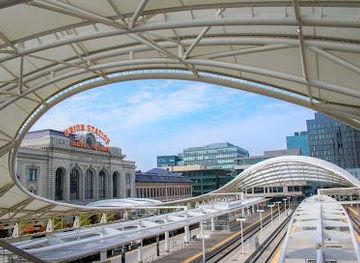
Denver Union Station
Explore the historic Denver Union Station, a vibrant hub of dining, shopping, and transit that beautifully merges the past with the present.
-
Historical place
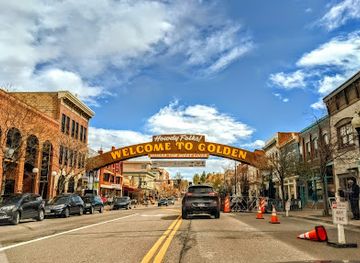
Downtown Golden
Explore the historic charm and natural beauty of Downtown Golden, a vibrant destination in Colorado perfect for tourists seeking adventure and culture.
-
Tourist attraction
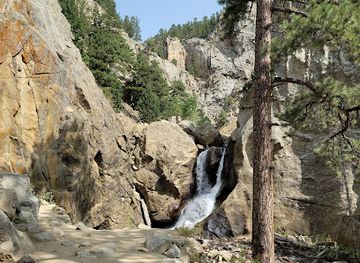
Boulder Falls
Discover the breathtaking beauty of Boulder Falls, a stunning waterfall nestled in Boulder Canyon, Colorado, perfect for nature lovers and adventure seekers.
Explore Front Range on the map
Plan your trip on one map. See where the top cities, national parks and sights are, and book hotels and experiences in a few clicks.
Best hotels in Front Range
Best restaurants in Front Range
Dining across the Front Range reflects Colorado’s agricultural plains, mountain setting and increasingly diverse urban population. Denver has the region’s widest range, from contemporary restaurants and international cooking to long-established steakhouses, cafés and food halls. Boulder and Fort Collins are known for strong independent dining cultures shaped by university communities and local produce. In Colorado Springs and smaller foothill towns, visitors will find Western-style cooking, Mexican and New Mexican-influenced dishes, green-chile preparations, bakeries and casual eateries alongside more formal restaurants. Craft beer is a major part of the regional food culture, while cider, spirits and coffee are also widely represented. Farmers’ markets and farm shops are useful places to encounter seasonal fruit, vegetables, honey and prepared foods from the plains. Restaurant choices thin out in rural and mountain areas, so reservations or an earlier meal can be sensible during busy seasons.
-
Restaurant
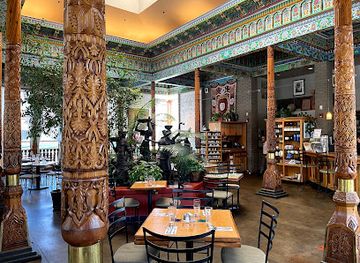
The Boulder Dushanbe Teahouse
Discover the enchanting Boulder Dushanbe Teahouse - A cultural gem serving exquisite teas and delicious dishes in a stunning setting.
-
Hamburger
Dark Horse
Experience the best burgers and vibrant nightlife at Dark Horse in Boulder - where delicious food meets live music!
-
Brunch
The Buff
Experience the best brunch at The Buff in Boulder, offering delicious American cuisine in a vibrant atmosphere perfect for any occasion.
-
American
The Sink
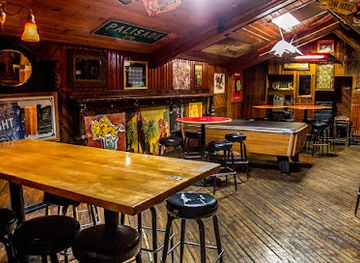
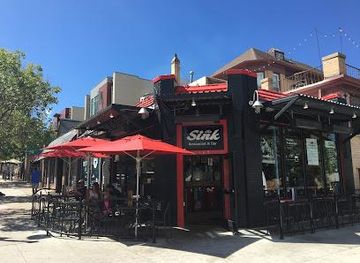
Boulder's legendary Sink: murals alive with art, Sinkburgers sizzling since 1958, and wood-fired pizzas fueling The Hill's endless energy in a 1923 icon of casual cool.
Best bars in Front Range
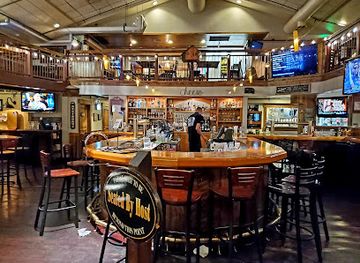
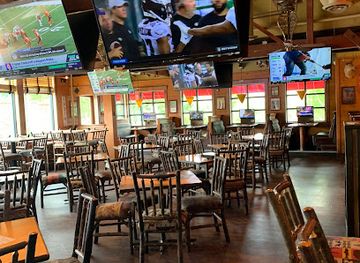
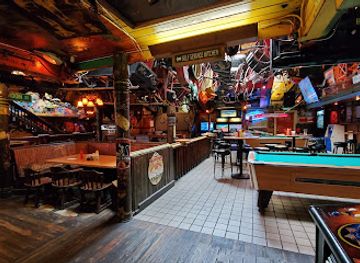
Nightlife varies sharply along the Front Range. Denver has the largest concentration of cocktail bars, live-music venues, breweries, late-night restaurants and clubs, with activity spread among several neighbourhoods rather than confined to one district. Boulder and Fort Collins have lively evening scenes shaped in part by their universities, including pubs, breweries, music venues and independent bars. Colorado Springs offers breweries, restaurants, performing arts and a smaller selection of late-night venues, while Golden, Longmont and other communities tend towards brewpubs, historic-style bars and relaxed evening dining. Outside the main cities, evening life is generally centred on local pubs, restaurants and occasional live music rather than nightclubs. Alcohol regulations, last-service times and entry requirements vary by establishment, so check locally and plan transport responsibly, particularly when staying beyond the main urban areas.
-
Grill
Viewhouse Ballpark
Discover the lively atmosphere and mouthwatering grill dishes at Viewhouse Ballpark, a must-visit culinary hotspot in Denver.
-
Restaurant
Dillon Dam Brewery
Discover Dillon Dam Brewery, where delicious food meets handcrafted beers in a charming setting in Dillon, Colorado.
-
Sports bar
Twin Peaks
Experience the ultimate sports bar at Twin Peaks, where American cuisine meets a vibrant atmosphere in Lakewood, Colorado.
-
Bar
Dark Horse
Experience the vibrant flavor and fun at Dark Horse, Boulder’s favorite bar and grill, known for its delicious food and live music.
Best nightclubs in Front Range
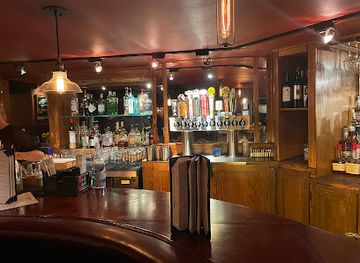
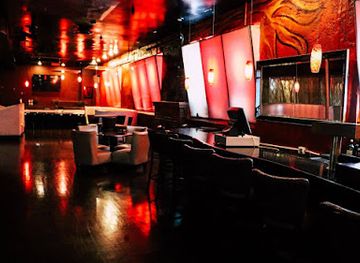
Nightlife varies sharply along the Front Range. Denver has the largest concentration of cocktail bars, live-music venues, breweries, late-night restaurants and clubs, with activity spread among several neighbourhoods rather than confined to one district. Boulder and Fort Collins have lively evening scenes shaped in part by their universities, including pubs, breweries, music venues and independent bars. Colorado Springs offers breweries, restaurants, performing arts and a smaller selection of late-night venues, while Golden, Longmont and other communities tend towards brewpubs, historic-style bars and relaxed evening dining. Outside the main cities, evening life is generally centred on local pubs, restaurants and occasional live music rather than nightclubs. Alcohol regulations, last-service times and entry requirements vary by establishment, so check locally and plan transport responsibly, particularly when staying beyond the main urban areas.
-
Bar
License No. 1
Discover License No. 1: A lively bar and restaurant in Boulder, Colorado, featuring craft beers, delicious food, and live music for an unforgettable night.
-
Night club
The Church Nightclub
Discover the unique nightlife experience at The Church Nightclub, where stunning architecture meets vibrant music and unforgettable parties.
-
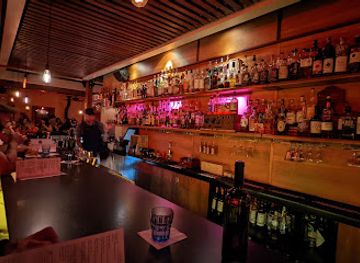
Cocktail bar
The Bitter Bar
Discover Boulder’s cocktail culture at The Bitter Bar, where creative mixology and a vibrant atmosphere await you.
-
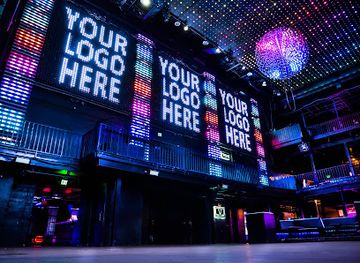
Night club
Temple Nightclub Denver
Dive into the electrifying nightlife of Denver at Temple Nightclub, where music and excitement unite in a spectacular venue.
Best shops in Front Range
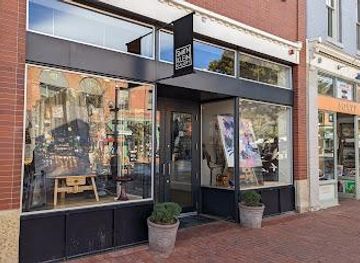
Shopping along the Front Range ranges from major urban retail districts to farmers’ markets, independent bookshops, outdoor-gear stores, galleries and craft producers. Denver offers the broadest selection, including central shopping streets, neighbourhood boutiques, design shops and specialist food retailers. Boulder combines independent businesses with galleries, outdoor equipment and locally produced goods, while Fort Collins is known for its walkable historic centre, small retailers and food and drink producers. Colorado Springs has larger retail areas as well as galleries and shops oriented towards regional arts and outdoor interests. In foothill towns such as Golden, visitors can browse local crafts, books, clothing and Colorado-themed products, though stock and opening patterns vary. Useful regional purchases include packaged coffee, beer or spirits where legally sold, locally made foods, artwork, outdoor equipment and gifts inspired by the state’s landscapes; avoid buying natural specimens or historic objects removed from protected areas.
-
Shopping mall
Pearl Street Mall
Discover the lively Pearl Street Mall in Boulder, a pedestrian paradise filled with shops, dining, and local entertainment against the stunning Flatirons backdrop.
-
Outlet mall
Colorado Mills
Explore Colorado Mills, a vibrant outlet mall in Lakewood, Colorado, featuring an extensive selection of shops, dining, and entertainment for the ultimate shopping experience.
-
Historical landmark
Larimer Square
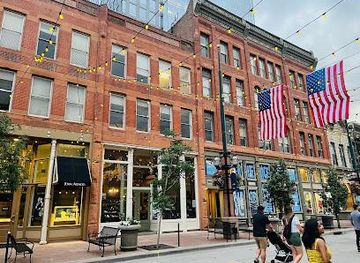
Discover the historic charm of Larimer Square, Denver's premier shopping and dining destination, where Victorian architecture meets modern culture.
-
Shopping mall
Denver Pavilions
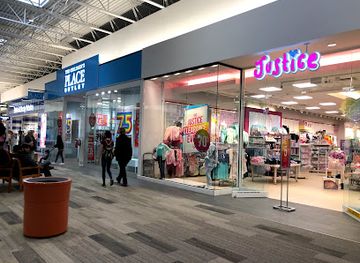
Explore Denver Pavilions: A Premier Shopping and Entertainment Destination in the Heart of Downtown Denver.

Get your free copy of our complete guide to Front Range, delivered straight to you.
Everything on this page, from attractions and restaurants to essentials and local phrases, in one PDF you can read offline, print or share.
Already have an account? Sign in
Your Front Range guide is ready.
We'll send it to · Not you? Sign out

Getting your guide ready…
We are putting together a fresh copy of the Front Range guide. This can take up to a minute.
This can take a few moments. If your browser asks, choose Allow so the download can start. You'll find the guide in your Downloads folder.
Nothing happened? Download it again
Sorry, the guide is taking longer than usual. Please try again in a minute, or get it by email instead.
Front Range essentials
Currency and Payment
Safety
Emergency Situations
Do's and Don'ts
Local Tips
From Eve
Local phrases worth knowing
You don't need to get them perfect. A few words go a long way, and locals appreciate the effort.
Basics
| English | Local | Say it |
|---|---|---|
| Hello | Hey there | [Hay ther] |
| Goodbye | See ya | [See yah] |
| Yes | Yup | [Yup] |
| No | Nope | [Nope] |
| Please/You're welcome | Sure thing | [Shoor thing] |
| Thank you | Thanks | [Thangs] |
| Excuse me/Sorry | Pardon me | [Pardon mee] |
| How are you? | How's it going? | [How's it goin?] |
| Fine. And you? | Good, you? | [Good, yoo?] |
| Do you speak English? | Do you talk English? | [Doo yoo talk English?] |
| I don't understand | I don't get it | [I dont get it] |
Eating & Drinking
| English | Local | Say it |
|---|---|---|
| I'd like to see the menu, please | Can I see the menu? | [Can I see the menyoo?] |
| I don't eat meat | I'm vegetarian | [I'm vege-tair-ee-an] |
| Cheers! | Cheers! | [Cheers!] |
| I would like to pay, please | Can I get the check? | [Can I get the chek?] |
Emergencies
| English | Local | Say it |
|---|---|---|
| Help! | Help! | [Help!] |
| Go away! | Leave me alone! | [Leev mee alon!] |
| Call the Police! | Call the cops! | [Call the cops!] |
| Call a doctor! | Get a doctor! | [Get a doctur!] |
| I'm lost | I'm lost | [I'm lost] |
| I'm ill | I'm not feeling well | [I'm not feeling wel] |
Shopping
| English | Local | Say it |
|---|---|---|
| I'd like to buy... | I want to buy... | [I want to buy...] |
| I'm just looking | Just browsing | [Just browsing] |
| How much is it? | What’s the price? | [What's the price?] |
| That's too expensive | That costs too much | [That costs too much] |
| Can you lower the price? | Can you make it cheaper? | [Can you make it cheeper?] |
Time & Numbers
| English | Local | Say it |
|---|---|---|
| What time is it? | What time is it? | [What time is it?] |
| It's one o'clock | It's one o'clock | [It's one o'clock] |
| Half past (10) | Half past ten | [Half past ten] |
| Morning | Morning | [Morning] |
| Afternoon | Afternoon | [Afternoon] |
| Evening | Evening | [Evening] |
| Yesterday | Yesterday | [Yesterday] |
| Today | Today | [Today] |
| Tomorrow | Tomorrow | [Tomorrow] |
| 1 | One | [One] |
| 2 | Two | [Two] |
| 3 | Three | [Three] |
| 4 | Four | [Four] |
| 5 | Five | [Five] |
| 6 | Six | [Six] |
| 7 | Seven | [Seven] |
| 8 | Eight | [Eight] |
| 9 | Nine | [Nine] |
| 10 | Ten | [Ten] |
Transport & Directions
| English | Local | Say it |
|---|---|---|
| Where's a/the...? | Where's the...? | [Where's the...?] |
| What's the address? | What's the address? | [What's the address?] |
| Can you show me (on the map)? | Can you point it out? | [Can you point it out?] |
| When's the next (bus)? | When's the next bus? | [When's the next bus?] |
| A ticket (to ....) | One ticket to... | [One tiket to...] |
History of Front Range
Indigenous Homelands and Trade Routes
Long before American settlement, the Front Range was used and understood by Indigenous peoples including the Arapaho, Cheyenne, Ute and other nations. River valleys, grasslands and mountain passes supported seasonal movement, hunting, trade and cultural life. The region’s easy modern access can obscure the fact that it formed part of a much older landscape of Indigenous homelands and routes. Treaties, forced removal and later federal policies profoundly disrupted these communities, whose histories and continuing presence remain essential to understanding Colorado.
Spanish and Mexican Frontier Influence
Spanish exploration and later Mexican administration connected parts of present-day Colorado to wider networks extending north from New Mexico. Although permanent settlement in the Front Range developed later under the United States, Hispanic and Indigenous routes, livestock practices and place names formed part of the region’s earlier frontier context. The southern Front Range, particularly around present-day Pueblo and Colorado Springs, retains links to the broader cultural history of the Upper Rio Grande and southern plains.
Gold Rush and the Founding of Denver, 1858–1860s
The discovery of gold in the South Platte and nearby mountain streams brought a rapid influx of prospectors and entrepreneurs in the late 1850s. Denver was established in 1858 and grew as a supply, transport and political centre, even though much of the richest mining activity lay west of the immediate urban corridor. Gold-seeking accelerated United States settlement, intensified conflict and dispossession affecting Indigenous nations, and established the commercial foundations for the Front Range cities that followed.
Railroads, Mining Towns and Statehood
Railroad construction in the late nineteenth century linked Front Range settlements to national markets and strengthened Denver’s role as a regional capital. Coal, silver, gold, stone and agricultural products moved through the corridor, while towns such as Golden and Colorado Springs developed distinct commercial and civic identities. Colorado became a US state in 1876, and the new political framework encouraged further investment, land settlement and infrastructure across the plains and foothills.
Irrigation and Agricultural Development
The semi-arid plains east of the mountains required organised water management for dependable farming. Irrigation works, reservoirs and diversion systems transformed parts of the South Platte and Arkansas river basins, supporting crops, livestock and growing towns. Agricultural communities around the northern and southern Front Range became economically important alongside mining and railways. Water remains a defining regional issue, linking urban growth, farming, environmental management and the allocation of mountain snowmelt.
Military Institutions and Aerospace Research
The twentieth century brought major military and scientific investment to the corridor. Colorado Springs became closely associated with the United States Air Force and aerospace, while the Denver area developed important federal, engineering and research institutions. These activities contributed to population growth, technical employment and the region’s modern economy. They also shaped its built environment and helped establish the Front Range as a centre for defence, communications and scientific work.
Urban Growth and the Outdoor Economy
After the Second World War, the Front Range experienced sustained suburban expansion, highway construction and metropolitan growth. Denver, Boulder, Fort Collins and Colorado Springs developed into interconnected but distinctive urban areas, while universities, technology firms and service industries diversified the economy. Since the late twentieth century, outdoor recreation, environmental planning, craft brewing and locally focused food businesses have become prominent parts of regional identity. Growth has also created pressure on housing, transport, water supplies, open space and mountain ecosystems.
Front Range in Photos
Browse through our photo collection highlighting the charm and character of the destination.
Neighbouring regions of Front Range
The closest regions to Front Range, if you have time for more than one.
-
 Northern Colorado
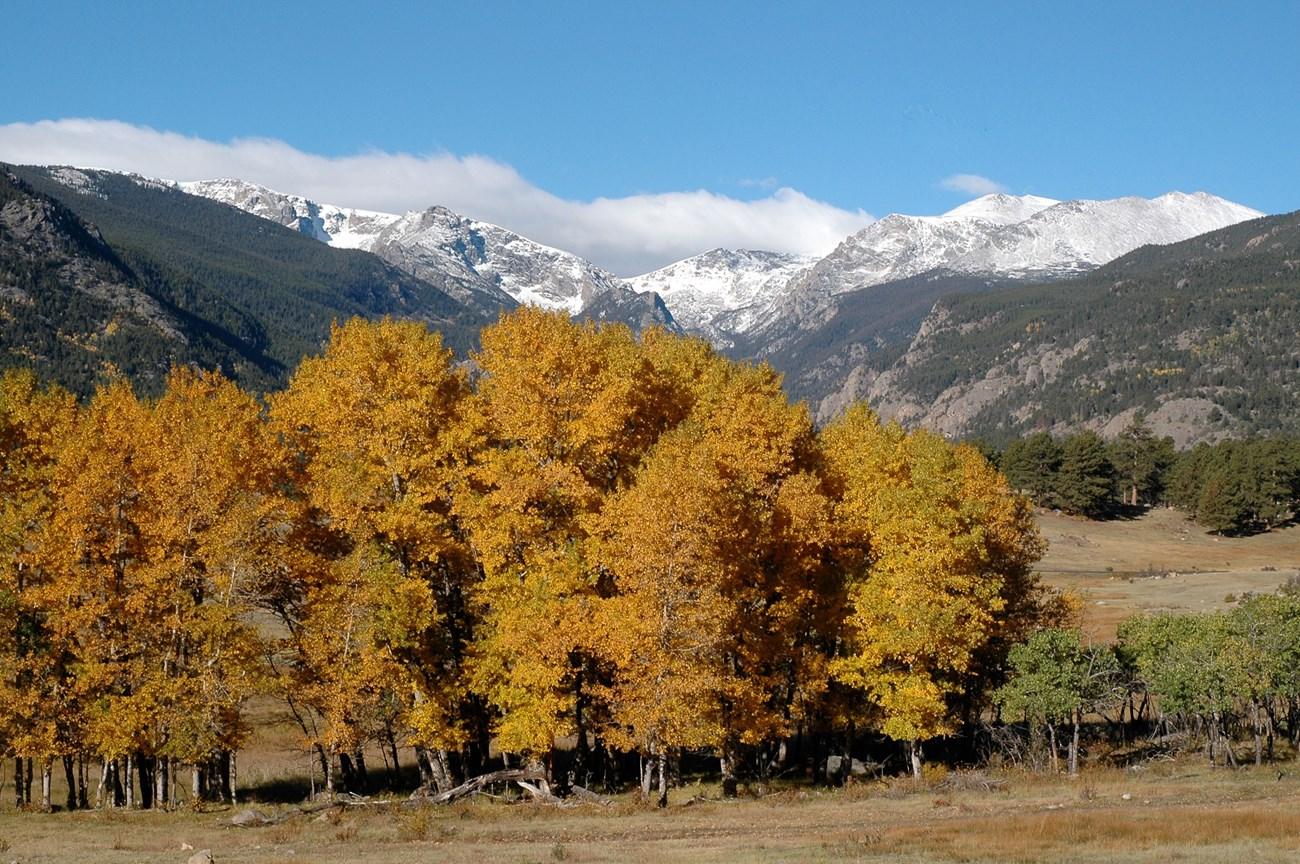
 pairs Fort Collins, Loveland and Greeley with Rocky Mountain landscapes, craft breweries, farm country and outdoor adventure.
Northern Colorado
Northern Colorado pairs Fort Collins, Loveland and Greeley with Rocky Mountain landscapes, craft breweries, farm country and outdoor adventure.
-

-

-

-


Swipe for more regions
Explore more

Explore more of Colorado
Discover Colorado: A stunning blend of rugged mountains, vibrant cities, and rich history, offering endless adventures and unforgettable experiences.
Explore Colorado