

Free Eastern Plains Travel Guide & Mobile App
Explore Eastern Plains with free travel guides. Discover regional history, expert tips, proposed trips, and audio guides on web or mobile app.


Explore Eastern Plains Colorado for wide-open prairie, historic trails, grasslands, river towns, dinosaur country and the quiet drama of big-sky landscapes.
Read more about Eastern Plains
Getting to and around Eastern Plains
How to get there
Transportation
Top city travel guides in Eastern Plains
The cities of Eastern Plains, and the easiest places to base yourself.
-

-

-

-

-

-


Swipe for more cities
Destinations in Eastern Plains
Resorts, valleys and scenic spots worth a trip of their own.
-

-

-
-

-

-


Swipe for more destinations
Best attractions in Eastern Plains
The Eastern Plains' attractions are spread across a large working landscape rather than concentrated in one resort centre. In the north, Pawnee National Grassland combines shortgrass prairie, rugged sandstone formations, bird habitat and open-road scenery. The region's central communities, including Sterling and Fort Morgan, offer museums and heritage collections interpreting railways, agriculture and settlement. Around La Junta, Bent's Old Fort National Historic Site brings the Santa Fe Trail era to life, while the nearby Comanche National Grassland provides hiking, wildlife viewing and access to historic trail landscapes. The Sand Creek Massacre National Historic Site, east of Eads, is an important place of remembrance and education. Near Calhan, the Paint Mines Interpretive Park has vividly coloured clay formations and designated walking routes. Across the plains, river corridors, prairie towns, fossil-bearing areas and dark-sky settings reward slower exploration, though many sites have limited shade, services and public transport. Check land-access rules carefully: some apparently open country is private, and weather can quickly alter the condition of unpaved roads.
-
National park
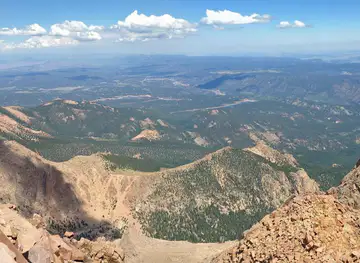
Rocky Mountain National Park
Discover the towering peaks, pristine lakes, and abundant wildlife of Colorado's majestic Rocky Mountain National Park. A natural wonderland awaits!
-
National park
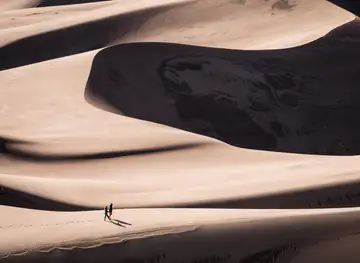
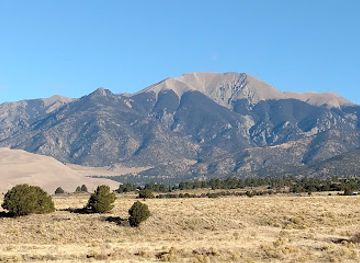
Great Sand Dunes National Park and Preserve
Discover towering dunes, pristine wilderness, and dark night skies in this unique Colorado national park and preserve.
-
National park
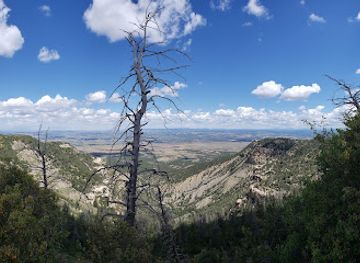
Mesa Verde National Park
Discover the ancient cliff dwellings and rich cultural heritage of the Ancestral Puebloans at Mesa Verde National Park in Colorado.
-
Hiking area
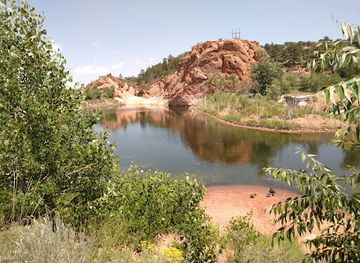
Red Rock Canyon Open Space
Explore stunning red rock formations, hike scenic trails, and discover the rich history of Colorado Springs' Red Rock Canyon Open Space.
Best landmarks in Eastern Plains
Bent's Old Fort near La Junta is one of the Eastern Plains' most recognisable historic landmarks, a reconstructed adobe trading post that stands for the intercultural commerce and conflict of the Santa Fe Trail period. The Sand Creek Massacre National Historic Site, near Eads, is less an architectural monument than a deeply significant commemorative landscape, where the setting and interpretive materials document the 1864 attack on Cheyenne and Arapaho people. Pawnee Buttes in Pawnee National Grassland are prominent erosional formations rising from the northern prairie and serve as a visual emblem of the region's open geology. The Paint Mines near Calhan offer another distinctive landform, with bands of ochre and pale clay shaped into narrow gullies and hoodoos. Historic railway depots, courthouse squares, grain elevators and irrigation structures in towns such as Sterling, Fort Morgan and Lamar complete the region's built landmarks, showing how transport, water and agriculture organised life across a seemingly boundless landscape.
-
Tourist attraction
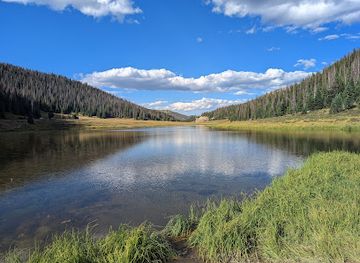
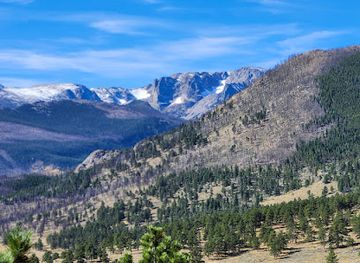
Rocky Mountain National Park
Explore the stunning landscapes and diverse wildlife of Rocky Mountain National Park, a premier destination for outdoor adventures in Colorado.
-
Historical landmark
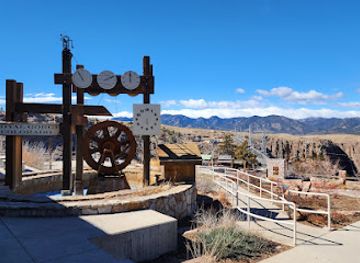
Royal Gorge Bridge & Park
Discover the breathtaking Royal Gorge Bridge & Park, where adventure meets history in the heart of Colorado, offering stunning views and thrilling activities.
-
National forest
Pike-San Isabel National Forest
Experience the breathtaking landscapes and diverse activities at Pike-San Isabel National Forest, a must-visit destination in Colorado's great outdoors.
-
Tourist attraction
Mesa Verde National Park
Discover the ancient cliff dwellings and rich heritage of Mesa Verde National Park, a UNESCO World Heritage Site in Colorado's stunning landscape.

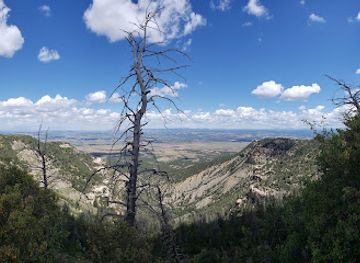
Explore Eastern Plains on the map
Plan your trip on one map. See where the top cities, national parks and sights are, and book hotels and experiences in a few clicks.
Best hotels in Eastern Plains
Best restaurants in Eastern Plains
Dining in the Eastern Plains reflects Colorado's agricultural economy and the practical character of its small towns. Family-run cafés, diners and bakeries are common places for breakfast, lunch and generous portions of familiar American food, while independent restaurants in larger communities may draw on locally grown beef, pork, grains and seasonal produce. Along the South Platte and Arkansas River valleys, irrigation supports crops and market gardens, and farm shops or seasonal stands may sell fresh produce when available. Traditional United States staples sit alongside Mexican and broader Hispanic influences, particularly in towns connected to the long history of the Santa Fe Trail and the Arkansas Valley. Rural bars and historic inns often provide the region's most social evening meals, while breweries and contemporary kitchens appear in some larger towns. Local menus and opening patterns can be seasonal, so remote travellers should not rely on finding a full-service restaurant late at night.
-
American
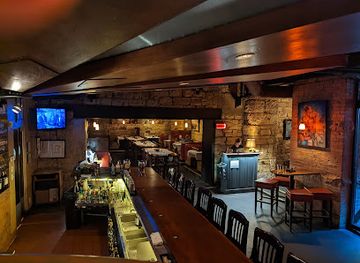
The Rabbit Hole
Experience fine dining at The Rabbit Hole in Colorado Springs, where American cuisine meets creative cocktails in an enchanting atmosphere.
-
Restaurant
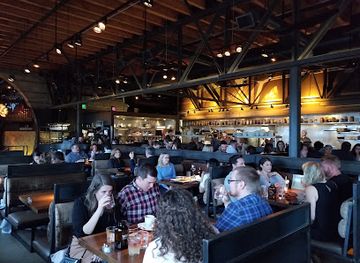
Linger
Experience culinary creativity at Linger, where global flavors meet stunning views in the heart of Denver's Highland neighborhood.
-
Steak
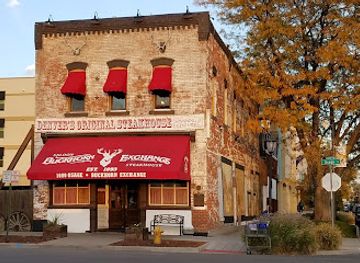
Buckhorn Exchange
Discover Buckhorn Exchange: A historic steakhouse offering exquisite cuisine and unique ambiance in Denver's vibrant culinary scene.
-
New American
Seasons 52
Discover culinary excellence at Seasons 52 in Lone Tree, where seasonal dishes meet fine dining in a vibrant atmosphere.

Best bars in Eastern Plains
Evening life across the Eastern Plains is generally understated and community-oriented. In towns such as Sterling, Fort Morgan, Lamar and La Junta, visitors will find traditional bars, grills, cafés and occasional live music rather than a concentrated nightclub district. Local breweries and taprooms may provide relaxed places to meet, while restaurants and historic inns form much of the region's evening social scene. Smaller communities often become quiet early, particularly outside agricultural events or summer gatherings, and rural accommodation may be far from nightlife. Alcohol rules, closing times and entertainment schedules vary by town, so check locally rather than assuming mountain-resort hours. The region's clearest night-time attraction is often the sky itself: away from town lights, the prairie offers excellent opportunities for stargazing, provided visitors remain on public land and respect private property.
-
Sports bar
Twin Peaks
Experience the ultimate sports bar at Twin Peaks, where American cuisine meets a vibrant atmosphere and friendly service in Centennial, Colorado.
-
Beer Garden
Green Valley Ranch Beer Garden
Experience the perfect blend of craft beers, delicious barbecue, and live music at the Green Valley Ranch Beer Garden in Denver.
-
Pub
The Wapiti Colorado Pub
Experience the best of craft beer and hearty meals at The Wapiti Colorado Pub in Estes Park, Colorado.
-
Grill
Rock Rest Lodge
Discover the flavors of Colorado at Rock Rest Lodge, where rustic charm meets delectable grill and bar experiences in the heart of nature.
Best nightclubs in Eastern Plains
Evening life across the Eastern Plains is generally understated and community-oriented. In towns such as Sterling, Fort Morgan, Lamar and La Junta, visitors will find traditional bars, grills, cafés and occasional live music rather than a concentrated nightclub district. Local breweries and taprooms may provide relaxed places to meet, while restaurants and historic inns form much of the region's evening social scene. Smaller communities often become quiet early, particularly outside agricultural events or summer gatherings, and rural accommodation may be far from nightlife. Alcohol rules, closing times and entertainment schedules vary by town, so check locally rather than assuming mountain-resort hours. The region's clearest night-time attraction is often the sky itself: away from town lights, the prairie offers excellent opportunities for stargazing, provided visitors remain on public land and respect private property.
-
Night club
Copperhead Road Bar & Nightclub
Copperhead Road Bar & Nightclub in Colorado Springs offers an electrifying atmosphere for nightlife lovers, featuring great food, drinks, and dance.
-
Night club
Mansion
Experience the electrifying nightlife at Mansion, Colorado Springs' premier night club and bar, featuring top DJs and a vibrant atmosphere.
-
Restaurant
The Fairway
Discover The Fairway in La Junta, a delightful restaurant offering diverse menus, exceptional service, and an inviting atmosphere for every traveler.
-
Night club
The Speakeasy
Experience the vibrant nightlife at The Speakeasy, Longmont's top destination for live music, craft cocktails, and unforgettable evenings.



Best shops in Eastern Plains
Shopping in the Eastern Plains is centred on practical main streets, independent retailers and regional food rather than large-scale fashion districts. Sterling, Fort Morgan, Lamar, La Junta and Burlington provide the broadest range of everyday shops, antiques, books, gifts and locally oriented services, while smaller towns offer places to buy provisions before travelling into the grasslands. Farmers' stands and seasonal markets may sell fruit, vegetables, honey, baked goods and other products from irrigated valleys and surrounding farms, although availability follows the agricultural calendar. Visitors can look for Western wear, handmade crafts, local artwork, books on Plains history and souvenirs connected with the Santa Fe Trail or regional heritage sites. The area is also useful for stocking up on road food, water and outdoor supplies, since services become sparse between settlements. Market days, shop hours and seasonal stalls vary, so ask at visitor centres or local businesses rather than expecting every town to operate on metropolitan schedules.
-
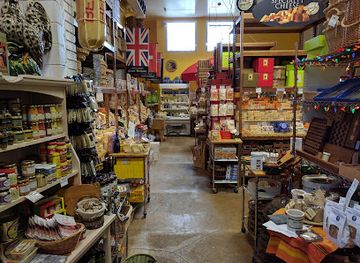
Gourmet grocery store
Cheese Importers
Discover a gourmet paradise in Longmont with exquisite cheeses, unique gifts, and a delightful dining experience at Cheese Importers.
-
Department store
Walmart Supercenter
Explore the Walmart Supercenter in La Junta, CO – a diverse shopping haven with everything from groceries to clothing and electronics.
-
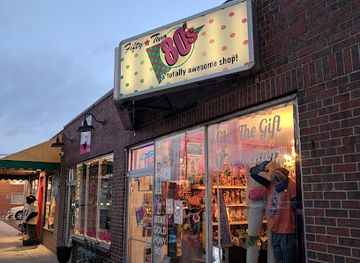
Collectibles store
Fifty Two 80's A Totally Awesome Shop
Explore Fifty Two 80's in Denver, a collectible store filled with vintage treasures and nostalgic finds from the iconic 1980s.
-
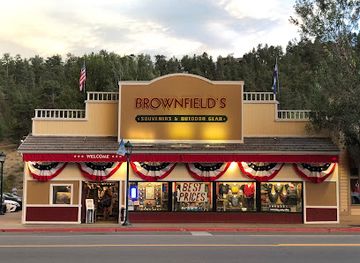
Souvenir store
Brownfield's - Souvenirs & Outdoor Gear
Discover unique souvenirs and outdoor gear at Brownfield's in Estes Park, the perfect destination for adventure seekers and collectors.

Get your free copy of our complete guide to Eastern Plains, delivered straight to you.
Everything on this page, from attractions and restaurants to essentials and local phrases, in one PDF you can read offline, print or share.
Already have an account? Sign in
Your Eastern Plains guide is ready.
We'll send it to · Not you? Sign out

Getting your guide ready…
We are putting together a fresh copy of the Eastern Plains guide. This can take up to a minute.
This can take a few moments. If your browser asks, choose Allow so the download can start. You'll find the guide in your Downloads folder.
Nothing happened? Download it again
Sorry, the guide is taking longer than usual. Please try again in a minute, or get it by email instead.
Eastern Plains essentials
Currency and Payment
Safety
Emergency Situations
Do's and Don'ts
Local Tips
From Eve
Local phrases worth knowing
You don't need to get them perfect. A few words go a long way, and locals appreciate the effort.
Basics
| English | Local | Say it |
|---|---|---|
| Hello | Howdy | [hau-dee] |
| Goodbye | See ya | [see yah] |
| Yes | Yep | [yehp] |
| No | Nope | [nohp] |
| Please/You’re welcome | Sure thing | [shur thing] |
| Thank you | Thanks a lot | [thangks a lot] |
| Excuse me/Sorry | Sorry 'bout that | [sor-ee 'bout that] |
| How are you? | How ya doin'? | [how yah doin'?] |
| Fine. And you? | Good. You? | [guhd. yoo?] |
| Do you speak English? | Do ya speak English? | [do yah speak ing-glish?] |
| I don't understand | I don’t get it | [I dont get it] |
Eating & Drinking
| English | Local | Say it |
|---|---|---|
| I'd like to see the menu, please | Can I see the menu? | [kan I see the men-yoo?] |
| I don't eat meat | I’m a vegetarian | [I’m a vege-tair-ee-an] |
| Cheers! | Cheers! | [cheers] |
| I would like to pay, please | Can I get the check? | [kan I get the chek?] |
Emergencies
| English | Local | Say it |
|---|---|---|
| Help! | Help! | [help] |
| Go away! | Leave me alone! | [leev me uh-lone!] |
| Call the Police! | Call the cops! | [kol the kops!] |
| Call a doctor! | Get a doctor! | [get a dok-ter!] |
| I'm lost | I’m turned around | [I’m turnd uh-round] |
| I'm ill | I’m not feelin' well | [I’m not feelin' wel] |
Shopping
| English | Local | Say it |
|---|---|---|
| I'd like to buy... | I wanna buy... | [I wanna buy...] |
| I'm just looking | Just browsing | [just brows-ing] |
| How much is it? | What’s the price? | [wuts the pryce?] |
| That's too expensive | That’s a bit much | [thats a bit much] |
| Can you lower the price? | Can ya cut me a deal? | [kan yah kut me a deel?] |
Time & Numbers
| English | Local | Say it |
|---|---|---|
| What time is it? | What time ya got? | [wut time ya got?] |
| It's one o'clock | It’s one | [its wun] |
| Half past (10) | Half past ten | [haf past ten] |
| Morning | Mornin' | [mor-nin'] |
| Afternoon | Afternoon | [af-ter-noon] |
| Evening | Evenin' | [eev-nin'] |
| Yesterday | Yest'day | [yest-day] |
| Today | Today | [to-day] |
| Tomorrow | Tomorrow | [to-mor-row] |
| 1 | One | [wun] |
| 2 | Two | [too] |
| 3 | Three | [three] |
| 4 | Four | [for] |
| 5 | Five | [fiv] |
| 6 | Six | [siks] |
| 7 | Seven | [sev-en] |
| 8 | Eight | [ate] |
| 9 | Nine | [nyn] |
| 10 | Ten | [ten] |
Transport & Directions
| English | Local | Say it |
|---|---|---|
| Where's a/the...? | Where’s the...? | [wheres the...?] |
| What's the address? | What’s the address? | [wuts the ad-dress?] |
| Can you show me (on the map)? | Can ya point it out? | [kan yah point it out?] |
| When's the next (bus)? | When’s the next bus? | [wens the nekst bus?] |
| A ticket (to ....) | One ticket to... | [wun tiket to...] |
History of Eastern Plains
Indigenous Homelands and the Plains Before 1800
The Eastern Plains are part of the homelands and travel routes of peoples including the Cheyenne and Arapaho, with Kiowa, Comanche, Pawnee and other nations also connected to the wider Great Plains. Communities used the region's rivers, grasslands and wildlife through seasonal movement, trade and carefully adapted lifeways. The landscape seen today was shaped by long Indigenous relationships with fire, water and grazing animals, not by an untouched wilderness. Visitors should understand later forts and trails within this deeper history of sovereignty, migration and cultural continuity.
The Santa Fe Trail and Bent's Old Fort
During the nineteenth century, the Santa Fe Trail crossed south-eastern Colorado, linking Missouri with Santa Fe and carrying traders, freighters, travellers and military expeditions. Bent's Old Fort, established beside the Arkansas River in the 1830s, became a major trading post where American and Mexican merchants interacted with Indigenous nations and travellers. The reconstructed fort near present-day La Junta helps explain the commercial and diplomatic networks of the borderlands, as well as the growing pressure that American expansion placed on Indigenous peoples.
The Sand Creek Massacre, 1864
On 29 November 1864, United States troops attacked a Cheyenne and Arapaho encampment at Sand Creek in south-eastern Colorado. Many of those killed were women, children and older people. The event remains a defining example of the violence of federal and territorial expansion on the Great Plains, and its legacy is addressed through the Sand Creek Massacre National Historic Site. The site is a place for reflection on Indigenous survival, historical interpretation and the continuing importance of descendant-community perspectives.
Railways, Forts and the Opening of the Plains
Railway construction in the late nineteenth century changed the Eastern Plains from a corridor of trails into a network of permanent towns, depots and agricultural markets. Lines associated with the Union Pacific, Burlington and Santa Fe systems encouraged settlement and connected communities such as Sterling, Fort Morgan, Limon and La Junta to national trade. Military posts and railway stations reinforced federal control, while town development brought schools, businesses and churches. Many present-day main streets, depots and museums preserve this period of rapid transformation.
Homesteading, Irrigation and Agricultural Settlement
Federal land policies and private promotion encouraged farmers and ranchers to settle the plains, although dry conditions made success uncertain. Irrigation along the South Platte and Arkansas River corridors enabled more reliable cultivation, while cattle, wheat, corn, sugar beets and other crops became important to different districts. Water institutions and storage projects remain central to the region's economy and politics. The resulting patchwork of fields, shelterbelts, stockyards and small towns is as much a historical landscape as the surviving forts and trails.
Drought, the Dust Bowl and Modern Adaptation
Severe drought and wind erosion during the 1930s exposed the vulnerability of heavily cultivated prairie, producing conditions associated with the Dust Bowl across the Great Plains, including eastern Colorado. Farmers and conservation agencies responded with improved soil practices, shelterbelts, grazing management and more careful attention to water. Later decades brought mechanisation, changes in crop patterns, energy development and continuing population shifts towards larger regional towns. Today the Eastern Plains remains an important agricultural zone while balancing water conservation, renewable energy and rural economic resilience.
Eastern Plains in Photos
Browse through our photo collection highlighting the charm and character of the destination.
Neighbouring regions of Eastern Plains
The closest regions to Eastern Plains, if you have time for more than one.
-

-

-

-
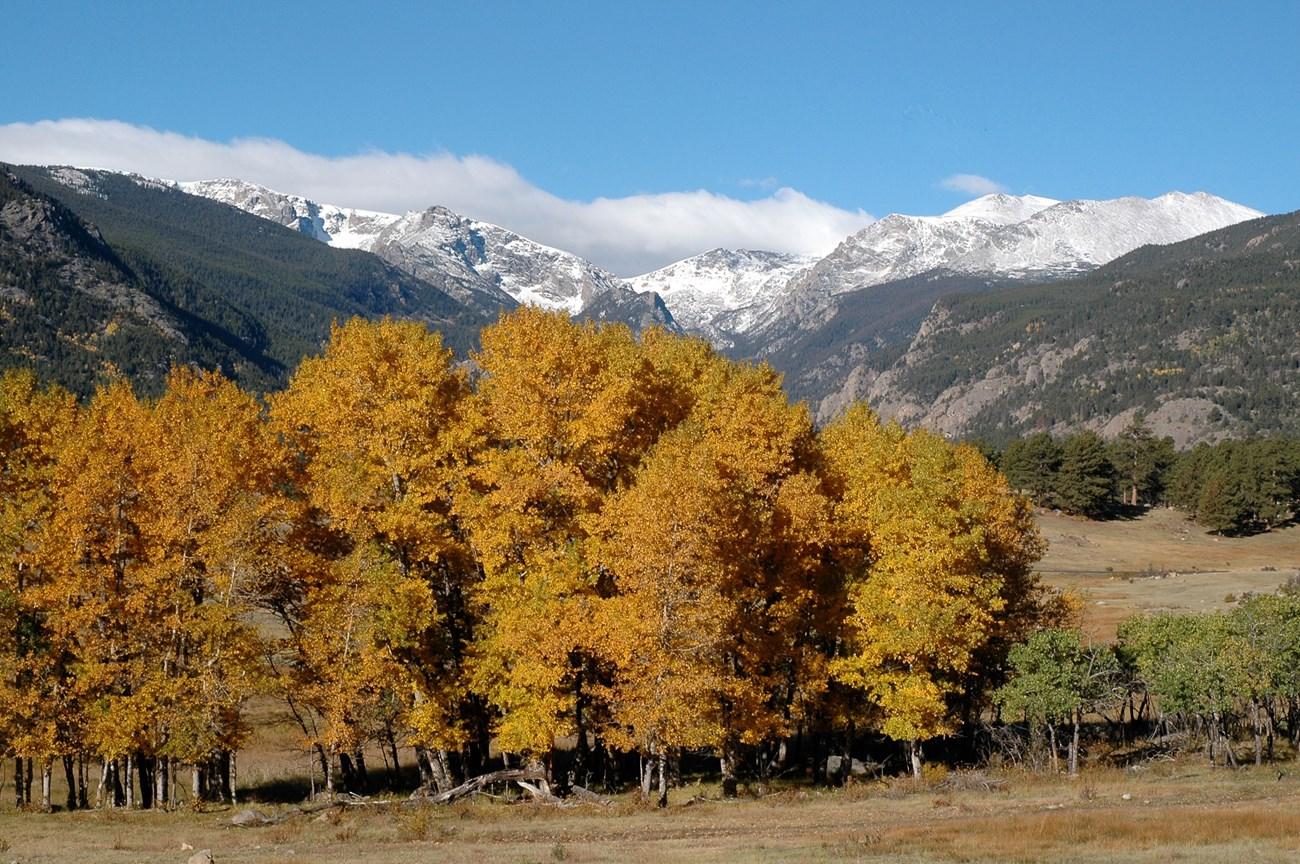 Front Range
Explore Colorado’s Front Range for Denver culture, foothill trails, red-rock parks, mountain views, craft breweries and historic towns.
-


Swipe for more regions
Explore more

Explore more of Colorado
Discover Colorado: A stunning blend of rugged mountains, vibrant cities, and rich history, offering endless adventures and unforgettable experiences.
Explore Colorado