

Free Northern Colorado Travel Guide & Mobile App
Explore Northern Colorado with free travel guides. Discover regional history, expert tips, proposed trips, and audio guides on web or mobile app.


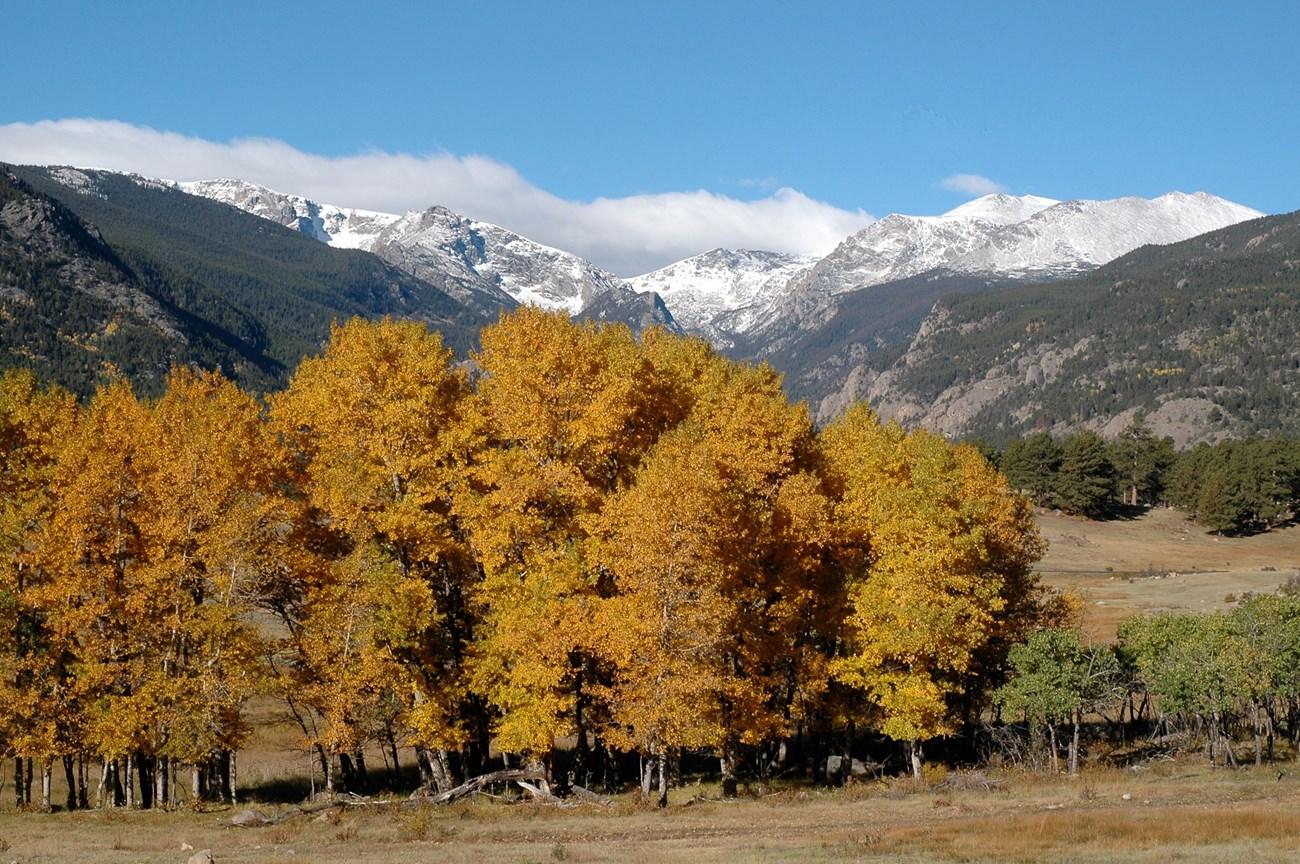


Northern Colorado pairs Fort Collins, Loveland and Greeley with Rocky Mountain landscapes, craft breweries, farm country and outdoor adventure.
Read more about Northern Colorado
Getting to and around Northern Colorado
How to get there
Transportation
Top city travel guides in Northern Colorado
The cities of Northern Colorado, and the easiest places to base yourself.
-

-

-

-

-


Swipe for more cities
Destinations in Northern Colorado
Resorts, valleys and scenic spots worth a trip of their own.

Swipe for more destinations
Best attractions in Northern Colorado
Northern Colorado offers a varied mix of mountain, prairie and urban attractions. Rocky Mountain National Park is the region's major natural draw, with alpine landscapes, wildlife, lakes and strenuous or gentle walking routes, while the town of Estes Park provides visitor services outside the park boundary. Closer to Fort Collins, the Cache la Poudre National Heritage Area follows a river corridor suited to hiking, fishing, rafting and scenic drives. Horsetooth Reservoir adds boating, climbing, cycling and foothill views west of the city. On the plains, Pawnee National Grassland provides a very different experience of open prairie, birdlife and wide horizons. Fort Collins' historic centre, museums and university cultural spaces contrast with Loveland's galleries, sculpture and public art. Greeley contributes agricultural, transport and local-history museums, as well as events connected with its long-established civic and farming traditions. Gardens, breweries, working farms, reservoirs and family-oriented attractions fill out the region's visitor offering, but distances between them make a thoughtful itinerary more rewarding than trying to cover everything from one base.
-
Park
Red Rocks Park and Amphitheatre
Experience the stunning natural beauty and world-class music of Red Rocks Park and Amphitheatre, a must-visit destination in Colorado.
-
Park
Garden of the Gods
Explore towering red rock formations and stunning views of Pikes Peak at this free and unforgettable natural landmark in Colorado Springs.
-
National park
Rocky Mountain National Park
Discover the majestic beauty of the Rockies: hiking, scenic drives & wildlife await in this iconic Colorado National Park.
-
Theme park
Royal Gorge Bridge & Park
Experience the thrill of America's highest suspension bridge and the breathtaking beauty of the Royal Gorge in Cañon City, Colorado.

Best landmarks in Northern Colorado
The region's most recognisable landmarks range from engineered mountain roads to civic buildings and open-country formations. Trail Ridge Road in Rocky Mountain National Park is a major alpine route whose high viewpoints reveal the transition from forest to tundra, although seasonal access depends on weather and park conditions. Longs Peak, visible from much of the Front Range, is the region's defining mountain silhouette and a demanding mountaineering objective rather than a casual walk. The Cache la Poudre River and its canyon form a natural and historical landmark north-west of Fort Collins, linking water, recreation and conservation. In the towns, Fort Collins' Old Town streets preserve late nineteenth- and early twentieth-century commercial architecture, while the Avery House illustrates the city's settlement-era civic heritage. Greeley's Union Colony Civic Center represents its continuing role as a regional cultural hub, and Loveland's public sculpture and gallery district gives the city a distinctive artistic identity. The open expanse of Pawnee National Grassland provides an equally important landmark landscape: its significance lies in scale, ecology and the visual contrast with the nearby mountains.
-
National park
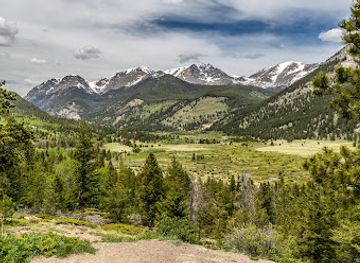
Rocky Mountain National Park
Explore the stunning landscapes, diverse wildlife, and thrilling adventures at Rocky Mountain National Park, Colorado's natural treasure.
-
Scenic spot
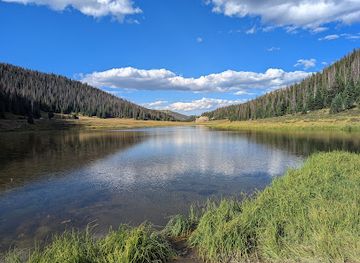
Many Parks Curve Overlook
Discover the awe-inspiring beauty of Many Parks Curve Overlook in Rocky Mountain National Park, a must-see destination for all nature lovers.
-
Scenic spot
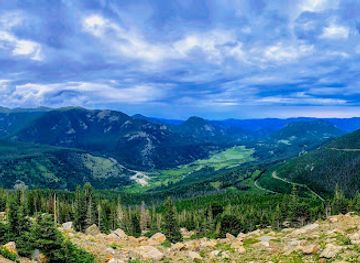
Rainbow Curve Overlook
Discover the stunning panoramic views of Rainbow Curve Overlook in Estes Park, the perfect scenic spot for nature lovers and photographers in the heart of the Rockies.
-
Historical place
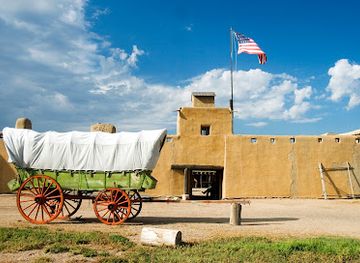
Bent's Old Fort National Historic Site
Discover the rich history and cultural heritage at Bent's Old Fort National Historic Site in Colorado, a must-visit landmark for history enthusiasts and travelers.
Explore Northern Colorado on the map
Plan your trip on one map. See where the top cities, national parks and sights are, and book hotels and experiences in a few clicks.
Best hotels in Northern Colorado
Best restaurants in Northern Colorado
Dining in Northern Colorado reflects the interaction between irrigated agriculture, ranching, university life and recent population growth. Fort Collins has the broadest concentration of independent restaurants, cafés, bakeries and brewery kitchens, with menus ranging from contemporary American cooking to international cuisines. Loveland and Greeley offer smaller but varied scenes, including locally owned restaurants, traditional diners, Mexican and Latin American food, and places using produce from the surrounding plains. Beef, regional vegetables, grains and Colorado-produced beer appear frequently, while farm shops and farmers' markets provide a direct way to encounter the area's agricultural economy. In mountain communities and canyon gateways, expect casual restaurants, cafés and traditional lodges rather than a continuous dining district. Tasting rooms and food halls are useful for sampling local drinks and small dishes, but the region's culinary identity is broader than craft beer alone.
-
Seafood
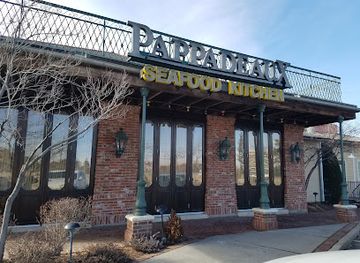
Pappadeaux Seafood Kitchen
Experience the rich flavors of fresh seafood at Pappadeaux Seafood Kitchen in Greenwood Village—where culinary excellence meets Southern charm.
-
American
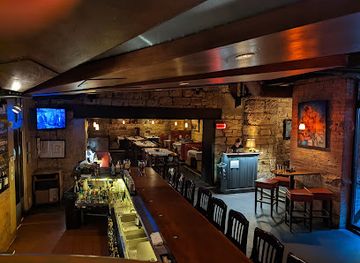
The Rabbit Hole
Discover culinary artistry at The Rabbit Hole in Colorado Springs – where American cuisine meets innovative cocktails in a chic setting.
-
Restaurant
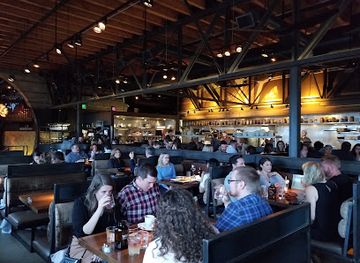
Linger
Discover Linger in Denver: A unique dining experience blending global flavors in a stunning rooftop setting.
-
Brewpub
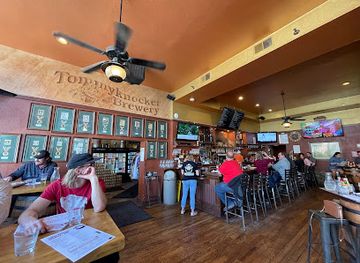
Tommyknocker Brewery & Pub
Discover unique craft beers and hearty pub fare at Tommyknocker Brewery & Pub in scenic Idaho Springs, Colorado.
Best bars in Northern Colorado
Evening life is concentrated in Fort Collins, where the historic downtown and nearby districts contain traditional pubs, brewery taprooms, cocktail bars, live-music rooms and late-opening restaurants. Colorado State University's presence contributes to a youthful atmosphere in parts of the city, although venues serve a wider community as well. Loveland has a more compact selection of bars, breweries, wine-focused businesses and performance spaces, while Greeley combines neighbourhood pubs, restaurants and live entertainment with a less concentrated nightlife scene. Estes Park and smaller mountain communities generally favour hotel bars, taverns, breweries and early-evening dining over nightclubs. Outside the towns, evenings are shaped by dark skies, quiet accommodation and outdoor recreation rather than a formal nightlife circuit. Designated drivers, taxis and app-based transport should be arranged before consuming alcohol, particularly in rural areas.
-
Bar
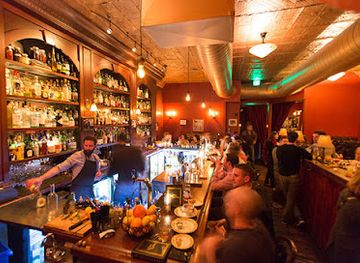
Williams & Graham
Discover the enchanting atmosphere of Williams & Graham, Denver's premier speakeasy bar offering exquisite cocktails and a cozy dining experience.
-
Grill
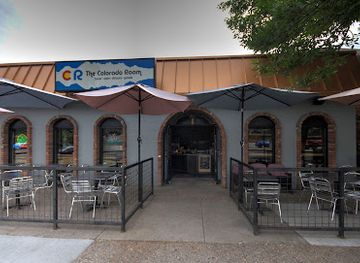
The Colorado Room
Experience the vibrant culinary scene at The Colorado Room in Fort Collins, where local flavors meet a welcoming atmosphere.
-
Bar
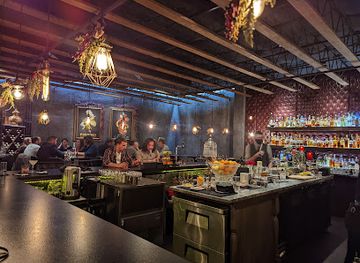
Social
Discover Social, the vibrant bar in Fort Collins offering unique cocktails and a lively atmosphere for tourists seeking a memorable night out.
-
Bar
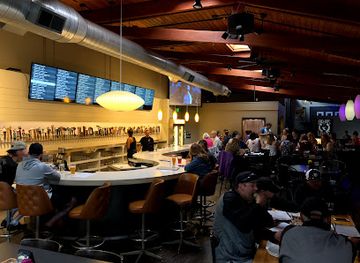
The Mayor of Old Town
Experience the vibrant atmosphere and extensive beer selection at The Mayor of Old Town, Fort Collins' premier bar and American restaurant.
Best nightclubs in Northern Colorado
Evening life is concentrated in Fort Collins, where the historic downtown and nearby districts contain traditional pubs, brewery taprooms, cocktail bars, live-music rooms and late-opening restaurants. Colorado State University's presence contributes to a youthful atmosphere in parts of the city, although venues serve a wider community as well. Loveland has a more compact selection of bars, breweries, wine-focused businesses and performance spaces, while Greeley combines neighbourhood pubs, restaurants and live entertainment with a less concentrated nightlife scene. Estes Park and smaller mountain communities generally favour hotel bars, taverns, breweries and early-evening dining over nightclubs. Outside the towns, evenings are shaped by dark skies, quiet accommodation and outdoor recreation rather than a formal nightlife circuit. Designated drivers, taxis and app-based transport should be arranged before consuming alcohol, particularly in rural areas.
-
Bar
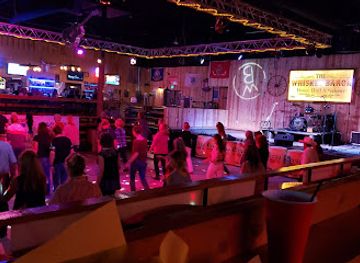
The Whiskey Baron Dance Hall & Saloon
Dive into the vibrant nightlife of The Whiskey Baron Dance Hall & Saloon, where music, dancing, and fun await every visitor in Colorado Springs.
-
Night club
Milk Bar
Experience the vibrant nightlife at Milk Bar in Denver, a premier nightclub offering dance, drinks, and exciting events in a lively atmosphere.
-
Night club
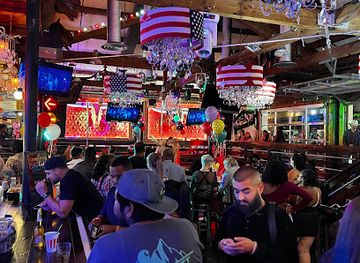
Copperhead Road Bar & Nightclub
Discover the vibrant nightlife at Copperhead Road Bar & Nightclub in Colorado Springs, where dancing, live music, and delicious food come together for an unforgettable experience.
-
Night club
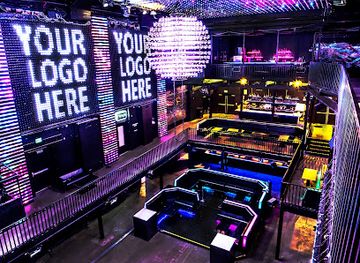
Temple Nightclub Denver
Discover the vibrant nightlife at Temple Nightclub Denver with live music, dancing, and a chic lounge atmosphere for an unforgettable experience.
Best shops in Northern Colorado
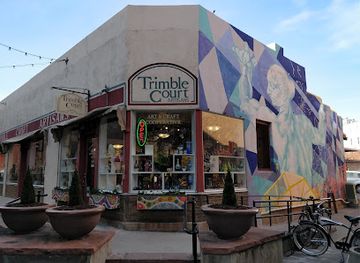
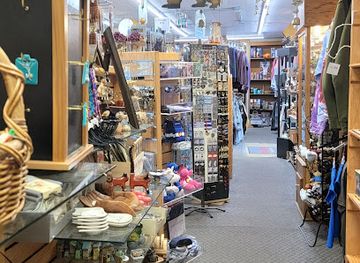
Shopping in Northern Colorado is strongest in the historic centres and independent districts of Fort Collins, Loveland and Greeley. Fort Collins' Old Town has locally owned clothing shops, bookshops, galleries, gift stores and food businesses in a walkable setting, while Loveland is particularly associated with galleries, studios, sculpture and creative retail. Greeley combines an older downtown with everyday shopping and agricultural connections rather than a single specialist souvenir quarter. Farmers' markets and farm shops offer seasonal fruit, vegetables, preserves, baked goods and other regional products, with availability changing through the year. Brewery merchandise, outdoor equipment, locally made art and Colorado food products are practical souvenirs, while western and ranch-inspired goods appear in several communities. Large suburban retail areas exist along the Front Range, but visitors seeking regional character should prioritise independent businesses, public-art districts and produce markets over generic shopping centres.
-
Plaza
Old Town Square
Experience the heart of Fort Collins at Old Town Square, where unique shopping, dining, and vibrant culture await you.
-
Shopping mall
Foothills
Experience shopping, dining, and entertainment at Foothills in Fort Collins, a vibrant mall offering something for everyone.
-
Shopping mall
Front Range Village
Discover the essence of Fort Collins at Front Range Village, where shopping, dining, and entertainment come together in a vibrant community setting.
-
Gift shop
The Dam Store
Discover unique gifts and local crafts at The Dam Store in Loveland, Colorado, perfect for capturing the spirit of your visit.
Get your free copy of our complete guide to Northern Colorado, delivered straight to you.
Everything on this page, from attractions and restaurants to essentials and local phrases, in one PDF you can read offline, print or share.
Already have an account? Sign in
Your Northern Colorado guide is ready.
We'll send it to · Not you? Sign out

Getting your guide ready…
We are putting together a fresh copy of the Northern Colorado guide. This can take up to a minute.
This can take a few moments. If your browser asks, choose Allow so the download can start. You'll find the guide in your Downloads folder.
Nothing happened? Download it again
Sorry, the guide is taking longer than usual. Please try again in a minute, or get it by email instead.
Northern Colorado essentials
Currency and Payment
Safety
Emergency Situations
Do's and Don'ts
Local Tips
From Eve
Local phrases worth knowing
You don't need to get them perfect. A few words go a long way, and locals appreciate the effort.
Basics
| English | Local | Say it |
|---|---|---|
| Hello | Hey there | [Hey thair] |
| Goodbye | See ya later | [See yah lay-ter] |
| Yes | Yep | [Yep] |
| No | Nah | [Nah] |
| Please/You're welcome | Please / No problem | [Pleez / No prob-lum] |
| Thank you | Thanks a lot | [Thangs a lot] |
| Excuse me/Sorry | Excuse me / My bad | [Ex-kyoos mee / My bad] |
| How are you? | How's it going? | [How's it goin'?] |
| Fine. And you? | Good. And you? | [Good. An' you?] |
| Do you speak English? | Do ya speak English? | [Do yah speek Inglish?] |
| I don't understand | I don't get it | [I don't get it] |
Eating & Drinking
| English | Local | Say it |
|---|---|---|
| I'd like to see the menu, please | Can I see the menu, please? | [Can I see the men-yoo, pleez?] |
| I don't eat meat | I’m a vegetarian | [I’m a vege-tar-ian] |
| Cheers! | Cheers! | [Cheers!] |
| I would like to pay, please | Can I get the check, please? | [Can I get the chek, pleez?] |
Emergencies
| English | Local | Say it |
|---|---|---|
| Help! | Help! | [Help!] |
| Go away! | Leave me alone! | [Leev me alon!] |
| Call the Police! | Call 911! | [Call nine-one-one!] |
| Call a doctor! | Get a doctor! | [Get a dok-ter!] |
| I'm lost | I can't find my way | [I can't find my way] |
| I'm ill | I’m not feeling well | [I’m not feelin' well] |
Shopping
| English | Local | Say it |
|---|---|---|
| I'd like to buy... | I want to buy... | [I want to buy...] |
| I'm just looking | Just browsing | [Just browsin'] |
| How much is it? | What’s the price? | [Wut's the price?] |
| That's too expensive | That's way too pricey | [That's way too pry-cee] |
| Can you lower the price? | Can you give me a deal? | [Can you give me a deel?] |
Time & Numbers
| English | Local | Say it |
|---|---|---|
| What time is it? | What time d'ya have? | [What time d'ya hav?] |
| It's one o'clock | It's one | [It's one] |
| Half past (10) | Half past ten | [Half past ten] |
| Morning | Morning | [Mornin'] |
| Afternoon | Afternoon | [Afternooon] |
| Evening | Evening | [Eve-ning] |
| Yesterday | Yesterday | [Yes-ter-day] |
| Today | Today | [To-day] |
| Tomorrow | Tomorrow | [To-mor-row] |
| 1 | One | [One] |
| 2 | Two | [Two] |
| 3 | Three | [Three] |
| 4 | Four | [Four] |
| 5 | Five | [Five] |
| 6 | Six | [Six] |
| 7 | Seven | [Seven] |
| 8 | Eight | [Eight] |
| 9 | Nine | [Nine] |
| 10 | Ten | [Ten] |
Transport & Directions
| English | Local | Say it |
|---|---|---|
| Where's a/the...? | Where’s a ...? | [Where’s a ...?] |
| What's the address? | What’s the address? | [What’s the ad-dress?] |
| Can you show me (on the map)? | Can you point it out? | [Can you point it out?] |
| When's the next (bus)? | When's the next bus? | [When's the next bus?] |
| A ticket (to ....) | A ticket to ... | [A tik-et to ...] |
History of Northern Colorado
Indigenous homelands and trading routes
Northern Colorado lies within the longstanding homelands and travel networks of Indigenous peoples, including Ute, Cheyenne and Arapaho communities. Rivers, foothills and prairie provided routes, seasonal resources and cultural connections across what is now Colorado and the Great Plains. The region's later settlement history cannot be understood without recognising the displacement and continuing presence of these nations. Contemporary interpretation at museums and historic sites increasingly places Indigenous history alongside the stories of railways, farms and towns rather than treating it as only a distant prelude.
The Overland era and nineteenth-century settlement
During the nineteenth century, trails across the Front Range and plains connected military posts, trading centres and settlements. Fort Collins began as a United States Army post established in 1864, while agricultural communities developed along the Cache la Poudre and other watercourses. Loveland and Greeley grew during the same period as organised settlement expanded northwards from Denver. The arrival of settlers brought farming and town building but also intensified federal pressure on Indigenous communities and contributed to their removal from ancestral lands.
Railways, irrigation and agricultural towns
Rail connections and irrigation transformed Northern Colorado during the late nineteenth century. Railways linked local farms and businesses with wider markets, while irrigation channels made more reliable cultivation possible on the semi-arid plains. Greeley became an important agricultural centre, and Fort Collins developed around farming, education and commerce. The historic street grids, waterworks and civic buildings of the region's older towns reflect this period, when transport and water management were as important to settlement as the fertile river valleys.
Sugar beet farming and industrial agriculture
From the late nineteenth century into the twentieth century, sugar beet cultivation became a major force in the economies of Greeley, Fort Collins, Loveland and surrounding communities. Processing factories created industrial employment and connected farming to national markets. The industry depended heavily on migrant and immigrant labour, including workers from Mexico and southern and eastern Europe, whose communities helped shape regional culture. Although sugar beet production later declined, agricultural processing, cattle, grain and irrigated farming remain important parts of Northern Colorado's identity.
Colorado State University and regional education
Colorado Agricultural College, founded in Fort Collins in 1870, developed into Colorado State University and became one of the region's most influential institutions. Its work in agriculture, veterinary medicine, environmental science and related fields has reflected the practical challenges of farming, water management and mountain ecology. The university also helped expand Fort Collins' cultural and economic life, contributing to its contemporary character as a research, education and technology centre while maintaining ties with the surrounding agricultural landscape.
Conservation and the creation of Rocky Mountain National Park
Growing interest in mountain recreation and landscape conservation led to the establishment of Rocky Mountain National Park in 1915. The park protected high-elevation ecosystems, glacial terrain and wildlife habitats west of Estes Park, while roads such as Trail Ridge Road later made dramatic alpine scenery more accessible. Conservation also shaped the Cache la Poudre corridor, which gained recognition for its river landscapes and heritage. Tourism brought economic opportunity but also created enduring questions about congestion, seasonal access, water use and the protection of fragile mountain environments.
Modern growth, brewing and diversification
Since the late twentieth century, Northern Colorado has experienced substantial population growth and economic diversification. Fort Collins expanded through university research, technology, manufacturing and brewing, while Loveland and Greeley developed new residential, cultural and commercial roles alongside established industries. The region remains closely tied to agriculture, but its identity now also includes craft beverage production, outdoor recreation, creative industries and environmental research. This growth has increased pressure on housing, transport and water resources, making the relationship between urban expansion and open land a central contemporary issue.
Northern Colorado in Photos
Browse through our photo collection highlighting the charm and character of the destination.
Neighbouring regions of Northern Colorado
The closest regions to Northern Colorado, if you have time for more than one.
-
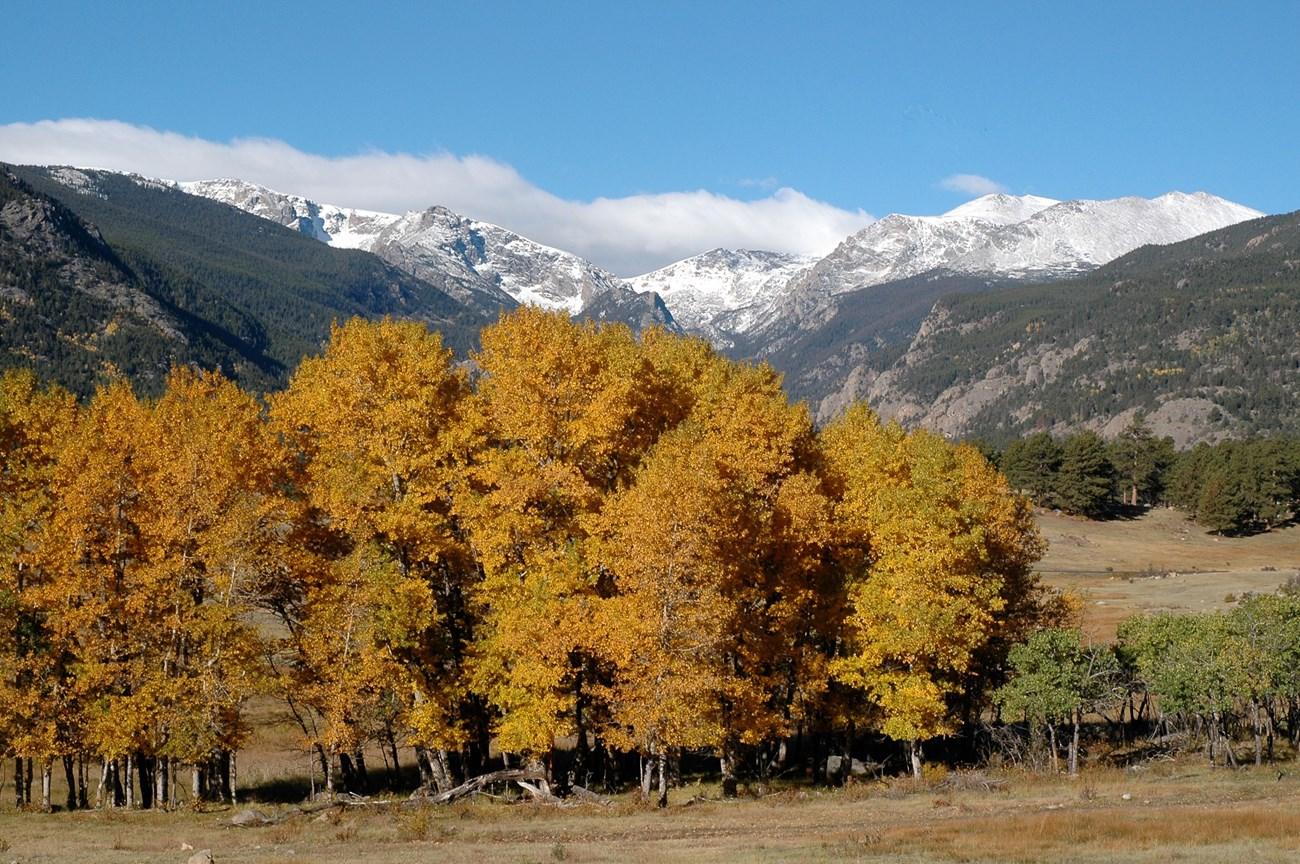 Front Range
Explore Colorado’s Front Range for Denver culture, foothill trails, red-rock parks, mountain views, craft breweries and historic towns.
Front Range
Explore Colorado’s Front Range for Denver culture, foothill trails, red-rock parks, mountain views, craft breweries and historic towns.
-

-

-

-
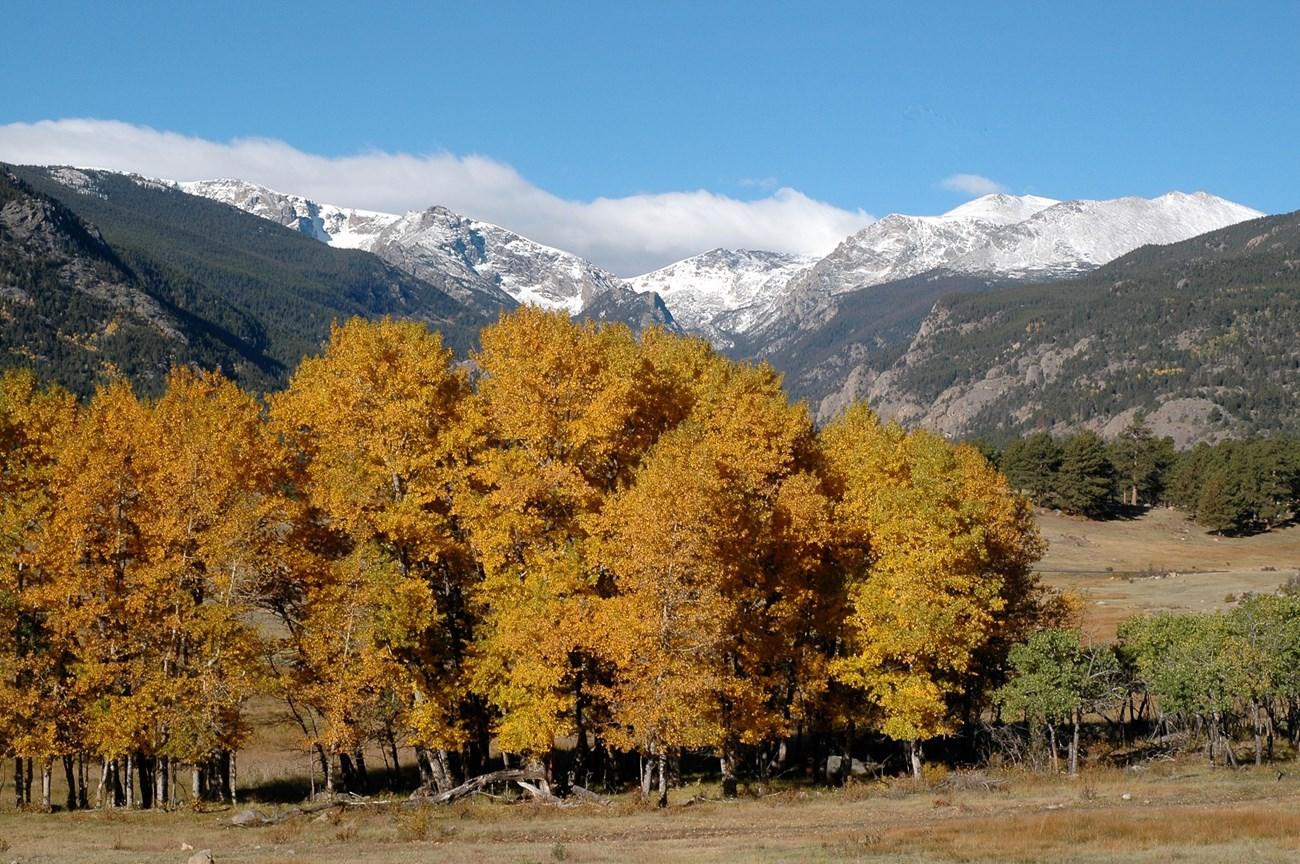 Rocky Mountains
Explore Colorado’s Rocky Mountains for alpine hiking, ski towns, historic mining communities, wildlife and dramatic high-country scenery.
Rocky Mountains
Explore Colorado’s Rocky Mountains for alpine hiking, ski towns, historic mining communities, wildlife and dramatic high-country scenery.


Swipe for more regions
Explore more

Explore more of Colorado
Discover Colorado: A stunning blend of rugged mountains, vibrant cities, and rich history, offering endless adventures and unforgettable experiences.
Explore Colorado