

Southwest Colorado, Colorado Travel Guide
Discover the breathtaking landscapes and rich history of Southwest Colorado, where outdoor adventure meets ancient civilizations and charming mountain towns.
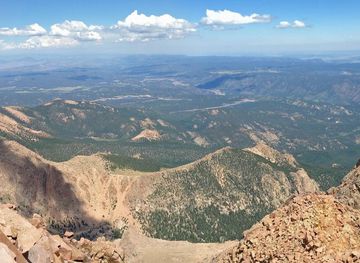
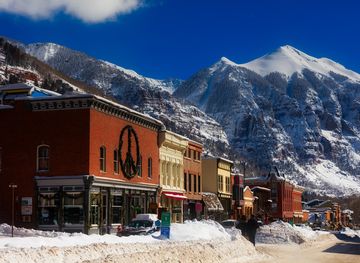
Nestled in the heart of the Rocky Mountains, Southwest Colorado offers a captivating mix of natural beauty and rich history. This area is a haven for outdoor enthusiasts, history buffs, and anyone looking to escape into the great outdoors. The region is home to some of the most stunning landscapes in the United States, from the towering peaks of the San Juan Mountains to the deep canyons carved by the Dolores and Animas Rivers. Southwest Colorado is also steeped in history. It is a place where ancient civilizations once thrived. Mesa Verde National Park, a UNESCO World Heritage Site, is a must-visit. Here, you can explore cliff dwellings and learn about the Ancestral Puebloans who made this region their home over 700 years ago. For those who enjoy a mix of culture and adventure, the charming town of Durango offers both. Take a ride on the historic Durango & Silverton Narrow Gauge Railroad for a scenic journey through the mountains, or stroll through the town's vibrant downtown area, filled with unique shops, galleries, and restaurants.

Know before you go
Hi, I'm Eve. Here are a few practical things to know before exploring Southwest Colorado.
- Visit Mesa Verde National Park early in the morning to avoid crowds and enjoy cooler temperatures.
- Wear layers, as the weather in the mountains can change rapidly.
- Take a guided tour to learn more about the history and geology of the region.
- Don't miss the Durango & Silverton Narrow Gauge Railroad for a scenic and historic experience.
- Plan your visit during the fall to see the stunning autumn colors in the San Juan Mountains.
Top City Travel Guides in Southwest Colorado
The cities of Southwest Colorado, and the easiest places to base yourself.


Destinations in Southwest Colorado
Resorts, valleys and scenic spots worth a trip of their own.



Explore Southwest Colorado: Things to Do, Places to Eat, Hotels & More
Handpicked recommendations for top attractions, local dining, accommodations, and more

Top Attractions & Sightseeing in Southwest Colorado
Top-rated picks
Best Attractions

Spruce Tree House
Explore the ancient cliff dwellings of Spruce Tree House in Mesa Verde National Park, a stunning archaeological site revealing the history of the Ancestral Puebloans.

Mesa Verde National Park
Discover the ancient cliff dwellings of Mesa Verde National Park, a UNESCO World Heritage site preserving the legacy of the Ancestral Puebloans.

Royal Gorge Bridge & Park
Experience the thrill of America's highest suspension bridge, soaring rides, and breathtaking views at the Royal Gorge Bridge & Park in Colorado.

Black Canyon of the Gunnison National Park
Experience the overwhelming depths and sheer cliffs of Colorado's Black Canyon, a testament to the power of nature's artistry over millennia.

Best landmarks in Southwest Colorado
Top-rated picks
Best Landmarks

Royal Gorge Bridge & Park
Explore the Royal Gorge Bridge & Park, a stunning blend of natural wonder and thrilling attractions in the heart of Colorado's breathtaking landscape.

Mesa Verde National Park
Discover the remarkable history and breathtaking landscapes of Mesa Verde National Park, where ancient cliff dwellings tell the story of the Ancestral Puebloans.

Manitou Cliff Dwellings
Discover the ancient cliff dwellings of the Ancestral Puebloans at Manitou Cliff Dwellings, an archaeological gem in the heart of Colorado's stunning landscape.

Garden of the Gods Trading Post
Explore the Garden of the Gods Trading Post - a treasure trove of local art, delightful coffee, and delicious ice cream in scenic Colorado.

Best restaurants in Southwest Colorado
Top-rated picks
Best Restaurants

Steamworks Brewing Company
Experience unique craft beers and delectable dishes at Steamworks Brewing Company in Durango - where local flavor meets vibrant atmosphere.

The Rabbit Hole
Experience the best of American fine dining at The Rabbit Hole in Colorado Springs – where culinary creativity meets inviting ambiance.

Linger
Experience global street food at Linger in Denver – where vibrant flavors meet stunning views in an eclectic setting.

The Fort
Discover exquisite steaks and handcrafted cocktails at The Fort in Morrison, Colorado – where culinary excellence meets breathtaking scenery.

Best bars in Southwest Colorado
Top-rated picks
Best Bars

Steamworks Brewing Company
Discover Durango's premier brewpub with an array of craft beers and delicious menu options, perfect for any foodie or beer lover.

Tom's Watch Bar - Coors Field
Experience the excitement of sports at Tom's Watch Bar, where delicious food meets a lively atmosphere near Coors Field in Denver.

Platte River Bar and Grill
Experience delightful dining at Platte River Bar and Grill in Littleton, Colorado, where great food meets beautiful riverside views.

Williams & Graham
Discover the enchanting cocktail scene at Williams & Graham, a Denver speakeasy-style bar known for its creative drinks and cozy atmosphere.

Best nightclubs in Southwest Colorado
Top-rated picks
Best Nightclubs

Copperhead Road Bar & Nightclub
Discover the heart of Colorado Springs' nightlife at Copperhead Road Bar & Nightclub, where great food, music, and dancing await.

Babes Night Club
Discover the electrifying nightlife at Babes Night Club in Denver, where live music and dancing create unforgettable moments.

Mansion
Discover the electrifying nightlife at Mansion, Colorado Springs' premier night club featuring great music, drinks, and a lively atmosphere.

Phoenix Event Center
Discover the vibrant nightlife at Phoenix Event Center, Lakewood's premier venue for dancing, drinks, and unforgettable events.

Best shops in Southwest Colorado
Top-rated picks
Best Shops

Garden of the Gods Trading Post
Immerse yourself in the local culture at the Garden of the Gods Trading Post, where unique gifts, art, and delicious food await in a stunning Colorado setting.

Durango Mall
Explore Durango Mall in Colorado for an exceptional shopping experience with diverse stores, delicious dining, and community events.

Brownfield's - Souvenirs & Outdoor Gear
Discover unique souvenirs, outdoor gear, and clothing at Brownfield's in Estes Park, the ultimate destination for tourists exploring the Rockies.

All About Colorado
Discover unique souvenirs and local literature at All About Colorado, your one-stop shop for capturing the spirit of the Centennial State.

Explore Southwest Colorado on the Map
A handpicked selection of must-see spots in Southwest Colorado, mapped for you.
Southwest Colorado Essentials
-
Southwest Colorado is accessible via several airports. The largest nearby airport is Denver International Airport (DIA), about 350 miles away. From there, you can either rent a car or take a connecting flight to Durango-La Plata County Airport, which is the closest regional airport. Alternatively, you can drive from Denver, which takes around 6-7 hours. Another option is the Grand Junction Regional Airport, about 150 miles north of Southwest Colorado, which serves regional flights.
-
Once in Southwest Colorado, having a car is highly recommended for exploring the region, as public transportation options are limited. Car rentals are available at the airports and in larger towns like Durango and Cortez. For shorter trips within towns, local taxis and rideshare services like Uber and Lyft are available. Biking is also a popular option for getting around, especially in more scenic areas. For those looking to explore the backcountry, several shuttle services offer transport to trailheads.
-
The official currency is the US Dollar (USD). Credit cards are widely accepted in most hotels, restaurants, and shops. However, it's advisable to carry some cash, especially when visiting smaller towns or remote areas. ATMs are available in larger towns like Durango, Cortez, and Telluride, but may be scarce in more rural locations.
-
Southwest Colorado is generally a safe destination for tourists. However, it is wise to take standard precautions: avoid walking alone at night in unfamiliar areas, keep an eye on your belongings, and lock your car. There are no specific high-crime areas targeting tourists, but it is always best to stay vigilant. Outdoor enthusiasts should be aware of wildlife and weather conditions and always let someone know their plans if going on a hike.
-
In case of emergency, dial 911 for immediate assistance. Southwest Colorado has several hospitals and clinics, with larger facilities located in Durango and Montrose. It's advisable to have travel insurance that covers medical emergencies. For minor health issues, pharmacies are available in most towns. When venturing into the wilderness, carry a first aid kit and know the location of the nearest ranger station.
-
Fashion: Do dress in layers, as the weather can change rapidly. Hiking boots are recommended for outdoor activities. Avoid wearing open-toed shoes on trails. Religion: Do respect local customs and traditions, especially when visiting Native American sites. Public Transport: Do plan ahead, as public transportation is limited. Don't rely solely on public transit for getting around. Greetings: Do greet people with a smile and a 'hello'; locals are generally friendly. Eating & Drinking: Do try local cuisine and craft beers. Don't forget to tip your servers, as tipping is customary in the US.
-
To experience Southwest Colorado like a local, visit the farmers' markets for fresh produce and local crafts. Engage with locals, who are often willing to share information about hidden gems and the best hiking trails. Don't miss visiting Mesa Verde National Park for its ancient cliff dwellings. For a unique experience, take a scenic drive along the San Juan Skyway, which offers breathtaking views of the San Juan Mountains.
When is the best time to visit Southwest Colorado?
Useful Local Phrases for Southwest Colorado
You don't need to speak the language perfectly. Even learning a few simple words can make conversations warmer—and locals usually appreciate the effort.
— Eve

Here are the phrases I use most often in Southwest Colorado. Try a few—you'll be surprised how far they go! 😊
❤️
-
- HelloHowdy
[haʊdi] - GoodbyeSee ya later
[si jə ˈleɪtər] - YesYep
[jɛp] - NoNah
[nɑ] - Please/You're welcomeSure thing
[ʃʊr θɪŋ] - Thank youThanks a lot
[θæŋks ə lɑt] - Excuse me/SorryPardon me
[ˈpɑrdən mi] - How are you?How ya doin'?
[haʊ jə ˈduɪn] - Fine. And you?I'm good. You?
[aɪm ɡʊd ju] - Do you speak English?Can ya speak English?
[kæn jə spiːk ˈɪŋɡlɪʃ] - I don't understandI ain't gettin' it
[aɪ eɪnt ˈɡɛtɪn ɪt]
- HelloHowdy
-
- I'd like to see the menu, pleaseCan I see the menu, please?
[kæn aɪ si ðə ˈmɛnju pliz] - I don't eat meatI don't do meat
[aɪ doʊnt du mit] - Cheers!Cheers!
[ʧɪrz] - I would like to pay, pleaseCan I get the check, please?
[kæn aɪ ɡɛt ðə ʧɛk pliz]
- I'd like to see the menu, pleaseCan I see the menu, please?
-
- Help!Help!
[hɛlp] - Go away!Get outta here!
[ɡɛt ˈaʊtə hɪr] - Call the Police!Call the cops!
[kɔl ðə kɑps] - Call a doctor!Get a doctor!
[ɡɛt ə ˈdɑktər] - I'm lostI'm turned around
[aɪm tɜrnd əˈraʊnd] - I'm illI'm not feelin' so good
[aɪm nɑt ˈfilɪn soʊ ɡʊd]
- Help!Help!
-
- I'd like to buy...I wanna buy...
[aɪ ˈwɑnə baɪ] - I'm just lookingI'm just browsin'
[aɪm dʒʌst ˈbraʊzɪn] - How much is it?What’s the price?
[wʌts ðə praɪs] - That's too expensiveThat's a bit pricey
[ðæts ə bɪt ˈpraɪsi] - Can you lower the price?Can ya bring down the price?
[kæn jə brɪŋ daʊn ðə praɪs]
- I'd like to buy...I wanna buy...
-
- What time is it?What time ya got?
[wʌt taɪm jə ɡɑt] - It's one o'clockIt's one o'clock
[ɪts wʌn əˈklɑk] - Half past (10)Half past ten
[hæf pæst tɛn] - MorningMornin'
[ˈmɔrnɪn] - AfternoonAfternoon
[ˌæftərˈnun] - EveningEvenin'
[ˈivnɪn] - YesterdayYesterday
[ˈjɛstərdeɪ] - TodayToday
[təˈdeɪ] - TomorrowTomorrow
[təˈmɔroʊ] - 1One
[wʌn] - 2Two
[tu] - 3Three
[θri] - 4Four
[fɔr] - 5Five
[faɪv] - 6Six
[sɪks] - 7Seven
[ˈsɛvən] - 8Eight
[eɪt] - 9Nine
[naɪn] - 10Ten
[tɛn]
- What time is it?What time ya got?
-
- Where's a/the...?Where's the nearest...?
[wɛrz ðə ˈnɪərɪst] - What's the address?What's the address?
[wʌts ði ˈædrɛs] - Can you show me (on the map)?Can ya point it out on the map?
[kæn jə pɔɪnt ɪt aʊt ɑn ðə mæp] - When's the next (bus)?When's the next bus?
[wɛnz ðə nɛkst bʌs] - A ticket (to ....)One ticket to... please
[wʌn ˈtɪkɪt tə... pliz]
- Where's a/the...?Where's the nearest...?
History of Southwest Colorado
-
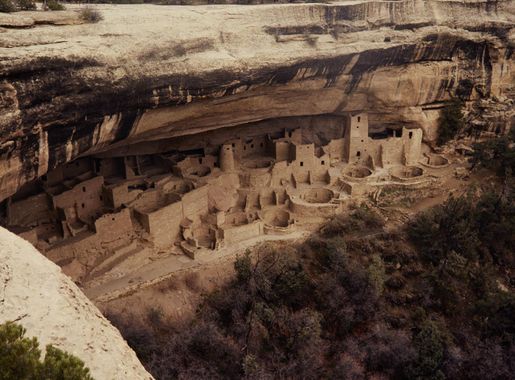
Long before European settlers arrived, the Ancestral Puebloans, also known as the Anasazi, inhabited the cliffs and mesas of Southwest Colorado. Mesa Verde National Park, established in 1906, preserves some of the most notable cliff dwellings and archaeological sites. The park offers a glimpse into the lives of these ancient people, who built sophisticated stone communities and thrived from approximately AD 600 to 1300. Their sudden departure remains one of the great mysteries of North American archaeology.
-
The Ute people are the indigenous inhabitants of the region, with a history that stretches back thousands of years. They lived a nomadic lifestyle, hunting and gathering in the diverse landscapes of the area. The Ute Mountain Ute Tribe, headquartered near Towaoc, continues to play a significant role in the cultural and economic life of Southwest Colorado. Their rich traditions, dances, and crafts are celebrated at various events and festivals throughout the year.
-
In the late 16th century, Spanish explorers ventured into what is now Southwest Colorado in search of gold and new territories. One of the most notable expeditions was led by Juan de Rivera in 1765. Their journeys opened the region to further European exploration and eventual settlement, leaving a lasting legacy evident in place names and cultural influences.
-
The late 19th century brought a rush of miners to the area, particularly after gold was discovered in the San Juan Mountains in the 1860s. Towns like Silverton, Ouray, and Telluride sprang up almost overnight, fueled by the promise of riches. The Denver and Rio Grande Western Railroad facilitated the transport of ore, transforming the region's economy. Although the mining boom eventually waned, its impact is still visible in the historic architecture and mining relics scattered across the landscape.
-
Built in 1882, the Durango & Silverton Narrow Gauge Railroad originally served as a means to transport silver and gold ore from the San Juan Mountains. Today, it operates as a heritage railway, offering scenic trips through some of Colorado's most breathtaking landscapes. The historic steam-powered trains and the well-preserved tracks offer a nostalgic journey into the past, attracting tourists from around the world.
-
The passage of the Homestead Act in 1862 encouraged settlers to move westward, including to Southwest Colorado. Many took up farming and ranching, drawn by the fertile valleys and abundant water sources like the Animas and Dolores Rivers. This agricultural heritage continues today, with numerous farms and ranches contributing to the local economy and culture. The region is also known for its vineyards and wineries, which produce distinctive Colorado wines.
-
Efforts to preserve and honor Native American culture in Southwest Colorado have been ongoing. The Ute Mountain Ute Tribal Park, for instance, offers guided tours of sacred sites and ancient ruins, providing a deeper understanding of the Ute heritage. Additionally, the Anasazi Heritage Center (now known as the Canyons of the Ancients Visitor Center and Museum) showcases artifacts and exhibits related to the Ancestral Puebloans and other indigenous groups of the region.
-
In recent decades, Southwest Colorado has become a hub for outdoor enthusiasts. The region's rugged mountains, rivers, and canyons offer unparalleled opportunities for hiking, skiing, rafting, and more. This shift towards tourism has helped to preserve the natural beauty and historical sites of the area, while also providing economic benefits to local communities. Towns like Durango, Cortez, and Pagosa Springs have become popular destinations, each offering a unique blend of history, culture, and adventure.
Neighbouring Regions of Southwest Colorado
The closest regions to Southwest Colorado, if you have time for more than one.


Your all‑in‑one travel companion app
Explore expert travel guides, compare and book tours, experiences, hotels, and more—all from the palm of your hand. Download now for seamless trip planning wherever your wanderlust takes you.


Explore More of Colorado

Looking beyond Southwest Colorado? Discover Colorado for broader travel guides, local hot-spots, and regional highlights.
Explore ColoradoSouthwest Colorado in Photos
Browse through our photo collection highlighting the charm and character of the destination.




Southwest Colorado: A Journey Through Nature and History
Nestled in the heart of the Rocky Mountains, Southwest Colorado offers a captivating mix of natural beauty and rich history. This area is a haven for outdoor enthusiasts, history buffs, and anyone looking to escape into the great outdoors. The region is home to some of the most stunning landscapes in the United States, from the towering peaks of the San Juan Mountains to the deep canyons carved by the Dolores and Animas Rivers. Southwest Colorado is also steeped in history. It is a place where ancient civilizations once thrived. Mesa Verde National Park, a UNESCO World Heritage Site, is a must-visit. Here, you can explore cliff dwellings and learn about the Ancestral Puebloans who made this region their home over 700 years ago. For those who enjoy a mix of culture and adventure, the charming town of Durango offers both. Take a ride on the historic Durango & Silverton Narrow Gauge Railroad for a scenic journey through the mountains, or stroll through the town's vibrant downtown area, filled with unique shops, galleries, and restaurants.