

Free Central Connecticut Travel Guide & Mobile App
Explore Central Connecticut with free travel guides. Discover regional history, expert tips, proposed trips, and audio guides on web or mobile app.


Central Connecticut combines Hartford museums, historic river towns, wooded trails, farm country and New England food across the state's central valley.
Read more about Central Connecticut
Getting to and around Central Connecticut
How to get there
Transportation
Top city travel guides in Central Connecticut
The cities of Central Connecticut, and the easiest places to base yourself.
-

-

-
-

-
-


Swipe for more cities
Destinations in Central Connecticut
Resorts, valleys and scenic spots worth a trip of their own.
-

-

-

-

-

-


Swipe for more destinations
Best attractions in Central Connecticut
Central Connecticut's attractions range from major cultural institutions to open-air history and accessible countryside. Hartford contains the Wadsworth Atheneum Museum of Art, the Connecticut Science Center, the Connecticut Historical Society, the Connecticut State Capitol and the intimate Old State House, while Bushnell Park provides a civic green space between them. The Mark Twain House and Harriet Beecher Stowe Center explore the city's literary and reforming traditions. In New Britain, the New Britain Museum of American Art offers a substantial survey of American painting and sculpture. Wethersfield's historic district presents colonial and early national architecture, and Farmington's Hill-Stead Museum combines an important house, art collection and gardens. Rocky Hill's Dinosaur State Park protects an extensive setting of Jurassic trackways. River walks, reservoirs, traprock-ridge trails, farms, gardens and seasonal cultural programmes add outdoor variety without requiring long journeys from the central corridor.
-
Casino
Mohegan Sun
Experience world-class gaming, entertainment, and luxury at Mohegan Sun, a premier destination in southeastern Connecticut.
-
Theme park
Lake Compounce Amusement & Water Park
Discover the excitement at Lake Compounce, the oldest amusement park in the U.S., offering thrilling rides, water attractions, and family fun in Bristol, Connecticut.
-
Park
Seaside Park
Discover the natural beauty and recreational opportunities at Seaside Park, Bridgeport's coastal gem with stunning views and vibrant atmosphere.
-
Zoo
Connecticut's Beardsley Zoo
Discover amazing animals from the Americas and Northern Asia at Connecticut's only zoo, nestled in Bridgeport's historic Beardsley Park.


Best landmarks in Central Connecticut
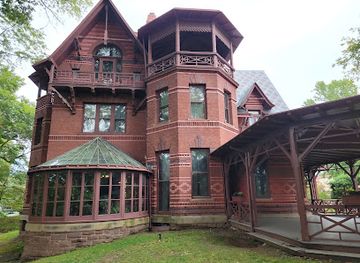
The Connecticut State Capitol is Central Connecticut's most recognisable civic landmark, its High Victorian Gothic exterior rising above Hartford's Bushnell Park. Nearby, the Old State House marks the city's colonial and early republican political importance, while the Soldiers and Sailors Memorial Arch gives the park a distinctive nineteenth-century presence. The Mark Twain House, with its dramatic Victorian architecture, and the adjacent Harriet Beecher Stowe Center represent Hartford's literary and intellectual heritage. Wethersfield's historic streets contain an unusually rich concentration of colonial and early national houses, reflecting its long agricultural and river-trade history. In New Britain, industrial heritage is expressed through the city's manufacturing legacy and the monumental setting of institutions created during its prosperous years. The Connecticut River itself is a defining natural landmark, particularly where broad floodplains, ferry crossings and elevated viewpoints reveal the geography that shaped settlement. Farther south, the exposed traprock landscape of the Metacomet Ridge provides a geological and visual counterpoint to the settled valley.
-
Museum
Mystic Seaport Museum
Explore Mystic Seaport Museum: A Living Tribute to America's Maritime History with Ships, Exhibits, and Family Fun.
-
State park
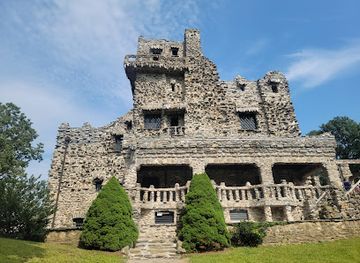
Gillette Castle State Park
Explore Gillette Castle State Park, where history, architecture, and nature come together in a stunning Connecticut setting.
-
Historical place museum
The Mark Twain House & Museum
Explore the Mark Twain House & Museum in Hartford, a historic gem dedicated to the life and works of America's beloved author.
-
Historical landmark
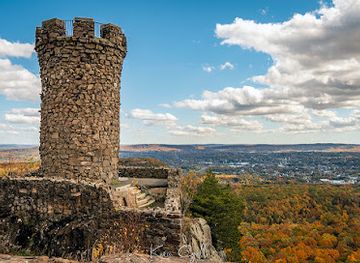
Castle Craig
Discover stunning views and rich history at Castle Craig, a historical landmark in Meriden's beautiful Hubbard Park, perfect for all outdoor enthusiasts.
Explore Central Connecticut on the map
Plan your trip on one map. See where the top cities, national parks and sights are, and book hotels and experiences in a few clicks.
Best hotels in Central Connecticut
Best restaurants in Central Connecticut
Dining in Central Connecticut reflects the region's position between New England tradition, immigrant communities and contemporary urban culture. Hartford and West Hartford offer a broad choice of restaurants, with Italian-American cooking, Caribbean and Latin American flavours, modern American menus, bakeries and cafés alongside established New England fare. Seafood, chowder, fried clams, oysters and lobster appear on menus, though the strongest local identity is often found in the balance between river-valley agriculture and city dining rather than in one single dish. Wethersfield, Glastonbury and Farmington provide farm stands, seasonal produce and orchard products, while New Britain has long-standing Polish and Eastern European influences among its wider dining options. Look for Connecticut-made beer, cider, cheese, bread and ice cream at shops, breweries, markets and casual eateries. Reservations are sensible for popular restaurants and performance evenings, and menu prices generally exclude sales tax and gratuity.
-
American
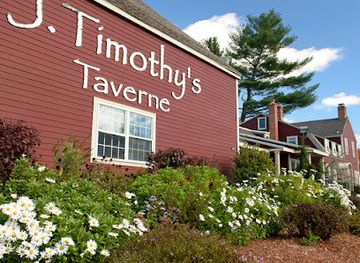
J Timothy's Taverne
Discover the heart of American cuisine at J Timothy's Taverne – where great food meets warm hospitality in Plainville, CT.
-
Seafood
Shell & Bones Oyster Bar & Grill
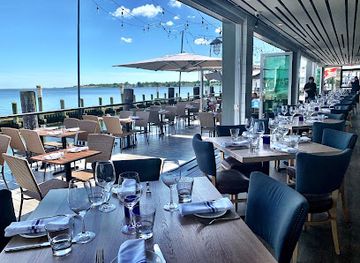
Discover exquisite seafood dishes with stunning waterfront views at Shell & Bones Oyster Bar & Grill in New Haven.
-
American
The Mill on the River
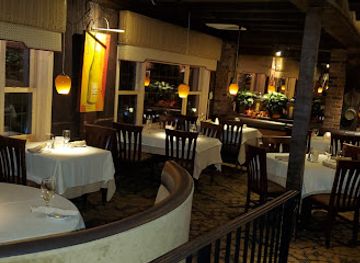
Experience fine American dining at The Mill on the River – where exquisite flavors meet breathtaking riverside views.
-
American
Rosy Tomorrow's
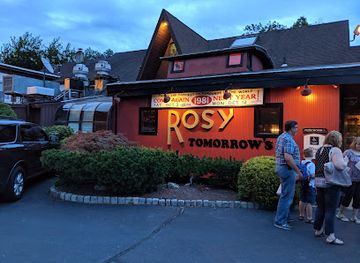
Discover Rosy Tomorrow's in Danbury: A charming family-friendly American restaurant serving delicious comfort food in a vibrant atmosphere.
Best bars in Central Connecticut
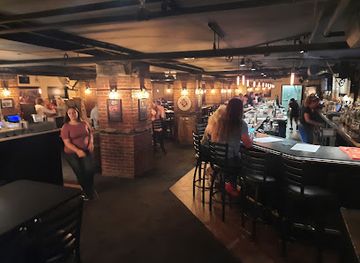
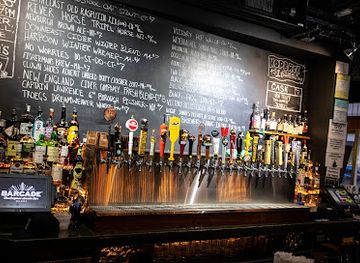
Evening life is concentrated in Hartford, West Hartford and the larger town centres rather than spread evenly across the countryside. Hartford offers cocktail bars, breweries, restaurants, theatre-related venues and occasional live music, with activity often linked to performances, sporting events and downtown programmes. West Hartford's central commercial area is known for restaurants, pubs and bars that suit an evening meal or drinks, while New Britain and Middletown provide additional choices in former industrial and college-orientated urban settings. Outside these centres, the customary evening options are neighbourhood pubs, taprooms, restaurant bars and historic inns, with quieter rhythms on weekdays. Nightclubs exist but do not define the region's character; check age requirements, transport arrangements and current opening information rather than assuming late-night service in smaller towns.
-
Grill
The Flying Monkey Grill & Bar
Discover a delightful blend of flavors at The Flying Monkey Grill & Bar, where every meal is an unforgettable experience in Newington, Connecticut.
-
Brewpub
Eli Cannons Tap Room
Experience the vibrant craft beer culture at Eli Cannons Tap Room, where inventive brews and delicious food come together in Middletown, Connecticut.
-
Gastropub
Celtic Cavern
Discover Celtic Cavern in Middletown, CT—where hearty gastropub cuisine meets a spirited bar atmosphere for an unforgettable dining experience.
-
Bar
Barcade
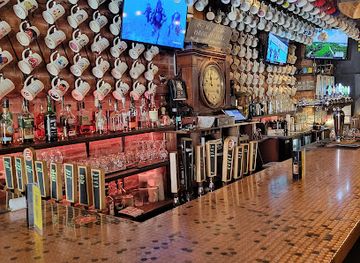
Discover Barcade in New Haven, where craft beer meets classic arcade games for an unforgettable night out.

Best nightclubs in Central Connecticut
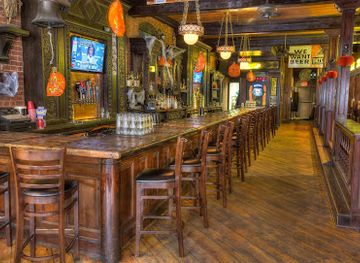
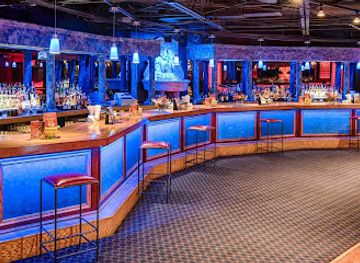
Evening life is concentrated in Hartford, West Hartford and the larger town centres rather than spread evenly across the countryside. Hartford offers cocktail bars, breweries, restaurants, theatre-related venues and occasional live music, with activity often linked to performances, sporting events and downtown programmes. West Hartford's central commercial area is known for restaurants, pubs and bars that suit an evening meal or drinks, while New Britain and Middletown provide additional choices in former industrial and college-orientated urban settings. Outside these centres, the customary evening options are neighbourhood pubs, taprooms, restaurant bars and historic inns, with quieter rhythms on weekdays. Nightclubs exist but do not define the region's character; check age requirements, transport arrangements and current opening information rather than assuming late-night service in smaller towns.
-
Bar
The Lady
Discover The Lady, a vibrant bar and nightclub in Hartford, offering great food, drinks, and a lively atmosphere for an unforgettable night out.
-
Night club
Club Vandome
Discover the electrifying nightlife at Club Vandome, New Haven's premier night club, where music and dance ignite unforgettable experiences.
-
Night club
Shrine Nightclub
Dive into the vibrant nightlife at Shrine Nightclub, where electrifying music and a lively atmosphere create unforgettable moments.
-
Night club
The Palms Night Club
Experience the vibrant nightlife at The Palms Night Club in Stamford, CT, where electrifying music and an energetic atmosphere await you.


Best shops in Central Connecticut
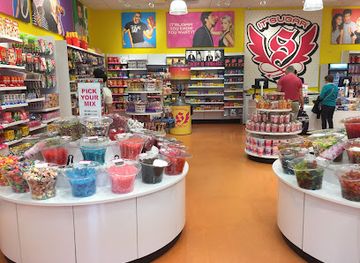
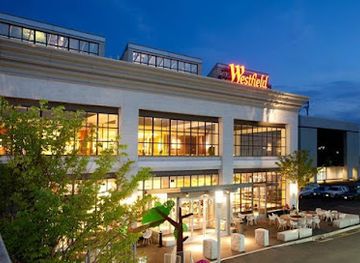
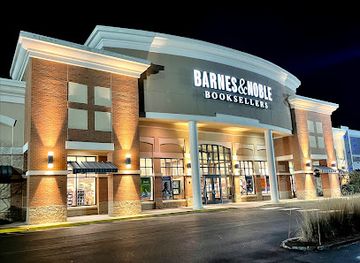
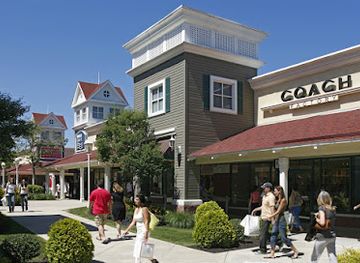
Shopping in Central Connecticut ranges from Hartford's downtown retail and cultural shops to the independent businesses of West Hartford's central commercial streets. The region is particularly suited to browsing rather than destination luxury shopping: bookstores, galleries, antiques, homeware, clothing boutiques and specialist food shops are more characteristic than large designer precincts. New Britain and Middletown offer additional independent retailers and cafés in historic urban settings, while Wethersfield, Glastonbury, Farmington and surrounding communities provide farm stands, seasonal produce and locally made foods. Farmers' markets vary by season and location, so visitors should check current schedules. Connecticut beer, cider, maple products, baked goods, preserves and orchard produce make practical regional purchases, and museum shops offer books and design-led gifts connected with local art and history. Larger shopping centres and national chains are available in the Hartford suburbs, but a car is usually useful for combining them with rural markets and farm shops.
-
Outlet mall
Tanger Outlets Foxwoods
Discover incredible deals and a diverse range of shopping options at Tanger Outlets Foxwoods, the ultimate outlet mall experience in Connecticut.
-
Shopping mall
Trumbull Mall
Discover a vibrant shopping haven at Trumbull Mall, offering diverse stores, dining, and entertainment in the heart of Connecticut.
-
Shopping mall
The Shoppes at Buckland Hills
Discover top brands, delightful dining, and entertainment at The Shoppes at Buckland Hills in Manchester, Connecticut.
-
Outlet mall
Clinton Premium Outlets
Discover unbeatable deals at Clinton Premium Outlets, where top brands meet exceptional savings in a charming outdoor shopping setting.
Get your free copy of our complete guide to Central Connecticut, delivered straight to you.
Everything on this page, from attractions and restaurants to essentials and local phrases, in one PDF you can read offline, print or share.
Already have an account? Sign in
Your Central Connecticut guide is ready.
We'll send it to · Not you? Sign out

Getting your guide ready…
We are putting together a fresh copy of the Central Connecticut guide. This can take up to a minute.
This can take a few moments. If your browser asks, choose Allow so the download can start. You'll find the guide in your Downloads folder.
Nothing happened? Download it again
Sorry, the guide is taking longer than usual. Please try again in a minute, or get it by email instead.
Central Connecticut essentials
Currency and Payment
Safety
Emergency Situations
Do's and Don'ts
Local Tips
From Eve
Local phrases worth knowing
You don't need to get them perfect. A few words go a long way, and locals appreciate the effort.
Basics
| English | Local | Say it |
|---|---|---|
| Hello | Hey | [Hey] |
| Goodbye | See ya | [See ya] |
| Yes | Yeah | [Yeah] |
| No | Nope | [Nope] |
| Please/You’re welcome | No problem | [No problem] |
| Thank you | Thanks | [Thanks] |
| Excuse me/Sorry | Sorry | [Sorry] |
| How are you? | How ya doin'? | [How ya doin'?] |
| Fine. And you? | Good. You? | [Good. You?] |
| Do you speak English? | You speak English? | [You speak English?] |
| I don't understand | I don’t get it | [I don’t get it] |
Eating & Drinking
| English | Local | Say it |
|---|---|---|
| I'd like to see the menu, please | Can I see the menu? | [Can I see the menu?] |
| I don't eat meat | I’m a vegetarian | [I’m a vegetarian] |
| Cheers! | Cheers! | [Cheers!] |
| I would like to pay, please | Can I get the check? | [Can I get the check?] |
Emergencies
| English | Local | Say it |
|---|---|---|
| Help! | Help! | [Help!] |
| Go away! | Leave me alone! | [Leave me alone!] |
| Call the Police! | Call the cops! | [Call the cops!] |
| Call a doctor! | Get a doctor! | [Get a doctor!] |
| I'm lost | I’m lost | [I’m lost] |
| I'm ill | I’m not feeling well | [I’m not feeling well] |
Shopping
| English | Local | Say it |
|---|---|---|
| I'd like to buy... | I wanna buy... | [I wanna buy...] |
| I'm just looking | Just browsing | [Just browsing] |
| How much is it? | What’s the price? | [What’s the price?] |
| That's too expensive | That’s a bit much | [That’s a bit much] |
| Can you lower the price? | Can you cut me a deal? | [Can you cut me a deal?] |
Time & Numbers
| English | Local | Say it |
|---|---|---|
| What time is it? | What time is it? | [What time is it?] |
| It's one o'clock | It’s one o’clock | [It’s one o’clock] |
| Half past (10) | Half past ten | [Half past ten] |
| Morning | Morning | [Morning] |
| Afternoon | Afternoon | [Afternoon] |
| Evening | Evening | [Evening] |
| Yesterday | Yesterday | [Yesterday] |
| Today | Today | [Today] |
| Tomorrow | Tomorrow | [Tomorrow] |
| 1 | One | [One] |
| 2 | Two | [Two] |
| 3 | Three | [Three] |
| 4 | Four | [Four] |
| 5 | Five | [Five] |
| 6 | Six | [Six] |
| 7 | Seven | [Seven] |
| 8 | Eight | [Eight] |
| 9 | Nine | [Nine] |
| 10 | Ten | [Ten] |
Transport & Directions
| English | Local | Say it |
|---|---|---|
| Where's a/the...? | Where’s the...? | [Where’s the...?] |
| What's the address? | What’s the address? | [What’s the address?] |
| Can you show me (on the map)? | Can you point it out? | [Can you point it out?] |
| When's the next (bus)? | When is the next bus? | [When is the next bus?] |
| A ticket (to ....) | A ticket to... | [A ticket to...] |
History of Central Connecticut
Indigenous River Communities and Early Settlement
Before English colonisation, the Connecticut River valley was inhabited and used by Indigenous peoples, including the Wangunk around the central river corridor and other communities whose territories extended across present-day Connecticut. The river provided transport, fishing and fertile land, while trails connected the valley with upland areas. English settlers established Hartford, Wethersfield and Windsor in the seventeenth century, transforming the landscape through farming, trade and imposed political structures. Indigenous presence did not end with colonial settlement, although land loss, disease, conflict and unequal treaties profoundly altered Native communities.
Hartford and the Fundamental Orders
Hartford became a political centre for the Connecticut Colony in the 1630s. In 1638–39, representatives from Hartford, Windsor and Wethersfield adopted the Fundamental Orders, commonly regarded as an important early framework for representative government in English North America. The document's legacy is interpreted within the wider, complicated history of colonial power and exclusion, but it reflects the central valley's early importance in Connecticut's political development. Hartford's continuing role as the state capital has kept this colonial and constitutional history visible in its civic buildings and museums.
Agriculture, Trade and the River Economy
For much of the colonial and early national period, the Connecticut River was the region's main commercial artery. Wethersfield developed a notable agricultural economy, including onions and seed production, while farms along the valley supplied growing settlements. River landings connected central Connecticut to coastal trade and inland roads. The construction of turnpikes, canals in the broader valley network and later railways gradually widened the market for local goods. The surviving street plans, farmhouses and historic districts of Wethersfield and surrounding towns reflect the transition from small colonial settlements to a more commercially connected region.
Industrialisation in Hartford and New Britain
During the nineteenth century, Central Connecticut became an important manufacturing district. Hartford combined trade, publishing, insurance and industrial activity, while New Britain became especially associated with hardware, tools and metalworking. Companies and inventors connected with the city's manufacturing tradition helped establish a national reputation for precision goods. Factories, workers' neighbourhoods and rail connections reshaped the region, attracting migrants and creating urban communities. Although many traditional plants later closed or changed ownership, industrial design, engineering and manufacturing remain central to the historical identity of New Britain and the wider central corridor.
Nineteenth-Century Literature and Reform
Hartford was a major literary centre in the nineteenth century. Samuel Clemens, known as Mark Twain, lived and wrote in the city in the 1870s and 1880s, while Harriet Beecher Stowe spent her later years nearby. Their homes and writings connect Central Connecticut with debates about slavery, race, religion, domestic life and American identity. The literary culture was supported by publishing, education and the wealth generated by commerce and industry. The Mark Twain House and Harriet Beecher Stowe Center preserve this heritage while encouraging visitors to consider both the achievements and the limitations of the period.
Modern Government, Insurance and Urban Change
In the twentieth century, Hartford strengthened its reputation as a centre of insurance, government and professional services, even as manufacturing towns faced industrial restructuring. The construction and expansion of state offices, modern highways and suburban communities altered the relationship between Hartford and surrounding towns. West Hartford, Farmington and other suburbs developed distinct commercial and residential identities, while older industrial cities sought new roles through museums, universities, healthcare and the arts. Today, Central Connecticut's landscape reflects this layered history: colonial streets and nineteenth-century factories stand alongside state institutions, research facilities and contemporary cultural venues.
Central Connecticut in Photos
Browse through our photo collection highlighting the charm and character of the destination.
Neighbouring regions of Central Connecticut
The closest regions to Central Connecticut, if you have time for more than one.
-

-

-

-

-


Swipe for more regions
Explore more

Explore more of Connecticut
Discover Connecticut: A blend of charming coastal towns, rich history, and scenic landscapes, perfect for nature lovers, history buffs, and cultural enthusiasts.
Explore Connecticut