

Hammonasset Beach State Park Travel Guide - Free Web & App
Your ultimate guide to Hammonasset Beach State Park. Discover top landmarks, proposed trips, and local tips. Free on the web or via the Evendo companion app.


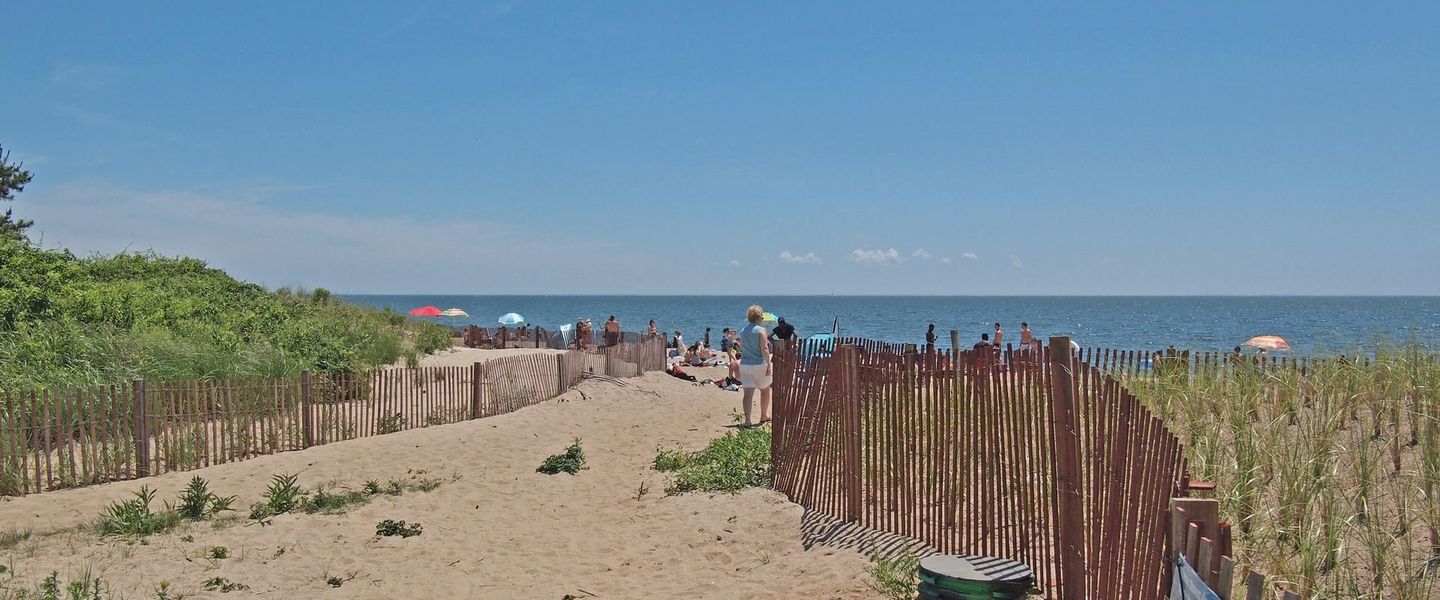


Hammonasset Beach State Park in Connecticut offers two miles of shore, salt marshes, camping, coastal walks, wildlife and Meigs Point near Madison.
Shoreline, Marsh and Open Sky
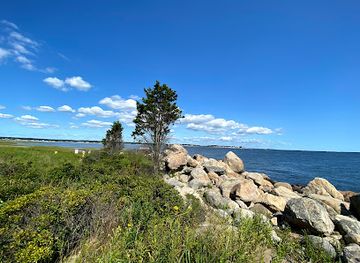
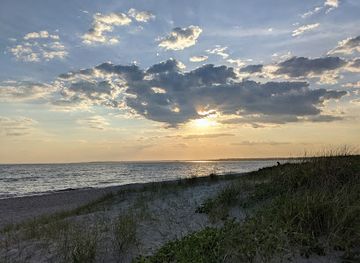
Hammonasset Beach State Park occupies more than 900 acres of Connecticut’s southern coastline beside the town of Madison. Its defining feature is a broad, gently curving shoreline extending for roughly two miles, with Long Island Sound opening westward towards distant coastal horizons. Behind the beach, dunes, salt marshes, tidal creeks and low wooded areas create a varied landscape where shorebirds, waterfowl and other coastal wildlife can often be observed. The beach is the park’s central attraction, but its quieter character emerges along the marsh edges and coastal paths, particularly outside the busiest summer hours.Read more about Hammonasset Beach State Park
Meigs Point and the Park Interior
A Coastal Park Near Madison
When is the best time to visit Hammonasset Beach State Park?
Best: June, August–September · 23–28°C| Month | High (°C) | Rainfall (mm) |
|---|---|---|
| January | 3 | 83 |
| February | 4 | 76 |
| March | 8 | 95 |
| April | 15 | 99 |
| May | 20 | 99 |
| June (best) | 25 | 100 |
| July | 29 | 101 |
| August (best) | 28 | 92 |
| September (best) | 23 | 95 |
| October | 18 | 100 |
| November | 12 | 107 |
| December | 6 | 91 |
Getting to and around Hammonasset Beach State Park
How to get there
Transportation
Best attractions in Hammonasset Beach State Park
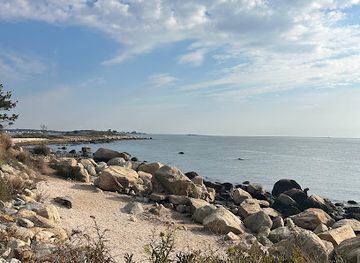
The broad sandy beach is Hammonasset’s principal attraction, offering long coastal walks and open views across Long Island Sound, while the western wetlands and Hammonasset River provide a quieter setting for observing marsh vegetation and waterbirds. At the eastern end, Meigs Point has a more varied shoreline of rocks, tidal pools and low coastal habitat, with the Meigs Point Nature Center interpreting Connecticut’s marine life and habitats through exhibits and educational activity. Inland roads lead to extensive picnic lawns, shaded areas and the park’s large campground, making the site suitable for both short visits and longer stays. Visitors interested in nature should look beyond the bathing beach to the seams between dunes, salt marsh and tidal water, where conditions and wildlife activity change with the season. The park is also close to Madison, whose village centre and surrounding shoreline provide additional historic, cultural and practical attractions outside the park boundary.
-
Wildlife refuge
Hammonasset Natural Area Preserve
Explore the stunning landscapes and wildlife of Hammonasset Natural Area Preserve, a serene coastal refuge in Madison, Connecticut, perfect for nature lovers.
-
Nature preserve
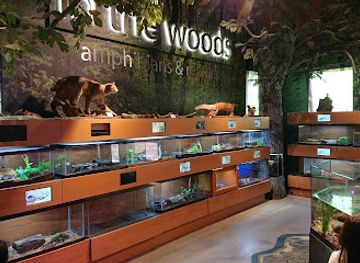
Meigs Point Nature Center
Explore the natural beauty and educational wonders of Meigs Point Nature Center in Madison, Connecticut, and connect with local wildlife and ecosystems.
Best landmarks in Hammonasset Beach State Park
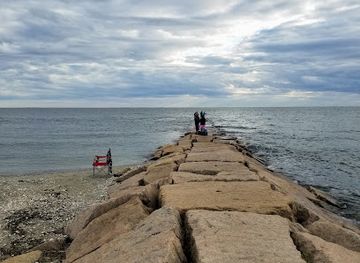
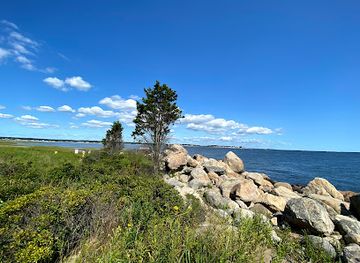
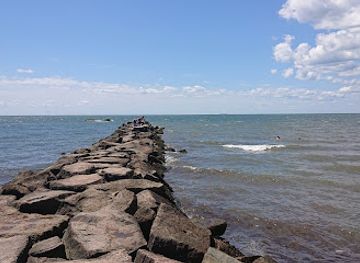
Hammonasset’s defining landmark is its extensive sandy shore, one of Connecticut’s most recognisable public coastal landscapes, backed by dunes and open views across Long Island Sound. Meigs Point forms a contrasting eastern landmark where exposed rock, tidal pools and marine habitats reveal the shoreline’s changing character; the associated nature centre is an important interpretive feature rather than a historic monument. The Hammonasset River and adjoining salt-marsh environment give the western part of the park its ecological identity, linking inland waters with the Sound. The park’s name itself is a cultural landmark, preserving the memory of the Indigenous Hammonasset people associated with this coast. Together, beach, marsh, river and rocky point explain why the site became a major state park and why its significance extends beyond summer recreation.
-
Wildlife refuge
Hammonasset Natural Area Preserve
Explore the stunning Hammonasset Natural Area Preserve, a coastal wildlife refuge offering scenic trails, pristine beaches, and diverse ecosystems in Madison, CT.
-
Nature preserve
Meigs Point Nature Center
Explore the beauty of nature at Meigs Point Nature Center, where adventure meets education in the heart of Connecticut's Hammonasset State Park.
-
Beach
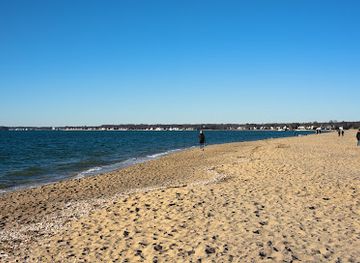
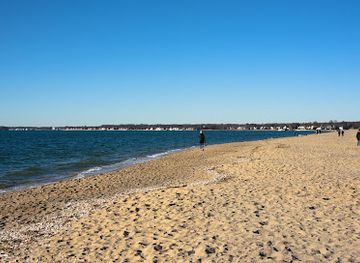
Hammonasset Beach
Hammonasset Beach in Madison, CT, offers a stunning two-mile stretch of sandy shoreline, perfect for family fun, relaxation, and nature exploration.
-
Parking lot
Meigs Point Hammonasset Beach State Park, Madison, CT
Experience the breathtaking beauty of Meigs Point at Hammonasset Beach State Park, a coastal gem perfect for outdoor adventures and family fun in Madison, CT.
Explore Hammonasset Beach State Park on the map
Plan your trip on one map. See where the top attractions, landmarks, restaurants and hotels are, and book hotels and experiences in a few clicks.
Best hotels in Hammonasset Beach State Park
Best restaurants in Hammonasset Beach State Park
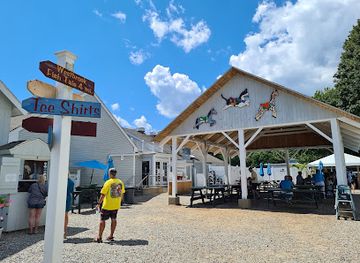
Hammonasset Beach State Park is primarily a recreational landscape rather than a dining destination, so food options inside the park are limited and may be seasonal. Many day visitors bring picnics for the beach or designated picnic areas, while campers should plan supplies before entering the park or use shops in Madison and neighbouring shoreline towns. Madison’s village centre and the wider Route 1 corridor provide the most convenient choice of cafés, restaurants, bakeries, takeaway food and traditional American dining, with further options in Clinton and Guilford. Regional menus commonly reflect New England’s coastal setting through seafood, clam chowder, oysters, lobster rolls and other shellfish, although availability varies by establishment and season. Farm stands, bakeries and local food shops can also be useful for picnic provisions, particularly when visiting outside the busiest summer period.
-
Seafood
Lenny & Joe's
Discover fresh seafood delights at Lenny & Joe's in Madison, where every bite takes you closer to the ocean.
-
Seafood
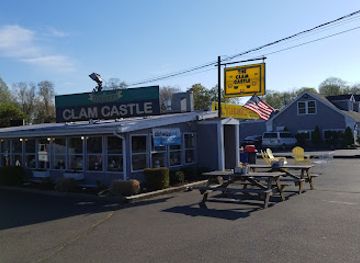
Clam Castle
Discover fresh seafood delights at Clam Castle in Madison, CT - where every dish tells a story of coastal tradition and flavor.
-
Fast Food
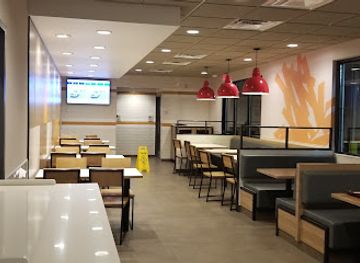
McDonald's
Enjoy classic fast food at McDonald's in Clinton - perfect for travelers seeking quick meals at affordable prices.
-
American
Donahue's Madison Beach Grille
Experience delicious American cuisine at Donahue's Madison Beach Grille in picturesque Madison, CT—where every meal is a seaside celebration.

Best bars in Hammonasset Beach State Park
Evenings at Hammonasset are generally quiet and shaped by the coast, camping and the changing light over Long Island Sound rather than by a formal nightlife scene. The park does not function as a nightclub district, and visitors staying overnight should expect a nature-focused atmosphere after facilities and day-use areas become quieter. For a drink or a more conventional evening meal, Madison and nearby shoreline towns offer established restaurants, pubs and bars, with additional choices in Clinton and Guilford outside the park boundary. Live events and seasonal entertainment may occur in the wider region, but schedules and venues change, so they should be checked locally. A walk along permitted beach areas, a sunset viewed from the shore and a quiet evening at a campsite are more characteristic experiences than late-night entertainment.
-
Seafood
Lenny & Joe's
Experience the best of coastal seafood dining at Lenny & Joe's in Madison, Connecticut - fresh flavors and a welcoming atmosphere await you.
-
Seafood
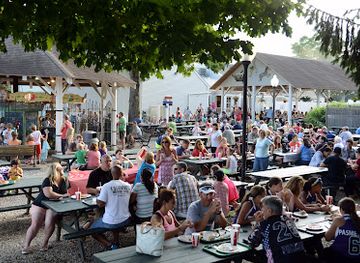
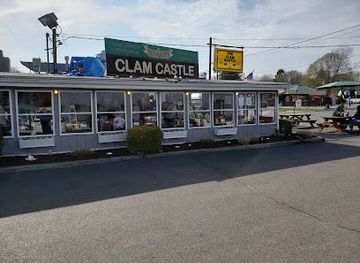
Clam Castle
Experience the best of New England seafood at Clam Castle, where fresh catches and stunning coastal views come together for an unforgettable dining experience.
-
Seafood
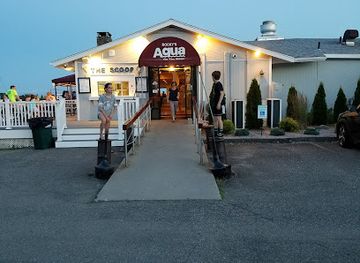
Rocky's Aqua
Experience the best seafood dining along the riverside at Rocky's Aqua, where fresh flavors and a warm atmosphere await you in Clinton, Connecticut.
-
American
Donahue's Madison Beach Grille
Discover the best of American cuisine at Donahue's Madison Beach Grille, a vibrant pub offering delightful dishes and stunning coastal views.
Best nightclubs in Hammonasset Beach State Park
Evenings at Hammonasset are generally quiet and shaped by the coast, camping and the changing light over Long Island Sound rather than by a formal nightlife scene. The park does not function as a nightclub district, and visitors staying overnight should expect a nature-focused atmosphere after facilities and day-use areas become quieter. For a drink or a more conventional evening meal, Madison and nearby shoreline towns offer established restaurants, pubs and bars, with additional choices in Clinton and Guilford outside the park boundary. Live events and seasonal entertainment may occur in the wider region, but schedules and venues change, so they should be checked locally. A walk along permitted beach areas, a sunset viewed from the shore and a quiet evening at a campsite are more characteristic experiences than late-night entertainment.
-
State park
Hammonasset Beach State Park
Experience the stunning coastal beauty and outdoor adventures at Hammonasset Beach State Park in Madison, Connecticut.
Best shops in Hammonasset Beach State Park
Shopping within Hammonasset Beach State Park is limited and centred on practical visitor needs rather than a permanent retail district. Visitors should obtain groceries, picnic supplies, medicines and specialist outdoor equipment in Madison or another nearby shoreline town before spending time in the park. Madison’s village centre and local commercial areas provide independent shops, food retailers, galleries and everyday services, while the wider shoreline communities offer additional supermarkets, farm stands, bakeries and seasonal producers. Regional purchases may include Connecticut foods, New England seafood products, locally made preserves, baked goods, artwork and coastal-themed gifts, but product ranges vary between businesses. Outdoor equipment is more likely to be found in larger nearby commercial centres than at the beach itself, making advance preparation particularly useful for campers, walkers and visitors travelling without a car.
-
State park
Hammonasset Beach State Park
Explore the natural beauty and recreational delights of Hammonasset Beach State Park, Connecticut's premier coastal destination for relaxation and adventure.
-
Nature preserve
Meigs Point Nature Center
Explore the beauty of nature and marine life at Meigs Point Nature Center, an educational haven on Connecticut's stunning coastline.
-
Wine store
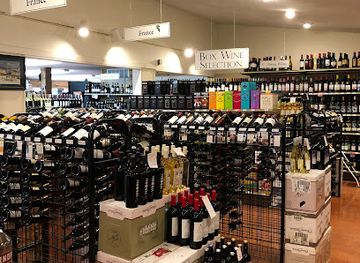
Hammonasset Package Store
Explore the finest selection of wines and liquors at Hammonasset Package Store, your go-to destination in Madison, Connecticut.
-
Gift shop
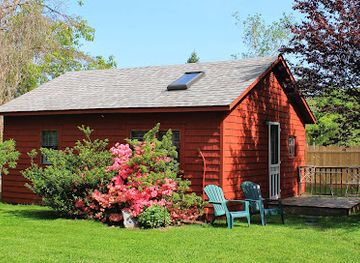
Beech Tree Cottages
Discover the charm and tranquility of Beech Tree Cottages, a perfect blend of cozy accommodations and delightful local shopping in Madison, Connecticut.
Get your free copy of our complete guide to Hammonasset Beach State Park, delivered straight to you.
Everything on this page, from attractions and restaurants to essentials and local phrases, in one PDF you can read offline, print or share.
Already have an account? Sign in
Your Hammonasset Beach State Park guide is ready.
We'll send it to · Not you? Sign out

Getting your guide ready…
We are putting together a fresh copy of the Hammonasset Beach State Park guide. This can take up to a minute.
This can take a few moments. If your browser asks, choose Allow so the download can start. You'll find the guide in your Downloads folder.
Nothing happened? Download it again
Sorry, the guide is taking longer than usual. Please try again in a minute, or get it by email instead.
Hammonasset Beach State Park essentials
Currency and Payment
Safety
Emergency Situations
Do's and Don'ts
Local Tips
From Eve
Local phrases worth knowing
You don't need to get them perfect. A few words go a long way, and locals appreciate the effort.
Basics
| English | Local | Say it |
|---|---|---|
| Hello | Yaw^ | [yah-ow] |
| Goodbye | Bye^ | [bye-ow] |
| Yes | Yup | [yup] |
| No | Nah | [nah] |
| Please/You're welcome | Pleez/No problem | [pleez/no problem] |
| Thank you | Thanks a lot | [thanks a lot] |
| Excuse me/Sorry | Excuse me/Sorry | [excuse me/sorry] |
| How are you? | How ya doin? | [how ya doin] |
| Fine. And you? | Good. You? | [good. you] |
| Do you speak English? | Ya speak English? | [ya speak English] |
| I don't understand | I don't get it | [I don't get it] |
Eating & Drinking
| English | Local | Say it |
|---|---|---|
| I'd like to see the menu, please | Can I see the menu, please | [can I see the menu, please] |
| I don't eat meat | I don't eat meat | [I don't eat meat] |
| Cheers! | Cheers! | [cheers] |
| I would like to pay, please | I'll pay now, please | [I'll pay now, please] |
Emergencies
| English | Local | Say it |
|---|---|---|
| Help! | Help! | [help] |
| Go away! | Go away! | [go away] |
| Call the Police! | Call the cops! | [call the cops] |
| Call a doctor! | Get a doctor! | [get a doctor] |
| I'm lost | I'm lost | [I'm lost] |
| I'm ill | I'm sick | [I'm sick] |
Shopping
| English | Local | Say it |
|---|---|---|
| I'd like to buy... | I wanna buy... | [I wanna buy] |
| I'm just looking | Just browsing | [just browsing] |
| How much is it? | How much does it cost? | [how much does it cost] |
| That's too expensive | That's too pricey | [that's too pricey] |
| Can you lower the price? | Can you bring the price down? | [can you bring the price down] |
Time & Numbers
| English | Local | Say it |
|---|---|---|
| What time is it? | What time is it? | [what time is it] |
| It's one o'clock | It's one | [it's one] |
| Half past (10) | Ten thirty | [ten thirty] |
| Morning | Morning | [morning] |
| Afternoon | Afternoon | [afternoon] |
| Evening | Evening | [evening] |
| Yesterday | Yesterday | [yesterday] |
| Today | Today | [today] |
| Tomorrow | Tomorrow | [tomorrow] |
| 1 | One | [one] |
| 2 | Two | [two] |
| 3 | Three | [three] |
| 4 | Four | [four] |
| 5 | Five | [five] |
| 6 | Six | [six] |
| 7 | Seven | [seven] |
| 8 | Eight | [eight] |
| 9 | Nine | [nine] |
| 10 | Ten | [ten] |
Transport & Directions
| English | Local | Say it |
|---|---|---|
| Where's a/the...? | Where's the...? | [where's the] |
| What's the address? | What's the address? | [what's the address] |
| Can you show me (on the map)? | Can you show me on the map? | [can you show me on the map] |
| When's the next (bus)? | When's the next bus? | [when's the next bus] |
| A ticket (to ....) | A ticket to ... | [a ticket to] |
History of Hammonasset Beach State Park
Indigenous Shoreline and Hammonasset People
The park’s name recalls the Hammonasset, an Indigenous people associated with the central Connecticut coast and traditionally identified as part of the broader Eastern Woodland cultural world. The shoreline, tidal wetlands and river provided access to fish, shellfish, birds, plants and fertile land, while the coastal environment formed part of a wider seasonal landscape rather than an isolated recreation site. European settlement later transformed ownership and land use, but the name remains an important reminder that the area’s history predates the state park and its modern recreational identity.
Farms, Shoreline Land and Changing Use
Before becoming a public park, the Hammonasset area consisted of rural coastal land shaped by agriculture, estuarine resources and changing patterns of settlement in Madison. The river, marshes and Sound influenced how people moved through and used the landscape, while the beach itself remained part of a wider working countryside rather than a landscaped resort. As Connecticut’s population and transport connections grew, public interest in accessible shoreline recreation increased, creating the conditions for state acquisition and the development of a major coastal park.
The State Park Era
Hammonasset Beach State Park opened in 1920 after Connecticut acquired coastal land for public recreation. It became one of the state’s principal shoreline parks, providing broad public access to Long Island Sound at a time when beaches were increasingly valued for health, leisure and family holidays. Roads, picnic facilities, bathing areas and later camping infrastructure gradually made the extensive site easier to use, while the park’s wetlands and shoreline remained important natural elements rather than being entirely replaced by development.
Conservation, Interpretation and Recreation
During the modern park era, management has had to balance intensive summer recreation with protection of dunes, salt marshes, tidal habitats and coastal wildlife. Meigs Point developed as a focal point for marine interpretation, with the nature centre helping visitors understand the plants, animals and physical processes of Connecticut’s shore. Camping, walking, swimming and birdwatching now coexist within a landscape still influenced by tides, storms, erosion and seasonal change. That balance continues to shape how Hammonasset is maintained and experienced.
Hammonasset Beach State Park in Photos
Browse through our photo collection highlighting the charm and character of the destination.
Neighbouring destination travel guides
The closest destinations to Hammonasset Beach State Park, if you have time for more than one.
-

-

-

-

-


Swipe for more destinations
Explore more
Explore more of Middlesex County
Middlesex County, Connecticut, combines Connecticut River scenery, Long Island Sound beaches, historic villages, brownstone heritage and cultural towns.
Explore Middlesex County
Explore more of Connecticut
Discover Connecticut: A blend of charming coastal towns, rich history, and scenic landscapes, perfect for nature lovers, history buffs, and cultural enthusiasts.
Explore Connecticut