Great Cypress Swamp: A Natural Treasure
Explore the serene beauty and rich biodiversity of the Great Cypress Swamp, a natural haven on the Delmarva Peninsula.
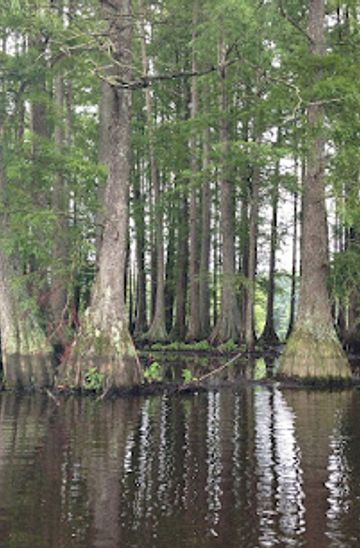
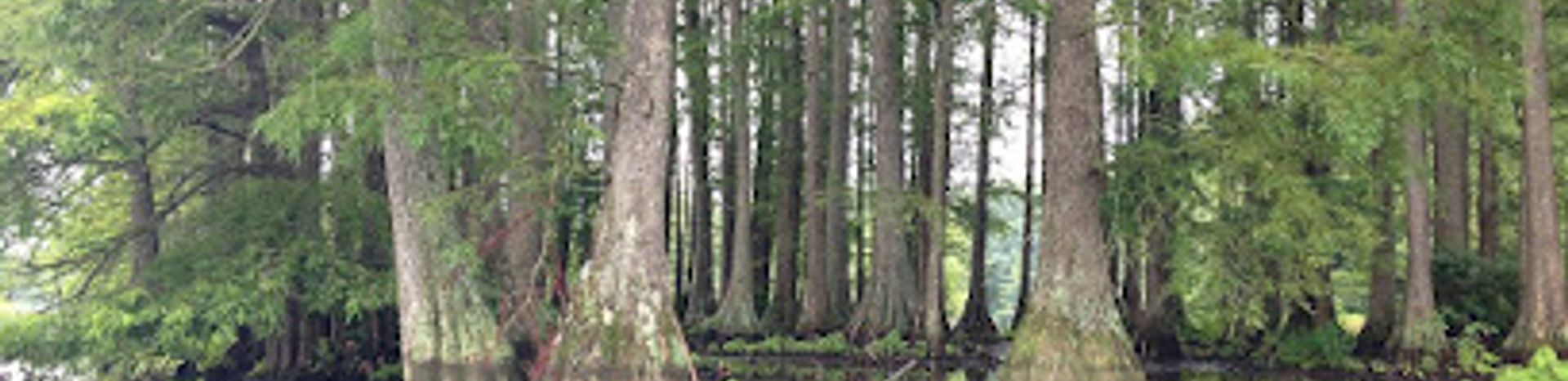
The Great Cypress Swamp, straddling Delaware and Maryland, is a remarkable freshwater wetland and the largest contiguous forest on the Delmarva Peninsula. Once a vast expanse of 50,000-60,000 acres, it has been reduced by logging, agriculture, and fires, but restoration efforts are underway.
A brief summary to Great Cypress Swamp
- Cypress Swamp, Frankford, DE, 19945, US
- Click to display

Know before you go
Hi, I'm Eve. Here are a few practical things to know before exploring Great Cypress Swamp.
- Visit during early morning or late afternoon for the best opportunities to observe wildlife.
- Bring binoculars for bird watching, as the swamp is home to a variety of bird species.
- Wear comfortable shoes suitable for walking on trails that may be uneven or muddy.
Do you manage this location?
Take control to get all the benefits, like improved information, better appearance, and stronger visibility across AI-powered discovery. Learn more
Activate your presenceGetting There
-
Car
If traveling by car from the Delaware Beaches area, head west on Route 26 until you reach the intersection with Route 113. Turn left onto Route 113 South, and after approximately 5 miles, turn right onto Cypress Swamp Road in Frankford. Follow Cypress Swamp Road for about 1 mile to reach the Great Cypress Swamp. Parking may be limited during peak times.
-
Public Transport
The nearest bus service is provided by DART First State. From various points in the Delaware Beaches, take Route 204 bus towards Frankford. Stay on the bus until you reach the stop near Route 113 and Cypress Swamp Road. From there, it is about a 1-mile walk to the Great Cypress Swamp. Check the DART schedule in advance.
Discover more about Great Cypress Swamp
Explore the best of what Great Cypress Swamp has to offer













More about Sussex County

Discover the coastal charm, historic towns, and vibrant culture of Sussex County, Delaware: A perfect blend of relaxation and adventure for every traveler.
Tell me more about Sussex County