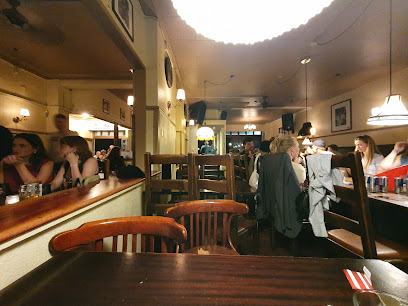
Danmarks Forsorgsmuseum: Unveiling Denmark's Welfare History
Explore Denmark's social welfare history at Danmarks Forsorgsmuseum in Svendborg, the best-preserved poorhouse in the Nordic countries, offering a poignant journey into the lives of the marginalized.
Danmarks Forsorgsmuseum, located in Svendborg, offers a poignant and thought-provoking journey into the history of Denmark's welfare system. Housed within the best-preserved poorhouse in the Nordic countries, dating back to 1872, the museum provides a unique glimpse into the lives of the marginalized and impoverished. Explore the stark realities of life for paupers, orphans, and the socially vulnerable through authentic settings and compelling exhibitions. The museum doesn't shy away from difficult topics, addressing themes of poverty, social control, and the evolution of welfare policies. Visitors can wander through the original buildings, including dormitories, workrooms, and punishment cells, gaining a visceral understanding of the conditions endured by those who resided within its walls. With a focus on personal stories and historical context, Danmarks Forsorgsmuseum encourages reflection on the past and its relevance to contemporary social issues. The museum also features exhibitions about children placed in care, spanning from the 19th century to today, and is a Green Attraction, committed to sustainability.
A brief summary to Danmarks Forsorgsmuseum
- Grubbemøllevej 13, Svendborg, 5700, DK
- +4562210261
- Visit website
Local tips
- Allow at least two hours to fully explore the exhibitions and the museum garden.
- Consider visiting during the off-season for a quieter and more contemplative experience.
- Check the museum's website for information on current exhibitions and special events.
- If traveling with children, be aware that some exhibitions may be emotionally challenging; parental guidance is recommended.
- Take advantage of the group discount if visiting with a party of 10 or more.

Getting There
-
Walking
From Svendborg Station, walk north along Jernbanegade, then turn left onto Grubbemøllevej. Continue for approximately 10 minutes. The museum will be on your left, easily identified by its historic buildings and signage.
-
Public Transport
Several local bus routes stop near Danmarks Forsorgsmuseum. Check FynBus for the most up-to-date schedules and routes. A day ticket for all of Funen and Langeland costs 75 DKK and can be purchased via the Rejsebillet app.
-
Driving
From the E20 motorway, take the exit for Svendborg and follow signs to the city center. Once in Svendborg, follow signs for Danmarks Forsorgsmuseum. Limited parking is available directly in front of the museum; remember to use a parking disc. Alternative parking can be found on Voldgade and Ramsherred. Parking is typically pay and display.
Discover more about Danmarks Forsorgsmuseum
Iconic landmarks you can’t miss

Saint Nicolai's Church
0.6 km
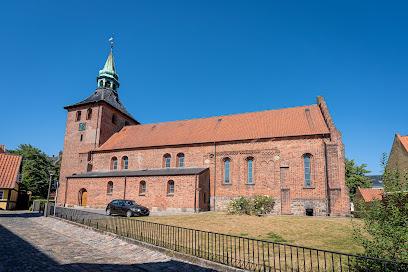
Svendborg’s oldest church and a quiet seafaring sanctuary, where red-brick medieval walls and a calm, whitewashed interior meet just off lively Gerritsgade.
Damestenen
16.6 km
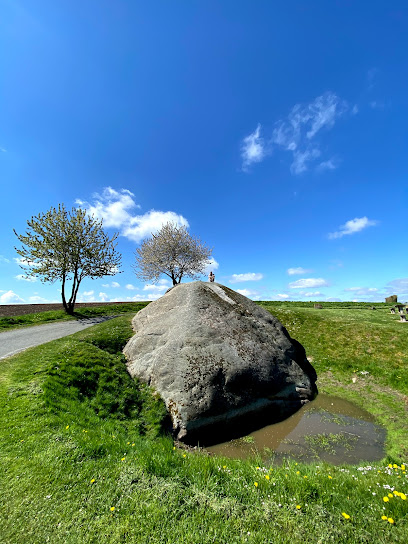
Denmark's colossal 1,200-tonne ice-age boulder, transported from Sweden 18,000 years ago.
Tranekær Castle
17.4 km
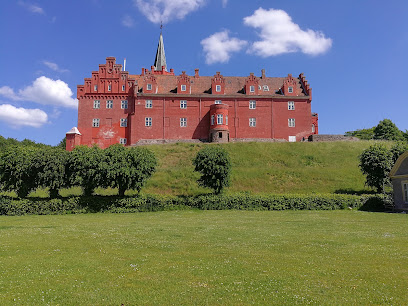
A red-plastered island fortress turned noble family home, Tranekær Castle crowns a hat-shaped hill on Langeland, blending medieval power, romance and working estate life.
Ærø Turist & Erhverv
22.6 km
Explore the beautiful island of Ærø with expert insights and resources from Ærø Turist & Erhverv, your local tourist information center.
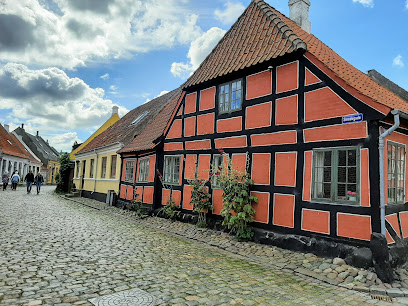
Ærøfærgerne
22.7 km
Experience the scenic ferry ride to Ærø Island via Ærøfærgerne, where Danish charm meets breathtaking coastal views.
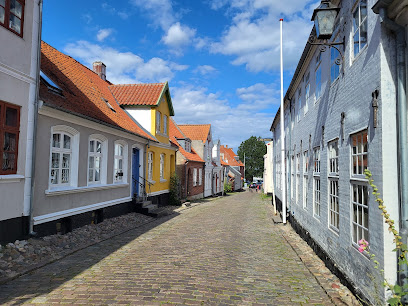
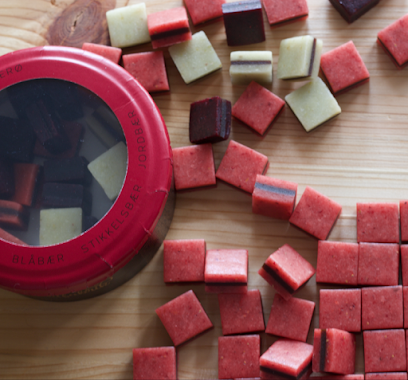
Hattesens Konfektfabrik Aps
22.7 km
Discover the sweet artistry of traditional Danish liquorice at Hattesens Konfektfabrik Aps in scenic Ærøskøbing.
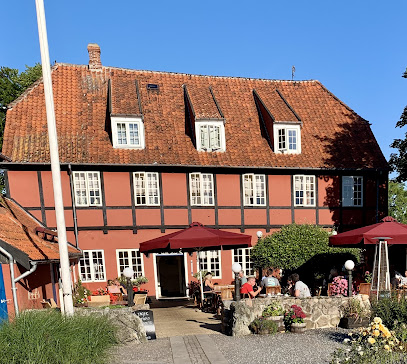
Hotel Ærøhus
22.8 km
Historic hotel in the heart of Ærøskøbing known for its authentic Danish charm, lush gardens, and local island cuisine—a perfect base for exploring Ærø.
På Torvet
22.9 km
Experience the unique charm of På Torvet in Ærøskøbing, where historic beauty meets modern comfort in the heart of Denmark.
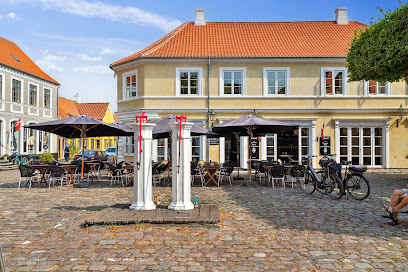
Danish Island Weddings
22.9 km
Experience the magic of weddings on the enchanting Danish island of Ærø, where love meets scenic beauty and unforgettable memories are made.
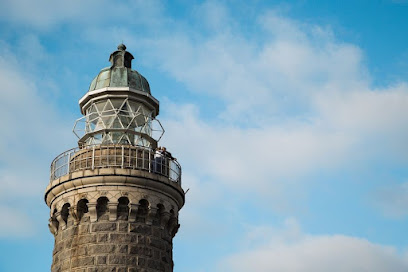
Andelen Guesthouse
23.0 km
Discover the charm of Ærøskøbing at Andelen Guesthouse, your cozy retreat in the heart of Denmark's picturesque island.
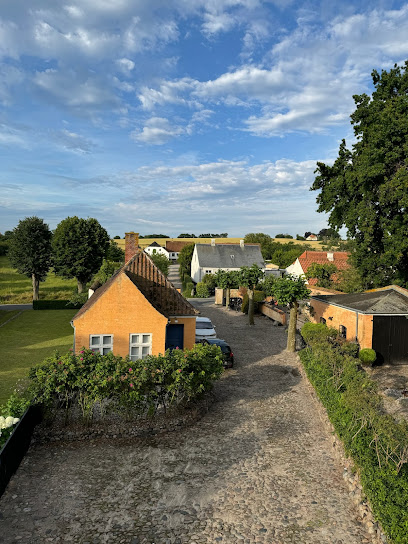
Monument for Danske Sømænd
23.5 km
A modest harbourfront memorial in Marstal that quietly honours generations of Danish sailors who left this island port and never returned from the sea.
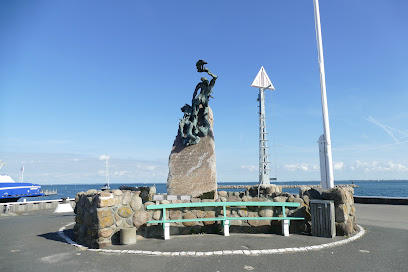
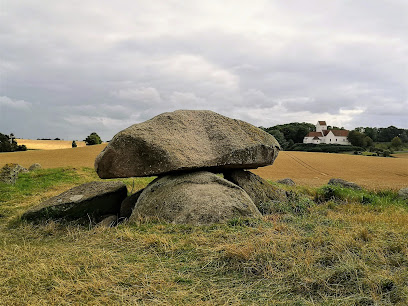
Langdyssen "Kong Humbles Grav"
25.9 km
A 55‑metre Stone Age long dolmen in the fields north of Humble, where legend, prehistoric engineering and soft Langeland landscapes meet in quiet simplicity.
Befrielsessten i Sulkendrup
26.4 km
A solemn memorial to Denmark's 1945 liberation, nestled in a forested valley near historic Sulkendrup Mill.
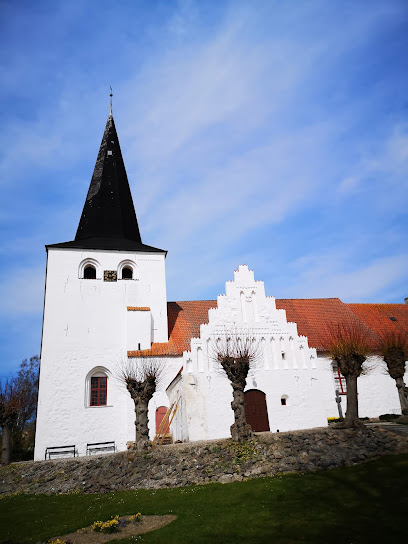
Bregninge Kirke
26.4 km
Medieval island church on a gentle Ærø hillside, where whitewashed stone, quiet fields and seafaring stories meet in a calm, contemplative setting.
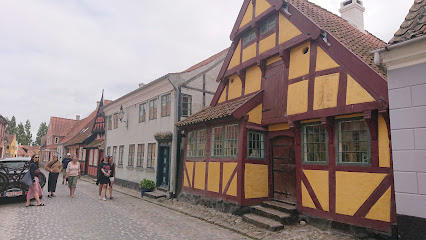
Ærø
26.5 km
Experience the serene charm of Ærø, Denmark's enchanting island, with its picturesque towns, rich maritime heritage, and stunning natural beauty, perfect for all travelers.
Unmissable attractions to see

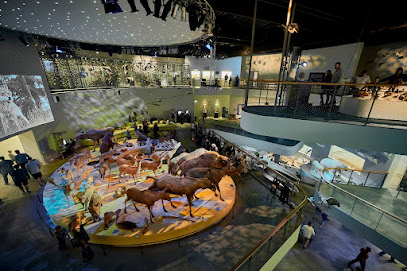
Naturama
0.3 km
Denmark's most immersive natural history museum, where dramatic design and living collections reveal nature's interconnected wonders.
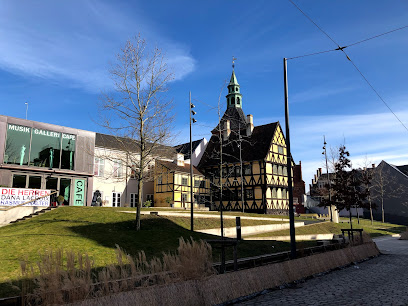
Anne Hvide's House
0.4 km
Explore Denmark's rich glass and ceramic heritage at Holmegaard Værk, featuring extensive collections and live artisan demonstrations.
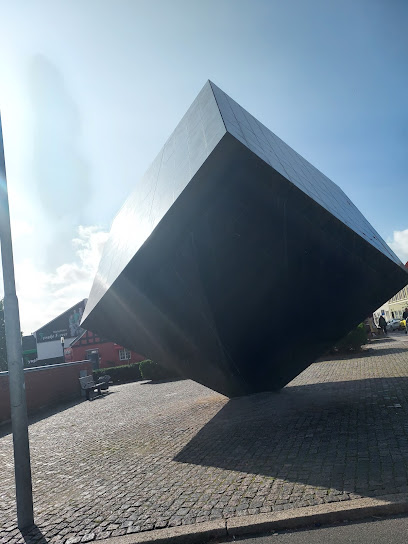
Cubo Nero
0.6 km
Historic glass factory turned museum celebrating two centuries of Scandinavian design mastery and innovation.
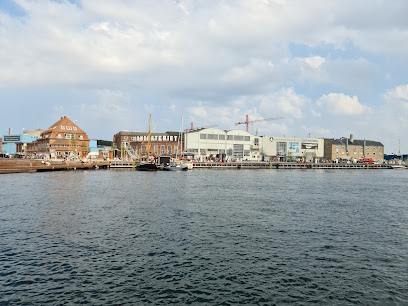
Danmarks Museum for Lystsejlads
1.0 km
Denmark’s dedicated yachting museum in Svendborg Harbour, showcasing 150 years of pleasure sailing through classic boats, living workshops and rich maritime stories.
Ørkild Slots Voldsted
1.4 km
One of Denmark’s largest medieval castle mounds, where grassy ramparts and deep ditches reveal the ghost of a lost fortress above the outskirts of Svendborg.
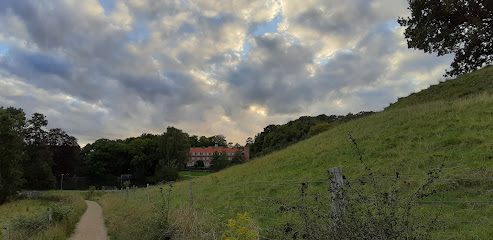
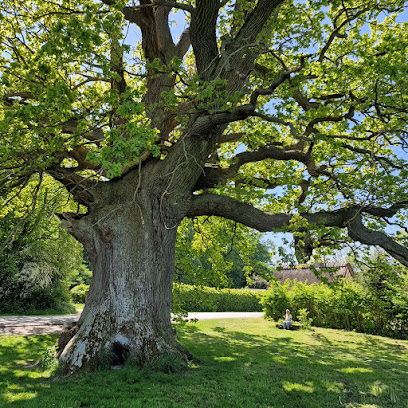
Ambrosius's Oak
5.4 km
A 400‑year‑old oak in Tåsinge’s Nørreskov forest, where poetry, castle history, and quiet woodland atmosphere meet beneath one vast crown.
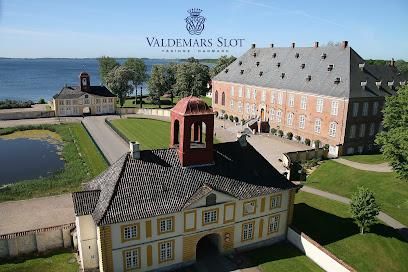
Valdemars Slot
5.4 km
Seaside baroque manor on Tåsinge where royal ambition, naval heroism and intimate family life meet amid gardens, shoreline paths and characterful historic interiors.
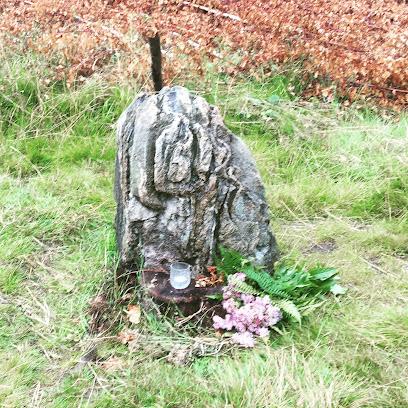
Elvira Madigan og Sixten Sparre
6.6 km
A modest forest memorial in Nørreskoven on Tåsinge, where a quiet clearing and simple stone mark the dramatic 1889 fate of Elvira Madigan and Sixten Sparre.
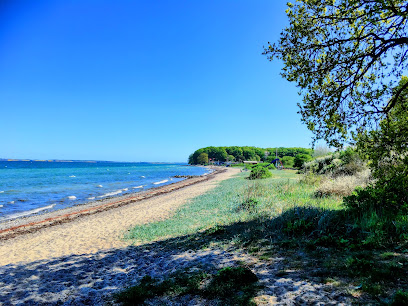
Beautiful Beach
7.0 km
Sheltered island sands, shallow waters and simple seaside fun on Thurø’s Smørmosen Beach, just off Svendborg in the heart of the South Funen Archipelago.
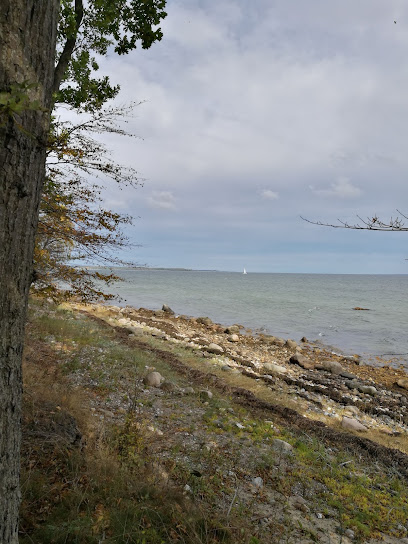
Tåsinge
7.3 km
Romantic South Funen island of skipper villages, castle landscapes, hilltop views and the enduring love story of Elvira Madigan and Sixten Sparre.
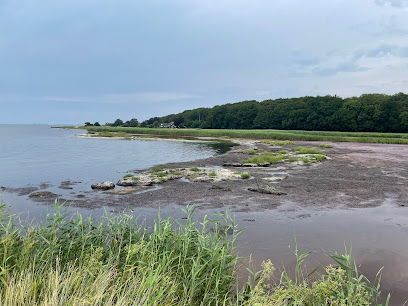
Vornæs havn
8.7 km
Small, scenic harbour on the Vornæs peninsula where woodland meets the South Funen coast, offering quiet moorings, coastal walks and peaceful fishing waters.
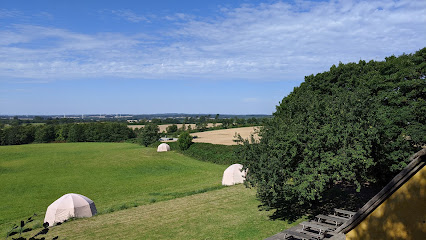
Gorilla Park Svendborg
8.8 km
High‑rope thrills in a South Funen beech forest, with eight treetop courses, long zip‑lines and a Big Swing blending outdoor adventure, views and shared laughs.
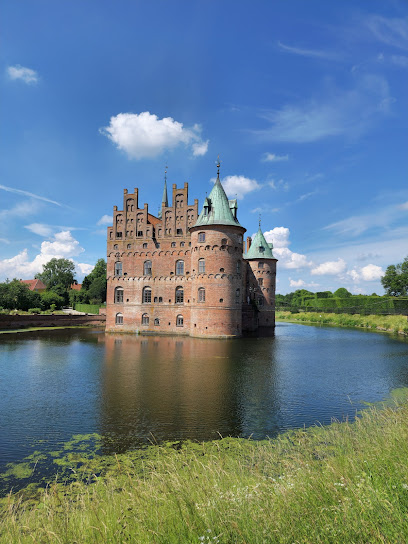
Egeskov Castle
14.6 km
A storybook Renaissance water castle on Funen, where historic halls, award‑winning gardens, playful museums and forest adventures create a full day in the Danish countryside.
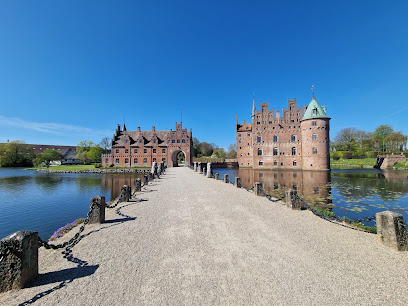
Camping Outdoors Museum
14.8 km
A nostalgic journey through tents, caravans and holiday dreams, the Camping Outdoors Museum at Egeskov celebrates the simple freedom of life on the road.
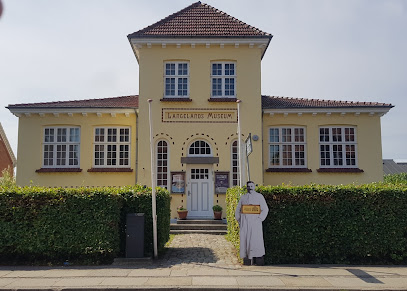
Langelands Museum
16.0 km
Compact island museum in Rudkøbing tracing Langeland’s story from Stone Age barrows to world wars, GDR plastics and everyday life on a Baltic outpost.
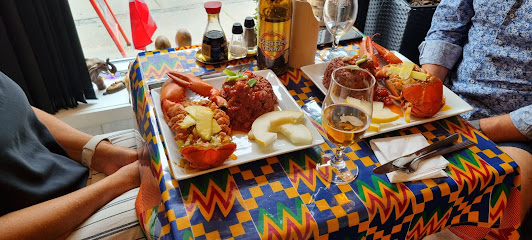
Essential places to dine

Pams African Restaurant
0.4 km
Ghanaian warmth, jollof rice and slow-cooked stews bring a slice of West Africa to the historic streets of Svendborg’s compact old town.
Under Uret
0.4 km
All-day café and brasserie under the clock on Svendborg’s main pedestrian street, serving cozy comfort food, quality coffee and relaxed drinks from morning to late night.
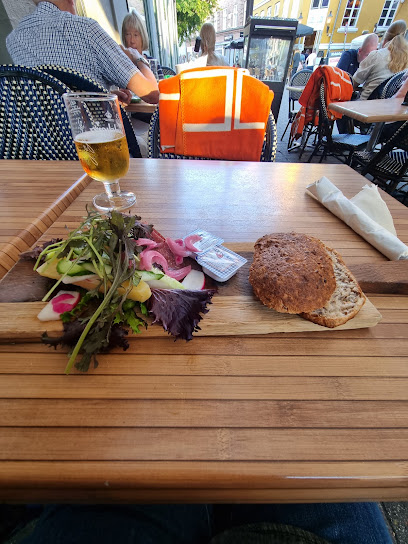
Restaurant Børsen
0.5 km
Central Svendborg gastropub blending Danish comfort cooking, specialty beers and a colourful terrace under floating umbrellas in a set of characterful vintage rooms.
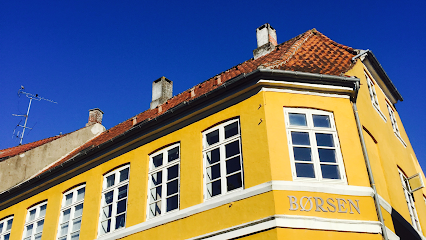
Restaurant Resumé
0.5 km
Gourmet cuisine rooted in South Funen, delivered at remarkable value in Svendborg's finest restaurant.
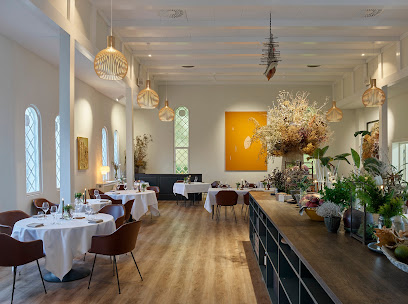
Kong Volmer Svendborg
0.5 km
Cosy Danish lunch spot on Svendborg’s Møllergade, serving classic smørrebrød, cold beer and aquavit in a narrow oak‑lined dining room with a sunny terrace.
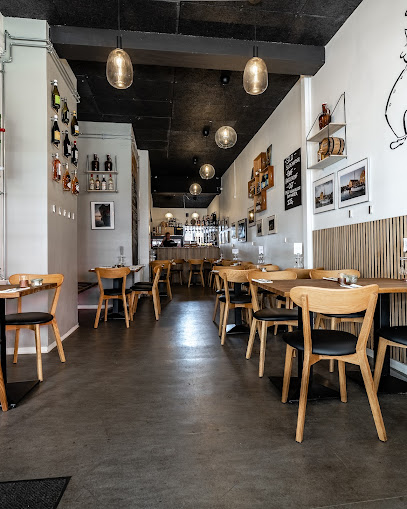
Salig Simons Gaard
0.6 km
French-inspired bistro flair in a historic Svendborg courtyard, where candlelit beams, local Funen produce and relaxed service turn meals into lingering occasions.
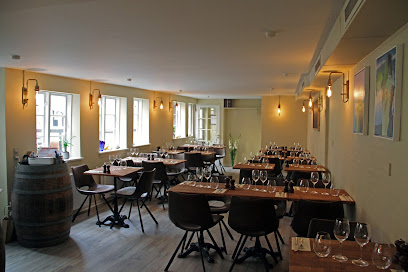
Thude's Restaurant & Vinbar
0.7 km
Intimate seafood-focused restaurant and wine bar in central Svendborg, pairing seasonal Danish cooking with thoughtful wines and a charming hidden garden terrace.
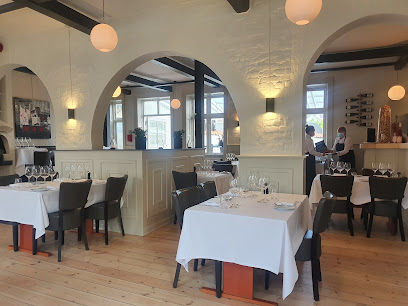
Jettes Diner
0.8 km
Cozy harbor-side diner in Svendborg serving generous burgers, changing daily specials and comforting Danish-style dishes in a relaxed, family-friendly setting.
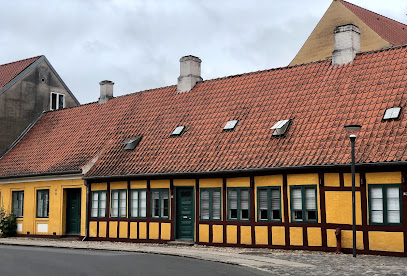
Restaurant Svendborgsund
0.8 km
Classic Danish cooking and hearty portions served right on Svendborg’s harborfront, with wide views across Svendborgsund and a relaxed, maritime atmosphere all day long.
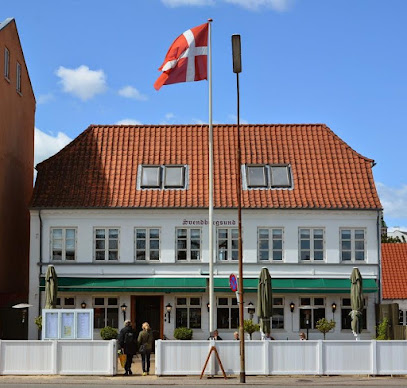
Restaurant Hotel Ærø i Svendborg
0.8 km
Historic harborfront restaurant serving traditional Danish cuisine in a colonial-styled setting steeped in maritime heritage.
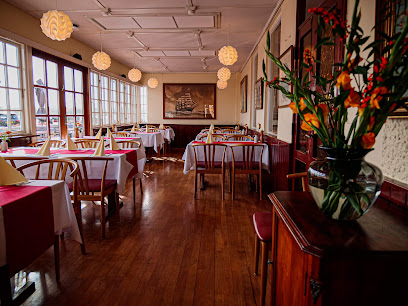
Frederiksøens Madbar
0.9 km
Casual harbourfront burger and seafood bar on Svendborg’s old shipyard island, pairing organic burgers and fried fish with laid-back maritime views.
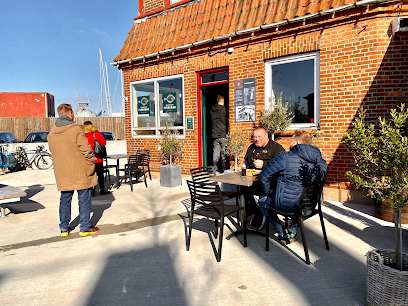
Christians madhus
1.1 km
Handcrafted sandwiches and daily hot meals with genuine Danish hospitality in central Svendborg.
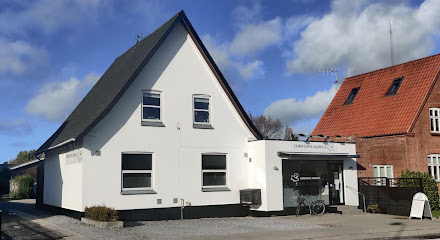
Restaurant Øret
2.0 km
Unpretentious Danish dining where fresh local ingredients and skilled kitchen craft create honest, memorable meals.
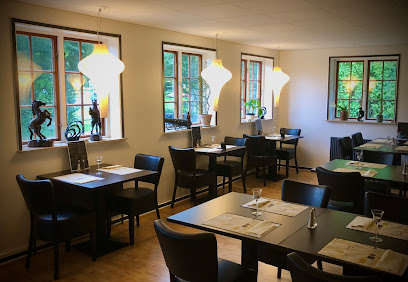
Restaurant
2.1 km
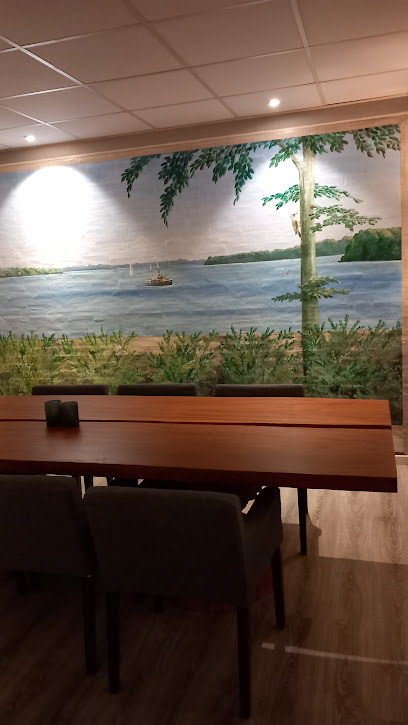
Waterfront hotel restaurant in Svendborg serving seasonal Danish cuisine with a strong seafood focus, framed by wide sea views and a spacious terrace by the beach.
Stella Maris
2.6 km
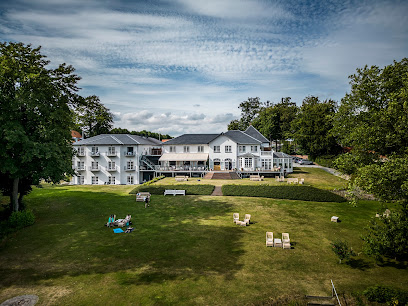
An intimate seaside boutique hotel on Svendborgsund, blending Nordic design, gourmet dining and tranquil garden-and-water views on the edge of South Funen.
Markets, malls and hidden boutiques

Shop Dot & Flower Corner Svendborg
0.4 km
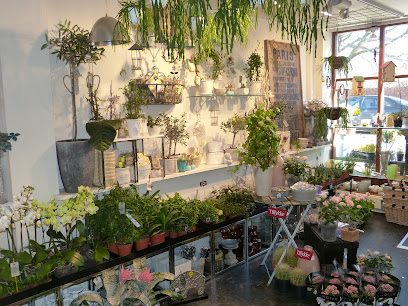
Svendborg's premier florist and lifestyle boutique, where fresh blooms meet curated gifts and fine wines.
Phigo, Fine Luxury
0.5 km
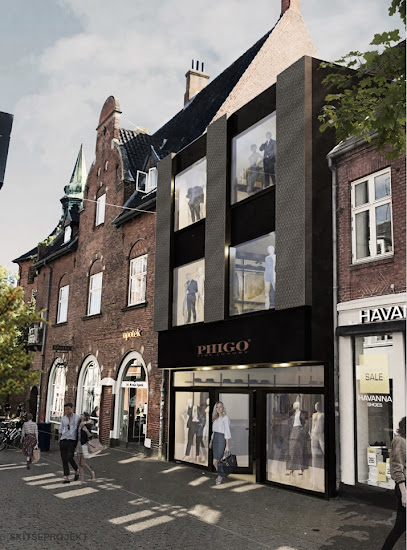
A three-floor Scandinavian fashion house in central Svendborg, showcasing refined designer clothing, accessories and leather goods in an elegant, relaxed setting.
Flying Tiger Copenhagen
0.6 km
Colourful, low-cost Danish design and quirky gifts in the heart of Svendborg’s main shopping street, ideal for quick souvenirs, party supplies and everyday essentials.
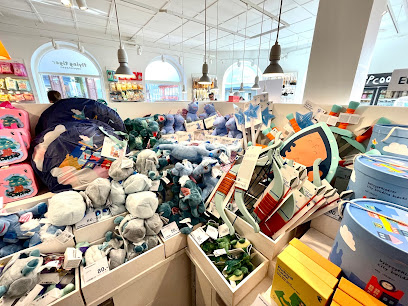
Kop & Kande
0.6 km
Warmth, comfort, and inspiration for your home in the heart of Svendborg
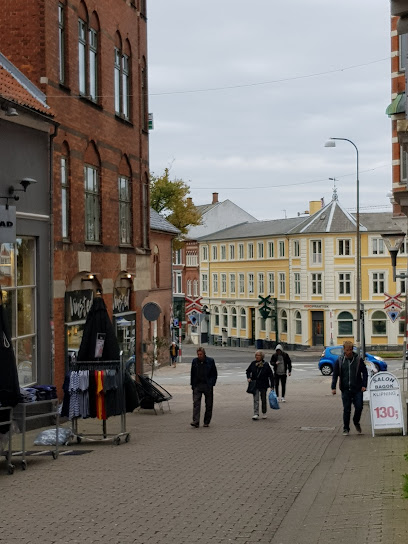
Thi Ti Ting
0.6 km
A cozy little gift shop on Korsgade in Svendborg’s old town, where playful Danish design and easygoing small-town charm meet on every shelf.
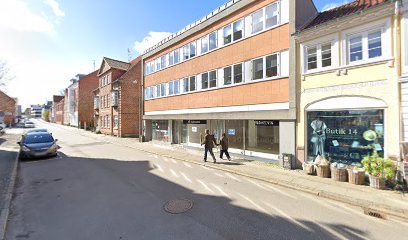
Storms Hjørne
4.2 km
A volunteer-run village gem where Danish tradition, local pride, and waterfront views converge.

Høkildegård
8.9 km
Family-run South Funen farm and country shop overlooking Syltemade Valley, where free-range animals, quality meat and gentle rural landscapes meet in one stop.
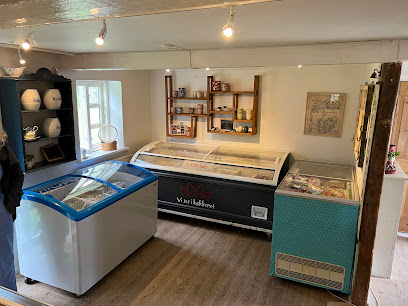
Dansk
15.5 km
A contemporary clothing boutique in Rudkøbing offering wearable Scandinavian style, seasonal collections and practical wardrobe updates in a relaxed, local setting.
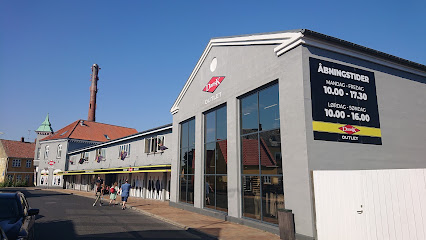
Kaj Hansen
15.6 km
Intimate goldsmith’s atelier and art-filled gallery in Rudkøbing, where handcrafted jewellery and local creativity capture the quiet spirit of Langeland.
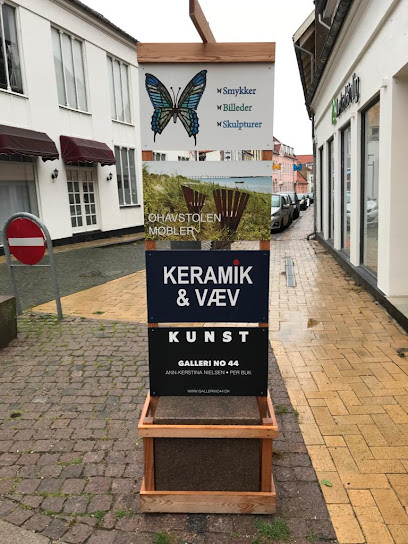
Shop Louise Mary
15.6 km
Charming gift shop on Rudkøbing's central square, offering curated Scandinavian home décor and souvenirs.
Skovhus Keramik
15.6 km
Handcrafted Nordic ceramics inspired by Langeland's natural beauty, created by artist Trine Steffensen.
Købmandsgården-Tingstedet- v/Torbjørn Brun Madsen
15.7 km
Characterful antique shop in an 18th‑century merchant’s house in central Rudkøbing, where Langeland’s history is stacked on shelves, tables and timeworn beams.
Butik Knag I/S
15.7 km
Cosy Rudkøbing specialty shop with liqueurs, gourmet treats and beautifully arranged gift baskets that add local flavour to your Langeland visit.
Imerco
15.7 km
Compact Danish homeware store on Rudkøbing’s main street, blending everyday kitchen essentials, stylish tableware and gift ideas for locals and island visitors.
Books & Paper Rudkøbing
15.7 km
Cosy island bookshop on Rudkøbing’s main street, combining Danish literature, games and stationery with local-flavoured gifts and practical supplies for everyday life.
Essential bars & hidden hideouts

HANSTED
0.4 km
Cozy neighborhood bar and intimate live stage bringing late-night music, craft drinks, and local Svendborg atmosphere together on lively Vestergade.
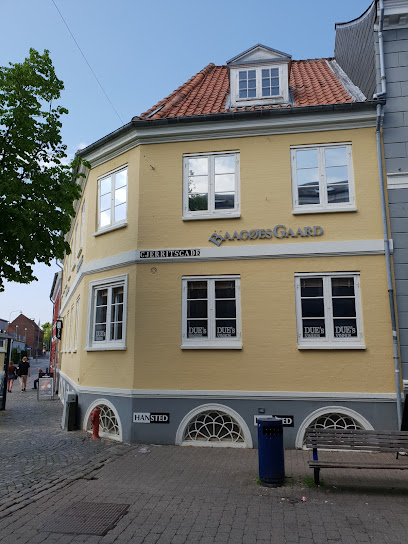
Tingvalla 2013 ApS
0.4 km
Electric nightlife and quality drinks in the heart of Svendborg's vibrant social scene.
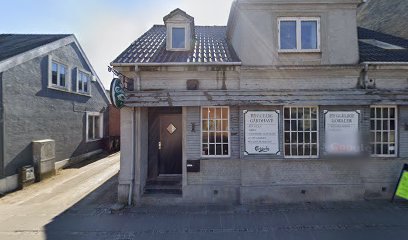
Hemingway's Svendborg
0.6 km
Late-night Nordic bar in historic Svendborg's medieval heart, open weekends until dawn.
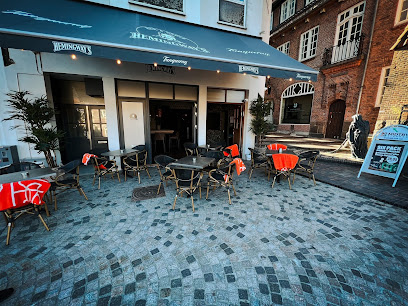
Vinsted
0.6 km
Intimate Svendborg wine bar with shelves of bottles, simple seasonal plates and a warm, candlelit atmosphere on historic Klosterplads.
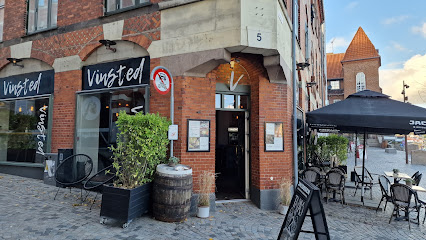
Trier's Corner
0.6 km
Intimate non-smoking bar on Svendborg’s Klosterplads, serving specialty beers, wine, cocktails and coffee in a warm, Scandinavian-inspired atmosphere.
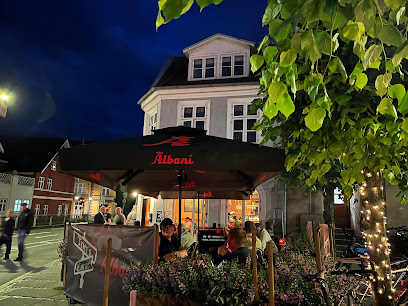
Rasmus
0.7 km
Intimate live music, specialty beers and a relaxed, bohemian bar atmosphere in the heart of Svendborg’s old town.
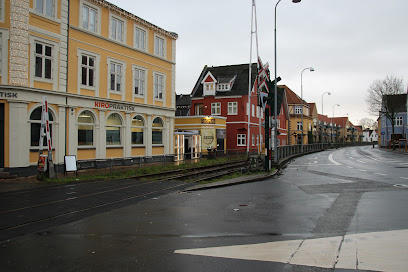
Den Høje Stue
0.7 km
Cosy, inexpensive neighbourhood bar in central Svendborg, blending daytime calm with intimate, pub-style evenings in a warm, unpretentious setting.
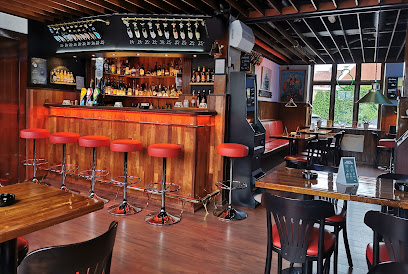
Kahytten Svendborg
0.7 km
Dimly lit, smoky and disarmingly honest, Kahytten is Svendborg’s cabin-like pub where cheap beers, local regulars and harbor-town character meet under one low ceiling.
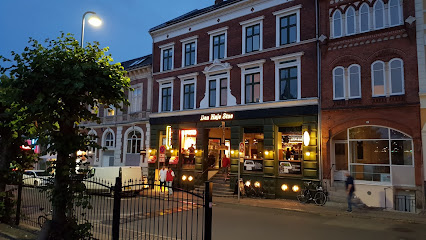
The Drunken Sailor
0.7 km
Cozy nautical pub in Svendborg’s harbor quarter, pouring affordable drinks, hearty Danish tartlets and a generous measure of maritime atmosphere late into the night.
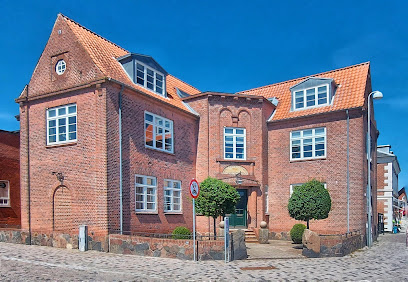
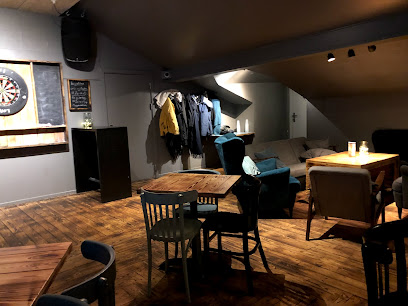
Loftet
0.7 km
Late-opening neighborhood bar in central Svendborg, blending pool, darts and affordable drinks with an easygoing, social atmosphere into the small hours.
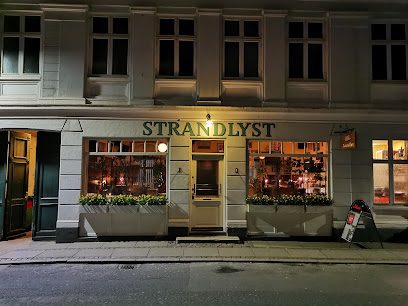
Strandlyst Svendborg ApS
0.8 km
Cozy, maritime-flavored bar in central Svendborg, known for its spirits, live music nights and intimate courtyard that comes alive on long summer evenings.
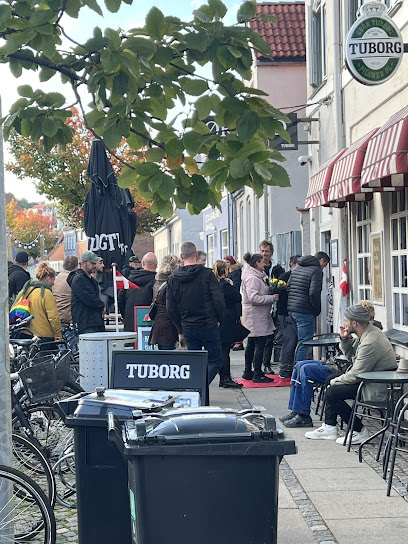
Ørkild
0.9 km
Authentic Danish beer hall where locals gather for genuine hospitality and convivial atmosphere.
Strandbar
0.9 km
Harbourside beach bar on tiny Frederiksø, pouring sunset drinks, live music vibes and laid-back island atmosphere in the heart of Svendborg’s working waterfront.
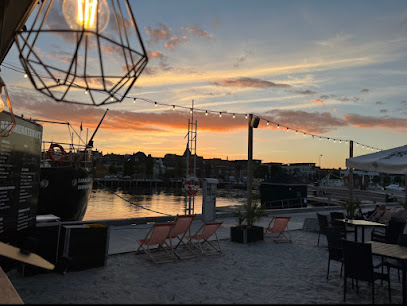
Bogholderiet - Ølbar på Værftet
0.9 km
Industrial shipyard heritage meets one of Denmark’s biggest beer selections and organic burgers in a characterful harborfront bar on Frederiksø in Svendborg.
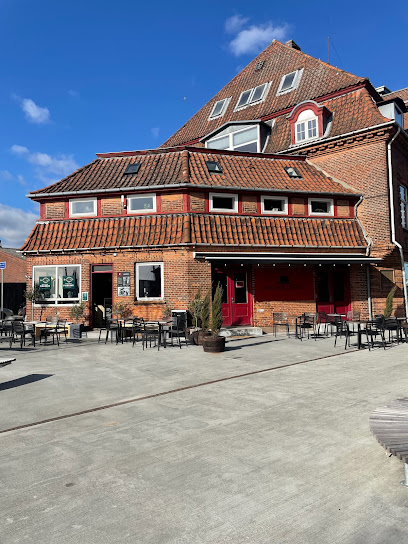
Spillestedet Kammerateriet
0.9 km
Creative cocktail bar and live venue in a converted harbor warehouse on Frederiksø, blending industrial charm, Nordic drinks and Svendborg’s waterfront nightlife.
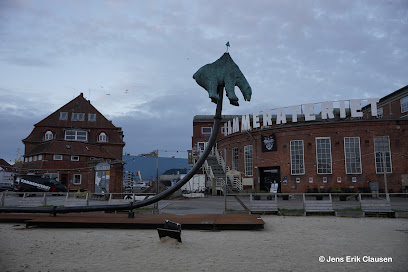
Nightclubs & after hour spots

Crazy Daisy Svendborg
0.7 km
Compact, high-energy weekend nightclub in central Svendborg, serving mainstream beats, drinks and a sociable dance floor until the early hours.
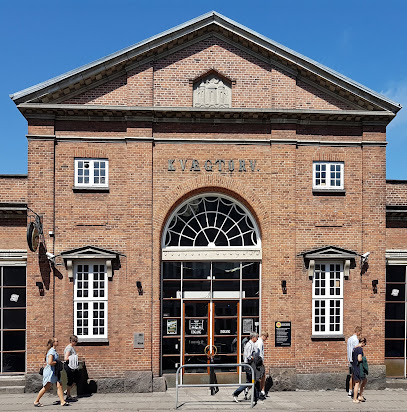
Ommel
22.5 km
A small, sociable island nightspot near Marstal where locals and travelers share quiet drinks, simple music and the easygoing charm of Ærø after dark.
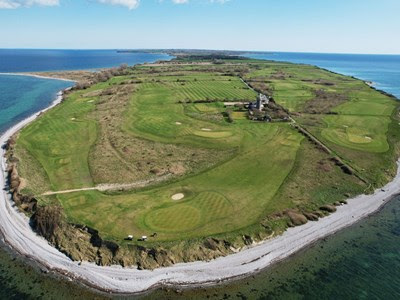
Ærø Golf Klub
27.3 km
Distinctive links course on Ærø’s northwest cape, blending historic lighthouse views, Nordic coastlines, and a classic Danish golfing challenge.
Muzirkus
29.2 km
Nyborg's independent music sanctuary where local bands rehearse, collaborate, and perform since 1974.
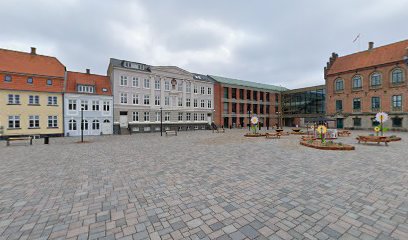
KJ's bodel
30.3 km
Laid‑back local nightspot on Nyborg’s main square, mixing simple drinks, sociable bar chatter and a compact dance floor in an unpretentious setting.
Dance Odense, Funen Square Dance Club
34.9 km
Community-driven square dancing in a cozy Odense neighborhood hall, where callers, patterns and shared rhythm turn an ordinary evening into a friendly social event.
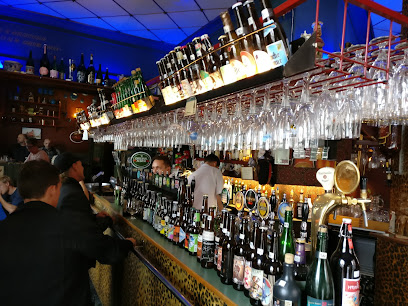
Carlsens Kvarter
39.0 km
Atmospheric pub in Odense C, offering unmatched hygge, an impressive selection of craft beers, and a welcoming local vibe in a characterful historic setting.
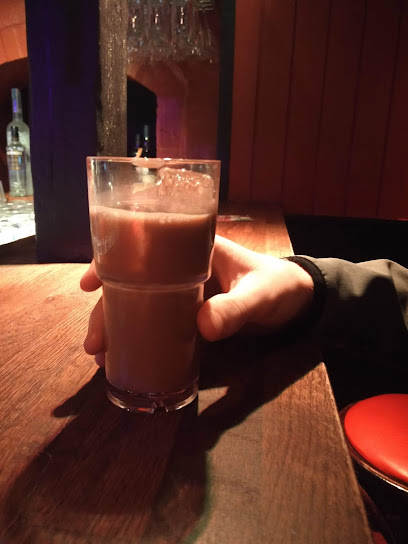
Den Brølende And
39.4 km
Experience the heart of Odense's nightlife at Den Brølende And, where music, dance, and camaraderie come alive.
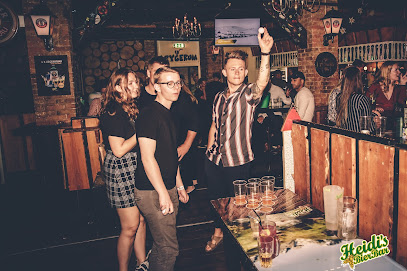
Heidi's Bier Bar Odense
39.6 km
Dance on tables, drink large beers, and celebrate Alpine-style year-round in Odense's most uninhibited nightclub.
BUTCHERS Odense
39.6 km
High-energy nightclub on Odense’s Overgade, mixing pounding bass, lights and late-night drinks in a central old-town setting steps from major sights.
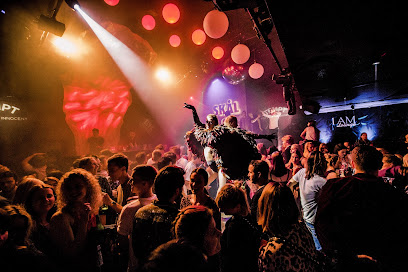
The Flower and the Bee
39.6 km
Odense's vibrant weekend dance bar where the city comes alive after dark.

Dansebar Odense
39.6 km
Lively central Odense nightclub with mainstream hits, colorful lights and a sociable dance floor vibe from late evening into the early hours.
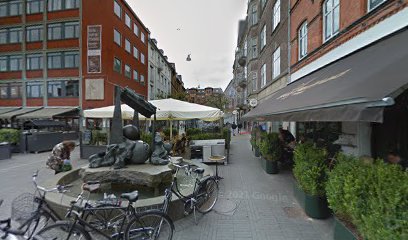
Boogie Dance Café
39.7 km
Odense's oldest disco where retro charm meets genuine community dancing.
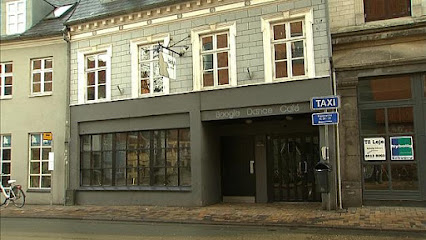
Grand Bar & Lounge
39.8 km
Experience timeless elegance and expertly crafted cocktails at Odense's Grand Bar & Lounge, nestled within the historic First Hotel Grand.
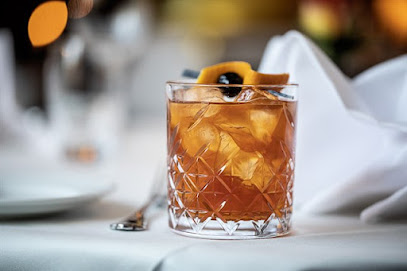
Sir Club
39.9 km
Sir Club in Odense blends classic Danish bar atmosphere, lively open mic nights, and friendly pool competitions, making it a top choice for sociable evenings downtown.