

Coast Gallery Travel Guide
Free Guide: A small seaside studio-gallery on Ærø’s south coast, where artist Henrik Thorsøe weaves the island’s shifting light, music and poetry into intimate coastal paintings.


A brief summary of Coast Gallery
A small seaside studio-gallery on Ærø’s south coast, where artist Henrik Thorsøe weaves the island’s shifting light, music and poetry into intimate coastal paintings.
Coast Gallery is an intimate art space on the windswept southern shore of Ærø, a short way from storybook Ærøskøbing. Opened in 2015 by artist and musician Henrik Thorsøe, this working gallery brings together his paintings, music and poetry, all steeped in the island’s sea light and changing skies. Step inside a relaxed, lived-in studio atmosphere, browse coastal-inspired canvases, and talk directly with the artist about life and creativity on this small Danish island.
On-site amenities
 Seating areas
 Trash bins
 Information boards
- Address
- Søndre Kystvej 19, 5970 Ærøskøbing
- Website
Getting there
Ferry and local bus from Svendborg
Bicycle from Ærøskøbing town
Taxi from Ærøskøbing harbour
Discover more about Coast Gallery
Art on a windswept Danish shoreline
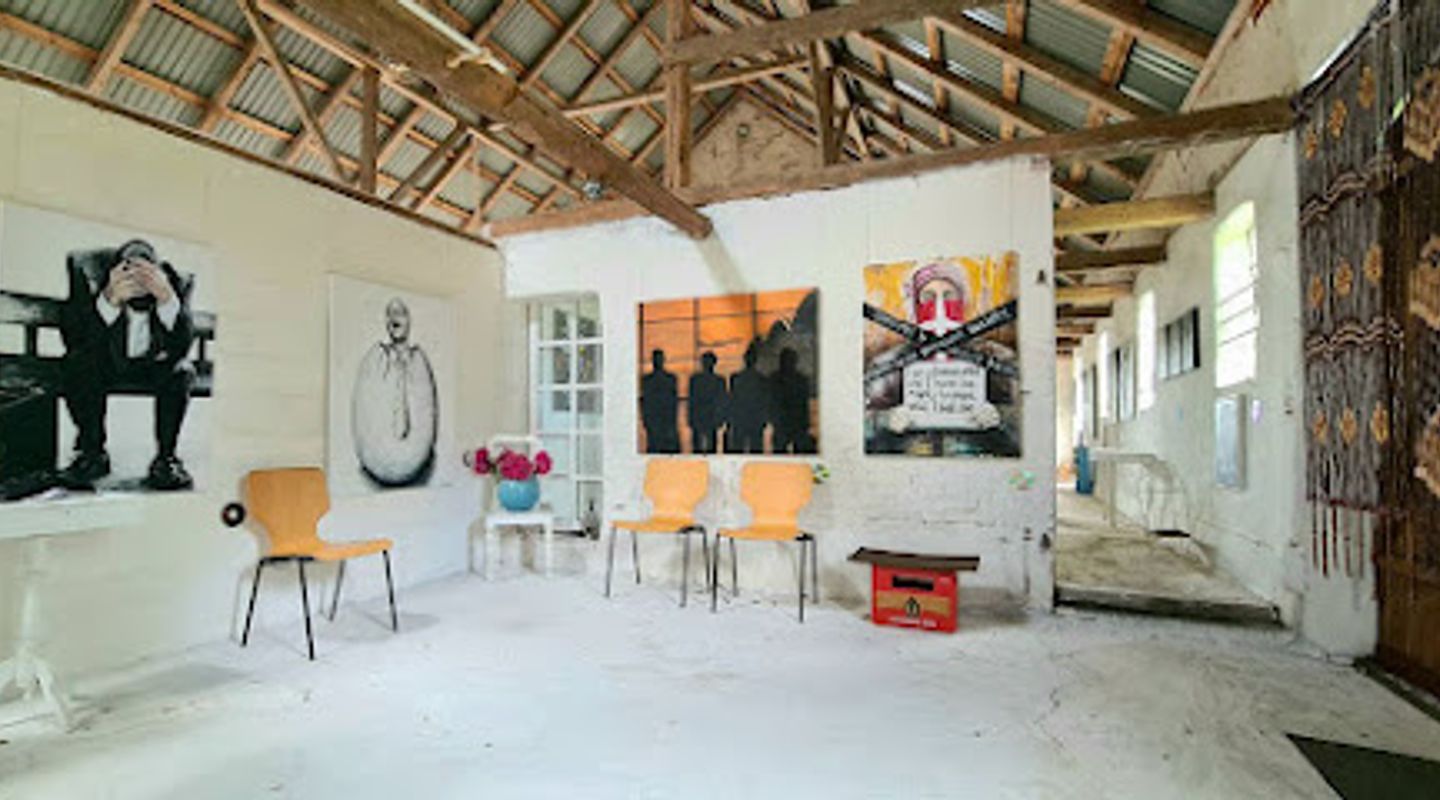
Set on Søndre Kystvej just outside Ærøskøbing, Coast Gallery feels closely tied to the sea it overlooks. The building is modest, but large windows and simple interiors draw your eye outward to sky, fields and water. Inside, the space is arranged more like a working studio than a white-cube gallery, with canvases leaning against walls, sketchbooks on tables and the faint smell of oil paint in the air.The gallery was opened in 2015 by local artist Henrik Thorsøe, who began painting in 2004 after years of living with the island’s dramatic light and weather. His decision to create a permanent gallery here reflects a wider creative energy on Ærø, where small workshops, makers and musicians have long used the island’s isolation as inspiration rather than limitation.
Henrik Thorsøe’s coastal universe
Henrik’s work is the quiet heart of Coast Gallery. His paintings often draw on the meeting of land and sea: low horizons, heavy skies, and the diffuse glow of Nordic evenings. Some canvases lean toward abstraction, with layered blues, greys and rust tones suggesting harbours, hulls and storm fronts; others pick out familiar island motifs more clearly, such as shoreline houses or distant navigation lights.Alongside the paintings you may find printed poems and music composed by Henrik, extending the same coastal themes into words and sound. This combination of art forms gives the gallery a distinctly personal tone, as if you are being invited into an ongoing project about place, memory and weather. The work fits naturally into Ærø’s broader story, where maritime history and rural life have shaped local identity for centuries.
A slow, conversational gallery experience
Visiting Coast Gallery is an unhurried experience. There is usually only one small room open, sometimes extended into a second space or a simple display in the garden when weather allows. Without crowds or formal tours, you can move at your own pace, pausing over a particular brushstroke or stepping back to see how a series of canvases echo the colours of the day outside.One of the pleasures here is the chance to speak directly with the artist if he is present. Conversations might range from practical questions about technique to exchanges about island life in winter, the rhythm of storms, or the way light changes across the Baltic. Purchases, if you choose to make one, are handled informally, reinforcing the feeling that this is first and foremost a working studio.
Ærø’s creative edge beyond the old town
While most visitors focus their time in Ærøskøbing’s cobbled centre, Coast Gallery offers a different angle on the island’s character. Out here, the sense of open space is stronger: fields stretch toward low cliffs, sea birds wheel overhead, and the sounds of town life soften into the background. It is easy to combine a visit with a coastal walk, using the gallery as a reflective pause between stretches of shoreline.This location also underlines how creativity on Ærø is not confined to a single street or square. From glass workshops and door-step craft stalls to music evenings in village halls, the island supports a network of small-scale makers. Coast Gallery stands as one of the more personal expressions of that scene, anchored in a single artist’s response to the coast.
When to visit and what to expect
Coast Gallery operates with flexible opening periods, often concentrating activity in the milder months when more people are exploring the island. Hours can vary with seasons and the artist’s commitments, so it is common to find days when the door is closed and the building sits quietly facing the sea. When open, entry is free, and you are welcome simply to look without any pressure to buy.Allow at least half an hour to absorb the work, more if you enjoy talking about process and place. There are no formal amenities inside beyond basic seating and a calm spot to linger, so it is best to arrive with any refreshments you need. The reward is a peaceful, authentic encounter with Ærø’s creative life, framed by the constant presence of the coast just beyond the windows.
Evendo Review Centre
 Google
Guest reviews
Best time to go
Quietest: Jan, Feb & Mar · before 8am or at 8pm
Busy times are Evendo estimates for a typical year, to help you plan. Actual crowds vary with events, school holidays and the weather.
Explore Coast Gallery on the map
A handpicked selection of must-see spots near Coast Gallery, mapped for you.
Get your free copy of our complete guide to Coast Gallery, delivered straight to you.
Everything on this page, from opening hours and how to get there to Eve’s tips and the best time to go, in one PDF you can read offline, print or share.
Already have an account? Sign in
Your Coast Gallery guide is ready.
We'll send it to · Not you? Sign out

Getting your guide ready…
We are putting together a fresh copy of the Coast Gallery guide. This can take up to a minute.
This can take a few moments. If your browser asks, choose Allow so the download can start. You'll find the guide in your Downloads folder.
Nothing happened? Download it again
Sorry, the guide is taking longer than usual. Please try again in a minute, or get it by email instead.
Other nearby places you may find interesting
The closest places of the same kind, if this one is not quite what you had in mind.
-
-
-
-
-


Swipe for more places
More to explore near Coast Gallery

 Best experiences near Coast Gallery
 Best hotels near Coast Gallery
 Best landmarks near Coast Gallery
 Best attractions near Coast Gallery
 Best shops near Coast Gallery
 Best restaurants near Coast Gallery
 Best bars near Coast Gallery
Do you manage this location?
Take control to get all the benefits, like improved information, better appearance, and stronger visibility across AI-powered discovery.
Explore more

Explore more of Ærø
Discover the enchanting island of Ærø in Denmark, where fairy-tale towns, scenic landscapes, and rich maritime history await to captivate your senses.
Explore Ærø
Explore more of Denmark
Discover Denmark: A perfect blend of history, modern design, and the cozy concept of hygge. Explore vibrant cities, serene landscapes, and world-class cuisine.
Explore Denmark
