

God badestrand Travel Guide
Free Guide: A peaceful Baltic beach where Danish coastal simplicity meets island tranquility.


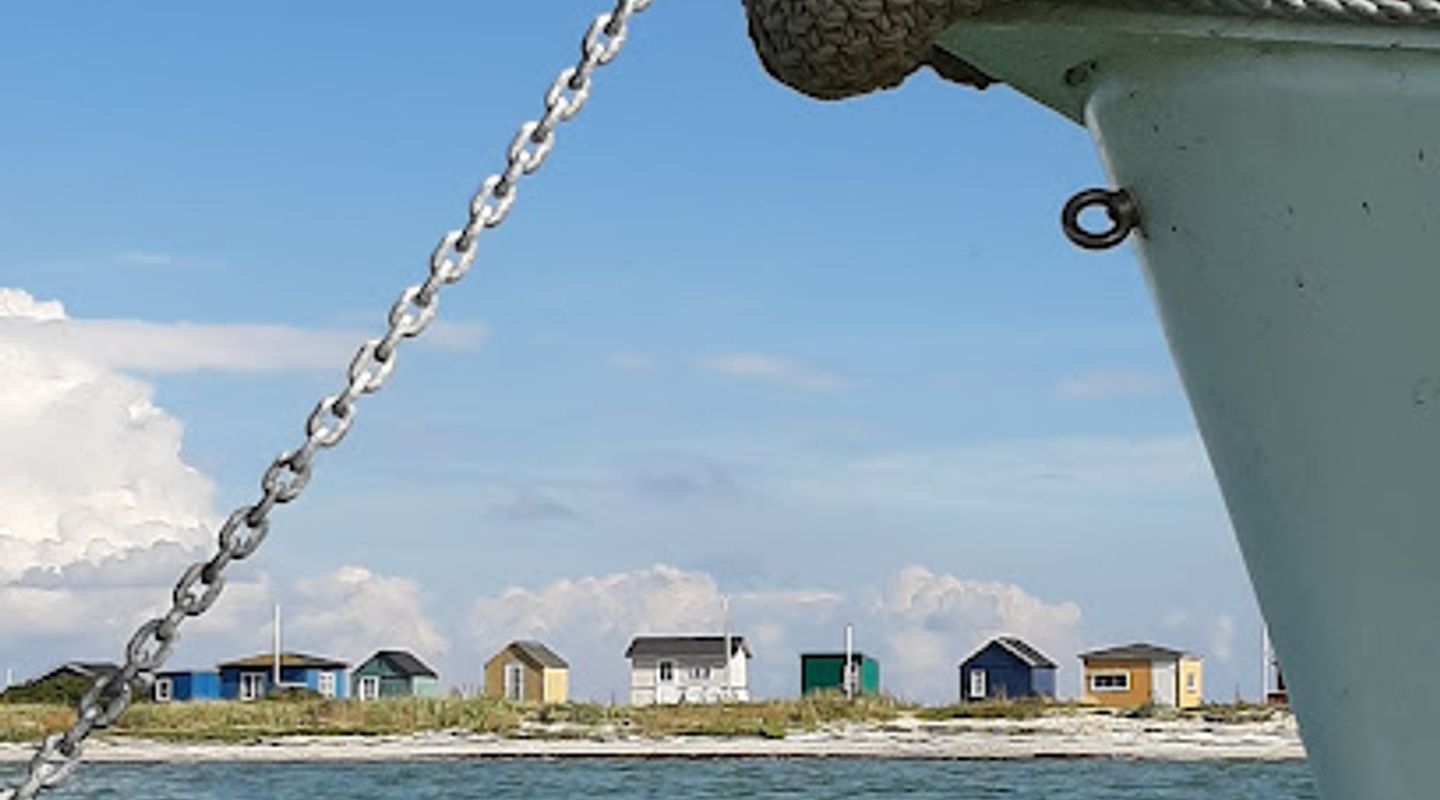
A brief summary of God badestrand
A peaceful Baltic beach where Danish coastal simplicity meets island tranquility.
God Badestrand is a serene sandy beach on the Danish island of Ærø, located near the charming harbor town of Ærøskøbing. This peaceful coastal spot offers clear waters ideal for swimming and sunbathing, surrounded by the natural beauty of the South Funen Archipelago. The beach provides a quintessential Danish seaside experience with easy access to local amenities and the picturesque town center just a short walk away.
On-site amenities
 Drinking water
 Trash bins
 Seating areas
- Address
- Unnamed Road, 5970 Ærøskøbing
Getting there
Ferry from Svendborg
Bicycle from Ærøskøbing town center
Walking from Ærøskøbing
Car rental with seasonal parking
Discover more about God badestrand
A Tranquil Escape on Ærø's Coastline
God Badestrand occupies a special place among Ærø's beaches, offering visitors a quieter alternative to the more famous Vesterstrand with its iconic beach huts. Situated on the eastern side of Ærøskøbing, this sandy beach provides clear, shallow waters perfect for swimming and paddling. The beach's name—"God" meaning "good" in Danish—reflects its reputation as a reliable spot for a refreshing dip in the Baltic Sea. Unlike some of the island's more developed beaches, God Badestrand maintains a peaceful, understated character that appeals to those seeking a genuine Danish coastal experience.
The Island's Maritime Heritage and Natural Setting
God Badestrand sits within the broader context of Ærø, an island steeped in maritime tradition and environmental consciousness. Ærø measures 22 by 6 miles and is home to approximately 7,000 residents who have made sustainability a way of life. The island is recognized by the European Union as Europe's greenest, powered largely by wind and solar energy. The surrounding landscape features rolling hills, hidden villages, and U-shaped farms typical of Danish rural architecture. The beach itself benefits from Ærø's mild climate and abundant sunshine—the island enjoys one of Denmark's highest numbers of sunshine hours, making it an ideal destination for outdoor recreation throughout much of the year.
Proximity to Ærøskøbing's Historic Charm
Located within walking distance of Ærøskøbing's town center, God Badestrand offers convenient access to the island's most picturesque settlement. Ærøskøbing is a living museum of Danish maritime history, with narrow cobblestone streets lined with colorful 18th and 19th-century buildings. The town square, Torvet, features the Old Merchant's House dating to the 19th century, now housing shops and restaurants. Ærøskøbing Church, built in 1758, stands as a landmark visible from many parts of town. The proximity to these cultural attractions means visitors can easily combine beach time with exploration of local history, dining, and shopping without requiring transportation.
Seasonal Rhythms and Visitor Patterns
The beach experiences its busiest periods during summer months, particularly July and August, when Danish families and international tourists flock to Ærø for holidays. Spring and early autumn offer pleasant conditions with fewer crowds, making these seasons ideal for those seeking a more peaceful experience. Winter visits are possible but less common, as cold temperatures and shorter daylight hours limit swimming appeal. The beach's accessibility year-round, combined with its proximity to ferry services connecting Ærø to the mainland, makes it a destination for both day-trippers and longer stays.
Integration with Ærøskøbing's Sustainable Tourism Model
God Badestrand reflects Ærø's commitment to sustainable tourism and environmental stewardship. The island's car-free summer policy in Ærøskøbing town center (June through August) encourages visitors to explore by bicycle or on foot, reducing environmental impact. The beach itself remains undeveloped and natural, free from commercial infrastructure or artificial amenities. This preservation approach aligns with the broader Danish concept of "hyggelig"—a sense of coziness and contentment—that characterizes the island's approach to leisure and community life. Visitors are encouraged to respect the natural environment and leave no trace of their visit.
Evendo Review Centre
 Google
Guest reviews
Best time to go
Quietest: Jan, Feb & Dec · before 7am or from 8pm
Busy times are Evendo estimates for a typical year, to help you plan. Actual crowds vary with events, school holidays and the weather.
Explore God badestrand on the map
A handpicked selection of must-see spots near God badestrand, mapped for you.
Get your free copy of our complete guide to God badestrand, delivered straight to you.
Everything on this page, from opening hours and how to get there to Eve’s tips and the best time to go, in one PDF you can read offline, print or share.
Already have an account? Sign in
Your God badestrand guide is ready.
We'll send it to · Not you? Sign out

Getting your guide ready…
We are putting together a fresh copy of the God badestrand guide. This can take up to a minute.
This can take a few moments. If your browser asks, choose Allow so the download can start. You'll find the guide in your Downloads folder.
Nothing happened? Download it again
Sorry, the guide is taking longer than usual. Please try again in a minute, or get it by email instead.
Other nearby places you may find interesting
The closest places of the same kind, if this one is not quite what you had in mind.
-
-
-
-
-


Swipe for more places
More to explore near God badestrand

 Best experiences near God badestrand
 Best hotels near God badestrand
 Best landmarks near God badestrand
 Best attractions near God badestrand
 Best shops near God badestrand
 Best restaurants near God badestrand
 Best bars near God badestrand
Do you manage this location?
Take control to get all the benefits, like improved information, better appearance, and stronger visibility across AI-powered discovery.
Explore more

Explore more of Ærø
Discover the enchanting island of Ærø in Denmark, where fairy-tale towns, scenic landscapes, and rich maritime history await to captivate your senses.
Explore Ærø
Explore more of Denmark
Discover Denmark: A perfect blend of history, modern design, and the cozy concept of hygge. Explore vibrant cities, serene landscapes, and world-class cuisine.
Explore Denmark
