

Museum Silkeborg, Papirmuseet Travel Guide
Free Guide: A living paper mill museum in Silkeborg’s old factory district, where handmade sheets, industrial history and Denmark’s banknote heritage meet by the riverside.


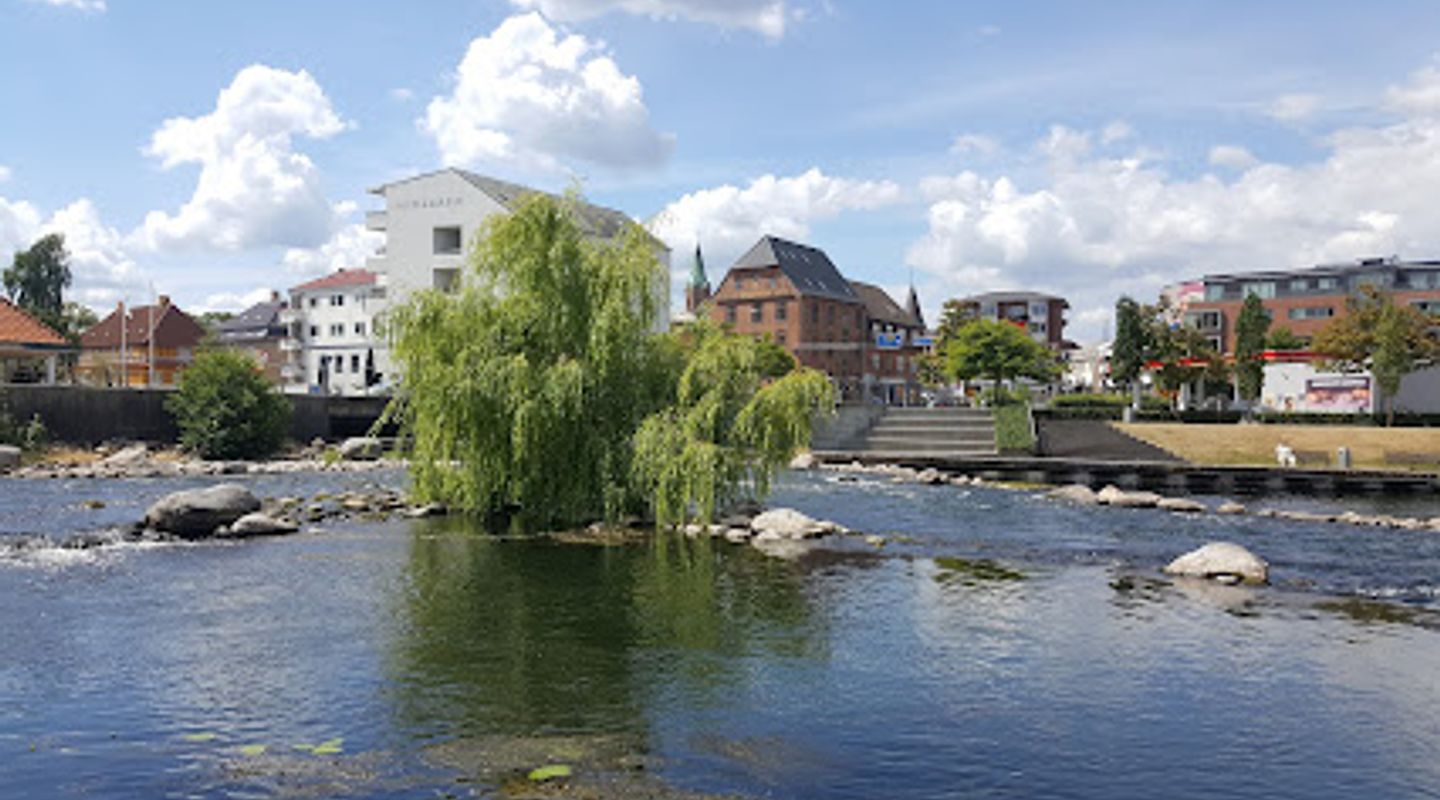
A brief summary of Museum Silkeborg, Papirmuseet
A living paper mill museum in Silkeborg’s old factory district, where handmade sheets, industrial history and Denmark’s banknote heritage meet by the riverside.
Housed in the former Silkeborg Paper Factory, Museum Silkeborg, Papirmuseet is a working paper museum where Denmark’s industrial past comes to life. In this compact riverside space you can watch traditional papermaking in action, learn how banknote paper was produced here until the late 20th century, and even pull your own sheet of handmade paper. Exhibitions trace Danish papermaking from craft to industry, while the surrounding Papirfabrikken district adds a distinctive post-industrial atmosphere with cafés and creative spaces.
On-site amenities
 Restrooms
 Drink options
 Food options
 Seating areas
 Trash bins
 Information boards
 Visitor centre
Opening hours
- Every day11 am–4 pm
Opening hours as listed on the venue’s Google Business Profile. Hours can change for services and special events, so check with the venue before you go.
- Address
- Papirfabrikken 78, 8600 Silkeborg
- Phone
- Website
Getting there
Local bus from Silkeborg station
Walk from central Silkeborg
Car or taxi within Silkeborg region
Discover more about Museum Silkeborg, Papirmuseet
Where Silk Meets Cellulose in Silkeborg
Set in the red-brick buildings of the old Silkeborg Paper Factory, Papirmuseet blends industrial heritage with hands-on craft. This was once a humming production site for high-security paper, including the sheets used for Danish banknotes and securities, right up until the 1990s. Today, the heavy beams, worn floors and glimpses of old machinery form a characterful backdrop to a museum that still smells faintly of pulp, damp fibre and warm workshop air.The scale is intimate rather than grand, inviting you to slow down and notice the details: vats of cloudy water, wooden moulds, felt blankets and drying racks. It feels less like a gallery and more like stepping into a small factory mid-shift, just without the noise and haste.
The Story of Danish Papermaking
One section guides you through papermaking in Denmark from its early days as a labour-intensive craft to its transformation into a modern industry. Displays explain how rags gave way to wood pulp, how advances in machinery multiplied output, and why Silkeborg’s lakes and forests made it an ideal place to build a mill. Panels and objects trace the rise of this specific factory, showing tools, samples and documents that once underpinned everything from everyday notebooks to official certificates.You also encounter the social side of the mill: work routines, skills passed down through generations and the close ties between the factory and the town that grew around it. Even without long texts, the visuals and artefacts tell a clear story of a community shaped by one industry.
A Living Workshop of Handmade Paper
The heart of Papirmuseet is its working workshop, where handmade paper is still produced using traditional techniques. Here you can watch as a frame is dipped into a vat of milky pulp, lifted with a shake and slowly drained until a thin sheet clings to the mesh. Pressing, couching and drying follow, revealing how something as ubiquitous as paper emerges from water and fibre.At certain times, visitors are invited to don an apron and try the process themselves, from forming a sheet to adding simple decorations or watermarks. The rhythm of the work, the dripping water and the soft, cool surface of the fresh sheet turn an abstract process into a tactile memory. Finished sheets, cards and small artworks show how handmade paper remains a creative medium even in the digital age.
From Banknote Production to Papirfabrikken District
Historically, this factory produced the specialised paper needed for Danish currency and other secure documents. Exhibits explain how watermarking, fibre blends and quality controls made the paper difficult to forge, and how secrecy and precision shaped everyday life at the mill. Samples and illustrations reveal security features that most people never notice in their wallet.Outside the museum doors, the wider Papirfabrikken area has been reimagined as a mixed-use neighbourhood of cultural venues, restaurants and riverside walks. The contrast between repurposed industrial architecture and the serene flow of the Gudenå River gives context to the museum: it is both a relic of the past and a cornerstone of Silkeborg’s new identity.
Visiting in a Compact, Creative Setting
Papirmuseet is a relatively small museum, which makes it easy to explore in depth within a couple of unrushed hours. Clear displays, working equipment and simple explanations make it accessible for both adults and children without overwhelming anyone. Seasonal opening hours and occasional special activities mean the experience can differ between a quiet weekday visit and a livelier holiday programme.Benches and nearby cafés in the Papirfabrikken complex offer spots to sit with a coffee and reflect on what you have seen. Whether you are interested in industrial archaeology, design materials or just enjoy watching skilled hands at work, this is a place where an everyday object is revealed as the result of water, wood and human ingenuity.
Evendo Review Centre
 Google
Guest reviews
Best time to go
Quietest: Jan, Mar & Nov · before 9am or at 6pm or at 7pm
Busy times are Evendo estimates for a typical year, to help you plan. Actual crowds vary with events, school holidays and the weather.
Explore Museum Silkeborg, Papirmuseet on the map
A handpicked selection of must-see spots near Museum Silkeborg, Papirmuseet, mapped for you.
Get your free copy of our complete guide to Museum Silkeborg, Papirmuseet, delivered straight to you.
Everything on this page, from opening hours and how to get there to Eve’s tips and the best time to go, in one PDF you can read offline, print or share.
Already have an account? Sign in
Your Museum Silkeborg, Papirmuseet guide is ready.
We'll send it to · Not you? Sign out

Getting your guide ready…
We are putting together a fresh copy of the Museum Silkeborg, Papirmuseet guide. This can take up to a minute.
This can take a few moments. If your browser asks, choose Allow so the download can start. You'll find the guide in your Downloads folder.
Nothing happened? Download it again
Sorry, the guide is taking longer than usual. Please try again in a minute, or get it by email instead.
Other nearby places you may find interesting
The closest places of the same kind, if this one is not quite what you had in mind.
-
-
-
-
-


Swipe for more places
More to explore near Museum Silkeborg, Papirmuseet
-
 Best experiences near Museum Silkeborg, Papirmuseet
-
 Best hotels near Museum Silkeborg, Papirmuseet
-
 Best landmarks near Museum Silkeborg, Papirmuseet
-
 Best attractions near Museum Silkeborg, Papirmuseet
-
 Best shops near Museum Silkeborg, Papirmuseet
-
 Best restaurants near Museum Silkeborg, Papirmuseet
-
 Best bars near Museum Silkeborg, Papirmuseet


Do you manage this location?
Take control to get all the benefits, like improved information, better appearance, and stronger visibility across AI-powered discovery.
Explore more

Explore more of Central Jutland
Explore Central Jutland in Denmark: A perfect blend of natural beauty, cultural heritage, and family-friendly attractions.
Explore Central Jutland
Explore more of Denmark
Discover Denmark: A perfect blend of history, modern design, and the cozy concept of hygge. Explore vibrant cities, serene landscapes, and world-class cuisine.
Explore Denmark
