
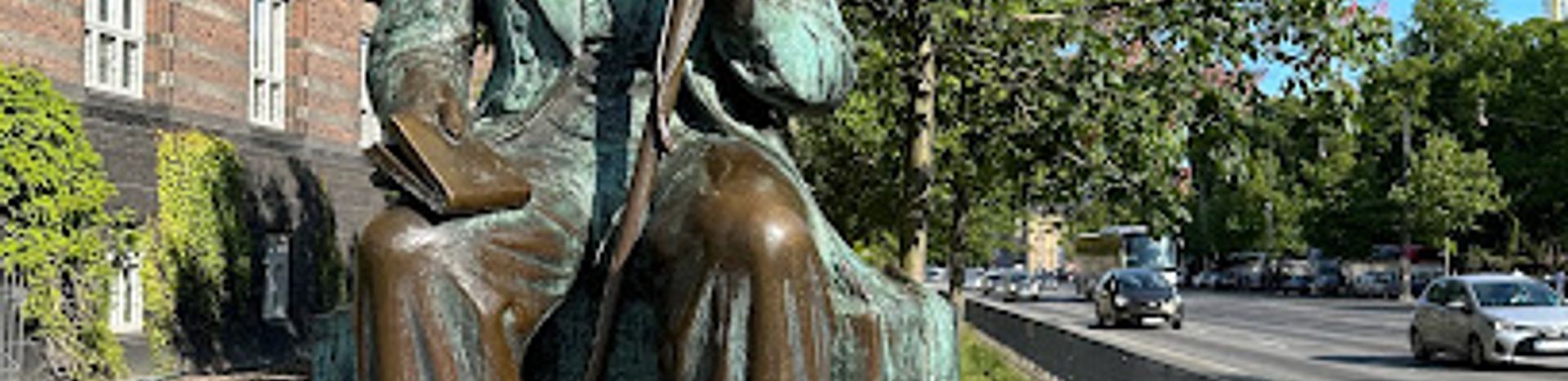
Hans Christian Andersen Statue
Denmark's beloved storyteller immortalized in bronze, gazing toward Tivoli's magic in Copenhagen's beating heart.
A beloved bronze statue of Denmark's most famous author sits in Copenhagen's City Hall Square, holding a book and gazing toward Tivoli Gardens. Sculpted by Henry Luckow-Nielsen in 1965, this iconic monument has become one of Copenhagen's most photographed attractions, with its polished knee worn smooth by countless visitors seeking a touch of literary magic.
A brief summary to Statue of Andersen
- Rådhuspladsen, København V, København V, 1553, DK
- Visit website
- Duration: 0.25 to 1 hours
- Free
-
 Outdoor
- Mobile reception: 5 out of 5
Local tips
- Visit early morning or on weekdays to avoid the largest crowds and capture clearer photographs without throngs of visitors.
- The statue faces H.C. Andersens Boulevard toward Tivoli Gardens—position yourself to capture this symbolic alignment in your photos.
- Combine your visit with nearby attractions: explore Copenhagen City Hall's interior, visit the Dragon Fountain, or begin a walk down Strøget shopping street.
- The polished knee is a testament to decades of visitors seeking luck—joining this tradition is part of the authentic Copenhagen experience.
- Golden hour (sunrise or sunset) offers the most beautiful light for photography, transforming the square's architecture into a magical backdrop.

For the on-the-go comforts that matter to you
- Restrooms
- Drink Options
- Food Options
- Seating Areas
- Information Boards
- Visitor Center
Getting There
-
Metro
Copenhagen Metro Line M1 or M2 serves Rådhuspladsen Station directly beneath City Hall Square. Journey time from Nørreport Station is approximately 3 minutes, from Kongens Nytorv approximately 2 minutes. Single ticket costs around 24 DKK (approximately 3.20 USD). Service runs every 3–6 minutes during peak hours, every 10–15 minutes off-peak.
-
Bus
Multiple bus routes serve the northern side of Rådhuspladsen, including lines 1A, 6A, 14, 26, and 66. Journey times vary by origin; from Nørreport approximately 5–8 minutes, from Christianshavn approximately 10–12 minutes. Single ticket costs around 24 DKK (approximately 3.20 USD). Buses run frequently throughout the day.
-
Walking
From Nørreport Station, walk south along Fiolstræde for approximately 8–10 minutes to reach Rådhuspladsen. From Kongens Nytorv, walk west along Strøget (the pedestrian shopping street) for approximately 5–7 minutes. Both routes are flat, well-lit, and pass through the historic city center with clear signage.
-
Bicycle
Copenhagen's extensive cycle network makes cycling accessible. Bike rental costs approximately 80–150 DKK per day (11–20 USD). Journey time from Nørreport approximately 5 minutes, from Christianshavn approximately 8 minutes. Dedicated cycle lanes lead directly to Rådhuspladsen; secure your bike at the racks surrounding the square.
Statue of Andersen location weather suitability
-
 Any Weather
Discover more about Statue of Andersen
A Literary Icon in the Heart of Copenhagen
Perched in Copenhagen City Hall Square like a literary lighthouse, the Hans Christian Andersen Statue stands as one of Denmark's most cherished monuments. Sculpted in bronze by Henry Luckow-Nielsen and unveiled in 1965, this figure captures the beloved author in a moment of quiet contemplation, book resting in his lap, dressed in formal attire with a top hat. The statue's placement is deeply symbolic—positioned to face H.C. Andersens Boulevard, the writer's gaze extends wistfully toward Tivoli Gardens across the street, the whimsical amusement park that may have inspired some of his most magical tales.The Worn Knee and Popular Pilgrimage
What makes this statue truly distinctive is the evidence of its popularity etched into its very surface. Over decades, countless visitors—children and adults alike—have climbed onto the statue to sit on Andersen's lap or touch his knee for luck, a tradition that has polished one knee to a brilliant shine, far brighter than the surrounding bronze. This wear pattern tells the story of a monument that has transcended its role as mere sculpture to become an interactive part of Copenhagen's cultural fabric, a place where literary reverence meets playful tradition.Setting and Surroundings
The statue occupies a prime location within Rådhuspladsen, one of Copenhagen's most vibrant public spaces. The square itself is dominated by the striking red-brick Copenhagen City Hall, designed in National Romantic style and completed in 1905. Nearby stands the Dragon Fountain, depicting a dramatic battle between a bull and dragon, while the Weather Girl sculpture—a gilded figure on a bicycle—rotates to indicate the day's weather. The square serves as a natural junction where the famous Strøget pedestrian shopping street begins and where easy access to Tivoli Gardens awaits just across the boulevard.Andersen's Legacy and Cultural Significance
Hans Christian Andersen, born in 1805 in Odense, remains one of the world's most celebrated authors, known for fairy tales including "The Little Mermaid," "The Ugly Duckling," and "The Snow Queen." His stories have touched generations across the globe, and in Copenhagen, multiple statues commemorate his life and work. This particular statue at City Hall Square represents the author at the height of his cultural importance, positioned as a guardian of the city's most important civic space. The casual yet dignified pose—seated with book in hand—presents Andersen not as an untouchable genius but as an approachable figure, inviting connection with all who pass by.A Meeting Point for Locals and Travelers
Rådhuspladsen functions as Copenhagen's front yard and primary meeting point, and the Andersen statue has become an essential landmark within this bustling hub. The square hosts major events throughout the year, from New Year celebrations to political demonstrations and cultural festivals. Street performers entertain crowds, locals pause for coffee, and travelers from around the world converge to experience the energy of Denmark's capital. The statue's location makes it an unavoidable and beloved fixture in the daily rhythm of the city.Iconic landmarks you can’t miss

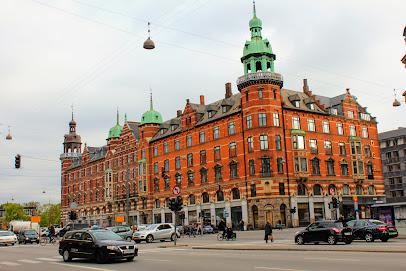
H. C. Andersens Blvd.
0.1 km
A broad, bustling boulevard where Hans Christian Andersen’s legacy meets City Hall Square, Tivoli’s lights, and the everyday pulse of central Copenhagen.
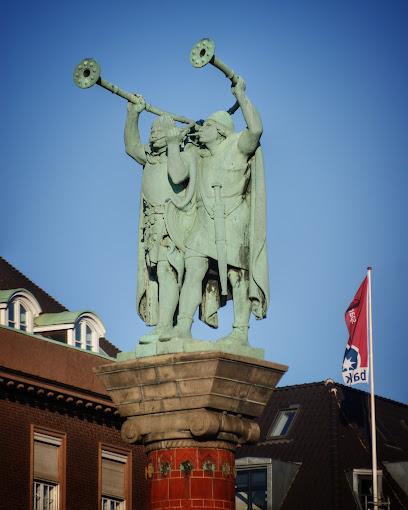
Lur Blowers
0.1 km
Bronze Age horns meet early 20th‑century grandeur in this 20‑metre column, where two silent lur players keep watch over Copenhagen’s bustling City Hall Square.
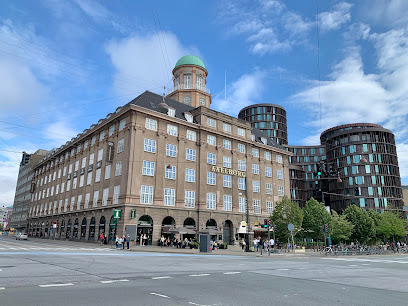
Copenhagen Visitor Service
0.3 km
Central, modern orientation center offering expert advice, resources, and insider tips for exploring Copenhagen’s sights, culture, and neighborhoods.
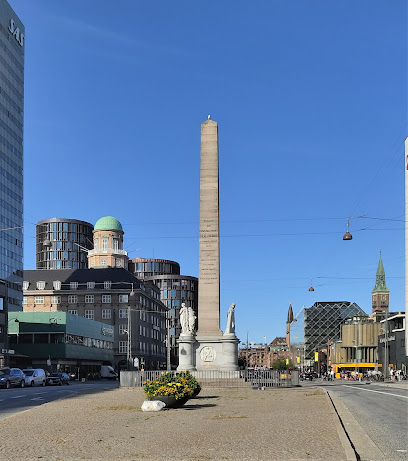
Frihedsstøtten
0.4 km
Statuesque tribute to Danish freedom: Frihedsstøtten stands as a majestic milestone marking the abolition of serfdom at the vibrant gateway to Copenhagen's Vesterbro.
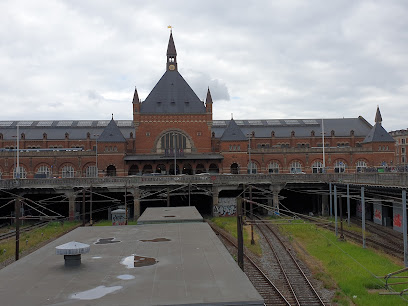
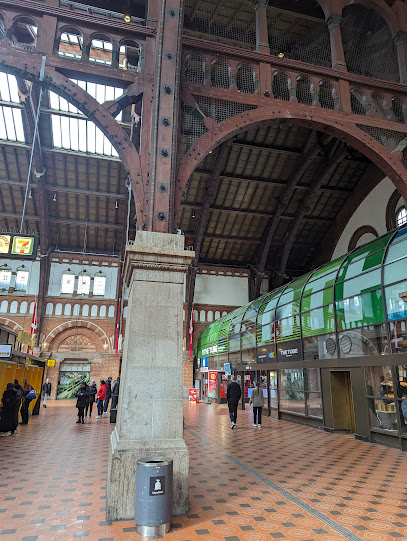
Copenhagen Central Station
0.4 km
Historic brick-and-timber rail hub at the heart of Copenhagen, combining grand architecture, everyday convenience and instant access to the city’s main sights.
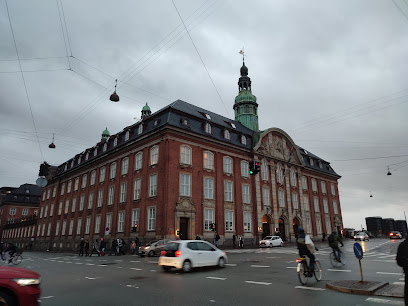
Copenhagen Central Post Building
0.5 km
A majestic neo-Baroque landmark intertwining Denmark’s postal history with Vesterbro’s vibrant urban fabric, located beside Copenhagen’s bustling central railway station.
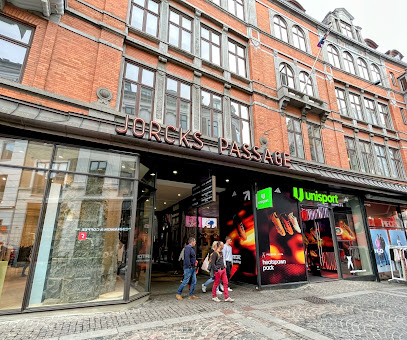
Jorcks Passage
0.5 km
Historic 1890s covered arcade where telephone wires once connected a nation, now a charming shopping passage in Copenhagen's heart.
Equestrian statue of Christian IX
0.6 km
A quiet yet powerful royal monument in Christiansborg’s riding ground, uniting a pivotal Danish king with the groundbreaking sculptor who cast him in bronze.
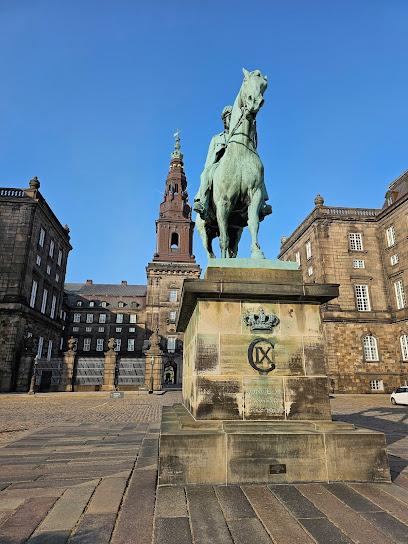
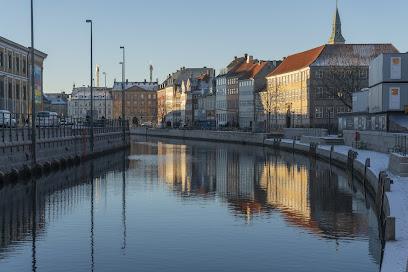
Gammel Strand
0.6 km
Ledreborg Park blends magnificent Baroque landscaping, palace views and serene Danish woodland for a captivating escape near Roskilde, ideal for history and nature lovers.
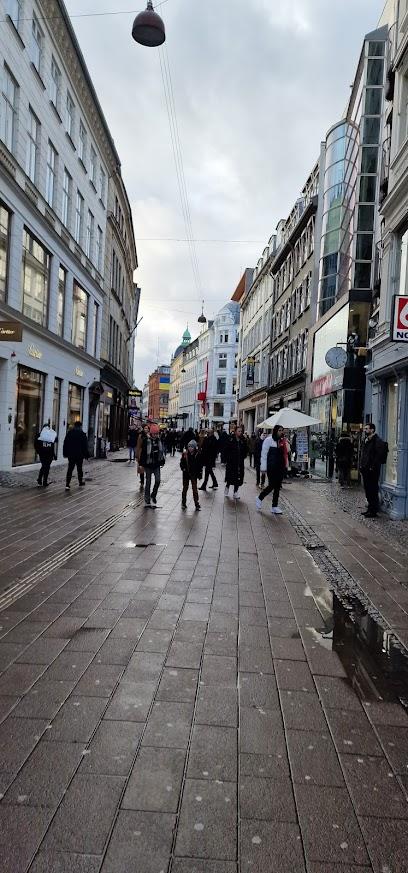
Strøget
0.6 km
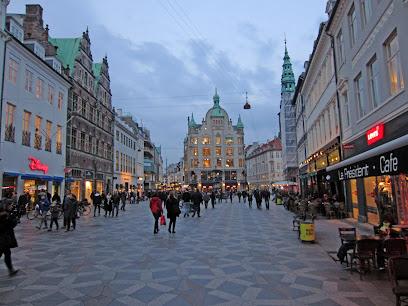
Europe's pioneering pedestrian street where luxury shopping meets vibrant street culture and Danish heritage.
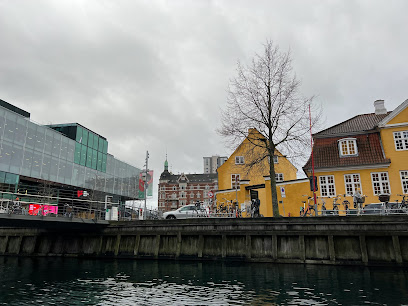
The Stable Boy's House
0.6 km
A modest former service house on Frederiksholms Kanal, quietly recalling the working lives behind Copenhagen’s royal stables and the grandeur of nearby Christiansborg.
Gråbrødretorv
0.7 km
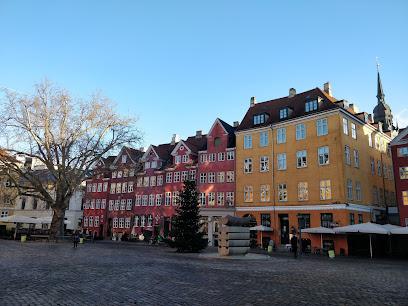
Medieval square in Copenhagen's Latin Quarter where historic architecture, local cafés, and bohemian charm converge.
Amagertorv
0.7 km
Aarhus’s University Park blends Danish modernist architecture, lush gardens, and student life into one of the city’s most tranquil and historically significant green spaces.
Danish Architecture Centre
0.7 km
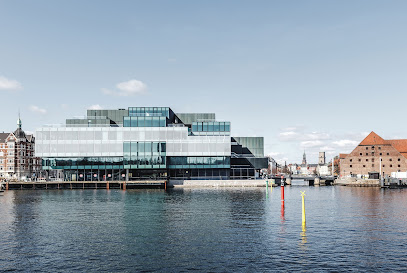
Explore Danish and international architecture, urban development, and design at Copenhagen's premier cultural center, the Danish Architecture Centre, located in the iconic BLOX building.
The Danish Parliament
0.7 km
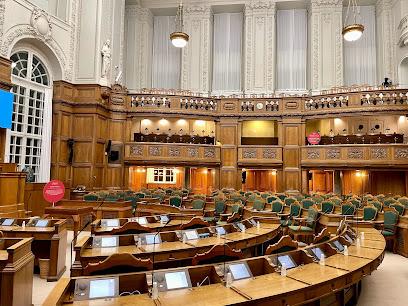
Where copper spires, royal salons and granite façades frame the working heart of Danish democracy on Copenhagen’s historic Island of Power.
Unmissable attractions to see

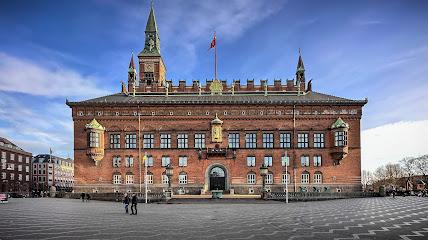
Copenhagen City Hall
0.1 km
Explore Denmark's Viking heritage along the scenic Skjoldungestien trail.
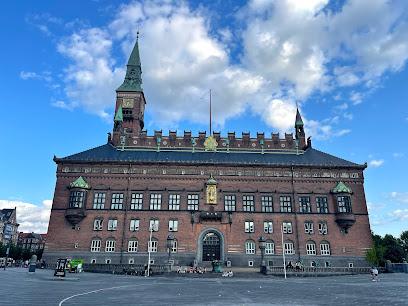
City Hall Square
0.1 km
Copenhagen’s grand urban living room: a historic civic square framed by City Hall, whimsical fountains, and the gateway to the pedestrian heart of the city.
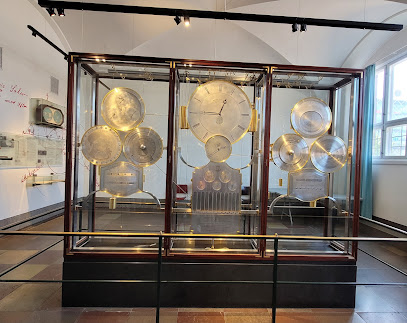
Jens Olsen's World Clock
0.1 km
Descend beneath Søndermarken Park to discover Copenhagen’s historic water cisterns, now transformed into a mesmerizing underground art museum unlike any other in Denmark.
Ripley's Believe It or Not!
0.1 km
A compact oddities museum on Rådhuspladsen where shrunken heads, vortex tunnels and record‑breaking curiosities turn everyday Copenhagen into a world of wonders.
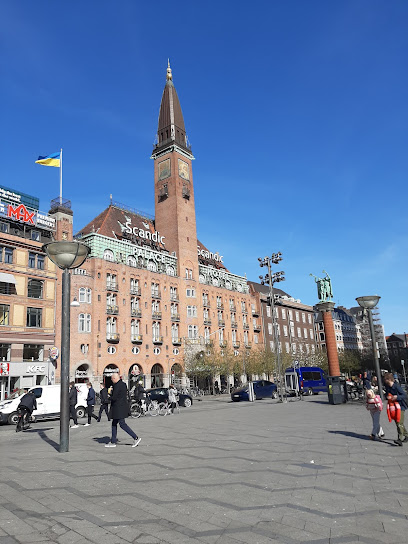
Rainbow Square
0.1 km
A small city-centre plaza with a powerful rainbow dedication, Rainbow Square turns everyday pavement beside Copenhagen City Hall into a quiet landmark for LGBTQ+ equality.
Hans Christian Andersen Experience
0.1 km
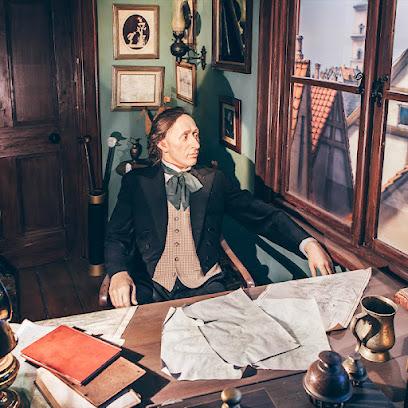
Step off bustling City Hall Square into a multisensory world where Hans Christian Andersen’s life and fairy tales unfold through atmospheric sets, light, sound and scent.
Copenhagen Free Walking Tours
0.2 km
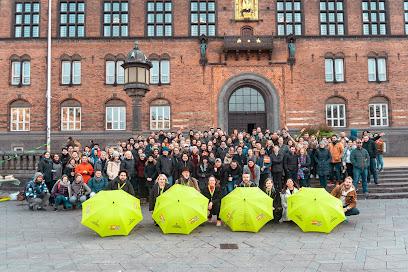
Discover masterpieces from the Danish Golden Age and European classics to contemporary art in Denmark’s largest art museum, set by Copenhagen’s serene city park.
Tivoli Gardens
0.2 km
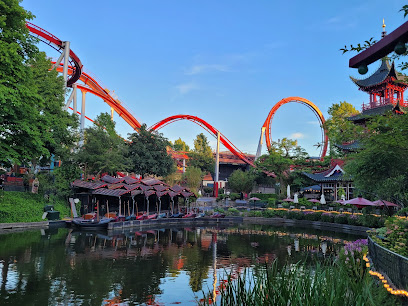
Explore enchanting Rosenborg Castle in Copenhagen, home to Denmark’s Crown Jewels, opulent royal halls, lush gardens, and centuries of riveting royal history.
Museum of Copenhagen
0.2 km
Explore a thousand years of Copenhagen's history through artifacts, interactive exhibits, and the stories of its people.
Rutschebanen
0.3 km
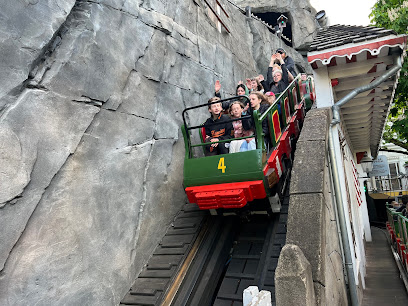
A century-old wooden roller coaster weaving through a rocky mountain in Tivoli Gardens, where a live brakeman and rattling timber keep Copenhagen’s past in motion.
Himmelskibet
0.3 km
Spin 80 meters high on the world's tallest carousel swing for breathtaking Copenhagen views.
Red Sightseeing Copenhagen
0.3 km
Hands-on science, vintage vehicles, and maritime history come together in this interactive, family-friendly branch of Malmö Museum, housed in an iconic industrial building.
The Tube
0.3 km
Step into a World War II bomb shelter transformed into a mind-bending immersive experience with 17 interactive rooms.
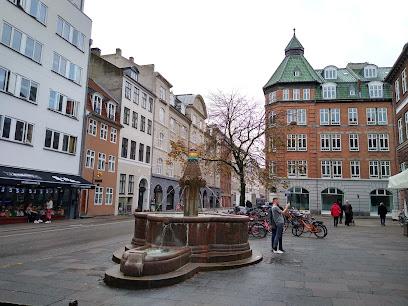
Vandkunsten Springvand
0.3 km
Experience Copenhagen’s blend of urban cool and waterside relaxation at Islands Brygge, where harbor views, bathing, and local life come together in a thriving central district.
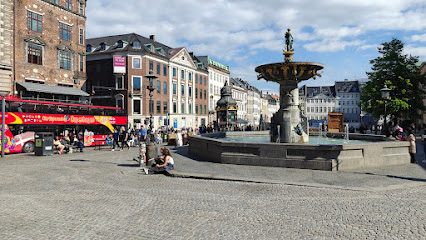
Weirdwalks Byvandring
0.3 km
Stroll the storied harbor promenade, discover Copenhagen’s iconic Little Mermaid, lush parks, and maritime sculptures along the scenic Langelinie waterfront.
Essential places to dine

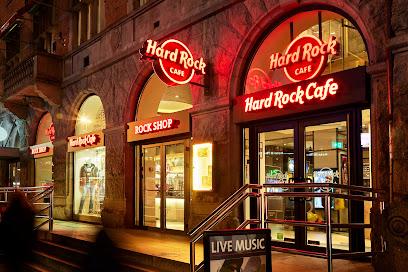
Hard Rock Cafe Copenhagen
0.1 km
Rock legends, legendary burgers, and unforgettable American dining in Copenhagen's vibrant heart.
Spisestedet FEED
0.2 km
Discover exquisite flavors and an inviting atmosphere at Spisestedet FEED in the heart of København.
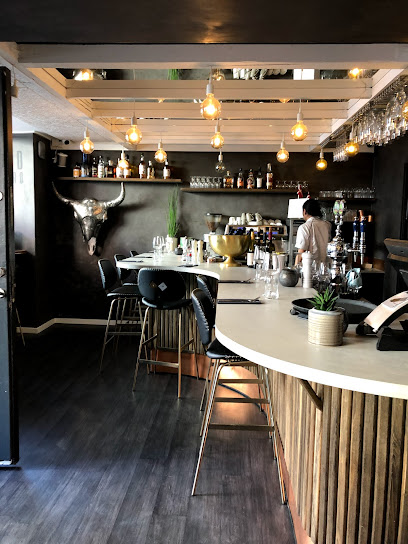
La Baracca Tivoli - Food Hall
0.3 km
Handmade Italian pasta and wine in the heart of Tivoli Food Hall, offering relaxed, counter-service dining steps from Copenhagen Central Station.
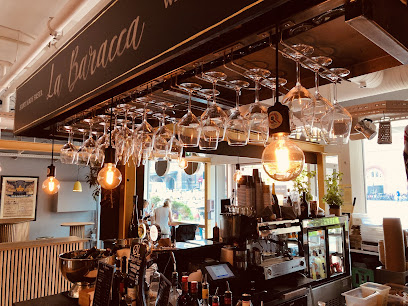
Rio Bravo
0.3 km
Western‑themed Copenhagen stalwart serving hearty Danish classics and steaks late into the night in a nostalgic saloon setting off City Hall Square.
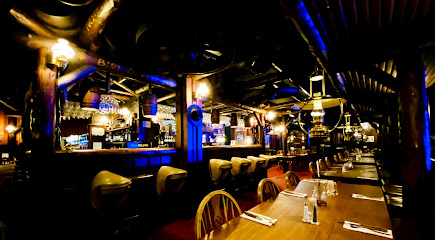
Husmanns Vinstue
0.3 km
Classic smørrebrød, candles and aquavit in a historic Copenhagen cellar devoted entirely to the long, unhurried Danish lunch.
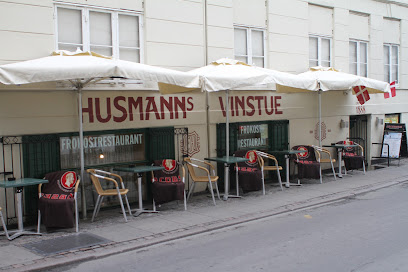
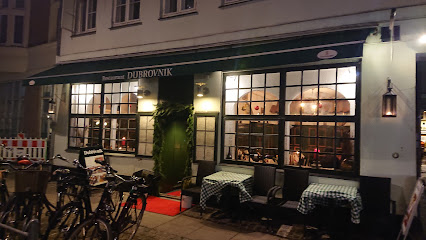
Dubrovnik Restaurant
0.3 km
Cosy Croatian tavern in Copenhagen’s inner city, serving generous grills and rustic Adriatic comfort food in a warm, wood‑panelled dining room.
Restaurant Puk
0.3 km
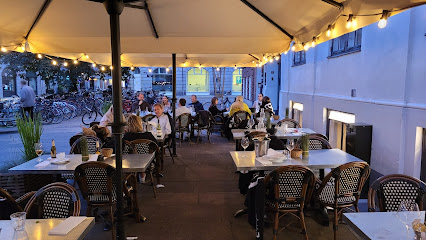
Historic Danish restaurant in Indre By, Copenhagen, serving classic smørrebrød and comfort dishes in a centuries-old setting with authentic local atmosphere.
Restaurant Karla
0.4 km
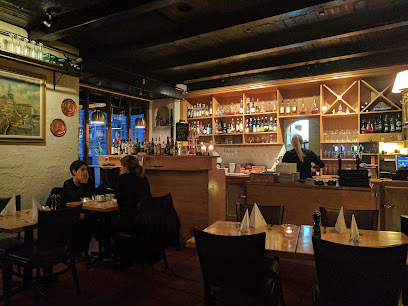
Century-old Danish restaurant serving beloved classics and authentic smørrebrød in the heart of Copenhagen, steps from major museums and city attractions.
ferment, ramen izakaya
0.4 km
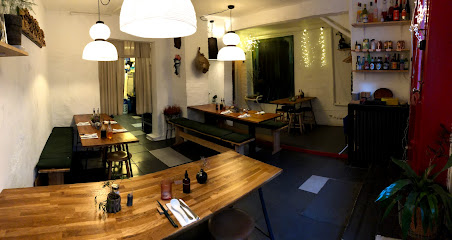
Intimate basement izakaya where fermentation, organic ingredients, and Nordic sensibility transform ramen and bao into deeply satisfying art.
Krebsegaarden
0.4 km
An intimate art-filled townhouse in central Copenhagen where creative tasting menus, warm storytelling service and an epic cheese course turn dinner into an evening-long occasion.
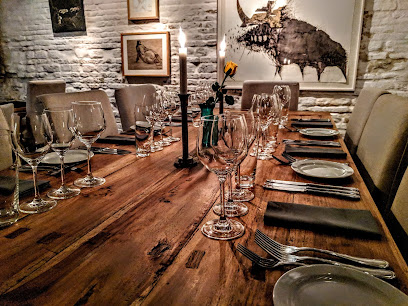
Vækst
0.4 km
Greenhouse-style Nordic dining in Copenhagen’s Latin Quarter, where seasonal vegetable-focused menus meet warm, softly lit interiors wrapped in lush foliage.
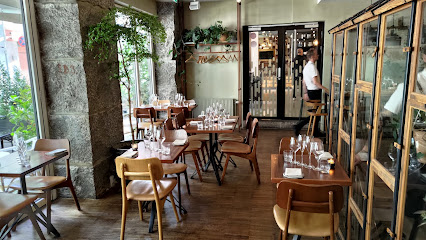
Restaurant Kronborg
0.4 km
Warm, candlelit hygge in Copenhagen’s old town, where classic Danish smørrebrød, hearty lunches and aquavit bring traditional flavors to a cosy side-street dining room.
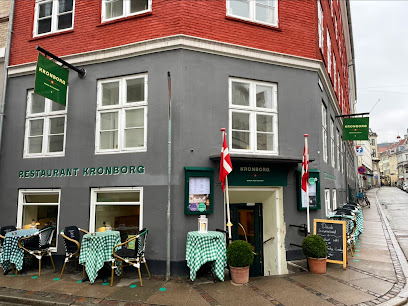
Restaurant Noi
0.4 km
Experience modern Nordic cuisine in a stylish, contemporary setting at Restaurant Noi, a favorite for seasonal dining in the heart of central Copenhagen.
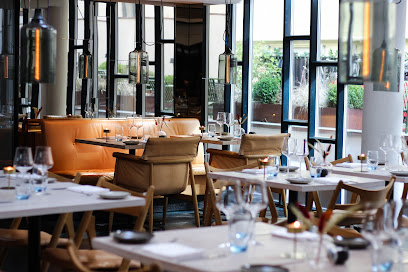
Restaurant 1733
0.5 km
Traditional Danish smørrebrød and hearty classics served in a cosy 18th‑century townhouse on Nybrogade, with canal views and warm, informal hospitality.
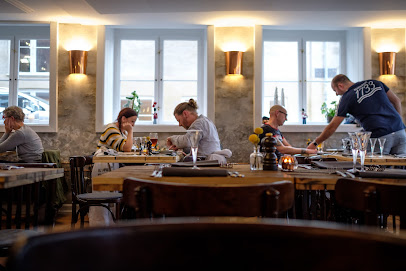
L'appetito
0.5 km
Traditional Italian plates, thin-crust pizzas and warm trattoria charm just off Copenhagen’s busy city centre streets.
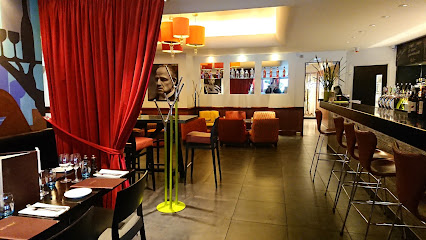
Markets, malls and hidden boutiques

Wonderful Souvenirs
0.1 km
Compact, colourful and central, Wonderful Souvenirs on Frederiksberggade is a one-stop Strøget shop for easy Copenhagen-themed gifts and keepsakes.
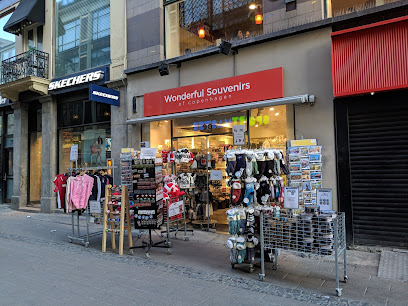
Danish Souvenirs
0.2 km
Central Copenhagen’s one‑stop Strøget shop for Little Mermaid trinkets, Viking keepsakes and easy last‑minute gifts before you say farvel to Denmark.
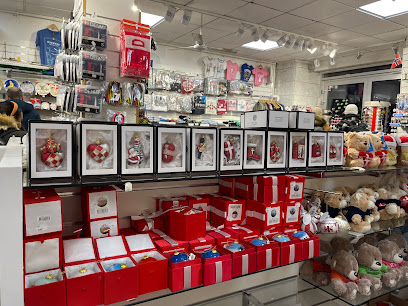
Viking Souvenirs
0.2 km
Lively Strøget souvenir shop packed with Viking‑themed gifts, Danish icons and suitcase‑friendly mementos, ideal for quick last‑minute presents in central Copenhagen.
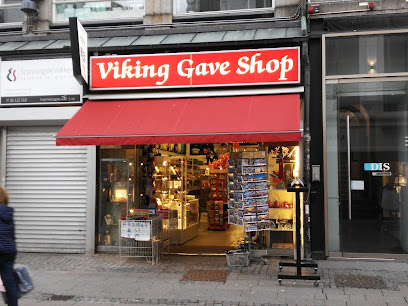
Souvenir Gift Shop
0.3 km
Compact, central and colourful, this Vesterbrogade gift shop is a quick and easy stop for Copenhagen-themed souvenirs between Tivoli, Vesterbro and the Central Station.
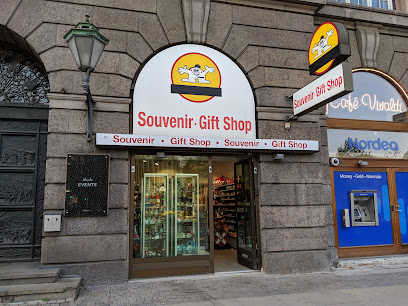
Tivoli Gift Shop
0.3 km
A compact slice of Tivoli Gardens magic just outside the park gates, perfect for picking up Copenhagen souvenirs before or after your visit.
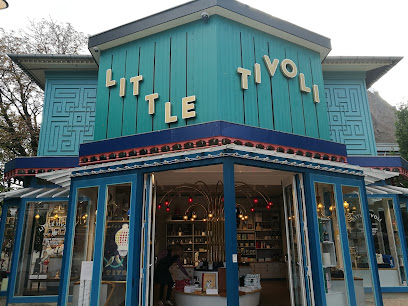
Souvenir Shop
0.3 km
Compact, convenient and central, this Frederiksberggade souvenir shop on Strøget is a quick one‑stop for classic Copenhagen gifts and mementos.
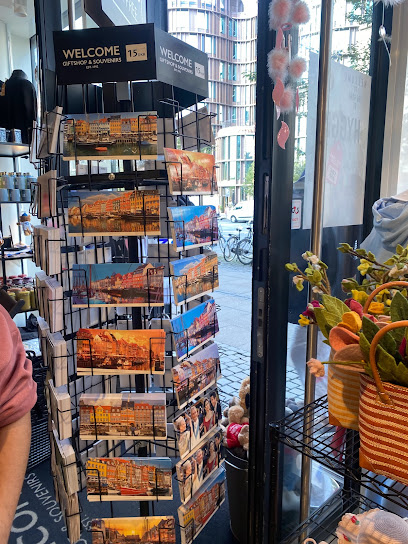
Carmen Copenhagen
0.3 km
Compact vintage treasure trove in Copenhagen’s Latin Quarter, where characterful clothes, curated racks, and cozy atmosphere turn slow browsing into a small adventure.
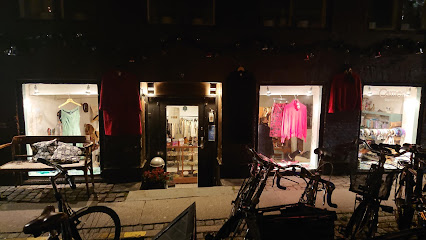
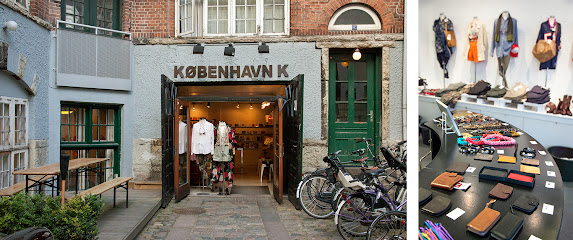
København K
0.4 km
Hidden in a Latin Quarter courtyard, København K is a long-standing Copenhagen vintage shop packed with curated second-hand fashion, denim and quirky homeware finds.
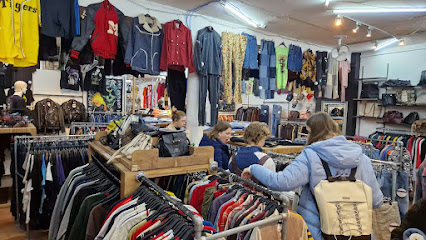
Wasteland
0.4 km
A high-energy vintage hub in Copenhagen’s Latin Quarter, packed with curated 80s, 90s and Y2K streetwear, denim and accessories in a distinctly urban setting.
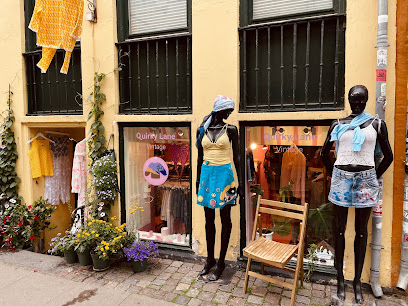
Quirky Lane
0.4 km
Copenhagen's eclectic pink-walled vintage boutique where sustainable fashion meets curated character.
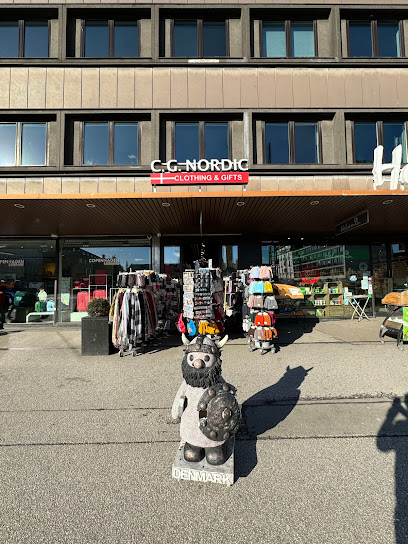
C. G. Nordic clothing and gifts
0.4 km
A small Vesterbro boutique where Nordic clothing, cozy textiles and design-led gifts capture the understated charm of contemporary Scandinavian style.
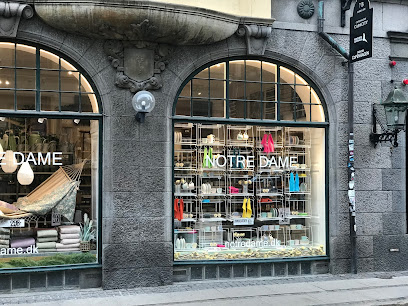
Notre Dame
0.4 km
A cozy Copenhagen interiors institution packed with colorful Nordic homeware, thoughtful design and giftable treasures opposite the Church of Our Lady.
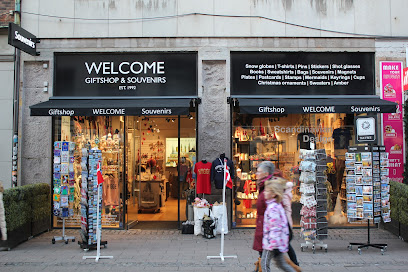
Welcome Giftshop & Souvenirs
0.4 km
Central Copenhagen’s hygge-filled stop for Scandinavian design and classic Danish souvenirs, perfectly placed on Nygade just off Strøget’s busy pedestrian flow.
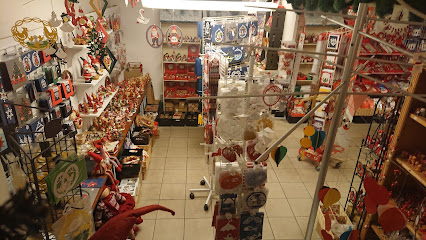
Danish Art & Christmas Shop
0.4 km
A cosy, year‑round Christmas haven in a historic Copenhagen townhouse, filled with Danish‑designed ornaments, paper art and festive hygge moments.
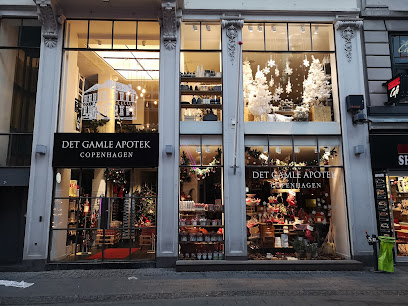
Det Gamle Apotek Copenhagen
0.5 km
Step off bustling Vimmelskaftet into a nostalgic world of Danish Christmas sparkle, romantic décor and gift-worthy treasures at Det Gamle Apotek Copenhagen.
Essential bars & hidden hideouts

Proud Mary Pub
0.1 km
Loud, lively and central, Proud Mary Pub brings a British-style pub atmosphere, hearty bar food and big beer nights to Copenhagen’s Vesterbrogade.
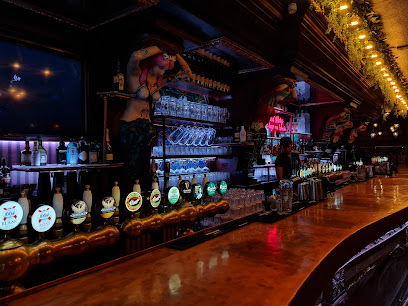
The Scottish Pub
0.1 km
Lively Scottish‑style pub on Copenhagen’s main square, pouring pints and whisky late into the night with music, sports on TV and an easygoing, social crowd.
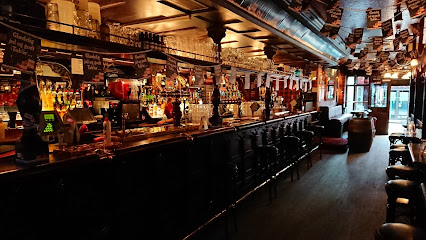
Taphouse
0.2 km
Copenhagen’s modern beer hall, pouring 61 ever‑changing craft taps in a relaxed, Scandinavian setting just steps from the historic city center.
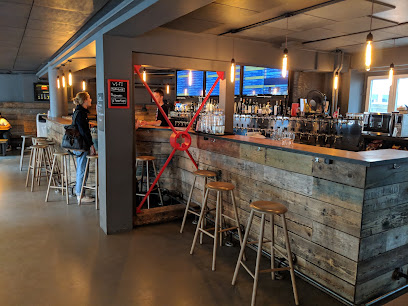
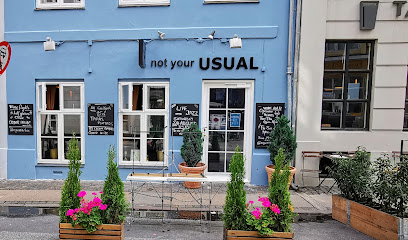
not your USUAL wine bar
0.2 km
Discover wines from the world's forgotten regions in Copenhagen's most unconventional wine bar.
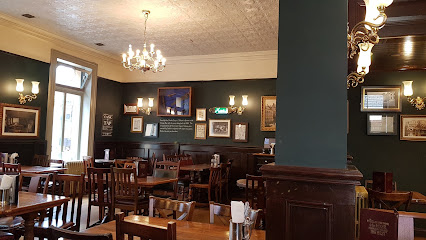
Southern Cross Pub
0.2 km
Two-floor Copenhagen sports pub pouring affordable pints, wall-to-wall live games, and late-night energy in the heart of the inner city.
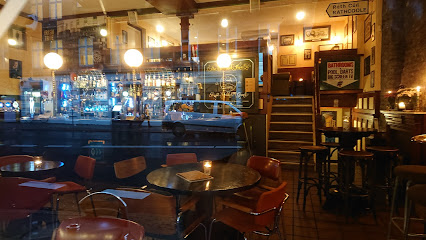
The Shamrock Inn
0.2 km
Experience the lively atmosphere of The Shamrock Inn, Copenhagen's premier Irish pub with live music and sports entertainment.
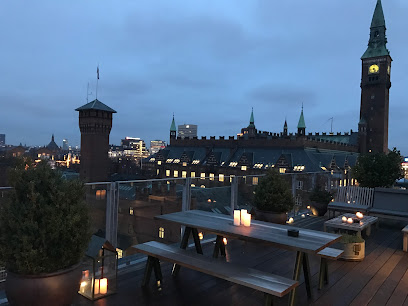
The Rooftop Bar
0.2 km
Compact rooftop oasis atop Hotel Danmark, pairing 360-degree Copenhagen views with cocktails, bubbles and golden-hour sunsets above the city’s historic heart.
Musen & Elefanten
0.2 km
Smoky, old-school Copenhagen bar and cigar hideaway where classic drinks, worn wood and late-night conversations create a timeless, slightly secret atmosphere.
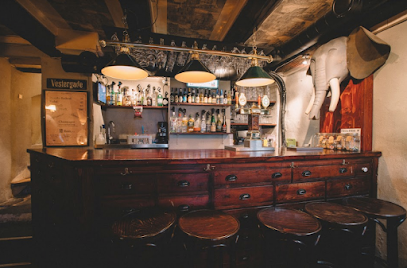
Centralhjørnet
0.2 km
One of Copenhagen’s oldest gay bars, Centralhjørnet is a cosy, festive corner pub where historic LGBTQ+ heritage meets camp décor and easy-going charm.
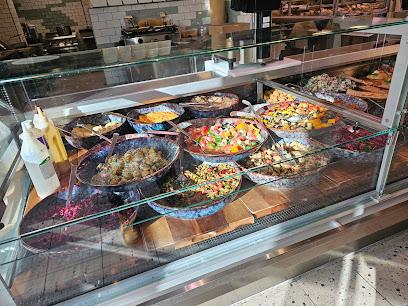
The Storm Inn Copenhagen
0.3 km
Experience the warmth of The Storm Inn in Copenhagen, a cozy pub offering a wide selection of drinks in a welcoming atmosphere.
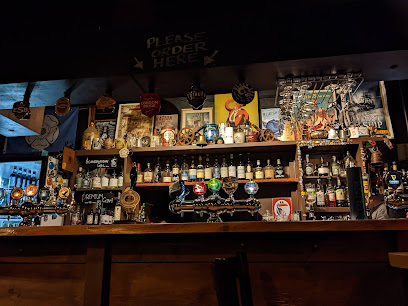
Library Bar
0.3 km
Experience Copenhagen's luxurious Library Bar, where sophisticated cocktails meet an inviting atmosphere, perfect for unwinding after a day of exploration.
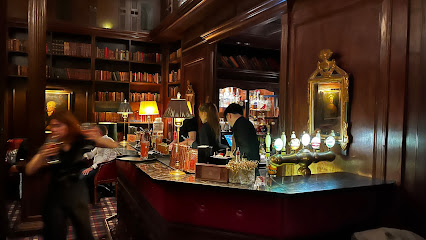
Floss Bar
0.3 km
Copenhagen's legendary dive bar: punk rock heritage, cheap beer, and authentic character until 2 AM.
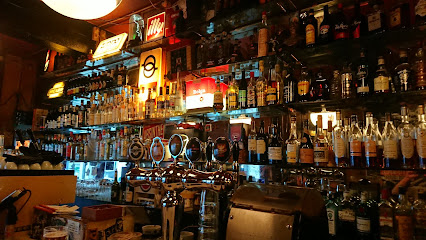
Zefside
0.4 km
Underground cocktail bar by night, pulsing nightclub by dawn—Copenhagen's shape-shifting social hub.
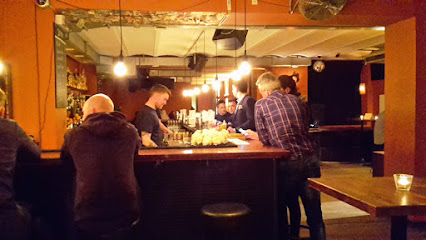
Bar7
0.4 km
Colorful multi-room cocktail lounge in Copenhagen’s old town, mixing bold interiors, inventive drinks and a 21+ late-night crowd over lounge beats and weekend energy.
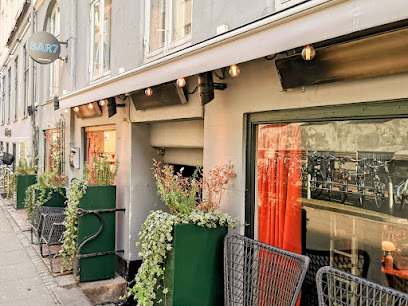
The Marble Bar
0.4 km
An intimate marble-clad cocktail hideaway inside Nobis Hotel Copenhagen, serving Scandinavian-inflected drinks and quiet luxury steps from Tivoli Gardens.
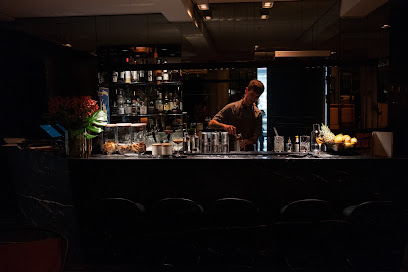
Nightclubs & after hour spots

Module
0.2 km
Discover the ultimate nightlife experience at Module Night Club in Copenhagen, where world-class DJs and an electrifying atmosphere await.
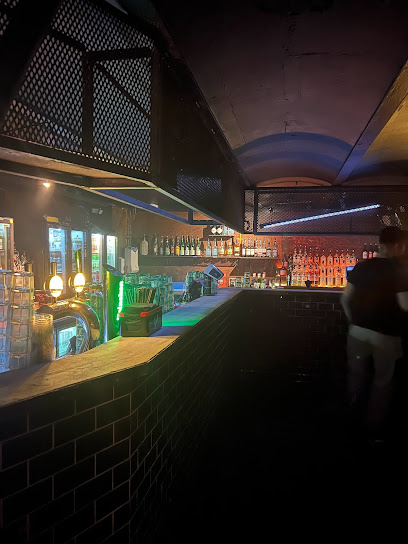
Club Mambo
0.2 km
Experience the energetic nightlife of Copenhagen at Club Mambo, a vibrant night club offering salsa dancing, cocktails, and delicious dining.
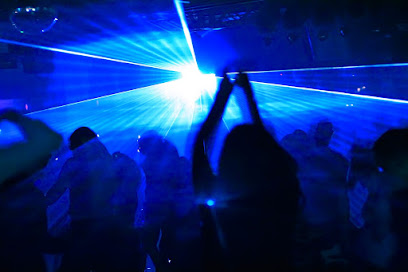
G*A*Y Copenhagen Nightclub
0.2 km
Experience the heart of LGBTQ+ nightlife at G*A*Y Copenhagen Nightclub, where vibrant energy and inclusive atmosphere await every visitor.
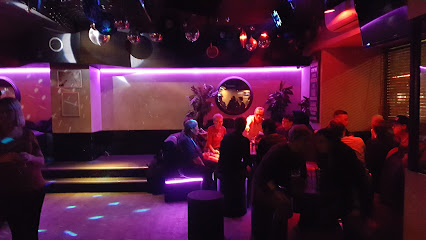
Dorsia
0.3 km
Central Copenhagen nightclub with late‑night DJs, cocktails and an image‑conscious crowd packed into a dark, modern interior off busy Kattesundet.
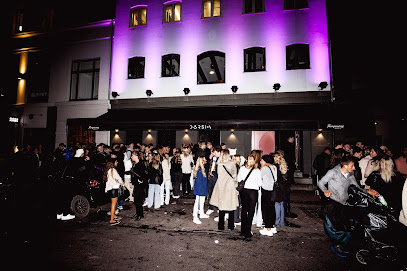
Never Mind
0.3 km
Experience the vibrant nightlife of Copenhagen at Never Mind, where electrifying music meets an eclectic crowd for unforgettable nights.
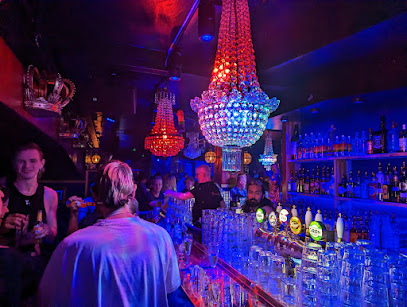
Cosy Bar
0.3 km
Discover the lively atmosphere of Cosy Bar, a top gay nightclub in Copenhagen offering fantastic music, vibrant crowds, and unforgettable nights.
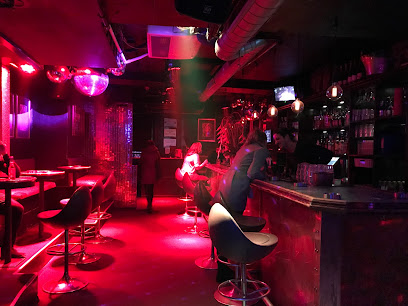
Miami Bar
0.4 km
Discover Copenhagen's nightlife at Miami Bar, where cocktails and dancing create unforgettable nights in a vibrant atmosphere.
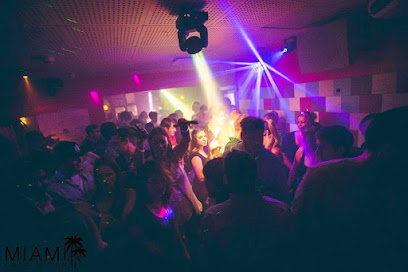
Den Anden Side
0.4 km
Discover the electrifying nightlife of Copenhagen at Den Anden Side, a techno haven for party lovers and night owls.
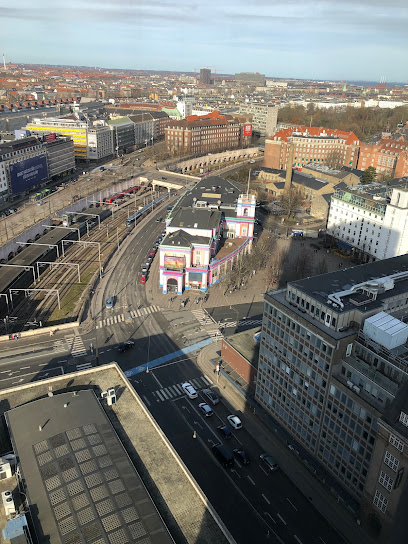
Mirror
0.4 km
Dive into the heart of Copenhagen's nightlife at Mirror, where the rhythm never stops and unforgettable memories are made.
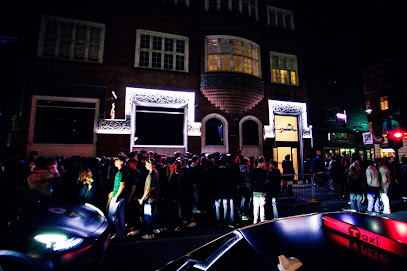
Rumors
0.4 km
Discover the heart of Copenhagen's nightlife at Rumors, where energetic vibes and unforgettable nights await you.
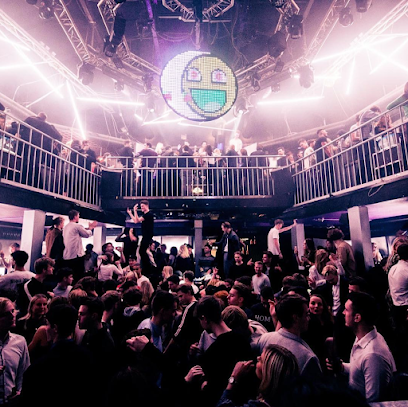
La Terraza
0.4 km
Compact nightclub on Studiestræde in Copenhagen’s old town, offering loud beats, straightforward drinks and an unpretentious late-night dance floor.
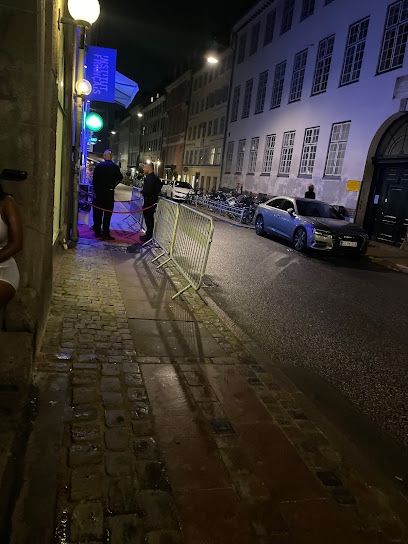
Hive
0.4 km
Copenhagen's premier high-end nightclub with cutting-edge design, VIP service, and immersive themed experiences.
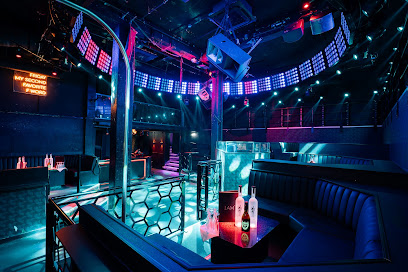
Chateau Motel
0.4 km
Discover the lively nightlife of Copenhagen at Chateau Motel, a top destination for cocktails and dancing in a vibrant atmosphere.
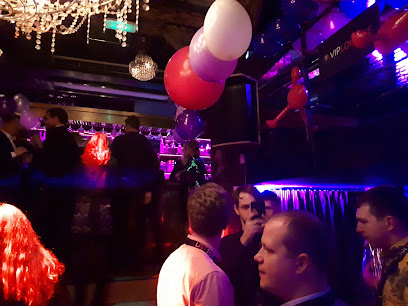
Arch
0.7 km
Discover the vibrant nightlife of Copenhagen at Arch, a premier night club offering electrifying music and an unforgettable atmosphere.

Mirage
0.7 km
Dive into the electrifying nightlife at Mirage, Copenhagen's premier night club for an unforgettable evening of music, dancing, and entertainment.

For the vibe & atmosphere seeker
- Romantic
- Scenic
- Lively
- Unique
- Casual
For the design and aesthetic lover
- Vintage Styles
- Retro Vibes
For the architecture buff
- Historic
- Landmarks
- Art & Design
For the view chaser and sunset hunter
- Iconic Views
- Panoramas
For the social media creator & influencer
- Instagrammable
- Photo Spots
- Selfie Spots
- Architectural Shots
For the eco-conscious traveler
- Public-Transport Accessible
- Car-Free Access
For the kind of experience you’re after
- Cultural Heritage
- Photowalk
- Day Trip
For how adventurous you want the journey to be
- Easy Access
Location Audience
- Family Friendly
- Child Friendly
- Senior Friendly
- Solo Friendly
- Couple Friendly
- Wheelchair Access


