H. C. Andersens Boulevard, Copenhagen
A broad, bustling boulevard where Hans Christian Andersen’s legacy meets City Hall Square, Tivoli’s lights, and the everyday pulse of central Copenhagen.
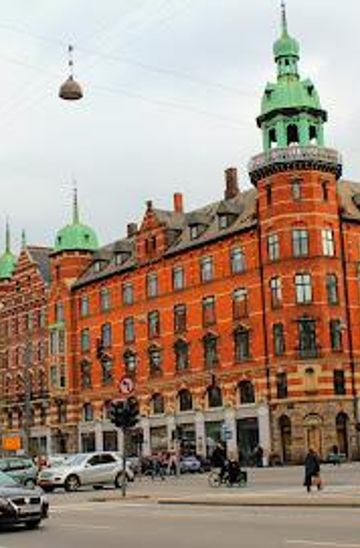
H. C. Andersens Boulevard is one of Copenhagen’s main thoroughfares, slicing past City Hall Square and Tivoli Gardens in the heart of the city. Named after Denmark’s beloved fairy-tale writer, it pairs heavy traffic with grand civic buildings, the famous bronze statue of Hans Christian Andersen, and easy access to key sights. This broad avenue is less a single attraction than a vivid urban corridor where Copenhagen’s literary heritage meets its everyday bustle.
A brief summary to H. C. Andersens Blvd.
- Copenhagen, Indre By, DK
- Duration: 0.5 to 2 hours
- Free
-
 Outdoor
- Mobile reception: 5 out of 5

Know before you go
Hi, I'm Eve. Here are a few practical things to know before exploring H. C. Andersens Blvd..
- Combine a stop at the Hans Christian Andersen statue with visits to City Hall Square and Tivoli Gardens to make the most of this central stretch.
- Visit outside rush hour if you prefer lighter traffic noise and easier photo opportunities around the statue and square.
- Bring a light jacket in cooler months; the wide boulevard can feel windier than narrower side streets nearby.
- Use the boulevard as a reference line to orient yourself when exploring the inner city on foot between major attractions.
Do you manage this location?
Take control to get all the benefits, like improved information, better appearance, and stronger visibility across AI-powered discovery. Learn more
Activate your presenceGetting There
-
Metro from elsewhere in Copenhagen
Take the M3 Cityringen or another metro line to Rådhuspladsen Station in central Copenhagen. From most inner-city stops, travel time is around 5–10 minutes, with trains typically running every few minutes throughout the day. A single adult ticket within the central zones usually costs the equivalent of 2–4 EUR and is valid for transfers within a set time window. Elevators and escalators make this option convenient for travelers with luggage or reduced mobility.
-
Mainline train and short walk
If you arrive via regional or intercity train, disembark at Copenhagen Central Station. From there, reaching H. C. Andersens Boulevard on foot takes about 10–15 minutes at a relaxed pace along level, urban pavements. This approach is suitable for most visitors, though it can be busy at peak times. Train fares into the city center vary by distance, but regional services from nearby towns typically cost around 6–15 EUR one way.
-
City bus through the center
Numerous city buses run along or across H. C. Andersens Boulevard, linking it with many neighborhoods. Typical journey times from inner districts range from 10–25 minutes depending on traffic. Standard bus tickets for the central zones are usually 2–4 EUR and can often be purchased via ticket machines or mobile apps. Buses are generally low-floor and suitable for wheelchairs and strollers, but expect crowding during rush hours.
-
Bicycle within the inner city
For a more local experience, rent a bicycle from a city bike scheme or rental shop and follow Copenhagen’s extensive cycle paths toward the inner city. H. C. Andersens Boulevard is lined with dedicated bike lanes, but traffic is fast and dense, so this option suits confident riders used to urban cycling. Rental prices commonly start around 10–20 EUR per day, with helmets recommended though not mandatory.
For the on-the-go comforts that matter to you
-
 Restrooms
-
 Drink Options
-
 Drinking Water
-
 Food Options
-
 Seating Areas
-
 Trash Bins
-
 Information Boards
-
 Visitor Center
Discover more about H. C. Andersens Blvd.
A Grand Artery in the Heart of Copenhagen
H. C. Andersens Boulevard cuts through central Copenhagen as a wide, multi-lane avenue linking key parts of the inner city. It runs alongside the busy City Hall Square, with Copenhagen City Hall on one side and Tivoli Gardens just across the way, placing it at the crossroads of civic life, entertainment, and daily commuting. Standing here, you feel the constant flow of buses, cyclists, and pedestrians that defines modern Copenhagen.Though it functions primarily as a traffic artery, the boulevard also acts as a spine for exploring the historic core. From here, it is only a short walk to shopping streets, theatres, canals, and squares, making the boulevard a useful reference point when navigating the city. The broad pavements, frequent crossings, and clear sightlines give it the feel of an urban stage on which the city’s routines play out from morning rush to late evening.Honouring the Fairy-Tale Storyteller
The boulevard is named after Hans Christian Andersen, the Danish author whose tales such as The Little Mermaid and The Ugly Duckling shaped childhoods far beyond Denmark. Near City Hall Square you find a large bronze statue of Andersen seated with a book and cane, gazing toward Tivoli Gardens. The figure is larger than life, inviting you to step close and imagine the storyteller pausing mid-tale as the city hums around him.This statue anchors the literary connection of the area. Nearby sights, including exhibitions dedicated to Andersen and historic theatres that once staged works inspired by his stories, reinforce the sense that this part of Copenhagen is inseparable from his legacy. The boulevard’s name is more than ceremonial; it signals how deeply the writer is woven into the city’s cultural identity.Architecture, Squares, and City Life
Architecturally, the surroundings mix monumental public buildings with commercial facades and modern additions. Copenhagen City Hall, with its tall clock tower and richly decorated interior, rises prominently at one end of the boulevard, setting a dramatic backdrop. Across the avenue, Tivoli’s trees and rides peek above the fence, hinting at the famous amusement park within.City Hall Square itself opens off the boulevard as a broad plaza often filled with cyclists, commuters, and street activity. From this vantage point you can take in trams of buses departing, cyclists weaving past the traffic, and statues and fountains punctuating the streetscape. The boulevard is not a tranquil spot, but it offers a vivid snapshot of Copenhagen’s rhythm and scale.A Practical Base for Exploring Central Sights
Spending time on H. C. Andersens Boulevard is usually part of a wider exploration rather than an outing in itself. Many visitors pause here briefly to photograph the Andersen statue, then continue to Tivoli Gardens, City Hall, or further into the old town. The pavements and crossings are generally level, making it straightforward for most visitors to move between nearby attractions.Because it is such a central corridor, it often serves as a mental compass for orienting yourself in the city. Stand with City Hall behind you and Tivoli in front and you can map out a day that includes gardens, museums, theatres, and shopping streets, all radiating from this busy line of asphalt and stone.Atmosphere from Dawn Rush to Evening Glow
The character of the boulevard shifts with the time of day. Morning and late afternoon bring surges of traffic and commuters. Midday often feels more leisurely, with people lingering on benches around City Hall Square or meeting under the Andersen statue before heading elsewhere. After dark, the lights of Tivoli, nearby hotels, and illuminated facades give the boulevard a cinematic glow.For travel writers and urban explorers, H. C. Andersens Boulevard is less about ticking off a single sight and more about appreciating how Copenhagen’s literary heritage, civic functions, and everyday motion converge along one broad, noisy, unmistakably urban strip.Explore the best of what H. C. Andersens Blvd. has to offer















More about North Zealand
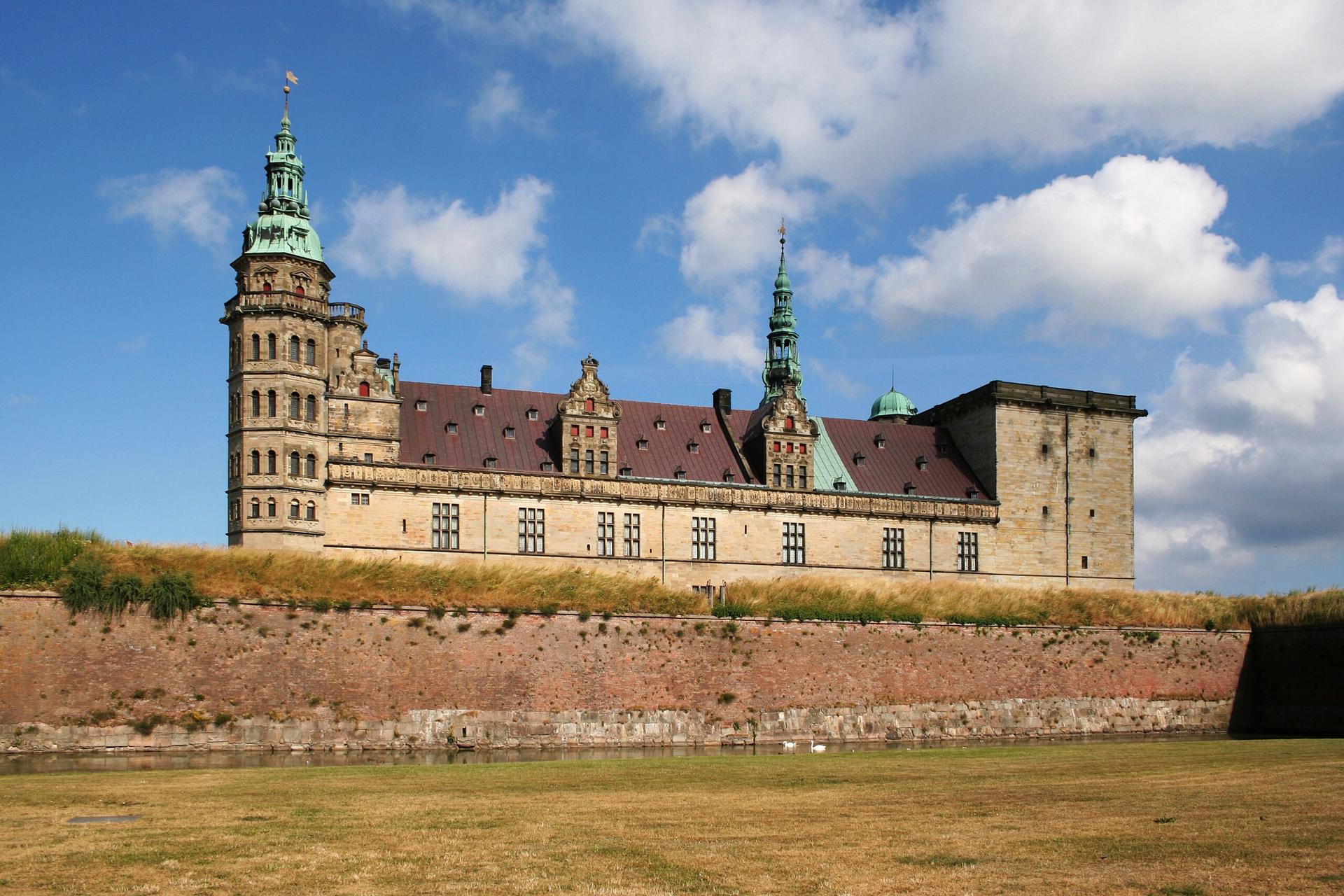
Explore North Zealand, Denmark's enchanting region of castles, beaches, and royal estates, perfect for history buffs, nature enthusiasts, and seaside lovers.
Tell me more about North Zealand