From Eve
Know before you go
Hi, I'm Eve. Here are a few practical things to know before exploring Rainbow Square.
Local know-how to help you travel smarter and make the most of every moment.


A small city-centre plaza with a powerful rainbow dedication, Rainbow Square turns everyday pavement beside Copenhagen City Hall into a quiet landmark for LGBTQ+ equality.
Rainbow Square, or Regnbuepladsen, is a small but symbolically powerful plaza tucked beside Copenhagen City Hall. Dedicated to the rainbow flag and the struggle for LGBTQ+ rights, it transforms an ordinary slice of paving into a civic statement about equality, diversity, and openness. Framed by historic architecture and the bustle of central Copenhagen, the square serves as a natural gathering point for Pride events, quiet reflection, and snapshots that weave political history into everyday city life.
Opening times, essentials, and a few local tips gathered into one calmer, easier-to-scan planning section.
Hi, I'm Eve. Here are a few practical things to know before exploring Rainbow Square.
Local know-how to help you travel smarter and make the most of every moment.
Public transport from Copenhagen Central Station
From Copenhagen Central Station, take an S-train or regional train only if you are arriving from outside the city; the square itself is about a 10–15 minute walk from the station through central streets with level, paved surfaces suitable for wheelchairs and strollers. If you prefer not to walk, local city buses serving the City Hall area run frequently, with typical tickets around 20–30 DKK for a short journey using the city’s zone system.
Metro access via Rådhuspladsen Station
Rådhuspladsen metro station on the M3 Cityringen line lies very close to Rainbow Square, with a travel time of about 3–10 minutes from central hubs such as Kongens Nytorv or Nørreport. Trains usually run every few minutes throughout the day, and a single metro ticket within the central zones generally costs about 20–30 DKK. Elevators and escalators make the route convenient for travellers with luggage or reduced mobility.
Bicycle travel within central Copenhagen
Cycling is often the quickest way to reach Rainbow Square from many central neighbourhoods, typically taking 5–15 minutes from areas like Vesterbro, Nørrebro, or Østerbro. The surrounding streets have dedicated bike lanes, but traffic can be busy during rush hours, so confident urban cycling skills are helpful. Renting a city bike or standard bicycle for a day usually costs in the range of 100–200 DKK depending on provider and duration.
 Restrooms
 Drink Options
 Drinking Water
 Food Options
 Seating Areas
 Trash Bins
 Information Boards
 Visitor Center
Catch the right light and the right mood, whether you want a bright city moment or a more cinematic evening visit.


Use Tower Bridge as your starting point for nearby food, family ideas, nightlife, and more local discoveries.
A quick look at seasonal patterns and peak visiting hours.

Explore expert travel guides, compare and book tours, experiences, hotels, and more—all from the palm of your hand. Download now for seamless trip planning wherever your wanderlust takes you.
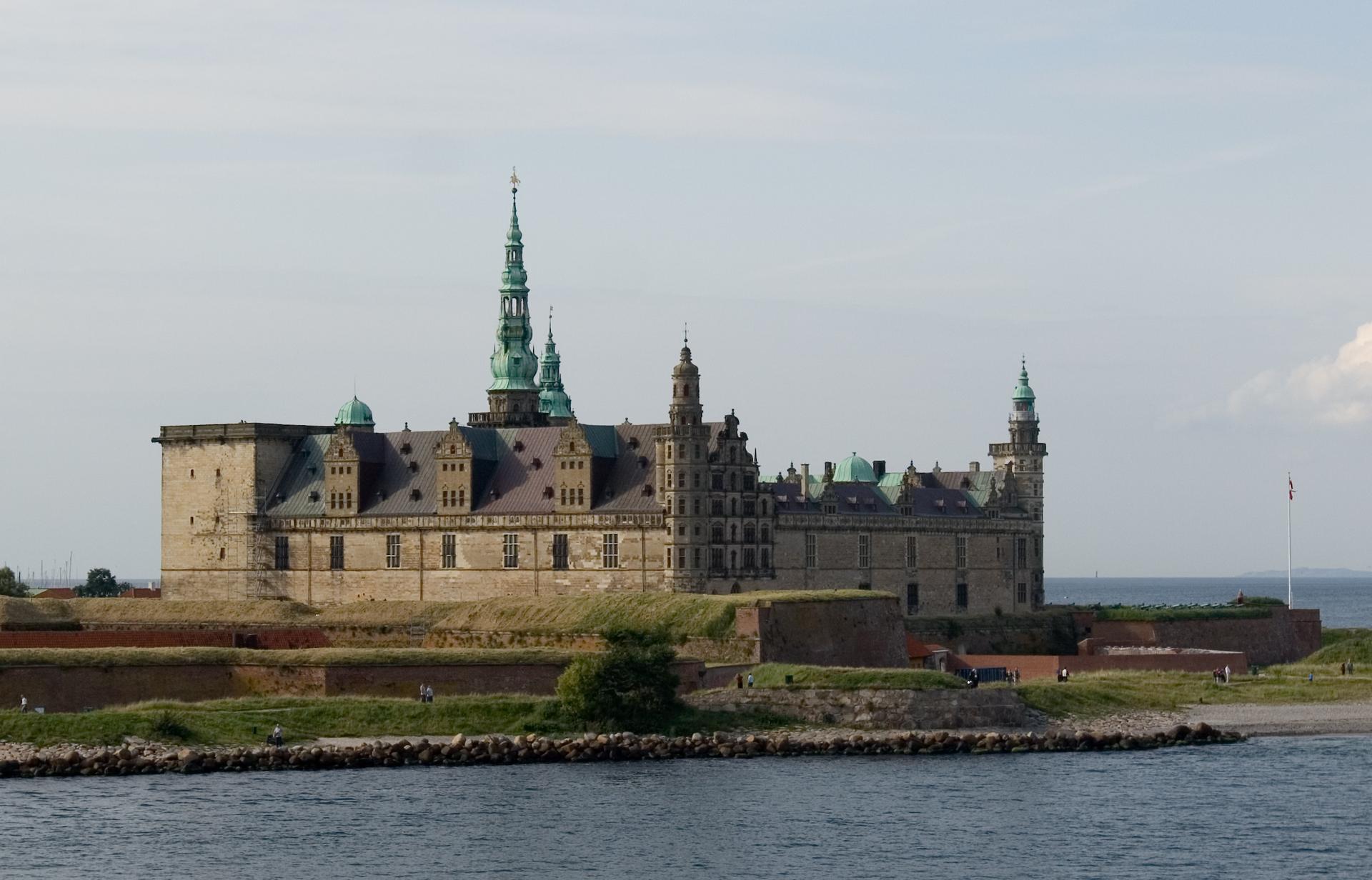
Discover Helsingør, Denmark's historic coastal city, home to Kronborg Castle and a vibrant cultural scene, offering a blend of history, scenic beauty, and local charm.
Tell me more about Helsingor