University Park: Aarhus’s Green Academic Heart
Aarhus’s University Park blends Danish modernist architecture, lush gardens, and student life into one of the city’s most tranquil and historically significant green spaces.
Set in the center of Aarhus, University Park is a lush urban oasis famed for its winding lawns, picturesque lake, and the striking yellow-brick buildings of Aarhus University. Designed in the 1930s by famed Danish architects, it's a tranquil open space where history and academia blend seamlessly. Visitors can soak up tranquil views, explore leafy paths, and witness campus life unfold amid iconic modernist architecture.
A brief summary to Amagertorv
- Copenhagen, Indre By, DK
Local tips
- Bring a picnic to enjoy by the lake—locals often lounge on the lawns during warm afternoons.
- Don’t miss the springtime daffodils or autumn foliage; the park’s landscape transforms beautifully with the seasons.
- Look for public sculptures and art installations scattered throughout the grounds.
- The area is popular for jogging and walking, making it ideal for a relaxing morning stroll.
- Visiting during university term offers chances to witness different campus events and gatherings.

Do you manage this location?
Take control to get all the benefits, like improved information, better appearance, and stronger visibility across AI-powered discovery. Learn more
Activate your presenceOther nearby places you may find interesting


Getting There
-
Walking
From Aarhus city center, University Park is a pleasant walk of about 10–20 minutes. Follow the primary pedestrian routes leading towards Aarhus University, with the distinctive yellow-brick buildings visible from several approaches. The journey takes you through vibrant urban districts and leafy boulevards, with the green park unfolding as you near the main academic quadrangle.
-
Public Transport
Buses from the city’s main train station run frequently toward Aarhus University, reaching stops adjacent to the park in roughly 8–12 minutes. A single adult ticket typically costs 24–26 DKK. Once alighting near the university, the park is a short walk from nearby campus landmarks and clearly signposted.
-
Taxi
A taxi from central Aarhus to University Park generally takes 5–10 minutes, depending on traffic, and fares are usually between 90–130 DKK for the short city journey.
-
Driving
Limited public parking is available near the campus, with municipal parking meters averaging 18–24 DKK per hour. Visitors may find parking busier during university term or student events, making alternative transport a practical option.
Discover more about Amagertorv
Explore the best of what Amagertorv has to offer















More about Roskilde
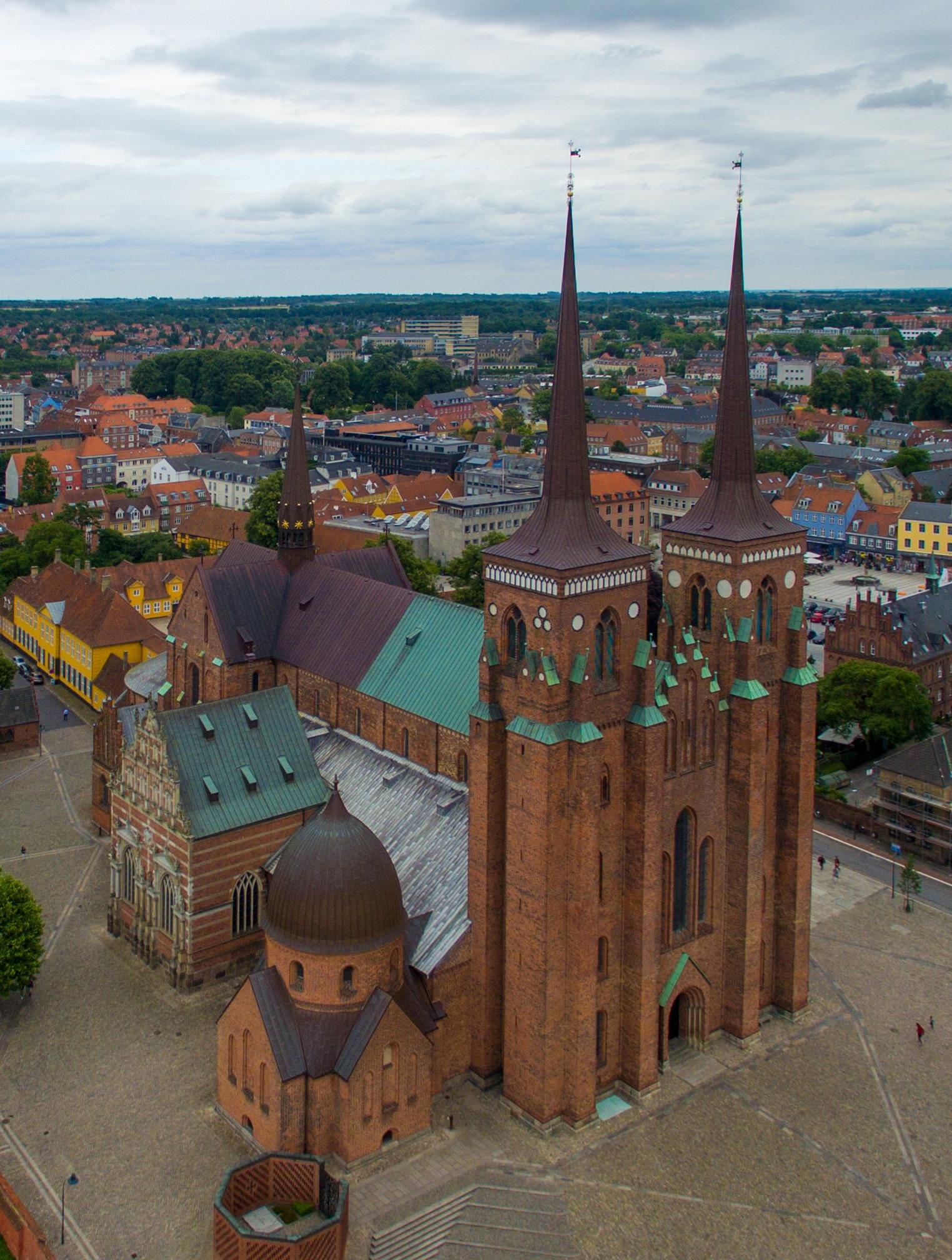
Discover Roskilde: A blend of rich history, Viking heritage, and vibrant music culture in the heart of Denmark, just a short journey from Copenhagen.
Tell me more about Roskilde