

Strøget, Copenhagen Travel Guide
Free Guide: Europe's pioneering pedestrian street where luxury shopping meets vibrant street culture and Danish heritage.


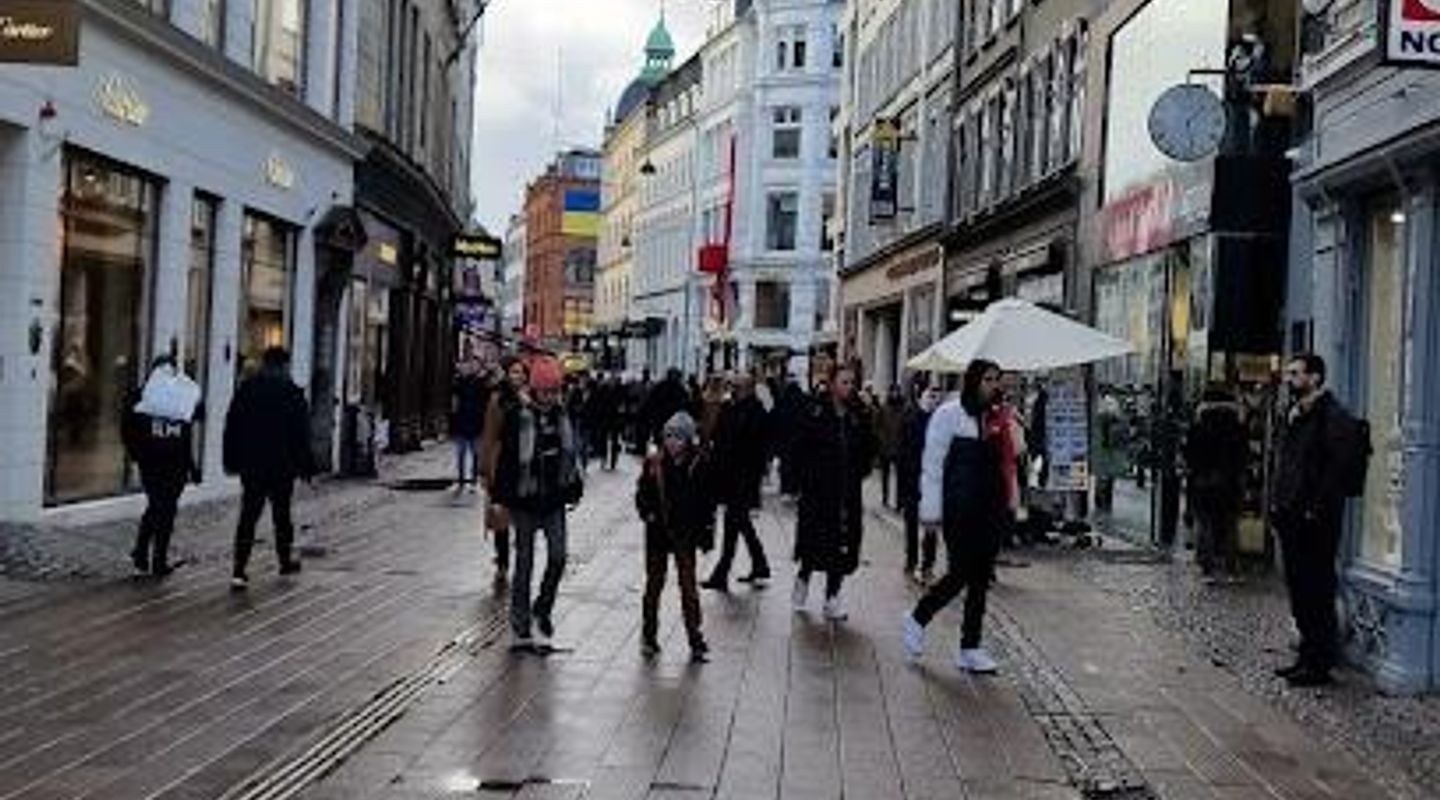
A brief summary of Strøget
Europe's pioneering pedestrian street where luxury shopping meets vibrant street culture and Danish heritage.
Strøget is one of Europe's longest pedestrian shopping streets, stretching 1.1 kilometers through the heart of Copenhagen. This iconic thoroughfare connects City Hall Square to Kongens Nytorv, offering an eclectic mix of luxury designer boutiques, high street chains, and local Danish shops. Beyond retail, the street pulses with street performers, historic architecture, and charming squares, making it a vibrant cultural hub where shopping, dining, and people-watching converge.
On-site amenities
 Restrooms
 Drink options
 Food options
 Seating areas
 Trash bins
 Information boards
- Address
- Copenhagen
Getting there
Metro
Bus
Bicycle
Walking
Discover more about Strøget
A Pioneer of Urban Pedestrianization
Strøget holds a unique place in urban design history as one of Europe's first major pedestrian shopping streets. Converted to a car-free zone on November 17, 1962, the street was initially conceived as a temporary experiment to address Copenhagen's growing traffic congestion. Local business owners were skeptical, fearing that removing vehicles would eliminate customers and revenue. Instead, the opposite occurred: Strøget became a resounding success, proving that traffic-free environments could actually increase retail revenue and create vibrant public spaces. This pioneering transformation inspired pedestrian zones across Europe and fundamentally changed how cities approached urban planning and public life.
A Retail Landscape for Every Budget
Strøget's 1.1-kilometer stretch encompasses far more than a single street—it is actually a network of interconnected pedestrian thoroughfares including Frederiksberggade, Nygade, Vimmelskaftet, Østergade, and several adjoining squares. The retail experience varies dramatically along its length. Near Kongens Nytorv, the street showcases the world's most prestigious luxury brands: Prada, Louis Vuitton, Hermès, Gucci, Max Mara, and Mulberry occupy prime positions, catering to high-end shoppers. Moving westward toward City Hall Square, the atmosphere shifts to more accessible fashion retailers such as H&M, Zara, Vero Moda, and COS. Interspersed throughout are Danish design shops, jewelers like Pilgrim and Klarlund, the Royal Copenhagen Flagship Store, and countless souvenir outlets, ensuring that visitors of all budgets and tastes find something to suit their interests.
Squares, Fountains, and Architectural Treasures
The street's character is punctuated by several distinctive squares and landmarks that reward exploration. Amagertorv Square, redesigned in 1993 by artist Bjørn Nørgaard with striking granite patterning, has become the second most popular urban space in Copenhagen due to its diverse activities and social atmosphere. Here stands the iconic Stork Fountain (Storkespringvandet), a beloved meeting point and photo opportunity. Gammeltorv and Nytorv squares offer respite and dining opportunities, while views across the canal reveal Christiansborg Palace, home to the Danish Parliament. The Church of Our Lady (Vor Frue Kirke), where Crown Prince Frederik and Crown Princess Mary were married, sits just off the main thoroughfare, and the neoclassical Royal Danish Theatre anchors Kongens Nytorv at the street's eastern terminus. These architectural and cultural landmarks transform Strøget from a mere shopping destination into an open-air museum of Copenhagen's heritage.
Street Life and Public Spectacle
Strøget's true magic emerges from its role as a stage for Copenhagen's street culture. Street performers—acrobats, magicians, and musicians—congregate throughout the day, particularly at Amagertorv Square, creating an ever-changing backdrop of entertainment. The wide, traffic-free expanse allows locals and tourists to move freely, pause at outdoor cafés, and absorb the rhythm of urban life. Window displays often function as artistic installations, showcasing the creativity of retailers and designers. This constant human activity, combined with the absence of vehicle noise and pollution, creates an atmosphere that feels both energetic and accessible, encouraging lingering rather than rushing through.
Evolution and Contemporary Character
Since its 1962 conversion, Strøget has undergone multiple renovations and expansions. The initial 15,800 square meters of pedestrian space has grown to approximately 100,000 square meters as neighboring streets and squares were progressively closed to traffic in 1968, 1973, and 1992. Materials have been upgraded over the decades to enhance durability and aesthetic appeal. However, the street's character has also shifted: while it remains a major shopping destination, contemporary observers note that it features predominantly international chain stores and mass-market retailers alongside tourist-oriented shops and fast-food outlets. Many independent boutiques and design-focused retailers have migrated to the quieter side streets, which now offer more distinctive shopping experiences. Despite this evolution, Strøget remains an essential Copenhagen experience—a place where history, commerce, culture, and public life intersect in one of Europe's most successful urban pedestrian environments.
Evendo Review Centre
 Google
Guest reviews
Best time to go
Quietest: Jan, Feb & Mar · before 7am
Busy times are Evendo estimates for a typical year, to help you plan. Actual crowds vary with events, school holidays and the weather.
Explore Strøget on the map
A handpicked selection of must-see spots near Strøget, mapped for you.
Get your free copy of our complete guide to Strøget, delivered straight to you.
Everything on this page, from opening hours and how to get there to Eve’s tips and the best time to go, in one PDF you can read offline, print or share.
Already have an account? Sign in
Your Strøget guide is ready.
We'll send it to · Not you? Sign out

Getting your guide ready…
We are putting together a fresh copy of the Strøget guide. This can take up to a minute.
This can take a few moments. If your browser asks, choose Allow so the download can start. You'll find the guide in your Downloads folder.
Nothing happened? Download it again
Sorry, the guide is taking longer than usual. Please try again in a minute, or get it by email instead.
Unlock the best of Strøget
Skip-the-line tickets, guided tours with entry, and walking tours of the area, booked in a few clicks.
 Tour with entry
A Self-Guided Nordic Exploration in Copenhagen's Hidden Hygge
from $1.06 Tour with entry
Self-Guided Tour In Copenhagen with 100 Captivating Audio Stories
from $3.19 Tour with entry
Copenhagen Walking Tour with Audioguide on Your Smartphone
from $10.66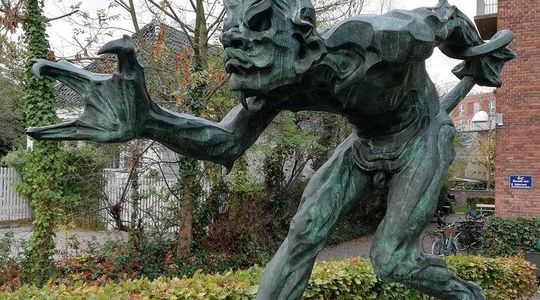 Tour with entry
Walk with ghosts (and other creatures) through Copenhagen
from $28.48


Other nearby places you may find interesting
The closest places of the same kind, if this one is not quite what you had in mind.
-
-
-

-
-


Swipe for more places
More to explore near Strøget

 Best experiences near Strøget
 Best hotels near Strøget
 Best landmarks near Strøget
 Best attractions near Strøget
 Best shops near Strøget
 Best restaurants near Strøget
 Best bars near Strøget
Do you manage this location?
Take control to get all the benefits, like improved information, better appearance, and stronger visibility across AI-powered discovery.
Explore more

Explore more of Copenhagen
Discover Copenhagen: A perfect blend of history, modernity, and vibrant culture, where picturesque canals, stunning architecture, and world-class dining await you.
Explore Copenhagen
Explore more of Denmark
Discover Denmark: A perfect blend of history, modern design, and the cozy concept of hygge. Explore vibrant cities, serene landscapes, and world-class cuisine.
Explore Denmark
