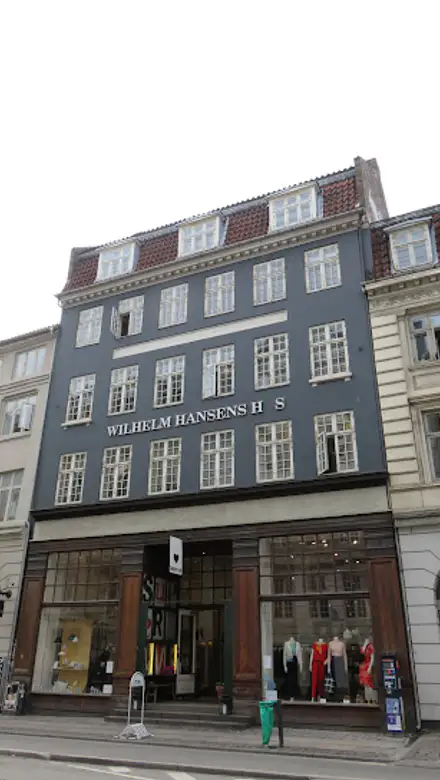
Wilhelm Hansens Hus Travel Guide
Free Guide: Former home of Denmark’s leading music publisher, quietly anchoring Gothersgade’s elegant streets between royal gardens and lively Kongens Nytorv.


A brief summary of Wilhelm Hansens Hus
Former home of Denmark’s leading music publisher, quietly anchoring Gothersgade’s elegant streets between royal gardens and lively Kongens Nytorv.
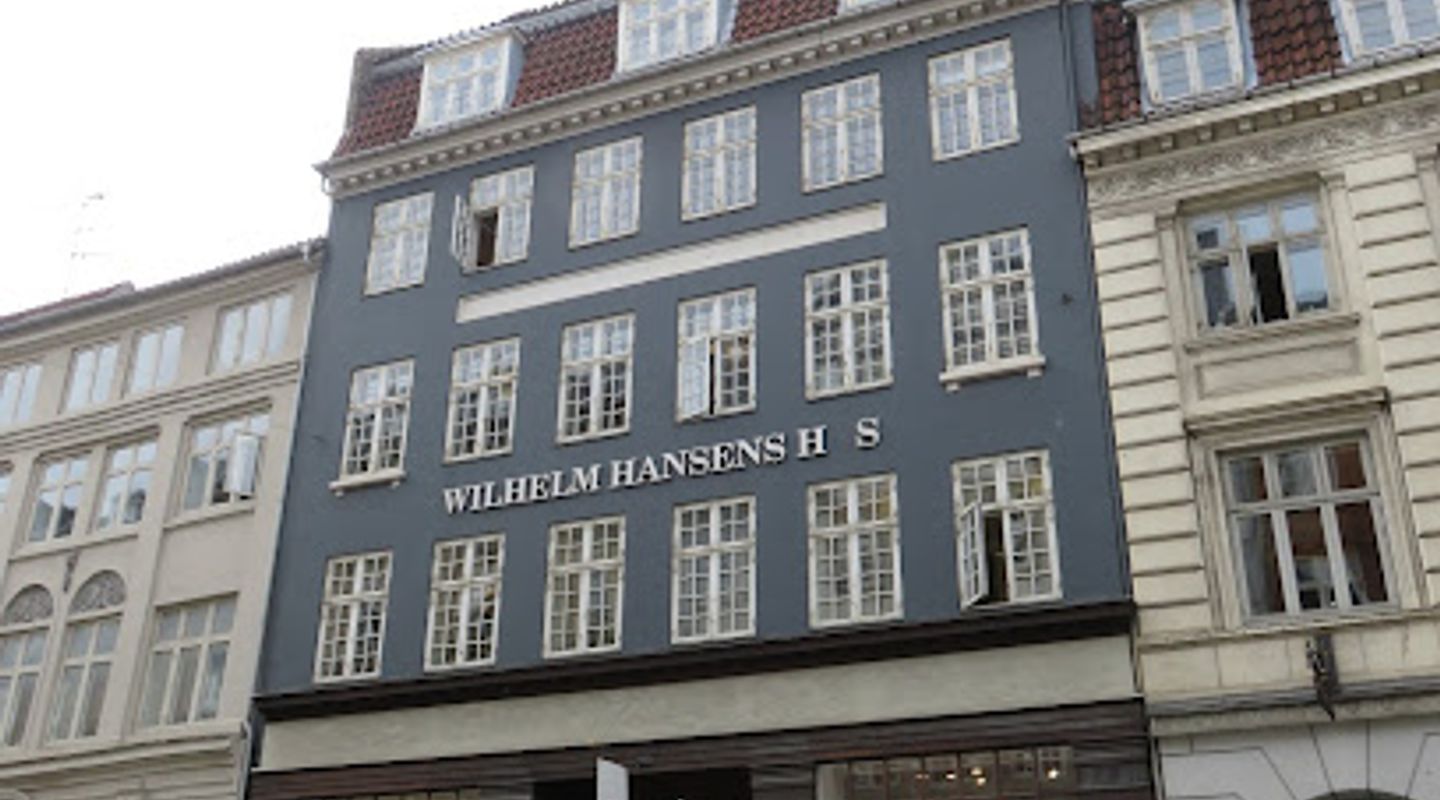
Tucked into central Copenhagen’s Gothersgade, Wilhelm Hansens Hus is the former headquarters of the influential music publisher Wilhelm Hansen, once a powerhouse in Danish and European music life. Behind a modest historic facade near Kongens Nytorv, this house evokes an era when sheet music, composers and copyright deals shaped the city’s cultural scene. Today it is primarily an architectural and historic point of interest, best appreciated as a quick cultural stop on a wider stroll through the elegant streets between Kongens Nytorv, Rosenborg Castle and the city’s inner canals.
On-site amenities
 Restrooms
 Drink options
 Drinking water
 Food options
 Seating areas
 Trash bins
 Information boards
- Address
- Gothersgade 11, 1123 København
- Phone
- Website
Getting there
Metro from wider Copenhagen
Bus within the city centre
Walking from the inner city
Bicycle from nearby districts
Discover more about Wilhelm Hansens Hus
A quiet house with a loud musical past
Wilhelm Hansens Hus on Gothersgade looks like many other dignified townhouses in Copenhagen’s old centre, but it once housed one of Scandinavia’s most important music publishers. From here, the Wilhelm Hansen firm helped shape Danish musical life, handling everything from classical scores and educational material to popular songs. Contracts were signed in its offices, new works were negotiated at heavy wooden desks, and the building effectively became a backstage hub for the country’s composers and performers.The publisher eventually moved on, and the company itself changed ownership, but the address still carries the name and memory of that era. Passing by today, it is easy to overlook just how many premieres and performances were indirectly linked to the decisions made within these walls.
Gothersgade’s cultural corridor
Set almost midway between Kongens Nytorv and the green lawns of the King’s Garden, Wilhelm Hansens Hus sits on a stretch of Gothersgade that functions as a cultural corridor. Within a short walk you find major attractions such as Rosenborg Castle, the Botanical Garden, and several intimate museums and galleries. The Royal Guard’s daily march often proceeds along Gothersgade, giving the street a ceremonial rhythm that contrasts with its everyday traffic and bike lanes.This location means the house is best experienced as part of a broader exploration of the neighbourhood rather than as a stand‑alone destination. Look up as you pass: cornices, rooflines and window details reveal how this part of town grew into a refined quarter for merchants, publishers and professionals tied to the nearby royal and administrative institutions.
Architecture in the subtle Copenhagen style
Architecturally, Wilhelm Hansens Hus is a study in restraint. The facade follows the Copenhagen tradition of solid masonry, tall sash windows and a clear, almost rhythmic vertical arrangement. Instead of elaborate decoration, the interest lies in proportions and the way the building fits its row of neighbours, forming a continuous street wall that defines Gothersgade’s character.Details such as doorway framing, ironwork and roof pitch speak to the practical elegance of older Copenhagen townhouses. This subtlety is part of its charm: the building rewards a slow look rather than a single snapshot, especially in the soft light of early morning or late afternoon when textures and colours gently stand out.
From sheets of music to city soundscape
The story of the house is also the story of how music moved from printed sheets to modern formats. When Wilhelm Hansen operated here, musical life depended on printed scores distributed to orchestras, choirs and private homes. Today, the surrounding streets carry a different soundtrack: passing bikes, conversations from nearby cafés and the occasional echo of a busker’s tune drifting over from Kongens Nytorv.Thinking about that shift while standing outside the building adds depth to the visit. You are looking at a place where rights, royalties and repertoire were once planned on paper, yet the real outcome was what people heard in concert halls, churches and living rooms across the country.
A short stop on an urban walking route
Most travellers will experience Wilhelm Hansens Hus in just a few minutes, pausing en route between better‑known sights. It works well as a moment to slow down, connect individual attractions into a coherent story of the city, and appreciate the quieter addresses behind Copenhagen’s cultural reputation. Combined with a walk through the King’s Garden, a visit to a nearby museum and time on Kongens Nytorv, the house helps anchor your sense of place in this compact, walkable capital.
Evendo Review Centre
 Google
Guest reviews
Best time to go
Quietest: Jan, Feb & Nov · before 7am or from 11pm
Busy times are Evendo estimates for a typical year, to help you plan. Actual crowds vary with events, school holidays and the weather.
Explore Wilhelm Hansens Hus on the map
A handpicked selection of must-see spots near Wilhelm Hansens Hus, mapped for you.
Get your free copy of our complete guide to Wilhelm Hansens Hus, delivered straight to you.
Everything on this page, from opening hours and how to get there to Eve’s tips and the best time to go, in one PDF you can read offline, print or share.
Already have an account? Sign in
Your Wilhelm Hansens Hus guide is ready.
We'll send it to · Not you? Sign out

Getting your guide ready…
We are putting together a fresh copy of the Wilhelm Hansens Hus guide. This can take up to a minute.
This can take a few moments. If your browser asks, choose Allow so the download can start. You'll find the guide in your Downloads folder.
Nothing happened? Download it again
Sorry, the guide is taking longer than usual. Please try again in a minute, or get it by email instead.
Other nearby places you may find interesting
The closest places of the same kind, if this one is not quite what you had in mind.
-
-
-
-
-


Swipe for more places
More to explore near Wilhelm Hansens Hus

 Best experiences near Wilhelm Hansens Hus
 Best hotels near Wilhelm Hansens Hus
 Best landmarks near Wilhelm Hansens Hus
 Best attractions near Wilhelm Hansens Hus
 Best shops near Wilhelm Hansens Hus
 Best restaurants near Wilhelm Hansens Hus
 Best bars near Wilhelm Hansens Hus
Do you manage this location?
Take control to get all the benefits, like improved information, better appearance, and stronger visibility across AI-powered discovery.
Explore more
Explore more of Zealand
Discover the charm of Zealand, Denmark's largest island, blending vibrant city life in Copenhagen with serene coastal beauty and rich cultural heritage.
Explore Zealand
Explore more of Denmark
Discover Denmark: A perfect blend of history, modern design, and the cozy concept of hygge. Explore vibrant cities, serene landscapes, and world-class cuisine.
Explore Denmark