

Nørrebros Theater, Copenhagen Travel Guide
Historic Nørrebro playhouse blending popular entertainment, contemporary theatre and facade art in a 620-seat venue at the lively heart of Copenhagen.
Nørrebro Teater is one of Copenhagen’s most characterful stages, rooted in Nørrebro’s lively Ravnsborggade since 1886. Once Denmark’s largest popular entertainment theater, it now blends sharp, contemporary productions with a strong sense of local history. Inside the 620-seat auditorium, modern lighting, clear acoustics and a welcoming foyer bar create an intimate yet buzzing atmosphere, ideal for an evening of theatre, talks, music and performance in the heart of the city.
A brief summary to Nørrebros Theater
- Ravnsborggade 3, Copenhagen, Nørrebro, 2200, DK
- Click to display
- Click to display
- Duration: 2 to 3.5 hours
- Mid ranged
-
 Indoor
- Mobile reception: 5 out of 5

Know before you go
Hi, I'm Eve. Here are a few practical things to know before exploring Nørrebros Theater.
- Arrive 20–30 minutes before curtain to enjoy the foyer bar and take in the theatre’s interior details and historic graphic design.
- Check the program in advance: the repertoire ranges from spoken drama and comedy to talks, performance and concerts, often in Danish.
- Combine your visit with dinner or a drink on Ravnsborggade or nearby streets, where many restaurants and bars stay open late.
Do you manage this location?
Take control to get all the benefits, like improved information, better appearance, and stronger visibility across AI-powered discovery. Learn more about listing your business on Evendo
Activate your presenceOther nearby places you may find interesting
The closest places of the same kind, if this one is not quite what you had in mind.

Explore Nørrebros Theater on the Map
A handpicked selection of must-see spots near Nørrebros Theater, mapped for you.
Unlock the Best of Nørrebros Theater
Buy tickets
-
No tickets available
Book tours with entry

Book tours without entry
-
No tours available
Getting There
-
Metro
From central Copenhagen, take the M3 City Circle Line to Nørrebros Runddel Station; trains run every few minutes and the ride typically takes 8–12 minutes. From the station, it is a straightforward urban walk of about 10–15 minutes through level city streets, suitable for most visitors. Standard single metro tickets in the city zones usually cost around 20–30 DKK, and lifts and escalators make the metro accessible for wheelchair users and those with luggage.
-
Bus
Several city bus routes run along Nørrebrogade between the city centre and Nørrebro, with typical journey times of 10–20 minutes depending on traffic. Buses generally stop within a short walk of Ravnsborggade on paved, well-lit streets. A single city bus ticket normally costs in the range of 20–30 DKK, and buses operate frequently throughout the day and evening, though late-night services may be less frequent.
-
Bicycle
Copenhagen’s extensive bike lanes make it easy to cycle to Nørrebro Teater from the inner city in around 10–20 minutes, depending on your starting point. The route uses segregated cycle tracks along major streets and is mostly flat, but can feel busy at peak hours. City bikes and rental bicycles are widely available, typically costing from about 20–40 DKK for a short ride; remember to park only in designated areas near the theatre.
-
Taxi / Rideshare
A taxi from central Copenhagen to Nørrebro Teater usually takes 10–20 minutes outside rush hour, longer when traffic is heavy. Fares commonly fall in the 120–200 DKK range, depending on distance and time of day. Vehicles can drop passengers close to the entrance on Ravnsborggade, which is convenient for visitors with limited mobility, but street space can be busy just before and after performances.
For the on-the-go comforts that matter to you
-
 Restrooms
-
 Drink Options
-
 Food Options
-
 Seating Areas
-
 Trash Bins
-
 Information Boards
Discover more about Nørrebros Theater
A historic stage in the heart of Nørrebro
Nørrebro Teater has been part of Copenhagen’s cultural life since 1886, when it first opened as a dinner and entertainment theatre at Store Ravnsborg on what is now Ravnsborggade. Over the years it evolved from a boisterous morskabsteater with songs, comedy and variety acts into one of Denmark’s most recognisable city theatres, closely tied to the everyday life of Nørrebro.The building’s history mirrors the neighbourhood’s transformation from pleasure gardens on the city’s edge into a dense, multicultural district. Generations of directors, from early impresarios to later artistic leaders, have reshaped the repertoire without breaking the link to popular storytelling and humour.Architecture that bridges past and present
From the street, the theatre stands out as a compact yet striking corner building. Its best-known feature is the illuminated sign designed in 1932 by modernist architect Vilhelm Lauritzen, whose clean lines and typography became a minor icon of Danish functionalism. Today, the visual identity still draws on this original sign, weaving historic design elements into a contemporary graphic look.Recent years have seen the facade used as a canvas for contemporary art, including large-scale flag works and installations that change several times a year. This turns the exterior into a public artwork visible day and night, whether or not you hold a ticket, and subtly announces the theatre’s ambition to be an open cultural platform rather than a closed institution.Inside the auditorium
Behind the doors, Nørrebro Teater houses a main auditorium with around 620 seats arranged in a classic slope, giving good sightlines towards a relatively deep stage. The room feels intimate for its size, with warm materials, soft upholstery and lighting that shifts from cosy amber tones before curtain-up to crisp whites and saturated colours during the performance.The acoustics are tuned for spoken drama and musical productions alike, meaning you can follow rapid-fire dialogue as easily as amplified concerts or revues. Technical facilities allow for flexible staging, from traditional proscenium layouts to more experimental scenic solutions, supporting the theatre’s broad mix of formats.Contemporary programming and local role
Today, Nørrebro Teater positions itself as a house for perspective-rich and engaging stories that speak to the present moment. Its program spans theatre performances, conversations and debates, performance art and music events. Many productions explore social themes, identity and politics through accessible, often humorous storytelling, reflecting the diversity and energy of Nørrebro.The theatre also serves as a gathering point for collaborations with artists, curators and cultural organisations. By inviting contemporary artists to work with the facade and foyer, it blurs the boundaries between theatre, visual art and public space, and strengthens its role as a cultural neighbour rather than a distant institution.The foyer experience
Arriving before a show, you step into a foyer that mixes original details with modern touches. A bar serves drinks and light refreshments, and high tables encourage people to linger and talk. During intervals the space hums with conversation in multiple languages, echoing the neighbourhood outside.Posters and graphic elements reference both historic productions and upcoming events, giving a sense of continuity across decades. For many locals, an evening here is as much about the social atmosphere in the foyer and on Ravnsborggade afterward as it is about what happens on stage.Neighbourhood atmosphere around the theatre
Stepping back outside after a performance, you are immediately in the middle of Nørrebro’s restaurant-, bar- and café-lined streets. The theatre’s location makes it easy to combine a show with dinner or a late drink, and its illuminated sign forms a familiar beacon at night.This close relationship with the surrounding streetscape helps explain why the theatre feels woven into everyday city life. Whether you come for a bold new production, a conversation event or simply to enjoy the building as an urban landmark, Nørrebro Teater offers a vivid snapshot of Copenhagen culture in motion.












Your all‑in‑one travel companion app
Explore expert travel guides, compare and book tours, experiences, hotels, and more—all from the palm of your hand. Download now for seamless trip planning wherever your wanderlust takes you.


Explore More of Copenhagen
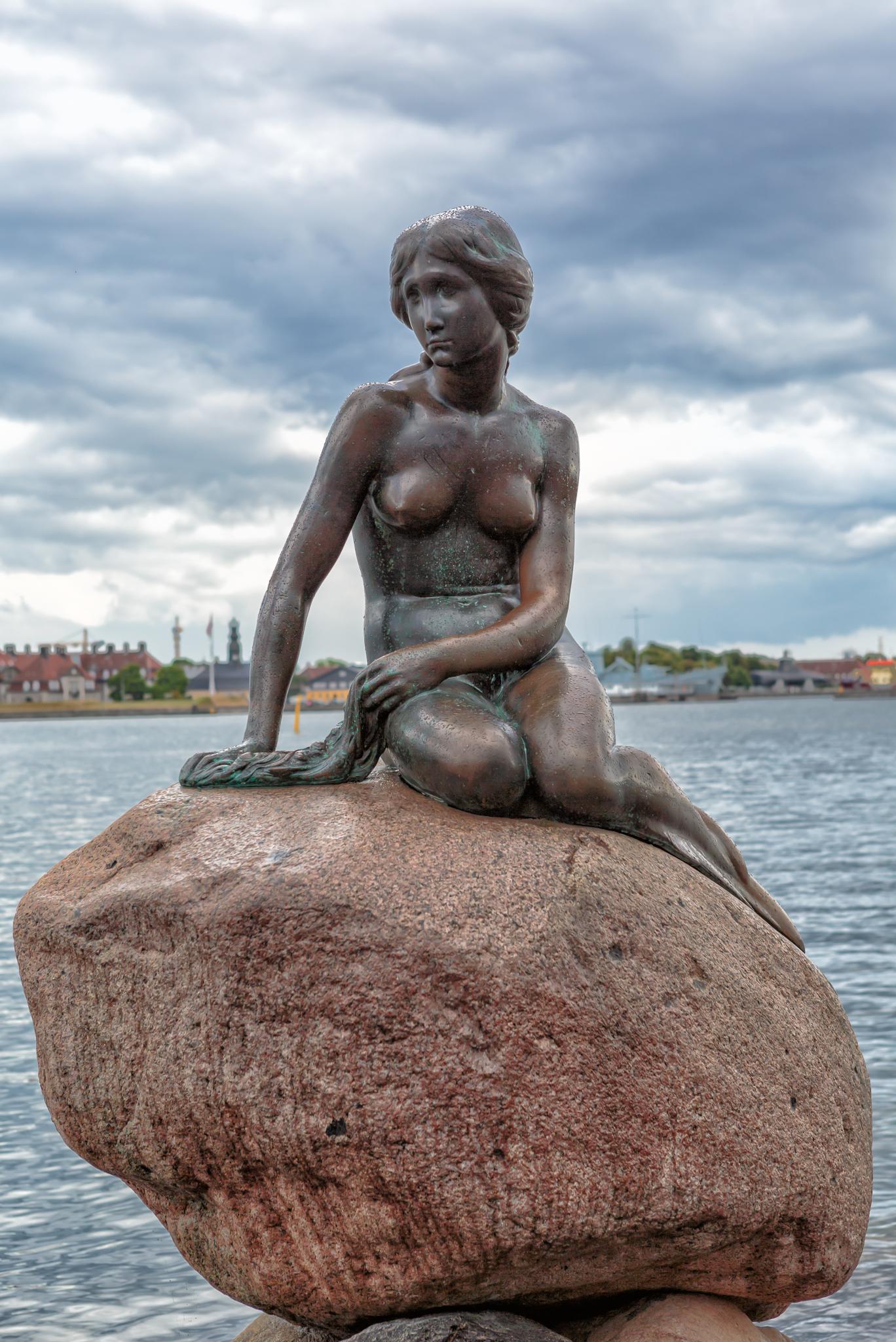
Looking beyond Nørrebros Theater? Discover Copenhagen for broader travel guides, local hot-spots, and regional highlights.
Explore Copenhagen
Denmark’s national museum for nature, where meteorites, minerals, fossils and living plants meet in a leafy corner of central Copenhagen.

Step inside Europe’s oldest workers’ assembly hall to explore 150 years of Danish working-class life, labour struggles and democracy, all in the heart of Copenhagen.
