Ole Rømer Observatory: Aarhus’ Window to the Stars
Historic domed observatory in Aarhus offering inspiring stargazing nights, public tours, and a glimpse into Denmark’s astronomical history atop a leafy city hill.
Ole Rømer Observatory in Aarhus is a historic astronomical landmark offering captivating stargazing experiences, public tours, and a glimpse into Danish scientific heritage. Established in 1911 atop a tranquil hill, it features classic domed architecture, vintage telescopes, and interactive astronomy exhibits. Both science enthusiasts and families find inspiration in its blend of celestial wonder and local history.
A brief summary to Nytorv
- Copenhagen, Indre By, 1450, DK
Local tips
- Check ahead for open evenings as the observatory is typically accessible only on select nights, mostly Mondays.
- Arrive early to secure a spot for telescope viewings, especially during astronomy events or stargazing nights.
- The walk up the hill is gentle but can be slippery in winter, so wear sensible shoes.
- Bring warmer clothes, as nighttime stargazing on the terrace can get chilly even in summer.

Do you manage this location?
Take control to get all the benefits, like improved information, better appearance, and stronger visibility across AI-powered discovery. Learn more
Activate your presenceOther nearby places you may find interesting


Getting There
-
Walking
From Aarhus city center, a walk to the observatory leads you uphill past the leafy parks and residential neighborhoods. The white dome stands visible above the trees atop the rise, making for a scenic 20–30-minute stroll from the Latin Quarter. The pleasant route passes local landmarks and cafés, and is easy to follow for most fitness levels.
-
Public Transport
Buses from the main city hubs, including the central station, run frequently toward the west side near the botanical gardens. From the nearest bus stop, it’s a short 5–10-minute walk up through a quiet residential area. Standard city bus tickets cost around 24–28 DKK one way.
-
Taxi
Taxis from the downtown area reach the observatory in about 10 minutes, with fares averaging 80–120 DKK depending on the time and traffic. Taxis can drop guests at the entrance at the base of the hill.
-
Driving & Parking
For those arriving by car, parking is available along the hill’s approach, though spaces are limited. Municipal metered rates average 18–22 DKK per hour. There are no tolls or special access fees.
Discover more about Nytorv
Explore the best of what Nytorv has to offer















More about Roskilde
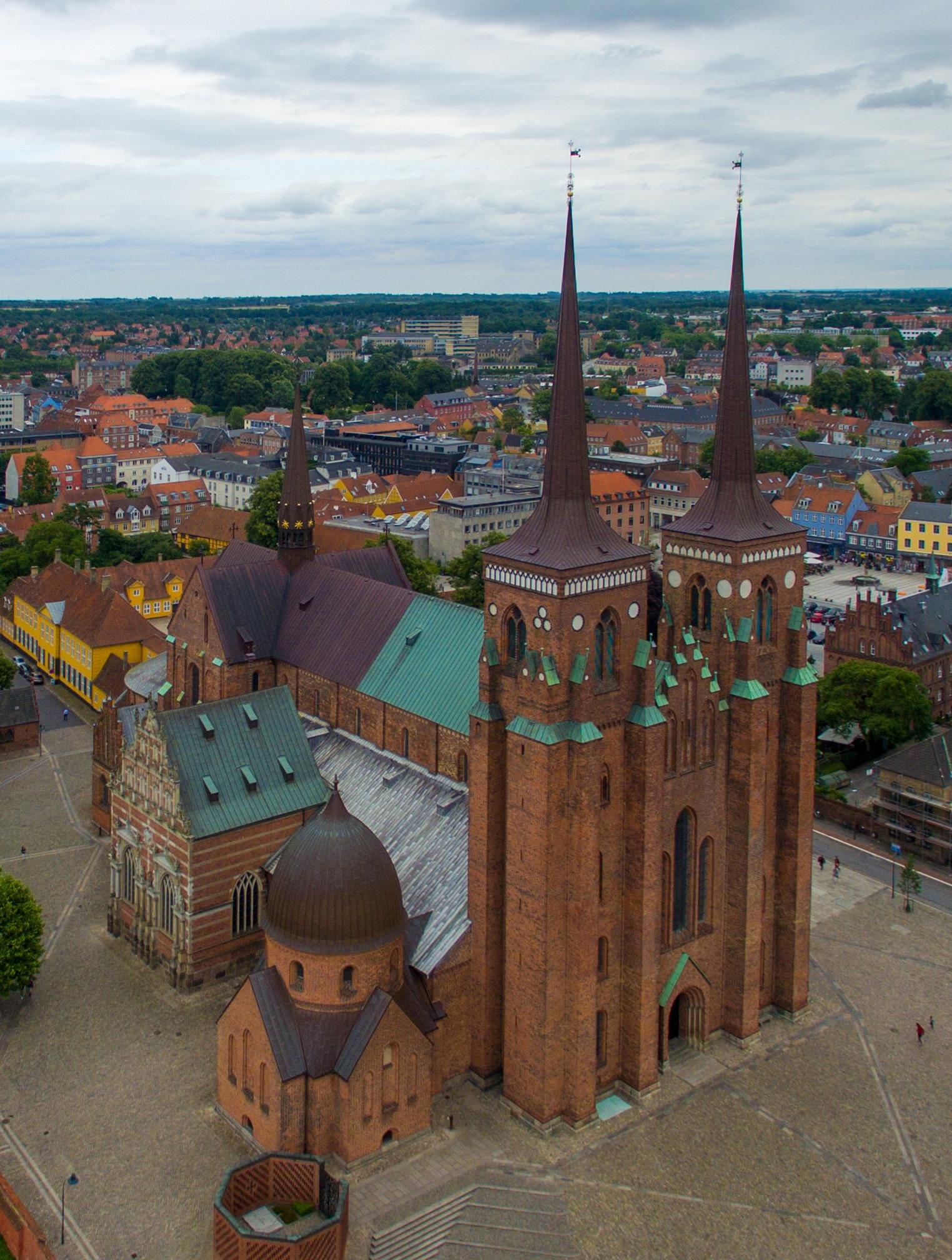
Discover Roskilde: A blend of rich history, Viking heritage, and vibrant music culture in the heart of Denmark, just a short journey from Copenhagen.
Tell me more about Roskilde
A broad, bustling boulevard where Hans Christian Andersen’s legacy meets City Hall Square, Tivoli’s lights, and the everyday pulse of central Copenhagen.

Historic 1890s covered arcade where telephone wires once connected a nation, now a charming shopping passage in Copenhagen's heart.