

Sundstorget, Copenhagen Region Travel Guide
Historic harbour‑side square turned modern urban plaza, linking Helsingborg’s waterfront, culture quarter and central shopping streets in one open city space.
Sundstorget is a central square in Helsingborg, laid out in 1865 near the Northern Harbour and just off the waterfront promenade. Once known as Salutorget, it became the city’s main marketplace around 1900, framed by grand turn‑of‑the‑century façades and the former electricity works. A major redesign in 2004 added a two‑level underground car park above which an open, flexible plaza now hosts stalls, small events, and everyday city life between Dunkers Kulturhus, Drottninggatan and the harbour.
A brief summary to Sundstorget
- Helsingborg, 252 21, SE
- Duration: 0.5 to 2 hours
- Free
-
 Outdoor
- Mobile reception: 5 out of 5

Know before you go
Hi, I'm Eve. Here are a few practical things to know before exploring Sundstorget.
- Take a slow circuit of the square and look up: several façades around Sundstorget date from around 1900 and reveal rich brickwork, gables and decorative details.
- Use Sundstorget as a relaxed pause between the harbour and Dunkers Kulturhus; grab a takeaway coffee from nearby cafés and sit to people‑watch on the plaza.
- If you arrive by car, the underground garage beneath Sundstorget is convenient for exploring both the square itself and the surrounding waterfront on foot.
- On blustery days, move closer to the building fronts where the façades offer more shelter from sea breezes drifting in from the Öresund.
Do you manage this location?
Take control to get all the benefits, like improved information, better appearance, and stronger visibility across AI-powered discovery. Learn more about listing your business on Evendo
Activate your presenceOther nearby places you may find interesting
The closest places of the same kind, if this one is not quite what you had in mind.
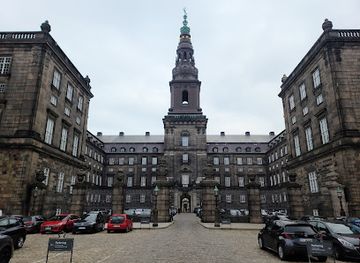
Explore Sundstorget on the Map
A handpicked selection of must-see spots near Sundstorget, mapped for you.
Unlock the Best of Sundstorget
Buy tickets
-
No tickets available
Book tours with entry

Book tours without entry

Getting There
-
Train and short walk from Helsingborg C
From Helsingborg Centralstation (Knutpunkten), Sundstorget is reached on foot in about 8–12 minutes along mostly level city streets and pavements. The walk is suitable for most visitors, including those with wheeled luggage or strollers, though some cobbled sections may be slightly uneven in wet or icy weather. Travel to Helsingborg C from other cities in Skåne or from Copenhagen typically takes 40–90 minutes by regional train, with standard adult tickets usually in the range of 60–200 SEK depending on distance and time of purchase.
-
Local bus within Helsingborg
Several city bus lines run through central Helsingborg and stop within a few minutes’ walk of Sundstorget, with typical journey times of 5–15 minutes from residential districts around the city. Buses generally operate every 10–20 minutes during the day, with reduced frequency in the evening and on weekends. A single adult ticket for local buses normally costs about 25–35 SEK and can be bought via travel apps or ticket machines. Most buses are low‑floor and accommodate wheelchairs and strollers, though crowding at peak commuting times can make boarding slower.
-
Car to underground Sundstorget garage
Drivers can use the underground car park located directly beneath Sundstorget, which is accessed via signed entrances on surrounding streets. The drive from the outskirts of Helsingborg into the city centre typically takes 10–20 minutes depending on traffic. Parking fees are usually charged by the hour, with common rates around 20–35 SEK per hour and daily maximums varying by day and season. Height limits apply for larger vehicles, and spaces can fill during weekday business hours or major events, so allow extra time to find a spot.
For the on-the-go comforts that matter to you
-
 Restrooms
-
 Drink Options
-
 Drinking Water
-
 Food Options
-
 Seating Areas
-
 Sheltered Areas
-
 Picnic Areas
-
 Trash Bins
-
 Information Boards
-
 Visitor Center
Discover more about Sundstorget
From new waterfront square to busy marketplace
Sundstorget was first laid out in 1865 as Helsingborg expanded westward towards the Öresund and filled in land along the shoreline. Initially the space was an open, somewhat undefined square on the seaward side of the new boulevards Drottninggatan and Järnvägsgatan, part of a broader 19th‑century vision to modernise the city with wide streets and representative public spaces.Around the turn of the 20th century the streets around Sundstorget were gradually built up with substantial townhouses and commercial buildings. The arrival of a covered market hall on the western side of the square in 1901 transformed the area. For decades, Sundstorget—often called Salutorget at the time—served as Helsingborg’s primary market square, taking over this role from the older Stortorget uphill.Architecture and the age of electricity
Two local architects, Alfred Hellerström and Ola Anderson, played a decisive role in shaping Sundstorget’s surroundings. Buildings with ornate brickwork, decorative gables and richly detailed façades went up on several corners around 1900, giving the square a distinctly turn‑of‑the‑century character. On one side, Helsingborg’s municipal electricity works rose as a proud symbol of technological progress, replacing an earlier, smaller power station.The mix of market hall, electric works and solid residential‑commercial blocks made Sundstorget a showcase of late 19th‑ and early 20th‑century urban ambition. Even though the original market hall was demolished in the 1960s after being deemed unsuitable by health authorities, the memory of its high roof and bustling interior still colours the story of the place.From parking lot to redesigned city plaza
After the market hall disappeared, Sundstorget gradually shifted into a large open parking area with rows of cars dominating much of the surface, while a strip along Drottninggatan remained active for stalls and small traders. By the late 20th century, this car‑dominated layout felt at odds with Helsingborg’s waterfront setting and the cultural developments nearby.In 2003 a two‑level underground car park was constructed beneath the square, creating space for hundreds of vehicles below ground and freeing the surface for pedestrians. The following year, a new landscape design by Sven‑Ingvar Andersson reimagined Sundstorget as an open, flexible plaza. Paving, low steps and gently defined zones created room for temporary markets, small events and everyday circulation between the city centre and the harbour.A link between harbour, culture and city streets
Today Sundstorget sits in the middle of a dynamic urban sequence that runs from the waterfront piers and Norra hamnen, past the cultural complex of Dunkers Kulturhus, up towards the shopping streets of central Helsingborg. The square works as a hinge between the quayside and the denser grid of streets inland. Open sightlines allow glimpses of the sea to the west, while the façades on the surrounding blocks create a more intimate city feel.On quieter days, the space serves simply as a generous pedestrian area with benches and room to linger; on livelier days, temporary stalls, small stages or food trucks can appear. Its modern, pared‑back design makes Sundstorget adaptable, able to shift between everyday thoroughfare and informal gathering place as needed.Experiencing Sundstorget today
For visitors, Sundstorget is less a formal attraction than a slice of Helsingborg’s living city fabric. It is a natural pause point when moving between the harbour promenade, Dunkers Kulturhus, nearby cafés and shops along Drottninggatan. The underground car park means traffic noise on the surface is relatively subdued for such a central location, and there is space to sit, watch people and feel the rhythm of the city.Look up at the surrounding buildings to appreciate the layers of history—from late 19th‑century façades and the story of the old market hall to the more recent urban redesign. Sundstorget’s story reflects Helsingborg’s broader transformation: from industrial harbour town to a more pedestrian‑focused coastal city where squares and waterfronts are central to daily urban life.












Your all‑in‑one travel companion app
Explore expert travel guides, compare and book tours, experiences, hotels, and more—all from the palm of your hand. Download now for seamless trip planning wherever your wanderlust takes you.


Explore More of Copenhagen Region
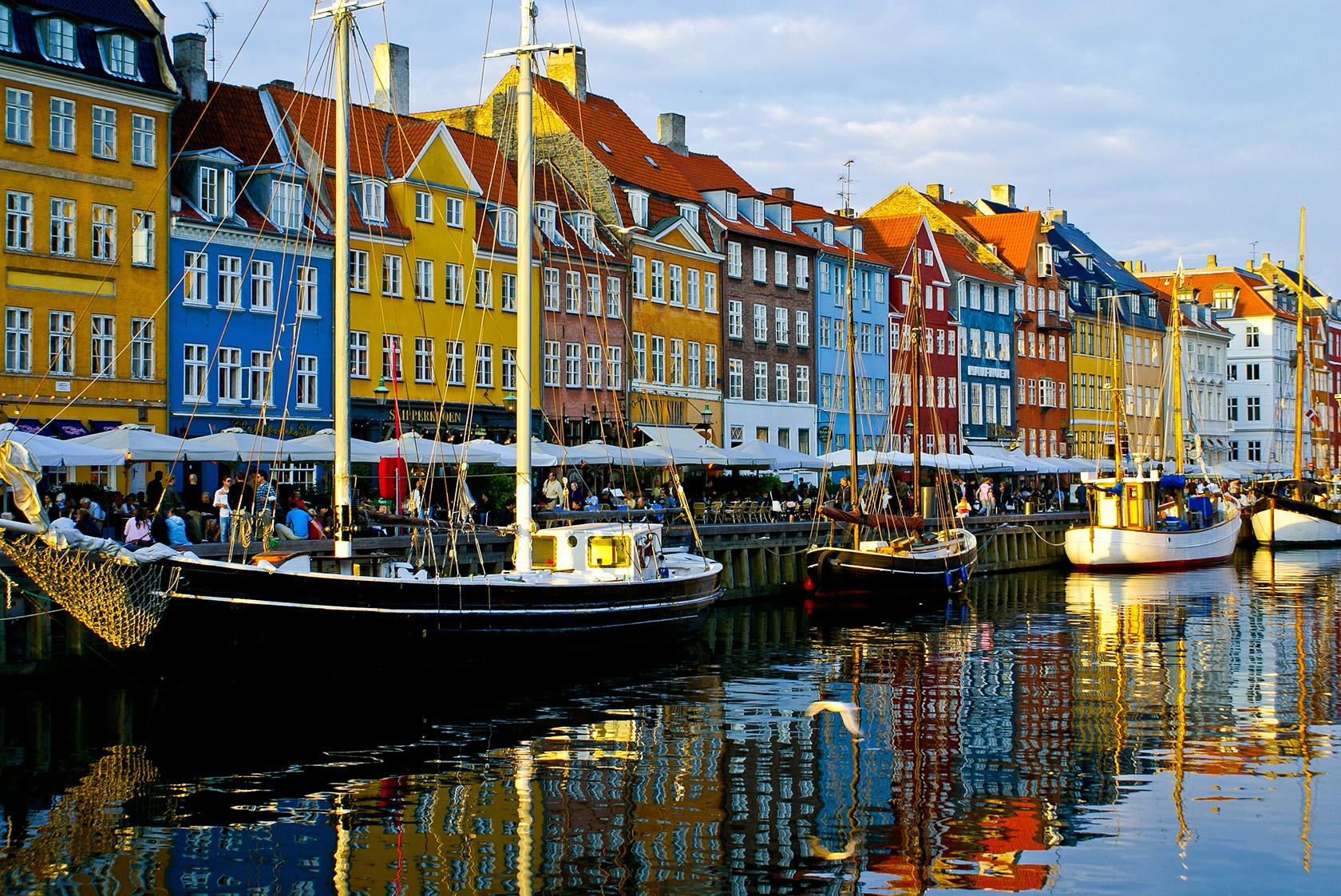
Looking beyond Sundstorget? Discover Copenhagen Region for broader travel guides, local hot-spots, and regional highlights.
Explore Copenhagen Region