
Nørrebrogade, Copenhagen Travel Guide
Copenhagen's creative heartbeat: independent design, multicultural energy, and authentic Nordic cool.
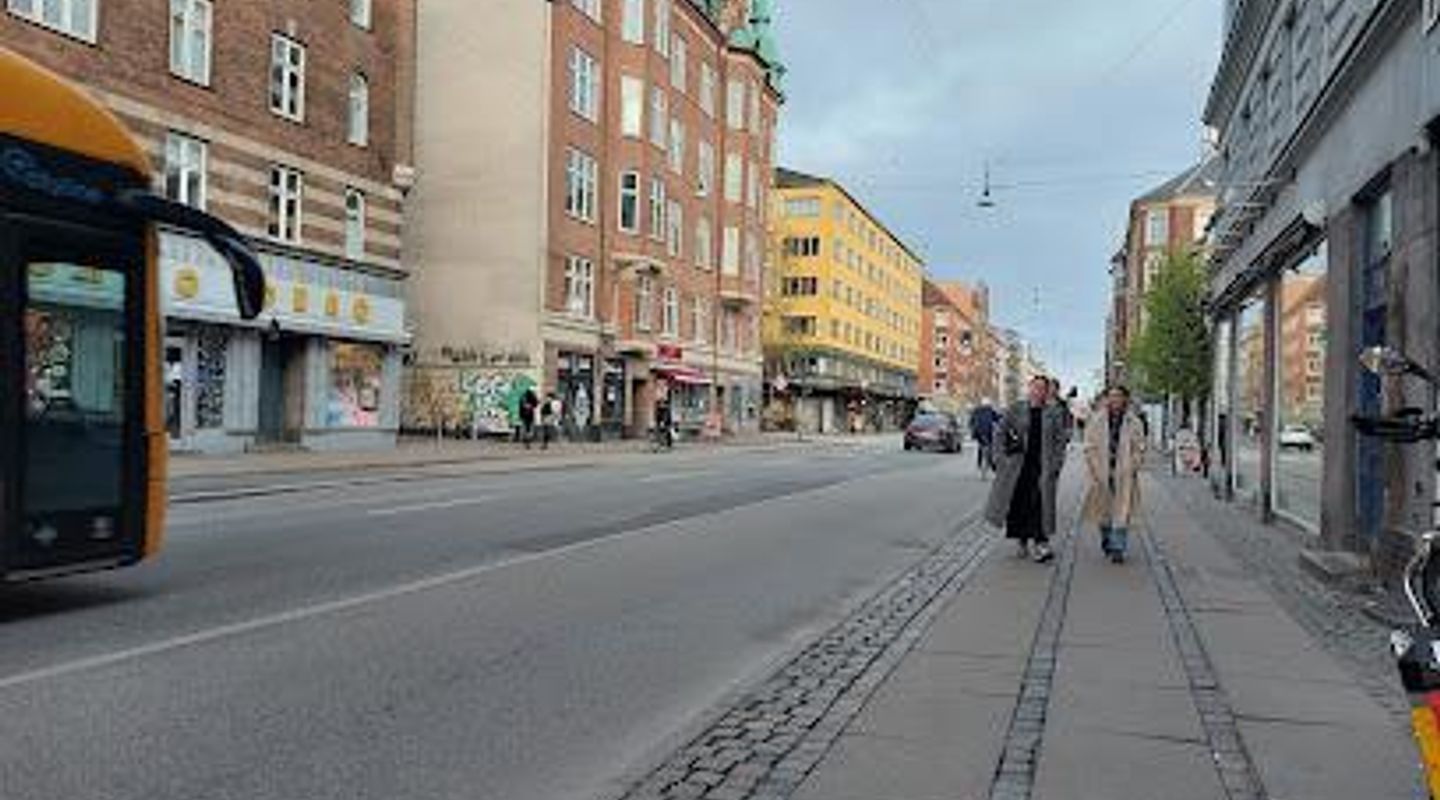
Nørrebrogade is Copenhagen's principal shopping street and the beating heart of the vibrant Nørrebro district. Stretching approximately 2.15 kilometers from The Lakes to Nørrebro station, this dynamic thoroughfare showcases independent boutiques, vintage shops, international design brands, and eclectic cafés. The street passes Assistens Cemetery, Nørrebro Runddel, and the Superkilen linear park, offering an authentic, multicultural Copenhagen experience far removed from mainstream tourist zones.
A brief summary to Nørrebrogade
- Copenhagen, Nørrebro, 2200, DK
- Duration: 2 to 4 hours
- Mid ranged
-
 Outdoor
- Mobile reception: 5 out of 5

Know before you go
Hi, I'm Eve. Here are a few practical things to know before exploring Nørrebrogade.
- Explore the side streets—Jægersborggade, Elmegade, and Blågårdsgade—where the most interesting boutiques, cafés, and restaurants cluster. Each street has distinct character and offers unique shopping experiences.
- Visit Assistens Cemetery and Park to see the graves of Hans Christian Andersen and Søren Kierkegaard while enjoying peaceful green space, then walk down Jægersborggade for the full neighborhood experience.
- Avoid eating on the main street's tourist-oriented spots; instead, venture into side streets and smaller establishments for authentic, affordable Danish and international cuisine.
- Come for vintage shopping and sustainable fashion—Nørrebro specializes in second-hand finds and ethically produced goods at reasonable prices compared to mainstream Copenhagen shopping.
- Visit on weekends when the street is most vibrant with pedestrian traffic, outdoor café seating, and full shop hours, though weekday mornings offer a quieter, more local atmosphere.
Do you manage this location?
Take control to get all the benefits, like improved information, better appearance, and stronger visibility across AI-powered discovery. Learn more about listing your business on Evendo
Activate your presenceOther nearby places you may find interesting
The closest places of the same kind, if this one is not quite what you had in mind.


Explore Nørrebrogade on the Map
A handpicked selection of must-see spots near Nørrebrogade, mapped for you.
Unlock the Best of Nørrebrogade
Buy tickets
-
No tickets available
Book tours with entry


Book tours without entry

Getting There
-
Metro & S-train
Nørrebro station is directly accessible via the S-train Ring Line (approximately 15–20 minutes from central Copenhagen's Nørreport station) and the City Circle Line metro. Journey times from central stations range from 8–15 minutes depending on your starting point. The station is located at the northwest end of Nørrebrogade. Single journey tickets cost approximately 24–36 DKK depending on zones traveled.
-
Bus
Bus line 5C runs directly through Nørrebrogade, connecting the street to central Copenhagen and surrounding areas. Journey times from central stations typically range from 15–25 minutes. Buses run frequently throughout the day (every 5–10 minutes during peak hours). Single tickets cost approximately 24 DKK; day passes and multi-journey cards offer better value for multiple trips.
-
Bicycle
Copenhagen's extensive cycling infrastructure makes Nørrebrogade easily accessible by bike from central areas. The journey from Nørreport takes approximately 10–15 minutes via dedicated cycle lanes. Bike rental is widely available throughout Copenhagen at approximately 60–100 DKK per day. Nørrebrogade has bike parking facilities along the street.
-
Walking
From central Copenhagen (Nørreport area), Nørrebrogade is accessible via a 25–35 minute walk crossing The Lakes via Queen Louise's Bridge. The route is flat, well-marked, and passes through pleasant urban areas. Walking allows you to approach the neighborhood gradually and discover side streets organically.
For the on-the-go comforts that matter to you
-
 Restrooms
-
 Drink Options
-
 Drinking Water
-
 Food Options
-
 Seating Areas
-
 Trash Bins
-
 Information Boards
Discover more about Nørrebrogade
The Soul of Nørrebro's Creative Renaissance
Nørrebrogade is the principal shopping street and cultural artery of Copenhagen's Nørrebro district, stretching approximately 2.15 kilometers from The Lakes in the southeast to Nørrebro railway station in the northwest. Once a restricted zone outside Copenhagen's fortifications, the street has transformed into one of Europe's most vibrant and creative neighborhoods. The street links Frederiksborggade and Queen Louise's Bridge with Frederikssundsvej, passing significant landmarks including Assistens Cemetery, Nørrebro Runddel, and the Superkilen linear park.The neighborhood's evolution from a gritty, marginalized area known for squat parties and drug-related incidents into a thriving hipster mecca represents one of Copenhagen's most dramatic urban transformations. Today, Nørrebrogade pulses with creative energy, attracting artists, designers, entrepreneurs, and travelers seeking an authentic, multicultural Copenhagen experience that contrasts sharply with the commercialized Strøget shopping district.Independent Retail and Design Culture
Nørrebrogade and its tributary streets form a wonderland of independent fashion and design shops unlike anywhere else in Copenhagen. The street is lined with handcrafted goods, minimalist one-offs, and contemporary street styles curated by passionate shop owners rather than corporate chains. Vintage and second-hand fashion dominates, with stores like Wilen offering carefully curated y2k and vintage pieces, while Resecond provides sustainable fashion options for environmentally conscious shoppers.Design-focused boutiques showcase Danish minimalism and Scandinavian craftsmanship. Keramiker Inge Vincents Studio Shop offers unique paper-thin ceramics occupying the space between craft and fine art, while Wilgart, run by capmaker Silas Skram, sells handmade and bespoke hats from a workshop on nearby Jægersborggade. Fünf features three independent womenswear designers creating distinct collections, and Gågrøn guarantees every item is sustainably sourced and produced. Le Fix, deeply rooted in Copenhagen's street culture, has grown into one of the city's most recognized lifestyle brands blending art, tattoos, and contemporary urban trends.Culinary and Café Culture
Nørrebrogade is celebrated for offering some of Copenhagen's best street food, particularly shawarma, alongside a thriving café and restaurant scene. The street provides ideal sidewalk lounging with coffee or drinks, embodying the Danish concept of hygge. Nearby Jægersborggade, a cobblestoned miracle at the edge of Assistens Cemetery, has experienced a boom in gastronomy over the past decade, hosting natural wine temples like Terroiristen and specialty coffee institutions such as The Coffee Collective. Meyers Bageri on Jægersborggade is renowned for its superb baked goods, including the famous kanelsnegle with chocolate.Blågårdsgade, a pedestrian-only street in close proximity to the lakes, presents a clash of cultures with vibrant green grocers and the aromas of diverse world cuisines lining the narrow stretch. This multicultural food scene reflects Nørrebro's transformation into a genuinely international neighborhood.Historical Landmarks and Green Spaces
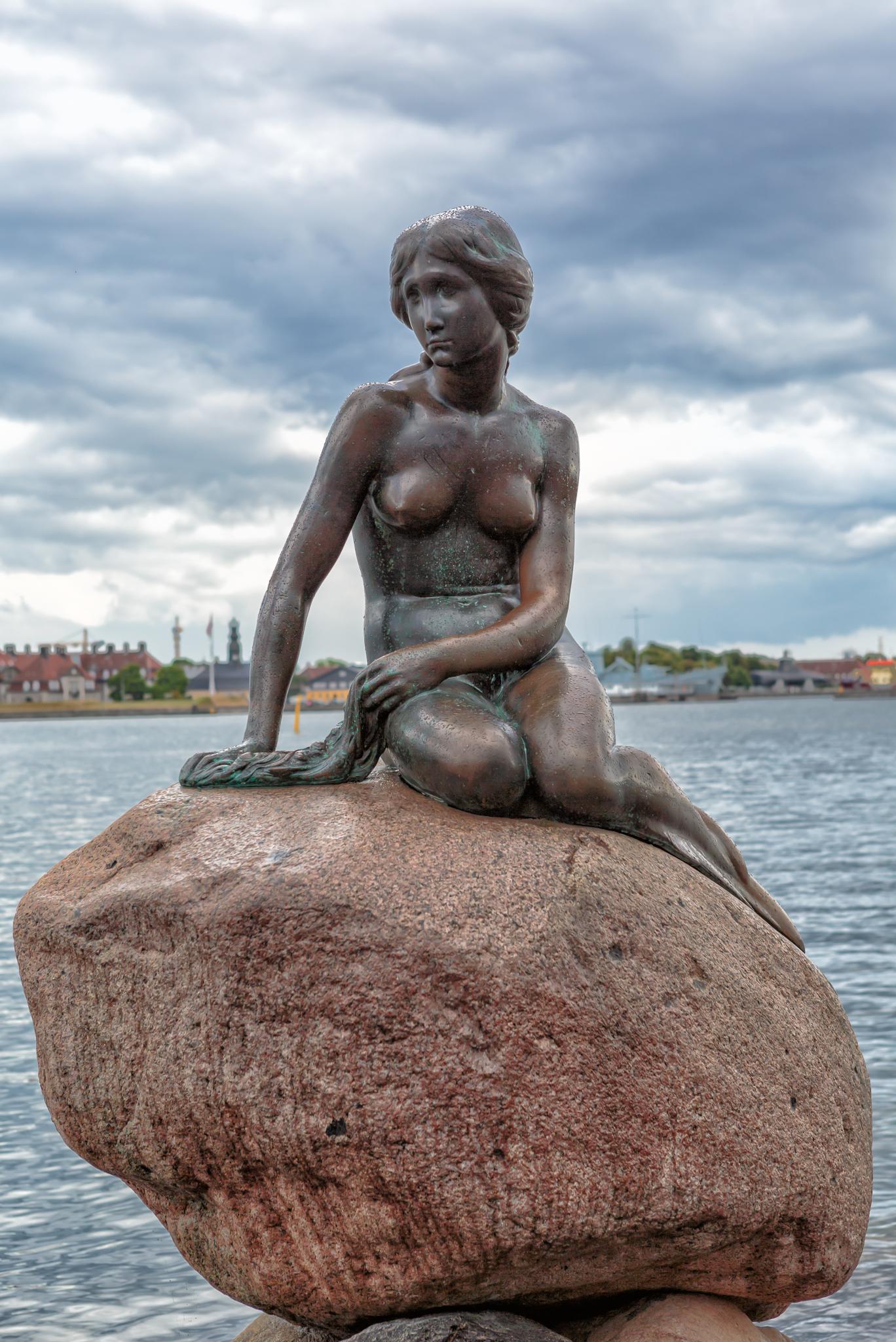
Assistens Cemetery and Park, accessible from the neighborhood, holds profound historical significance as the burial place of famous Danes including Hans Christian Andersen, author of beloved fairy tales like The Little Mermaid and The Emperor's New Clothes, and Søren Kierkegaard, Denmark's most celebrated philosopher. The cemetery provides peaceful green space amid urban energy. Nørrebrohallen, a former carriage house at No. 208 Nørrebrogade, now functions as a multipurpose venue hosting cultural events. The street also features two churches and the striking Superkilen linear park, a colorful public space celebrating global culture through design.Architectural Character and Urban Evolution
Nørrebrogade's architecture reflects its evolution from a restricted outer zone to a vibrant urban center. Historic buildings include No. 198, the former headquarters of Atlas, a Danish machine factory and iron foundry designed by Alfred Thomsen, with a painted advertisement for Atlas refrigerators still visible on the gable of No. 200. The street's three distinct sections—from Sortedam Dossering to Nørrebros Runddel, from Runddel to Superkilen, and from Superkilen to Nørrebro Station—each possess their own character while maintaining cohesive neighborhood identity.Access and Transportation
Nørrebro station at the street's north end sits on the S-train system's Ring Line and hosts one of the stations on the City Circle Line of the Copenhagen Metro. Another City Circle Line station is located at Nørrebro Runddel. Bus line 5C runs through the street, providing convenient public transport connections. The street's accessibility via multiple transit options makes it easily reachable from central Copenhagen while maintaining its distinct neighborhood identity separate from tourist-heavy zones.












Your all‑in‑one travel companion app
Explore expert travel guides, compare and book tours, experiences, hotels, and more—all from the palm of your hand. Download now for seamless trip planning wherever your wanderlust takes you.


Explore More of Copenhagen
Looking beyond Nørrebrogade? Discover Copenhagen for broader travel guides, local hot-spots, and regional highlights.
Explore Copenhagen