

Sundstorget, Helsingor Travel Guide
Free Guide: Historic harbourfront square turned modern civic space, Sundstorget links Helsingborg’s seafront, culture district and shopping streets in one open, urban stage.


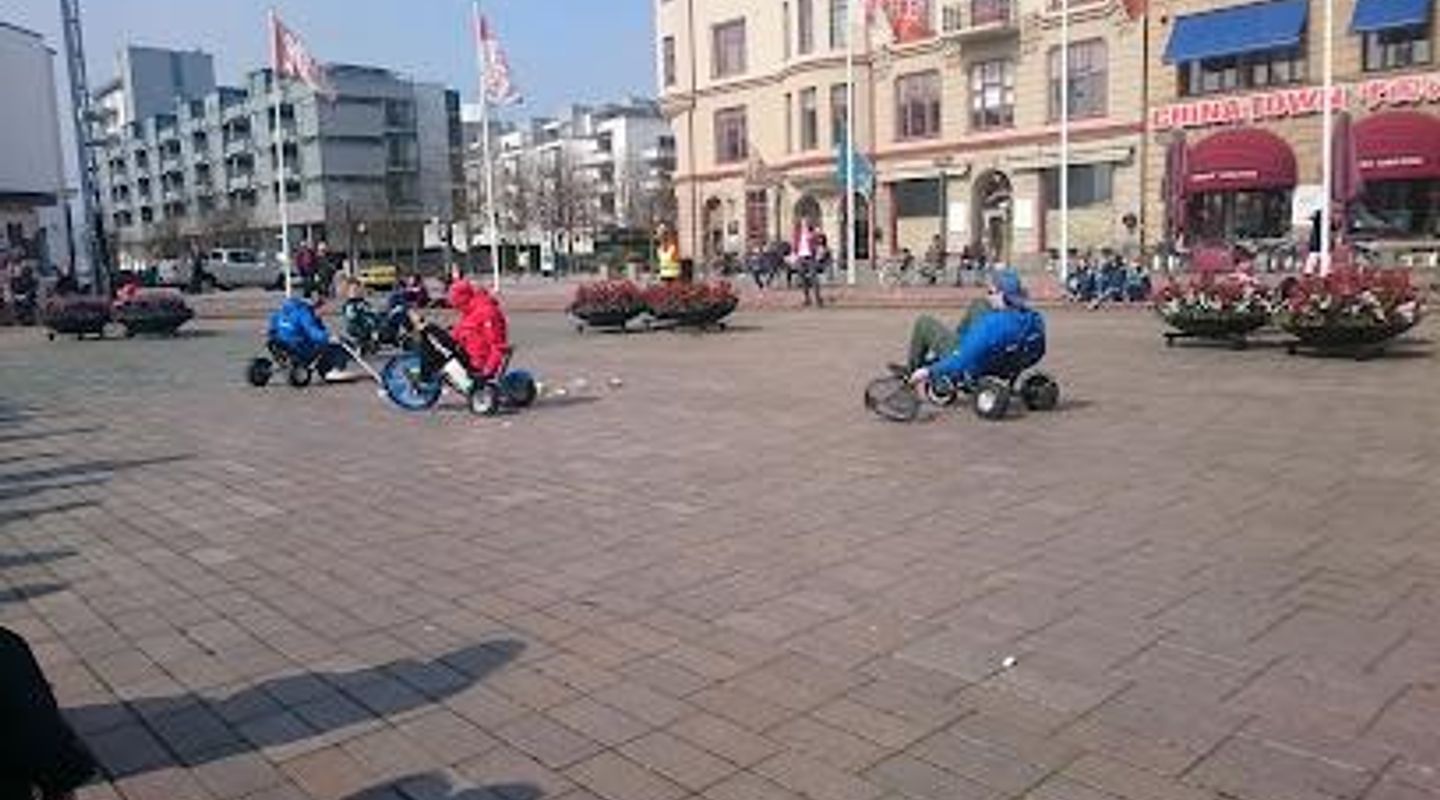
A brief summary of Sundstorget
Historic harbourfront square turned modern civic space, Sundstorget links Helsingborg’s seafront, culture district and shopping streets in one open, urban stage.
Sundstorget is a central square in Helsingborg, laid out in 1865 near Norra Hamnen and reshaped in 2004 into a bright, open urban space above a large underground car park. Once known as Salutorget for its grand market hall, it shifted the city’s trade from Stortorget around 1900 and still feels like a hinge between the waterfront, Dunkers kulturhus and the shopping streets. Today it mixes everyday life, events and glimpses of Helsingborg’s mercantile past.
On-site amenities
 Restrooms
 Drink options
 Drinking water
 Food options
 Seating areas
 Sheltered areas
 Trash bins
 Information boards
- Address
- 252 21 Helsingborg
Getting there
Train and short walk
Local bus within Helsingborg
Bicycle from central Helsingborg
Car to the underground garage
Discover more about Sundstorget
From new waterfront square to city marketplace
Sundstorget was laid out in 1865 as part of Helsingborg’s westward expansion towards the Öresund, on land reclaimed during the city’s industrial boom. It lies just west of Drottninggatan, close to Norra hamnen, and was conceived as a generous open square in a new grid of streets that would give the growing port city a modern centre. For a few decades it remained relatively open and underdeveloped, more a promise on the map than a fully formed urban room.Around the turn of the 20th century, Sundstorget finally took shape as a true city square. Substantial perimeter blocks rose on its edges, giving a defined, almost theatrical frame to the open space. At the same time, Helsingborg was transforming from a small coastal town into a bustling commercial hub, and Sundstorget was poised to become the stage for this new urban life.
Saluhall days and the rise of Salutorget
The key moment came in 1901, when a grand covered market hall, Saluhallen, opened along the western side of the square. With its brick architecture and bustling stalls, the hall signalled that Sundstorget was now the city’s principal trading ground. Markets spilled out onto the cobbles, and the square acquired the everyday name Salutorget, underlining its role as Helsingborg’s marketplace in contrast to Stortorget, which gradually became the representative parade square.For decades, food traders, farmers and shoppers animated Sundstorget from morning to late afternoon. The proximity to the harbour made it an ideal place for fresh produce and fish to reach the town’s residents. The square’s architecture reflected this confident era, with buildings by prominent architects of the time shaping the surrounding streetscape. Yet change was always on the horizon as hygiene standards, logistics and retail habits evolved.
Demolition, cars and a changing city centre
In 1966, the historic Saluhall was condemned on sanitary grounds and subsequently demolished, a loss that altered both the skyline and identity of the square. In the following decades Sundstorget mirrored many European city centres: the rise of the car turned much of the surface into an open parking area, with market stalls pushed towards the edges along Drottninggatan. Instead of the dense market life of earlier years, rows of vehicles came to dominate the scene.This shift changed how people used the square. It remained a central landmark, but the space became more of a transit zone between harbour, shopping streets and cultural venues. Still, Sundstorget’s location meant it never lost its strategic importance. The question was how to adapt it to contemporary urban life without erasing its layered history.
21st‑century redesign and underground garage
A major transformation arrived in the early 2000s. In 2003 a two-level underground parking garage with space for hundreds of cars opened beneath the square, freeing the surface from the clutter of parked vehicles. The following year Sundstorget was completely reshaped according to a new landscape design, with a focus on open sightlines, flexible event space and easier pedestrian movement between the city centre and the waterfront.Today the square reads as a broad, mostly hard-paved urban plateau, with carefully placed seating and trees softening the edges. The redesign emphasizes Sundstorget’s role as a connector: to the west lie the harbour and coastal promenades; to the east the shopping streets; and just nearby, Dunkers kulturhus anchors a cultural corridor along the water. The square’s scale allows for markets, public gatherings and seasonal activities without feeling cramped.
A meeting place between everyday life and the sea
For visitors, Sundstorget offers a snapshot of contemporary Helsingborg framed by its past. You might see commuters crossing between buses and ferries, people pausing with takeaway coffee on the steps, or temporary installations occupying parts of the open surface. The sea is only a short glance away, and breezes often carry the sound of gulls and the faint hum of ferries heading across the strait.Architecturally, the surrounding buildings hint at the city’s turn-of-the-century optimism, even though the original market hall is gone. The layered story—from reclaimed shoreline to bustling Salutorget, from car park to carefully designed civic space—makes Sundstorget less about individual monuments and more about the evolving life of a port city. It is a place to pass through, but also to pause and sense how Helsingborg has continually reimagined its front facing the water.
Evendo Review Centre
 Google
Guest reviews
Best time to go
Quietest: Jan, Feb & Mar · before 3am
Busy times are Evendo estimates for a typical year, to help you plan. Actual crowds vary with events, school holidays and the weather.
Explore Sundstorget on the map
A handpicked selection of must-see spots near Sundstorget, mapped for you.
Get your free copy of our complete guide to Sundstorget, delivered straight to you.
Everything on this page, from opening hours and how to get there to Eve’s tips and the best time to go, in one PDF you can read offline, print or share.
Already have an account? Sign in
Your Sundstorget guide is ready.
We'll send it to · Not you? Sign out

Getting your guide ready…
We are putting together a fresh copy of the Sundstorget guide. This can take up to a minute.
This can take a few moments. If your browser asks, choose Allow so the download can start. You'll find the guide in your Downloads folder.
Nothing happened? Download it again
Sorry, the guide is taking longer than usual. Please try again in a minute, or get it by email instead.
Unlock the best of Sundstorget
Skip-the-line tickets, guided tours with entry, and walking tours of the area, booked in a few clicks.

Other nearby places you may find interesting
The closest places of the same kind, if this one is not quite what you had in mind.
-
-
-
-
-


Swipe for more places
More to explore near Sundstorget

 Best experiences near Sundstorget
 Best hotels near Sundstorget
 Best landmarks near Sundstorget
 Best attractions near Sundstorget
 Best shops near Sundstorget
 Best restaurants near Sundstorget
 Best bars near Sundstorget
Do you manage this location?
Take control to get all the benefits, like improved information, better appearance, and stronger visibility across AI-powered discovery.
Explore more

Explore more of Helsingor
Discover Helsingør, Denmark's historic coastal city, home to Kronborg Castle and a vibrant cultural scene, offering a blend of history, scenic beauty, and local charm.
Explore Helsingor
Explore more of Denmark
Discover Denmark: A perfect blend of history, modern design, and the cozy concept of hygge. Explore vibrant cities, serene landscapes, and world-class cuisine.
Explore Denmark
