Nørrebro
Copenhagen's most vibrant multicultural neighbourhood where creative energy, street culture, and authentic local life converge.
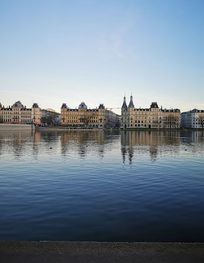
Nørrebro is Copenhagen's most vibrant and culturally diverse neighbourhood, transformed from a working-class district into a creative hub brimming with independent shops, street art, and multicultural cuisine. Located north of the city centre across the iconic Dronning Louise's Bridge, this densely populated area pulses with café culture, vintage boutiques, and a distinctly local atmosphere that attracts young professionals, creatives, and community-minded visitors seeking authentic Copenhagen.
A brief summary to Nørrebro
- Copenhagen, Nørrebro, DK
- Duration: 2 to 4 hours
- Mid ranged
-
 Outdoor
- Mobile reception: 5 out of 5

Know before you go
Hi, I'm Eve. Here are a few practical things to know before exploring Nørrebro.
- Explore Jægersborggade on a sunny day to experience the neighbourhood's creative heart—browse independent boutiques, vintage shops, and artisanal cafés, then grab organic coffee or pastries at Meyer's bakery.
- Visit Assistens Kirkegård not just for its historical significance (Hans Christian Andersen and Søren Kierkegaard are buried here) but as a peaceful green space where locals gather to relax and socialise.
- Rent a bicycle to experience Nørrebro like a local—the neighbourhood is exceptionally bike-friendly, and cycling across the iconic Dronning Louise's Bridge offers a quintessential Copenhagen experience.
- Discover multicultural cuisine throughout the neighbourhood—seek out authentic shawarma, ramen, tacos, and other international dishes that reflect Nørrebro's diverse immigrant communities.
- Wander the quiet side streets away from Norrebrogade to find hidden cafés, vintage treasures, and street art that capture the neighbourhood's authentic creative spirit away from main thoroughfares.
Do you manage this location?
Take control to get all the benefits, like improved information, better appearance, and stronger visibility across AI-powered discovery. Learn more
Activate your presenceOther nearby places you may find interesting

Getting There
-
Metro & Train
From Copenhagen Central Station, take the S-train or metro towards Nørreport Station (approximately 5–8 minutes). Nørreport is the central transport hub connecting much of Copenhagen's network and places you at the southern edge of Nørrebro, within walking distance of major streets like Norrebrogade. Alternatively, take the metro line M1 or M2 directly to Nørreport. Single journey tickets cost approximately 24–36 DKK (3–5 USD) depending on zones.
-
Bicycle
Rent a bicycle from numerous rental shops throughout Copenhagen (typically 60–100 DKK or 8–13 USD per day). From the city centre, cycle north across the iconic Dronning Louise's Bridge, which connects central Copenhagen directly to Nørrebro's main street, Norrebrogade. The bridge is one of the world's busiest cycling routes and takes approximately 5–10 minutes to cross depending on traffic. This is the most authentic way to experience the neighbourhood like a local.
-
Bus
Multiple bus routes serve Nørrebro from central Copenhagen, including lines 5C, 6A, 14, and others that run along Norrebrogade and connect to surrounding areas. Journey times from the city centre are approximately 10–15 minutes depending on traffic and your starting point. Single tickets cost approximately 24–36 DKK (3–5 USD). Buses are frequent and reliable, though cycling or metro are often faster during peak hours.
-
Walking
From central Copenhagen near the lakes (Søerne), Nørrebro is accessible on foot via the Dronning Louise's Bridge or surrounding paths. The walk from Nørreport area takes approximately 10–15 minutes depending on your destination within the neighbourhood. Walking allows you to experience the transition from central Copenhagen to Nørrebro's distinct character and is pleasant, though cycling is more practical for covering greater distances within the large neighbourhood.
For the on-the-go comforts that matter to you
-
 Restrooms
-
 Drink Options
-
 Drinking Water
-
 Food Options
-
 Seating Areas
-
 Picnic Areas
-
 Trash Bins
-
 Information Boards
Discover more about Nørrebro
A Neighbourhood Reborn: From Working-Class District to Creative Epicentre
Nørrebro's transformation tells a compelling story of urban renewal and cultural evolution. Once known as a run-down working-class district with a reputation for squat parties and street unrest, the neighbourhood has blossomed into one of Europe's coolest cultural destinations. This metamorphosis reflects Copenhagen's broader embrace of creative energy and grassroots community spirit. Today, Nørrebro stands as the most densely populated neighbourhood in the Danish capital, home to a remarkable mix of young professionals, artists, entrepreneurs, and immigrant communities that collectively create its distinctive multicultural character.The Pulse of Street Culture and Independent Commerce
Walking through Nørrebro's streets reveals a neighbourhood where creativity flourishes at every corner. Jægersborggade, arguably Copenhagen's most hip street, exemplifies this spirit—a single block crammed with independent boutiques, designer shops, organic cafés, vintage treasures, and quirky plant shops. The street gained international attention when chef Christian Puglisi opened a Michelin-starred restaurant here, transforming the area into a hotspot for trendy establishments and artisanal craftsmanship. Blågårdsgade, a pedestrian street lined with cafés and shops, offers a more relaxed atmosphere perfect for lingering with friends or a good book. Unlike many urban neighbourhoods, Nørrebro deliberately resists large chain stores and shopping malls, instead celebrating locally owned businesses that reflect the area's values of sustainability, creativity, and community.Cycling Culture and Urban Connectivity
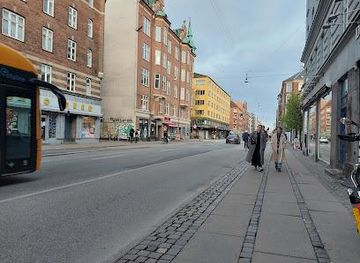
Nørrebro's relationship with bicycles is legendary. The Dronning Louise's Bridge, which connects the neighbourhood to central Copenhagen, ranks among the world's busiest bicycle highways, with approximately 40,000 cyclists crossing daily—a figure tracked by a digital meter on the bridge itself. This cycling infrastructure reflects broader Danish urban planning philosophy and makes Nørrebro exceptionally accessible from the city centre. The neighbourhood's location just north of Copenhagen's lakes positions it perfectly for those seeking to balance proximity to major attractions with a distinctly local, less touristy experience. The main street, Norrebrogade, carries significant foot and bicycle traffic but remains enjoyable to navigate, with quiet side streets offering respite from the busier thoroughfares.Green Spaces and Community Gathering Places
Despite its urban density, Nørrebro offers several beloved outdoor spaces that serve as community anchors. Assistens Kirkegård (Assistens Cemetery) functions as a hybrid space—part historic churchyard, part city park—where locals gather to relax, socialise, and reflect. The cemetery holds particular historical significance as the burial place of Hans Christian Andersen, Denmark's world-famous author of fairy tales, and Søren Kierkegaard, the nation's most celebrated philosopher. Superkilen park represents another important community space, designed with diversity at its heart and serving as a public recreational area that reflects the neighbourhood's multicultural identity. These green spaces provide essential breathing room within the densely packed residential and commercial landscape.Multicultural Dining and Global Flavours
Nørrebro's reputation as Copenhagen's most culturally diverse neighbourhood manifests most deliciously in its food scene. The neighbourhood has become a destination for exceptional international cuisine—from the best shawarma to authentic ramen joints and tacos that locals consider unmissable. This culinary diversity reflects the neighbourhood's immigrant communities and creative food entrepreneurs who have established themselves here. Independent cafés, organic coffee roasters, and artisanal bakeries like Meyer's punctuate the streetscape, creating a café culture that defines daily life in Nørrebro. The neighbourhood's food market culture and restaurant scene continue to evolve, attracting both residents and visitors seeking authentic, globally influenced dining experiences.Architecture and Urban Character
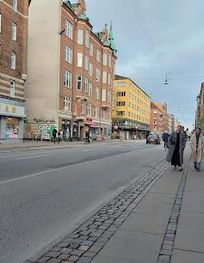
Nørrebro's physical landscape is defined by classic brick apartment buildings, predominantly four-storey structures that characterise much of Copenhagen's residential architecture. The neighbourhood's layout doesn't follow the rigid grid pattern of newer city areas, instead featuring an organic street plan that developed gradually from the city centre outward. This creates numerous quiet side streets and unexpected corners that reward exploration. The human-centric design blends residential and commercial space seamlessly, with shops occupying street-level frontages and homes above—a mixed-use model that keeps the neighbourhood vibrant throughout the day and evening. Historic buildings stand alongside modern architecture, creating visual interest and reflecting the neighbourhood's evolution across different eras.Explore the best of what Nørrebro has to offer













More about North Zealand
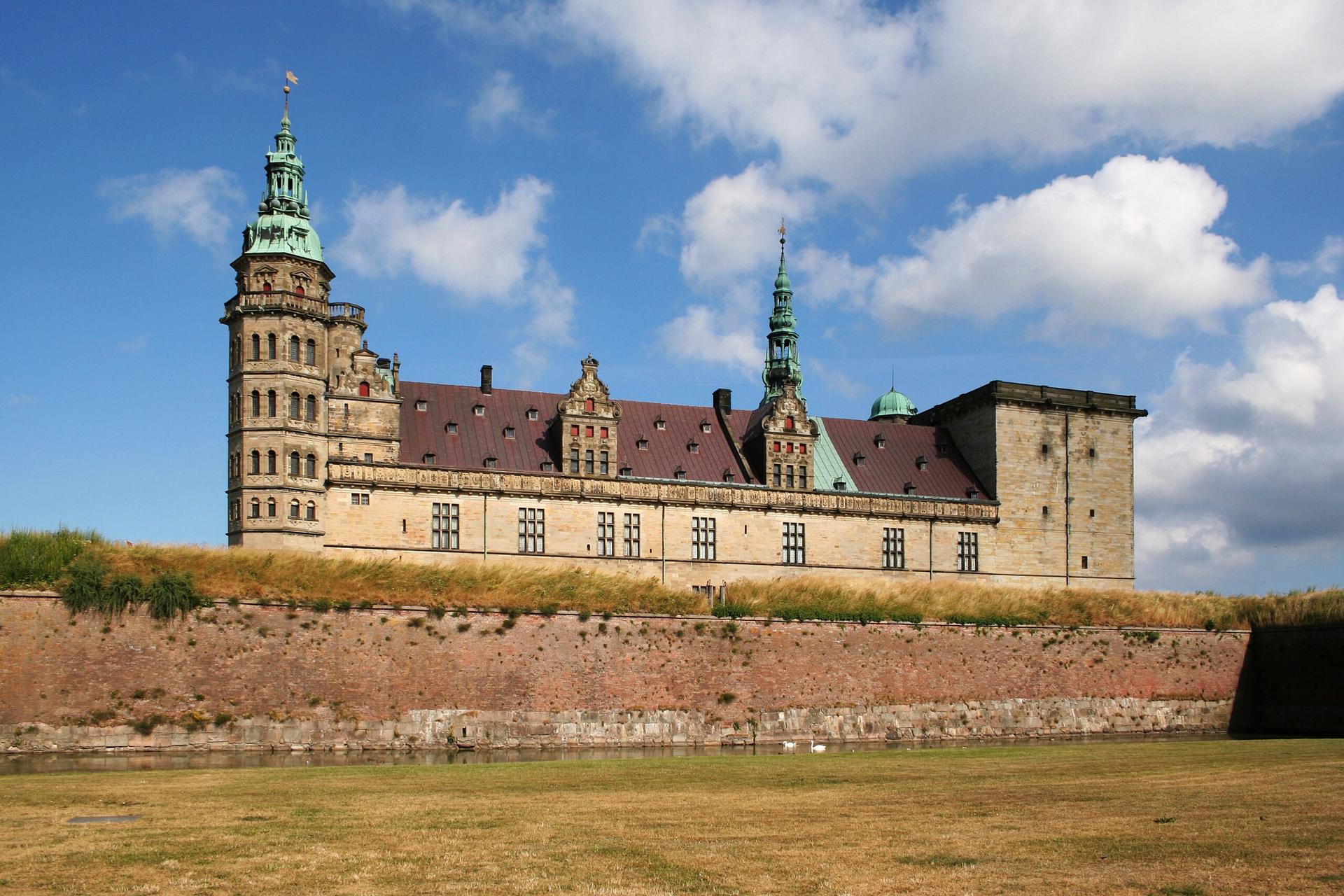
Explore North Zealand, Denmark's enchanting region of castles, beaches, and royal estates, perfect for history buffs, nature enthusiasts, and seaside lovers.
Tell me more about North Zealand