Viking Ship Museum
Experience 1000-year-old Viking ships and sail the fjord in authentic reconstructions at the world's only museum of its kind.
Explore five original Viking ships from the 11th century at this unique museum in Roskilde, where ancient vessels are dramatically displayed against the backdrop of Roskilde Fjord. Beyond the iconic Ship Hall, discover live boatbuilding demonstrations, hands-on maritime crafts, and seasonal sailing trips in reconstructed Viking vessels. This is the only place in the world where you can see authentic 1000-year-old Viking ships and then board full-scale replicas to experience life at sea as the Vikings did.
A brief summary to Viking Ship Museum
- Vindeboder 12, Roskilde, 4000, DK
- Click to display
- Click to display
- Duration: 2 to 4 hours
- Mid ranged
-
 Mixed
Mixed
- Mobile reception: 4 out of 5
- Monday 10 am-5 pm
- Tuesday 10 am-5 pm
- Wednesday 10 am-5 pm
- Thursday 10 am-5 pm
- Friday 10 am-5 pm
- Saturday 10 am-5 pm
- Sunday 10 am-5 pm

Know before you go
Hi, I'm Eve. Here are a few practical things to know before exploring Viking Ship Museum.
- Arrive early on weekdays to avoid crowds and enjoy a more intimate experience with the exhibits. Weekday mornings offer the best opportunity to observe boatbuilders at work and explore the Ship Hall without queues.
- Book sailing trips in advance if visiting between May and September, as they fill quickly and may be cancelled due to weather. Each trip lasts 50 minutes and provides an unforgettable experience on Roskilde Fjord.
- Allow at least 3 hours for your visit to fully explore the Ship Hall, observe live boatbuilding, and participate in hands-on activities. The outdoor Museum Island area is free to access and worth exploring thoroughly.
- Consider purchasing the Copenhagen Card, which includes museum entry and free public transport to Roskilde, making this an economical day trip from the capital.
- Visit the café overlooking the wooden boats and fjord for Viking-inspired food and refreshments. The setting provides excellent photo opportunities and a chance to rest during your visit.
Do you manage this location?
Take control to get all the benefits, like improved information, better appearance, and stronger visibility across AI-powered discovery. Learn more
Activate your presenceOther nearby places you may find interesting
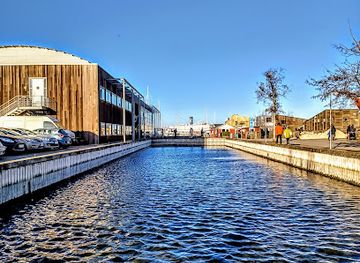
Getting There
-
Train from Copenhagen
Depart from Copenhagen Central Station (København H) on regional trains to Roskilde Station. Journey time is approximately 25–30 minutes. From Roskilde Station, follow signs for the museum or take a scenic 15–20 minute downhill walk through the city toward the harbour. The Copenhagen Card includes free train travel and museum entry, making this the most economical option. Trains run frequently throughout the day (typically every 10–20 minutes during peak hours). No advance booking required for trains; purchase tickets at the station or online.
-
Car from Copenhagen
Drive south from Copenhagen toward Roskilde via the E20 motorway, approximately 35–40 kilometres. Journey time is 35–45 minutes depending on traffic. The museum is located in Roskilde Harbour in the northern part of the city at Vindeboder 12. Free and paid parking is available nearby; the museum's own car park fills quickly during summer months. Alternative paid car parks such as Parkering Maglekildevej offer free parking for the first two hours. Rental cars are available at Copenhagen Airport and city centre locations.
-
Bus from Roskilde City Centre
Local buses connect Roskilde Station and the city centre to the museum. Journey time from the station is approximately 10–15 minutes. Bus routes and schedules are available at Roskilde Station or through local transport apps. Single tickets cost around 24 DKK. The Copenhagen Card includes free bus travel within the region.
-
Cycling from Roskilde
Roskilde is a bike-friendly city with dedicated cycling paths. The museum is approximately 2–3 kilometres from Roskilde Station via flat, scenic routes along the fjord. Journey time is 10–15 minutes. Bike rentals are available at the train station and throughout Roskilde. This option provides flexibility and allows you to experience the landscape surrounding the museum.
For the on-the-go comforts that matter to you
-
 Restrooms
-
 Drink Options
-
 Food Options
-
 Seating Areas
-
 Information Boards
-
 Visitor Center
Discover more about Viking Ship Museum
The Five Skuldelev Ships: A Window into Viking Maritime Life
At the heart of the Viking Ship Museum lies the Ship Hall, a striking example of Danish brutalist architecture designed in 1969. Within this dramatic space, five original Viking ships from the 11th century stand majestically, recovered from Roskilde Fjord where they were deliberately sunk to form a defensive blockade. These vessels—known as the Skuldelev Ships—represent different aspects of Viking maritime culture: merchant ships that carried goods across vast distances, warships that enabled Norse expansion, fishing boats that sustained coastal communities, and transport vessels used for everyday voyages. The ships' preservation is remarkable; much of their original structure remains intact, offering archaeologists and visitors alike an unparalleled glimpse into Viking craftsmanship and naval technology.The Ship Hall's distinctive design enhances the viewing experience. Split-level walkways allow visitors to examine the vessels from multiple angles, appreciating both their overall form and intricate details. Vertical concrete fins filter natural light, creating dramatic shadows that emphasize the ships' contours. Panoramic windows frame views of Roskilde Fjord, the very waters where these ships once sailed, making it easy to imagine merchant vessels departing for distant shores, warriors waving farewell to families, and fishermen setting out with hopes of a good catch.Living Traditions: The Boatyard and Craftspeople
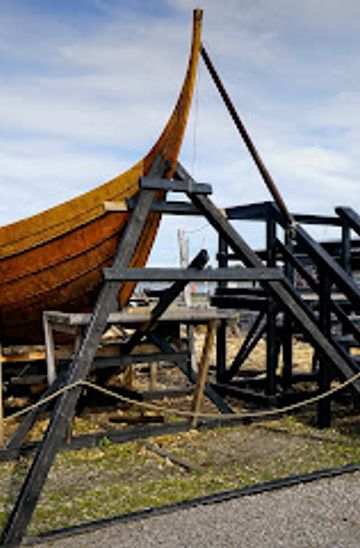
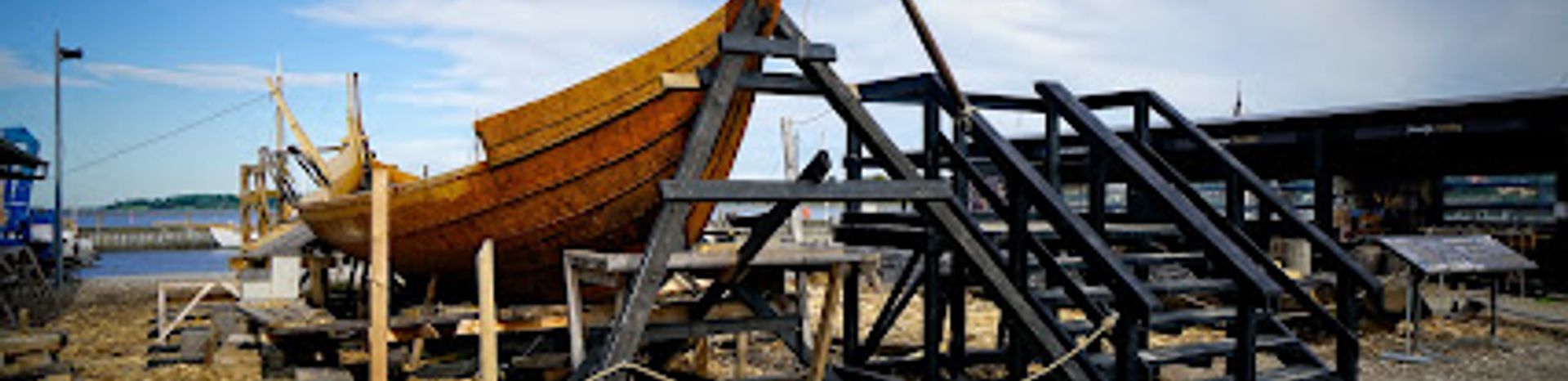
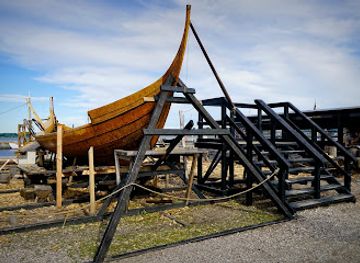
Surrounding the Ship Hall, Museum Island brings Viking maritime culture to life through authentic reconstruction and demonstration. At the museum's boatyard, skilled craftsmen work year-round to build full-scale replicas of Viking ships using the same techniques, tools, and materials employed over a thousand years ago. The scent of pine tar and the rhythmic sound of axes striking oak create an atmosphere that transports visitors back to the Viking Age. Visitors can observe boatbuilders at work, speak with craftspeople about their methods, and gain insight into the extraordinary skill required to construct seaworthy vessels without modern technology.At Tunet—the Viking meeting place—specialists demonstrate traditional maritime crafts including metalworking, woodcarving, and rope making. During summer months, the museum expands its programming with daily activities such as coin minting, jewellery making, and shield painting, allowing visitors to engage hands-on with Viking traditions. A hands-on area features maritime exhibitions and family-friendly activities designed to make history tangible and memorable.Sailing the Fjord: From Reconstruction to Reality
One of the museum's most distinctive offerings is the opportunity to sail on reconstructed Viking ships and traditional Nordic boats. From May 1 to September 30, daily sailing trips depart from the museum harbour, lasting approximately 50 minutes. Visitors board vessels filled with replica trade goods and weapons, experiencing firsthand how Vikings navigated Roskilde Fjord and ventured to distant lands. The Sea Stallion from Glendalough, a celebrated reconstruction, famously sailed to Dublin and back in 2007–2008, demonstrating both authentic Viking seafaring capability and the museum's commitment to experimental archaeology.Architecture and Design: A Modernist Monument
The Viking Ship Hall itself is an architectural landmark. Designed by Erik Christian Sørensen and completed in 1969, the building was conceived as a giant display case for the five original ships. Its brutalist aesthetic—raw concrete, exposed structural elements, and expansive glazing—represents an important example of Danish late modernist design. The hall's split-level interior creates dynamic spatial relationships between visitors and the vessels, while the interplay of concrete fins and natural light produces a contemplative atmosphere suited to the museum's archaeological and historical mission. The building was listed for preservation in 1997, reflecting its cultural significance.Exhibitions and Educational Programming
Beyond the permanent display of the Skuldelev Ships, the museum features rotating exhibitions that deepen understanding of Viking Age seafaring, trade networks, and cultural exchange. Special exhibitions explore themes such as Viking voyages and their global impact. The Hamlet, located in the Ship Hall's lower level, provides an interactive children's area where young visitors can build miniature Viking ships and test them in water. Guided tours in English are available, offering expert interpretation of the ships and their historical context. An audio guide provides dramatic storytelling about Viking maritime adventures, while a digital game called The MuseumMystery engages visitors of all ages.Seasonal Rhythms and Year-Round Access
The museum operates throughout the year, adapting its programming to seasonal conditions. During winter months, boatbuilders move their work indoors to the Boatyard Hall, allowing visitors to observe ship construction regardless of weather. Summer brings expanded activities, sailing opportunities, and outdoor demonstrations. The museum remains open daily, making it accessible for both spontaneous visits and planned excursions. Its location on Roskilde Fjord—a living landscape that shaped Viking history—provides a constantly changing backdrop that enhances the immersive experience of exploring these ancient vessels and the culture that created them.Explore the best of what Viking Ship Museum has to offer













More about Zealand
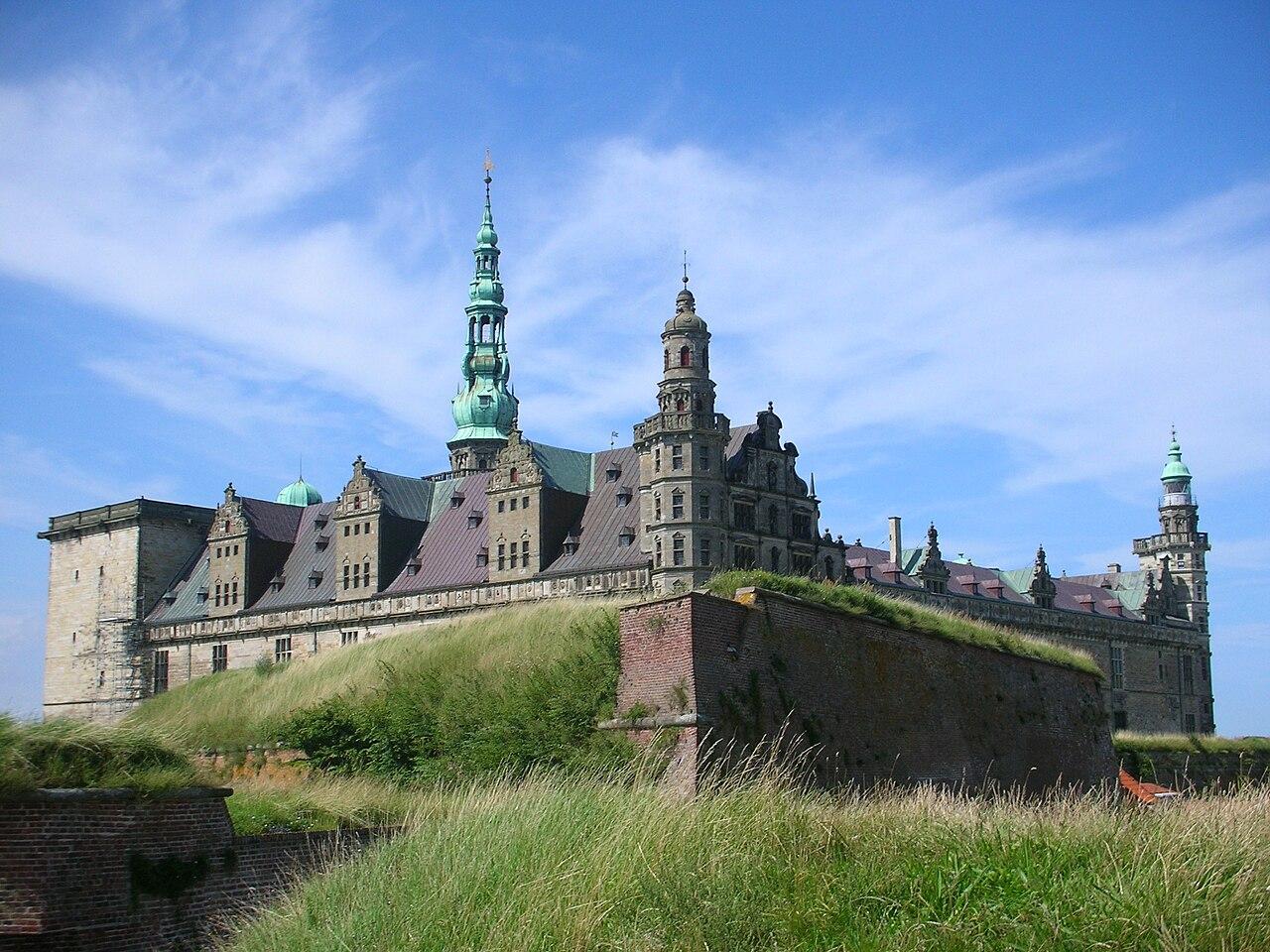
Discover the charm of Zealand, Denmark's largest island, blending vibrant city life in Copenhagen with serene coastal beauty and rich cultural heritage.
Tell me more about Zealand
Volunteer-run jazz and world-music association energising Roskilde’s Musicon district with intimate concerts, creative collaborations and open jam sessions.
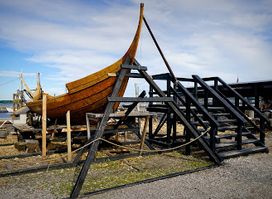
Stand face to face with 1,000-year-old Viking ships, then step outside to see their full-scale descendants being built and sailed on Roskilde Fjord.