Sankt Hans Torv
Nørrebro's beloved public square where café culture, artistic vision, and urban renewal create a vibrant gathering place.
Sankt Hans Torv is a vibrant public square in Copenhagen's Nørrebro district, transformed through urban renewal into a beloved gathering space. Dominated by a striking granite sculpture and lined with inviting cafés, the square blends rich history—from its origins as part of Blegedam Common to its role as a cattle market—with contemporary urban life. The adjacent St. John's Church, the oldest in Nørrebro, anchors the area's cultural significance.
A brief summary to Sankt Hans Torv
- Copenhagen, Nørrebro, 2200, DK
- Duration: 0.5 to 3 hours
- Free
-
 Outdoor
- Mobile reception: 5 out of 5

Know before you go
Hi, I'm Eve. Here are a few practical things to know before exploring Sankt Hans Torv.
- Visit during late morning or early afternoon for the best café atmosphere and to observe the square's social rhythm without peak evening crowds.
- Explore the nearby Assistens Cemetery, a peaceful green space where notable Danish cultural figures are buried, offering quiet contemplation away from the square's bustle.
- The gently undulating paving and water features in Jørgen Haugen Sørensen's sculpture create interesting photo opportunities, especially during golden hour light.
- Nørrebrogade, the major shopping street adjacent to the square, offers excellent dining and retail options to complement your visit.
- Bring a book or simply sit with a coffee to experience how locals use the square as a genuine neighbourhood gathering place rather than a tourist attraction.
Do you manage this location?
Take control to get all the benefits, like improved information, better appearance, and stronger visibility across AI-powered discovery. Learn more
Activate your presenceOther nearby places you may find interesting
Getting There
-
Metro
Take the Copenhagen Metro Line M2 (Vanløse direction) to Nørrebro Station, approximately 8–12 minutes from central Copenhagen depending on your starting point. Exit and walk 3–5 minutes northwest through the neighbourhood streets to reach Sankt Hans Torv. The station is well-signposted and serves the heart of Nørrebro. Single ticket costs approximately 24 DKK (3.20 EUR).
-
Bus
Multiple bus routes serve the Nørrebro area. Bus lines 5A, 14, 16, and 42 stop near Sankt Hans Torv or within walking distance. Journey times from central Copenhagen range from 15–25 minutes depending on traffic and your starting point. Buses run frequently throughout the day. Single ticket costs approximately 24 DKK (3.20 EUR).
-
Bicycle
Copenhagen's extensive cycle network makes cycling to Sankt Hans Torv straightforward and popular. From central Copenhagen, the journey takes 10–15 minutes depending on your route. Bike lanes are clearly marked throughout the city. Bycyklen (City Bikes) are available at numerous stations across Copenhagen for approximately 80 DKK (10.70 EUR) per day, or bring your own bicycle. Secure bike parking is available near the square.
-
Walking
From Nørreport Station or central Copenhagen, walking to Sankt Hans Torv takes approximately 20–30 minutes depending on your exact starting point. The route passes through pleasant residential neighbourhoods with clear street signage. The walk is relatively flat and suitable for most fitness levels, though Copenhagen's winter weather (January) may involve wet or icy conditions requiring appropriate footwear.
For the on-the-go comforts that matter to you
-
 Food Options
-
 Drink Options
-
 Seating Areas
-
 Trash Bins
-
 Information Boards
Discover more about Sankt Hans Torv
From Common Land to Urban Hub
Sankt Hans Torv occupies a site with deep historical roots in Copenhagen's development. Originally part of Blegedam Common, one of the commons surrounding the fortified city, the area served as grazing land where cattle gathered for milking. As Copenhagen expanded beyond its fortifications in the 19th century, the site evolved into a cattle market before eventually becoming the bustling public square recognized today. The square's strategic position at the intersection of major streets—Blegdamsvej, Nørre Allé, Guldbergsgade, Elmegade, Fælledvej, and Sankt Hans Gade—reflects its longstanding importance as a junction in Nørrebro's urban fabric.Architectural Transformation and Urban Renewal
The current incarnation of Sankt Hans Torv emerged in 1993 as part of a comprehensive urban renewal programme designed to revitalize the Nørrebro neighbourhood. Designed by Sven-Ingvar Andersson and Henrik Pøhlsgaard under City Architect Otto Käszner, the project fundamentally reimagined the space from a congested traffic intersection into an inviting public realm. The design concentrates vehicular traffic along three sides while creating a gently undulating public space paved with granite. The undulating surface mimics natural terrain, providing visual interest and subtle spatial definition. A single mature tree anchors the composition, and the granite paving seamlessly blends with surrounding street cobblestones and height variations, creating a cohesive streetscape.Artistic Vision and Water Features
Dominating the square is a striking large granite sculpture by renowned artist Jørgen Haugen Sørensen, titled "The House that Rains." This water feature serves as both artistic centerpiece and functional element, with occasional trickles flowing from small fountains integrated into the paving. The sculpture exemplifies how contemporary art can enhance public spaces, providing visual focal points and moments of sensory engagement. The interplay between the monumental form and subtle water elements creates a contemplative atmosphere within the busy urban setting.The Café Culture and Social Heart
Sankt Hans Torv has become renowned for its thriving café scene, which defines much of the square's contemporary character. French-style Café Sebastopol has anchored the square since 1994, while Kaffeplantagen, a local coffee house chain, opened its first branch here in 2004. These establishments line the square's perimeter, creating an inviting social atmosphere where locals and visitors converge. The cafés transform the square into a living room for the neighbourhood, where the pace of urban life slows enough for genuine social interaction and connection.Heritage and Spiritual Significance
St. John's Church, the largest and oldest church in Nørrebro, stands just east of the square, its presence lending spiritual and historical weight to the area. Built in 1862 after the Demarcation Line restricting development was moved to The Lakes, the church gave the square its name—Sankt Hans Torv translating to St. John's Marketplace. The oldest building on the square itself is Sankt Hans Gade School, constructed in 1851 by Peter Christoph Hagemann and later adapted by Theodor Sørensen in 1862. Though the school closed in 1984, its preserved facade remains a tangible link to Nørrebro's educational and social history.A Sanctuary in the City
Despite remaining a dynamic traffic junction, Sankt Hans Torv functions as a sanctuary for Nørrebro residents seeking respite from urban intensity. The carefully considered design creates spatial breaks in the dense neighbourhood fabric, allowing the pace of life to slow and enabling meaningful human interaction. The square has become the neighbourhood's centre, a place where history, contemporary culture, and local community life converge in a distinctly Copenhagen way.Explore the best of what Sankt Hans Torv has to offer













More about North Zealand
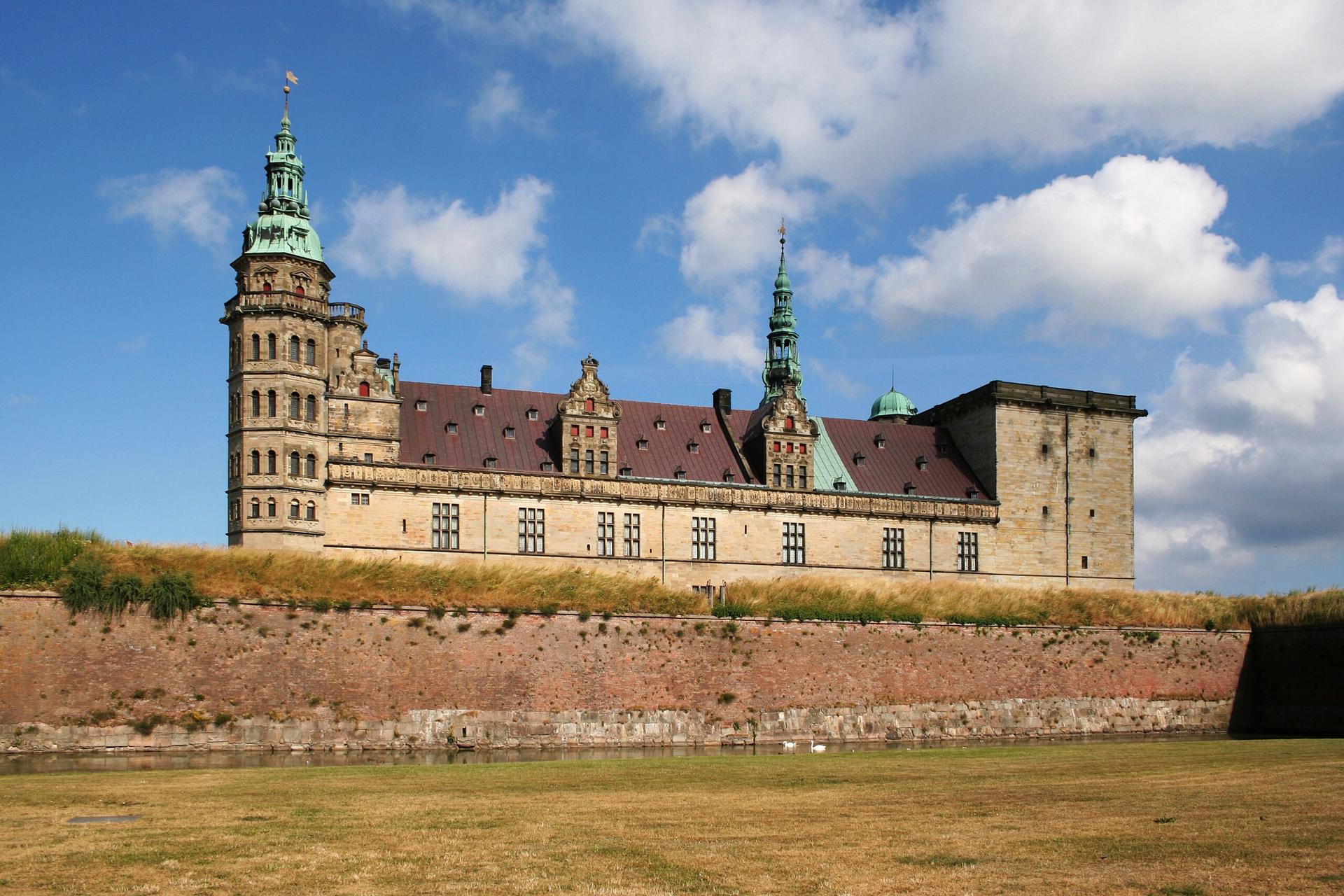
Explore North Zealand, Denmark's enchanting region of castles, beaches, and royal estates, perfect for history buffs, nature enthusiasts, and seaside lovers.
Tell me more about North Zealand