Background

Mågeøen, Horsens Fjord

A small gull island and tidal shallows at the edge of Horsens, offering open fjord views, seabirds and quiet, low‑key contact with the coastal landscape.

3

Mågeøen is a small, low-lying island and coastal shallows just off Østre Kirkevej on the eastern side of Horsens. More a natural reef and bird islet than a classic excursion island, it forms part of the sheltered inner Horsens Fjord landscape, with shallow waters, seaweed beds and shifting sandbars that attract sea trout, seabirds and other coastal wildlife. This is a quiet, wind-swept spot best suited to nature-minded walkers and anglers who enjoy open skies, tidal views and the feeling of standing at the edge of land where town quickly gives way to sea.

A brief summary to Mågeøen

  • Østre Kirkevej 2, Horsens, 8700, DK
  • Duration: 0.5 to 2 hours
  • Free
  • Environment icon Outdoor
  • Mobile reception: 4 out of 5
  • Monday 12 am-12 am
  • Tuesday 12 am-12 am
  • Wednesday 12 am-12 am
  • Thursday 12 am-12 am
  • Friday 12 am-12 am
  • Saturday 12 am-12 am
  • Sunday 12 am-12 am

Local tips

  • Wear waterproof or sturdy shoes; the shoreline can be soft, uneven and muddy, especially after rain or at high tide.
  • Bring binoculars to make the most of the birdlife and distant views across Horsens Fjord.
  • Pack an extra windproof layer, as the site is very exposed and can feel significantly cooler than the town.
  • If you plan to fish, check local regulations in advance and respect seasonal protections for sea trout and other species.
widget icon

Getting There

  • Local bus from Horsens city centre

    From central Horsens you can use a local city bus heading toward the eastern districts near Østre Kirkevej; the ride typically takes around 10–20 minutes depending on route and traffic. A single ticket within Horsens usually costs about 20–30 DKK. Services run regularly during the day but may be less frequent in the evening and on weekends, so it is worth checking the timetable in advance.

  • Cycling from central Horsens

    Cycling from the city centre to the area around Mågeøen is a straightforward option and usually takes 15–25 minutes at an easy pace. The route uses ordinary urban streets with some gentle gradients and is suitable for most cyclists comfortable with light traffic. There is no dedicated cycle parking at the water’s edge, so bring a lock and be prepared to leave the bike at a suitable spot near Østre Kirkevej.

  • Taxi within Horsens

    A taxi from central Horsens to Østre Kirkevej near Mågeøen generally takes 10–15 minutes, depending on traffic. Fares within town are commonly in the range of 120–200 DKK for a one‑way journey. This is the most convenient choice if you are travelling with fishing gear, have limited mobility, or are visiting outside normal bus hours.

Mågeøen location weather suitability

  • Weather icon Clear Skies
  • Weather icon Windy Conditions
  • Weather icon Mild Temperatures
  • Weather icon Cold Weather
  • Weather icon Hot Weather

Unlock the Best of Mågeøen

Buy tickets

    No tickets available

Book tours with entry

    No tours available

Book tours without entry

    No tours available

Discover more about Mågeøen

A quiet fringe of Horsens where land meets fjord

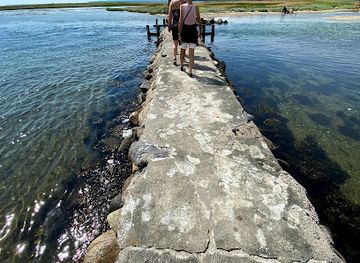
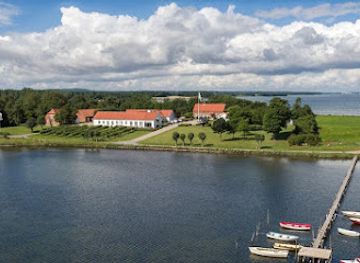
Mågeøen sits just off the shoreline at Østre Kirkevej, on the outer edge of Horsens before the town gives way to open fjord. From the grassy bank you look out over wide, shallow water, a scatter of stones and a low sand and shingle rise that appears and disappears with the tide. It feels far more remote than its address suggests, with big Jutland skies and the soft hiss of waves replacing city sounds. The islet itself is small and fragile, more a natural sandbank than a place to explore on foot. Its low profile and constant exposure to wind and water make it an ever‑changing feature, shaped season by season by currents in Horsens Fjord. Standing on the nearby shore, you get a clear sense of this dynamic landscape: eelgrass sways below the surface, and wading birds pick over the shallows for food.

Birdlife and the origins of the name

The name Mågeøen – literally “the gull island” – hints at the site’s role as a favored resting and feeding area for coastal birds. At different times of year, black‑headed gulls, terns and waders gather on the exposed banks and stones, using the islet as a safe midpoint between the open fjord and the busier urban harbor further in. This is not a formal bird reserve, but its low human impact and shallow, food‑rich waters make it an appealing stopover. With a simple pair of binoculars you can spend unhurried time watching the constant movement over the water: gulls squabbling over shellfish, cormorants drying their wings on protruding rocks, and the occasional heron or egret stalking the shoreline. It is a subtle sort of wildlife experience, more about patient observation than dramatic spectacles.

An understated spot for anglers and outdoor enthusiasts

The gently shelving seabed and mix of sand, stones and seaweed around Mågeøen create attractive conditions for coastal sea‑trout fishing along parts of Horsens Fjord. Local anglers often value similar spots for wading and spinning, especially in the cooler months when fish cruise close to shore. Even if you are not casting a line, the sight of anglers spaced out along the bank adds to the sense of being in a lived‑in, working fjord landscape. The approach along Østre Kirkevej is straightforward, and once at the water’s edge you can wander the narrow strip of shore, watching how light changes over the fjord. There are no built‑up promenades or beaches here; it feels informal and slightly wild, a contrast to the more developed waterfront closer to central Horsens.

Seasons, light and the changing mood of the fjord

Mågeøen’s character shifts markedly with weather and season. On clear spring days, the water takes on a bright, glassy blue and distant farms and fields around the fjord stand out crisply on the horizon. In summer, long evenings bathe the shallows in warm light, ideal for a quiet stroll or simply sitting on the grass as the last birds settle. Autumn and winter reveal a starker, more atmospheric side. Low clouds and wind can whip whitecaps across the fjord, and the muted palette of greys, browns and greens gives the scene a rugged beauty. Because the site is exposed, wind and chill factor can be significant, but for many that rawness is part of the appeal: a reminder that Horsens is, at heart, a fjord town closely tied to the sea.

Practical expectations and who will enjoy it

Facilities at Mågeøen are minimal. There are no kiosks, changing rooms or formal picnic lawns, and seating is limited to whatever natural spots you find along the bank. This simplicity keeps the focus firmly on the fjord itself – the light, the birds, the gentle movement of tides – and on low‑key recreation such as walking, photography and quiet contemplation. The location suits travelers who enjoy small, authentic corners of a destination rather than major set‑piece sights. It works well as a short detour during a day in Horsens, a place to pause with a thermos of coffee, stretch your legs, keep an eye on the water for fish breaking the surface and listen to gull calls carrying across the fjord.

Busiest months of the year

Busiest hours of the day

Popular Experiences near Mågeøen

Popular Hotels near Mågeøen

Select Currency