Tyrstedlund Naturpark, Horsens Travel Guide
Free Guide: A living biodiversity laboratory on Horsens’ southern edge, where meadows, forest fringe, wildlife pond and forest garden turn an everyday walk into a quiet lesson in nature.


A brief summary of Tyrstedlund Naturpark
A living biodiversity laboratory on Horsens’ southern edge, where meadows, forest fringe, wildlife pond and forest garden turn an everyday walk into a quiet lesson in nature.
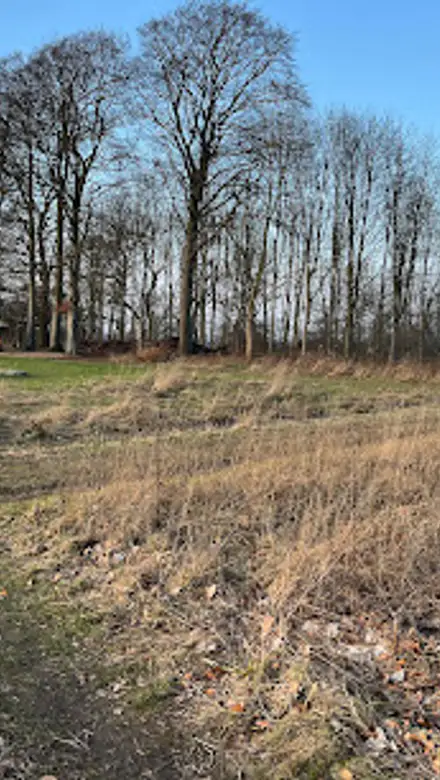
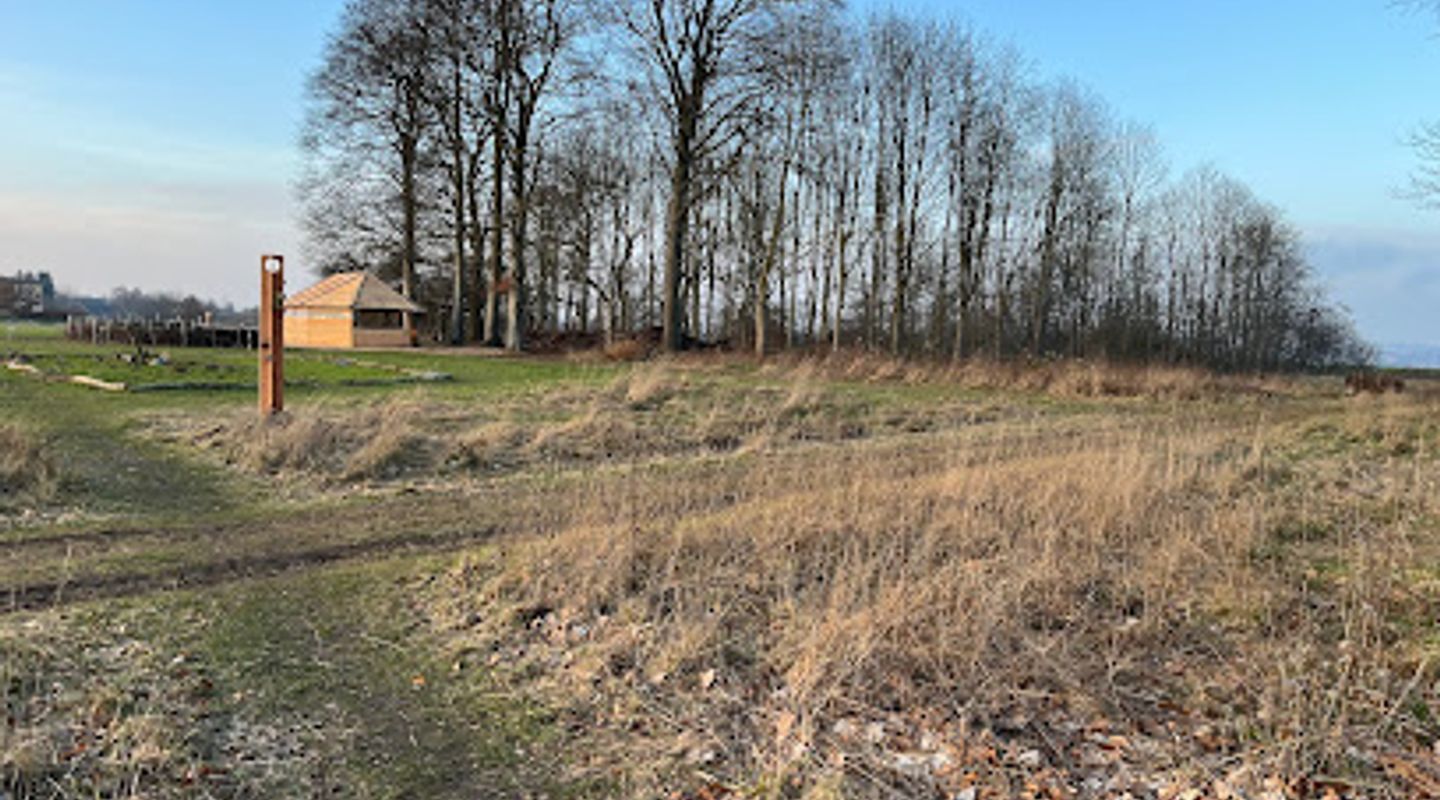
Tyrstedlund Naturpark in southern Horsens is a young, 80,000 m² biodiversity park that doubles as an open-air laboratory for nature lovers. Woven between open meadows and the fringe of Boller Overskov forest, it features five flower meadows, stone walls, a wildlife pond, brush fences and a forest garden planted with edible berries and herbs. Gravel paths make wandering easy, while a roofed picnic shelter by the water and quiet forest-bathing spots invite slow, mindful time in nature.
On-site amenities
 Restrooms
 Seating areas
 Sheltered areas
 Picnic areas
 Trash bins
 Information boards
- Address
- 8700 Horsens
- Website
Getting there
Walking from central Horsens
City bus within Horsens
Bicycle from Horsens area
Car or taxi within Horsens Municipality
Discover more about Tyrstedlund Naturpark
An urban edge park where nature is in charge
Tyrstedlund Naturpark sits at the southern edge of Horsens, tucked into the quiet Højvangen residential district and framed by the mature trees of Boller Overskov. Conceived as a recreational green space that also boosts urban biodiversity, the 80,000 m² park feels like a soft transition between town and countryside. Low horizons, big skies and the call of birds replace city noise surprisingly quickly once you step onto the gravel paths.From the outset, the park was planned less as a manicured garden and more as a living landscape that can evolve over time. Rather than ornamental beds and clipped lawns, you find rougher meadow, thickets and deliberately “untidy” corners that are left for wildlife. The result is a place that feels informal and exploratory, ideal for unhurried walks, nature play and quiet observation.
Biodiversity laboratory in the open air
Tyrstedlund Naturpark is described locally as a biodiversity laboratory, and you can see that experimental spirit in its design. Five distinct flower meadows are sown with varied plant mixes, creating a long season of blooms and a rich feeding ground for bees, butterflies and seed-eating birds. Stone walls and piles are laid out as sun-warmed microhabitats where insects, reptiles and small mammals can thrive in the crevices.In the northwest corner, a man-made pond adds another layer of life. Its shallow edges attract frogs, newts and dragonflies, and in still weather the surface mirrors clouds and treetops. Around the park, brush fences built from branches and cuttings turn what might be waste into food and shelter for insects and hedgehogs, while fallen wood is deliberately left to decay and host fungi and beetles. The whole area functions as a showcase of simple, repeatable ideas that visitors can copy at home.
Forest fringe, quiet corners and sensory experiences
Although much of the park is open meadow, a section extends into Boller Overskov, creating a pleasant shift from sunlit grassland to cool shade. A woodland path leads you through this fringe, where the air grows damper and birdsong is louder. Along the way there are places set aside for forest bathing: simple spots where you can sit, listen to wind in the canopy and focus on the scent of leaf litter and earth.The contrast between environments is one of the park’s quiet pleasures. In summer you can move from buzzing meadows full of insects to a tranquil glade in just a few minutes. In autumn, the forest edge glows with colour while the meadows fade to seed heads that rattle softly in the breeze. Even on a grey day, the textures of bark, grasses and stone give the landscape interest.
Forest garden and edible landscape
At the heart of Tyrstedlund Naturpark a small forest garden demonstrates how food production and biodiversity can support each other. Here shrubs and small trees bear berries and fruits, underplanted with herbs and edible flowers. Visitors are welcome to pick modest amounts for personal use, so you might leave with a handful of currants, a sprig of mint or a few blossoms to brighten a picnic.This edible corner is arranged in layers, from groundcover to canopy, mimicking a natural woodland edge. It not only feeds people but also provides nectar, pollen and shelter for wildlife. Signage and plant choices are designed to inspire home gardeners, showing that even a small plot can be structured to benefit insects and birds without sacrificing beauty or harvest.
Picnic shelter, learning spaces and family-friendly paths
Next to the pond stands a roofed picnic shelter, sometimes used by schools and local associations but generally free when not reserved. It offers benches, tables and cover from passing showers, making the park a reliable choice for an outdoor lunch in changeable Danish weather. Around it, open grass and nearby trees give children space to roam within sight.Gravel paths loop gently through the park, mostly level and wide enough for pushchairs and wheelchairs, making access straightforward for a broad range of visitors. The absence of traffic noise, combined with clear sightlines, gives the area a relaxed, safe feel for families. Seasonal nature trails and storytelling routes are occasionally set up, turning the landscape into an informal classroom where children can hunt for insects, notice different habitats and learn how small actions support biodiversity.
Seasons, light and a living project
Because Tyrstedlund Naturpark is relatively new, it changes perceptibly from year to year as trees thicken, meadows settle and wildlife finds fresh niches. Spring brings the first flush of meadow flowers and frogspawn in the pond; summer is all about buzzing life and long evenings; autumn highlights seedheads and migrating birds; winter strips everything back to outlines of trees, stone walls and the quiet mirror of water.Seen over time, the park reads as an ongoing project rather than a finished design. That sense of evolution is part of its charm: each visit offers a slightly different balance of colour, sound and activity, and the fundamental message remains clear. Even on the edge of a city, space can be shaped to favour nature – and to invite people in as respectful guests.
Evendo Review Centre
 Google
Guest reviews
Best time to go
Quietest: Jan, Feb & Nov · before 6am or from 9pm
Busy times are Evendo estimates for a typical year, to help you plan. Actual crowds vary with events, school holidays and the weather.
Explore Tyrstedlund Naturpark on the map
A handpicked selection of must-see spots near Tyrstedlund Naturpark, mapped for you.
Get your free copy of our complete guide to Tyrstedlund Naturpark, delivered straight to you.
Everything on this page, from opening hours and how to get there to Eve’s tips and the best time to go, in one PDF you can read offline, print or share.
Already have an account? Sign in
Your Tyrstedlund Naturpark guide is ready.
We'll send it to · Not you? Sign out

Getting your guide ready…
We are putting together a fresh copy of the Tyrstedlund Naturpark guide. This can take up to a minute.
This can take a few moments. If your browser asks, choose Allow so the download can start. You'll find the guide in your Downloads folder.
Nothing happened? Download it again
Sorry, the guide is taking longer than usual. Please try again in a minute, or get it by email instead.
Other nearby places you may find interesting
The closest places of the same kind, if this one is not quite what you had in mind.
-
Horsens Art Museum Hilltop hub of contemporary Danish art, pairing bold architecture, major national artists and parkland sculpture in leafy Caroline Amalie Lund.
-
Horsens Museum Intimate local-history museum in a 1915 park-side villa, tracing 10,000 years of Horsens life from prehistoric graves and merchants’ mansions to war, industry and exploration.
-
Wanna Be Mermaid A bold, contemporary mermaid by Maria Rubinke on Horsens’ harbourfront, blending fairytale symbolism, waterfront scenery and modern public art in one quick stop.
-
Industrimuseet A living industrial museum in Horsens’ old gasworks, where roaring engines, workers’ homes and playful workshops bring Denmark’s modern story to life.
-
FÆNGSLET A vast former state prison in Horsens, transformed into an immersive museum, hostel and cultural venue where life behind bars is explored within intact cell blocks.
Swipe for more places
More to explore near Tyrstedlund Naturpark

 Best experiences near Tyrstedlund Naturpark
 Best hotels near Tyrstedlund Naturpark
 Best landmarks near Tyrstedlund Naturpark
 Best attractions near Tyrstedlund Naturpark
 Best shops near Tyrstedlund Naturpark
 Best restaurants near Tyrstedlund Naturpark
 Best bars near Tyrstedlund Naturpark
Do you manage this location?
Take control to get all the benefits, like improved information, better appearance, and stronger visibility across AI-powered discovery.
Explore more

Explore more of Horsens
Discover Horsens: A perfect blend of history, culture, and natural beauty in the heart of Denmark.
Explore Horsens
Explore more of Denmark
Discover Denmark: A perfect blend of history, modern design, and the cozy concept of hygge. Explore vibrant cities, serene landscapes, and world-class cuisine.
Explore Denmark