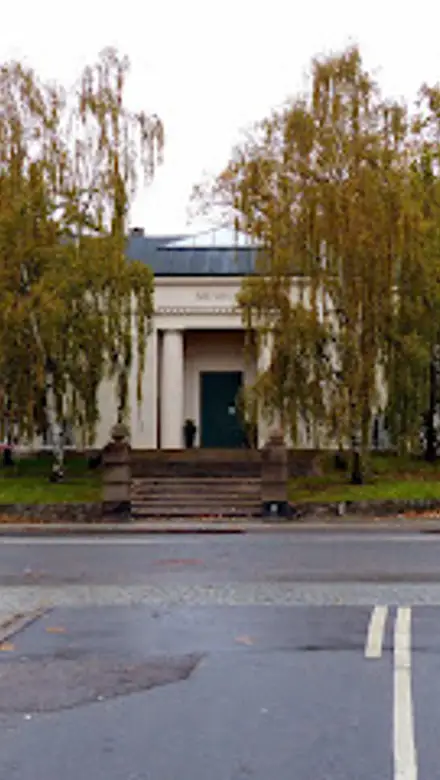
Horsens Museum, Horsens Travel Guide
Free Guide: Intimate local-history museum in a 1915 park-side villa, tracing 10,000 years of Horsens life from prehistoric graves and merchants’ mansions to war, industry and exploration.


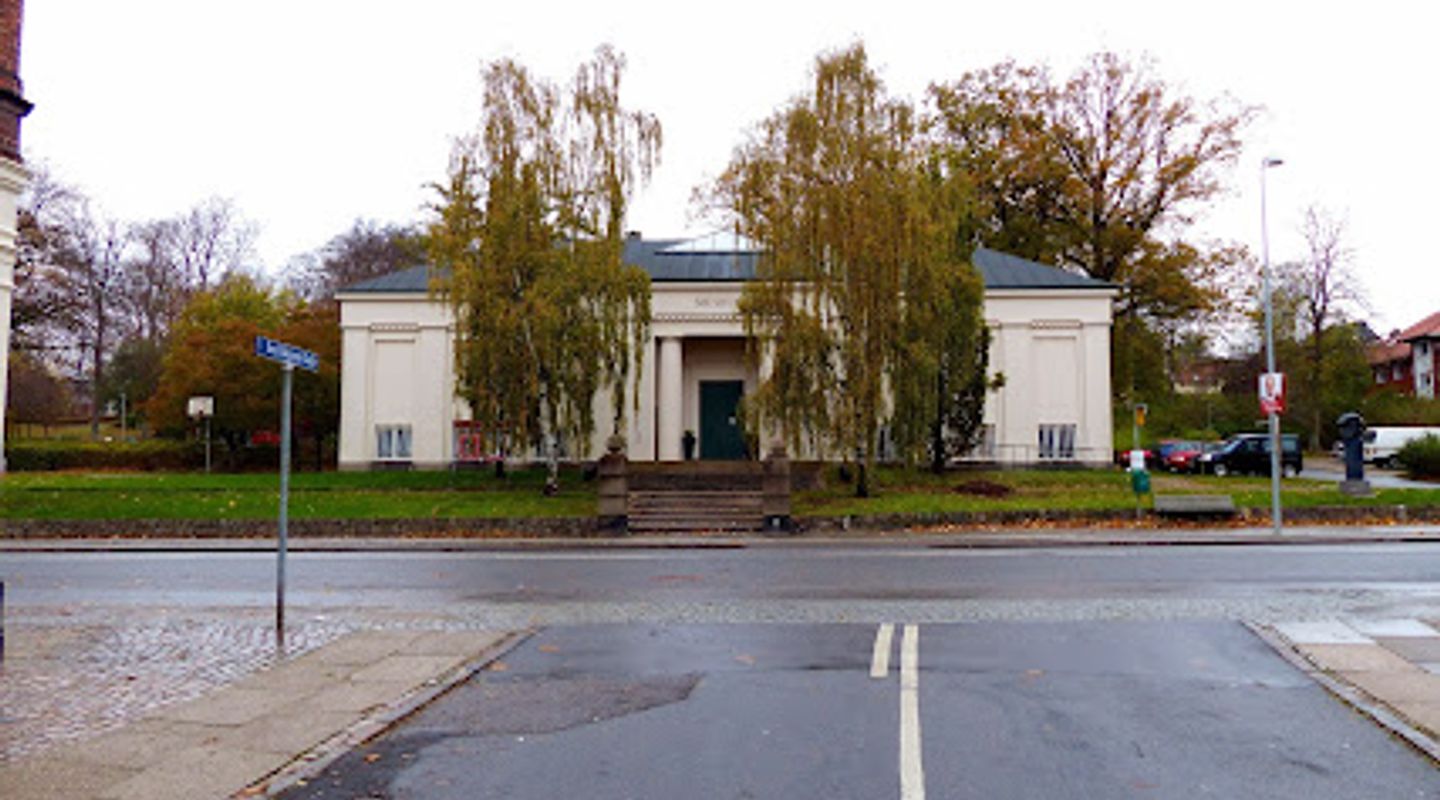
A brief summary of Horsens Museum
Intimate local-history museum in a 1915 park-side villa, tracing 10,000 years of Horsens life from prehistoric graves and merchants’ mansions to war, industry and exploration.
Horsens Museum, set in a stately 1915 building in the leafy Caroline Amalie Lund park, is the key place to understand the story of Horsens and the wider East Jutland area. Inside, archaeological finds trace 10,000 years of life from prehistoric burial mounds to Viking-era trade, while social-history exhibits explore merchants, industry, wartime occupation and local notables like explorer Vitus Bering. Compact, family-friendly and atmospheric, it pairs perfectly with a stroll in the park and a visit to nearby Horsens Art Museum.
On-site amenities
 Restrooms
 Seating areas
 Trash bins
 Information boards
 Visitor centre
Opening hours
- MonClosed
- Tue11 am–4 pm
- Wed11 am–4 pm
- Thu11 am–4 pm
- Fri11 am–4 pm
- Sat11 am–4 pm
- Sun11 am–4 pm
Opening hours as listed on the venue’s Google Business Profile. Hours can change for services and special events, so check with the venue before you go.
- Address
- Sundvej 1A, 8700 Horsens
- Phone
- Website
Getting there
Local bus
On foot from Horsens city centre
Taxi within Horsens
Car from the surrounding region
Discover more about Horsens Museum
A city’s memory in a park-side villa
Horsens Museum occupies a handsome early-20th-century building at the edge of the green Caroline Amalie Lund park, just a short walk from the town centre. Designed by local architect Viggo Norn and opened in 1915, the house-like museum feels more like a grand civic residence than an institutional complex. High ceilings, generous windows and wood details give the galleries a calm, airy character that suits the museum’s focus on local stories and long perspectives.From the entrance you look out towards lawns, mature trees and playgrounds, a reminder that this museum has always been woven into everyday life in Horsens. Indoors, the tone is intimate rather than overwhelming: rooms are sized for close-up encounters with objects, models and maps that put you face to face with the people who shaped this corner of Jutland.
From Stone Age graves to merchant town streets
The archaeological collections are the museum’s deep-time anchor. Finds from burial mounds and chambered tombs show how people lived here more than 10,000 years ago, with tools, jewellery and everyday objects that chart the slow shift from hunter-gatherer life to settled farming. Carefully lit displays help you appreciate small details: a pattern in flint, a worn spot on a bronze blade, the intricate decoration of a pot.Moving forward in time, you encounter artefacts from the Viking Age and the medieval town – trading weights, imported goods and fragments of buildings that hint at Horsens’ role as a regional hub. Clear labelling and models make it easy to understand how the town grew along the fjord and how the surrounding countryside supplied it. Occasional interactive features, including digital reconstructions of excavations, bring the work of the museum’s archaeologists to life.
Everyday lives, great upheavals
The later-history galleries shift the focus to the last three centuries, when Horsens developed from a provincial town into an industrial city. Exhibits explore the lives of merchants whose fortunes built the town’s mansions, as well as craftspeople, factory workers and shopkeepers. Period interiors, photographs and personal objects sketch out changing fashions, technologies and social norms.A dedicated area examines life during the Second World War and the German occupation, using documents, uniforms and personal testimonies to evoke an atmosphere of uncertainty and quiet resistance. Another thread traces the story of Vitus Bering, the Danish explorer after whom the Bering Strait is named, linking this local museum to far-flung corners of the world. Throughout, the narrative remains grounded in Horsens, showing how global events were experienced on ordinary streets.
Architecture, setting and sister museums
The museum building itself is part of the experience. Viggo Norn’s design combines solid brickwork and classical symmetry with subtle decorative flourishes, reflecting the optimism of early-1900s civic architecture. Large windows frame views of the park outside, where lawns, flowerbeds and mature trees create an inviting green backdrop to the collections indoors.Caroline Amalie Lund is dotted with sculptures and play areas, turning a museum visit into a broader outing. Just across the park lies Horsens Art Museum, dedicated to contemporary Danish art, and together the two institutions form a compact cultural quarter. A combined museum pass with other local institutions, including the atmospheric Prison Museum, makes it easy to build a themed day or longer stay around Horsens’ cultural life.
Visiting today: a compact, family-friendly stop
Horsens Museum is a relatively small museum, which makes it easy to explore without rushing. Families will find enough interactive elements and visual variety to keep children engaged, while history enthusiasts can linger over details in the archaeological and social-history sections. Most information is presented in accessible formats, and the manageable scale means you can comfortably pair a visit with time in the park or at the neighbouring art museum.Staff can offer guidance on current exhibitions and activities, and temporary displays occasionally highlight new discoveries from local excavations or fresh angles on the town’s past. Whether you stay for a quick overview of Horsens’ story or dive deep into specific periods, the museum offers a clear, grounded sense of how this East Jutland town became what it is today.
Evendo Review Centre
 Google
Guest reviews
Best time to go
Quietest: Jan, Feb & Nov · before 9am or from 5pm
Busy times are Evendo estimates for a typical year, to help you plan. Actual crowds vary with events, school holidays and the weather.
Explore Horsens Museum on the map
A handpicked selection of must-see spots near Horsens Museum, mapped for you.
Get your free copy of our complete guide to Horsens Museum, delivered straight to you.
Everything on this page, from opening hours and how to get there to Eve’s tips and the best time to go, in one PDF you can read offline, print or share.
Already have an account? Sign in
Your Horsens Museum guide is ready.
We'll send it to · Not you? Sign out

Getting your guide ready…
We are putting together a fresh copy of the Horsens Museum guide. This can take up to a minute.
This can take a few moments. If your browser asks, choose Allow so the download can start. You'll find the guide in your Downloads folder.
Nothing happened? Download it again
Sorry, the guide is taking longer than usual. Please try again in a minute, or get it by email instead.
Other nearby places you may find interesting
The closest places of the same kind, if this one is not quite what you had in mind.
-
-
-
-
-


Swipe for more places
More to explore near Horsens Museum

 Best experiences near Horsens Museum
 Best hotels near Horsens Museum
 Best landmarks near Horsens Museum
 Best attractions near Horsens Museum
 Best shops near Horsens Museum
 Best restaurants near Horsens Museum
 Best bars near Horsens Museum
Do you manage this location?
Take control to get all the benefits, like improved information, better appearance, and stronger visibility across AI-powered discovery.
Explore more

Explore more of Horsens
Discover Horsens: A perfect blend of history, culture, and natural beauty in the heart of Denmark.
Explore Horsens
Explore more of Denmark
Discover Denmark: A perfect blend of history, modern design, and the cozy concept of hygge. Explore vibrant cities, serene landscapes, and world-class cuisine.
Explore Denmark