
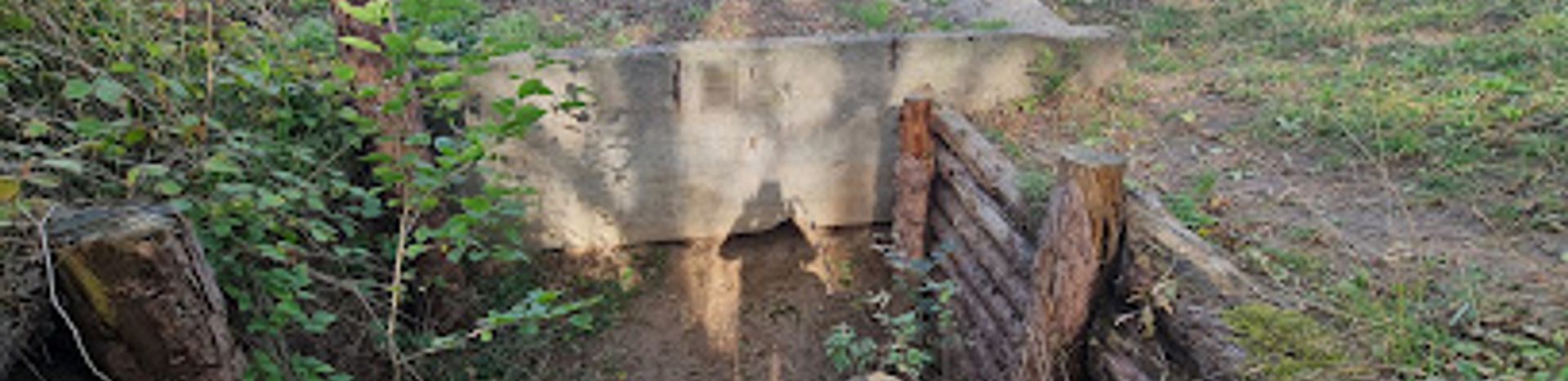
Tysk Lyskasteranlæg fra 2. verdenskrig, Røsnæs
Atmospheric WWII-era searchlight remains on windswept Røsnæs, where stark concrete and sweeping sea views reveal the strategic role of Kalundborg’s coastline.
Tucked into the windswept Røsnæs peninsula west of Kalundborg, this preserved German World War II searchlight position offers a vivid glimpse into Denmark’s wartime coastal defenses. Concrete emplacements, remnants of bunkers and commanding views over Storebælt reveal why the headland was strategically vital. It is a compact, open-air historic site best combined with a coastal walk, inviting you to imagine the beams of light once sweeping the dark sea in search of enemy ships.
A brief summary to Tysk Lyskasteranlæg fra 2 verdenskrig.
- Kalundborg, 4400, DK
- Duration: 0.5 to 1.5 hours
- Free
-
 Outdoor
- Mobile reception: 4 out of 5
- Monday 12 am-12 am
- Tuesday 12 am-12 am
- Wednesday 12 am-12 am
- Thursday 12 am-12 am
- Friday 12 am-12 am
- Saturday 12 am-12 am
- Sunday 12 am-12 am
Local tips
- Wear sturdy shoes; paths around the searchlight foundations can be uneven, grassy and slippery after rain.
- Bring a windproof layer, as the exposed Røsnæs headland often feels significantly cooler than inland Kalundborg.
- Combine the stop with a longer coastal walk on Røsnæs to see more wartime remnants and enjoy the sea views.
- If visiting with children, supervise closely around low walls, drops and rough concrete edges.

For the on-the-go comforts that matter to you
- Trash Bins
- Information Boards
- Seating Areas
Getting There
-
Car from central Kalundborg
Driving from central Kalundborg to the Røsnæs peninsula typically takes 15–25 minutes, depending on your exact starting point and traffic. The route follows paved local roads across gently hilly countryside. Parking is usually available near coastal access points and trailheads, but bays can fill up on sunny weekends and in summer. There is no specific fee for the searchlight site itself, though you may encounter small local parking charges of around 10–20 DKK per hour at some popular spots.
-
Local bus plus short walk
A regional bus service usually connects Kalundborg with stops on Røsnæs, with journeys in the range of 20–35 minutes depending on the timetable and route variations. Single tickets within the local zone commonly cost around 20–30 DKK when bought from machines or via transport apps. From a bus stop on the peninsula, expect to continue on foot along minor roads and paths for 15–30 minutes over gently undulating terrain. Surfaces can be uneven and are not ideal for wheelchairs or prams.
-
Bicycle from Kalundborg
Cycling from Kalundborg out onto Røsnæs is a popular option in good weather, typically taking 30–50 minutes each way for an average rider. The route follows country roads with some inclines and occasional traffic, so basic road cycling confidence is helpful. There is no charge to bring a private bicycle, and many visitors simply lock bikes at a convenient spot before continuing a short distance on foot over grass and dirt paths to the wartime structures.
Tysk Lyskasteranlæg fra 2 verdenskrig. location weather suitability
-
 Clear Skies
-
 Mild Temperatures
-
 Windy Conditions
-
 Any Weather
-
 Cold Weather
Discover more about Tysk Lyskasteranlæg fra 2 verdenskrig.
Wartime eyes over Storebælt
Perched on the Røsnæs peninsula outside Kalundborg, the German searchlight installation from World War II was part of a larger coastal defense system guarding the busy shipping lane of Storebælt. Røsnæs juts far into the water as Zealand’s western outpost, making it a natural lookout point in times of conflict. During the German occupation of Denmark, the headland was fortified with artillery, radar and searchlights to monitor traffic and deter hostile vessels. This particular site once housed one of several powerful searchlights that could sweep the sea surface and low clouds with bright white beams. Working together with coastal batteries and observation posts on Røsnæs, the light would help locate targets for the guns and keep watch over the narrow strait. Today, the guns are gone, but the robust remains of the searchlight position tell the story of how deeply the landscape was shaped by war.Concrete traces in a wild coastal landscape
Arriving at the installation, you step into a small cluster of concrete structures embedded in the grassy terrain. Low walls, circular foundations and narrow openings indicate where the searchlight once stood on its rotating mount, protected from wind and spray. Nearby, you may spot remnants of cable channels and platforms that once supported generators, control gear and communication lines linking the post with other positions along Røsnæs. Around you the land drops away toward the sea, with sweeping views across Storebælt and, on clear days, to Funen and passing ships. The contrast between the tranquil coastal scenery and the heavy wartime architecture is striking. Lichen-covered concrete, rust stains and weathered edges show how the Atlantic winds and salt air have been slowly reclaiming the structures for more than eight decades.Imagining life on a wartime outpost
Although the installation is now silent, it is easy to picture the searchlight crew at work on a cold, dark night. The generator would roar to life, the beam would cut across the waves and orders would be relayed between this exposed outpost and command positions further inland. Wartime routines, long hours of watch and the constant uncertainty of conflict were all concentrated in places like this. Today, the site functions as a quiet open-air monument rather than a formal museum. There are no long texts or elaborate exhibits, so much of the experience comes from using your imagination. Walking slowly around the remains, you can trace how the position was laid out for efficiency and protection, and how the crew would have moved between light, shelter and observation points in all kinds of weather.Exploring Røsnæs beyond the bunkers
The searchlight emplacement is just one of many historical traces scattered along Røsnæs, where older burial mounds, Cold War facilities and farmed fields share space with modern nature paths. Many visitors choose to combine a short stop at the wartime structures with a longer walk along the coastal trails, where information boards in the area often describe the peninsula’s role in both past conflicts and everyday maritime life. Because the site is compact and unsupervised, it is easy to weave into a broader day on Røsnæs. Time here tends to be unhurried: a few minutes spent studying the concrete, a pause to take in the view, perhaps a photograph of the sea framed by the openings in the walls. It is a subtle, atmospheric place that rewards curiosity and a willingness to look closely at the small details left behind.Practical visit notes and safety awareness
The installation lies in open terrain, exposed to wind, sun and occasional rain sweeping in from the strait. Solid footwear is useful, as paths may be uneven, grassy or muddy after wet weather. The concrete structures themselves can have sharp edges, low doorways and slippery surfaces when damp, so caution is important, especially with children. There is no staff on site, and facilities are minimal, so it is best to arrive prepared with water, extra layers and an eye on the weather. Because the area around the searchlight is part of a wider recreational landscape, it usually feels calm rather than crowded. Most of your time here will likely be spent outdoors in the fresh air, listening to wind and waves. That simplicity is part of the appeal: a small but evocative place where you can stand in the footprint of history and let the setting speak for itself.Iconic landmarks you can’t miss

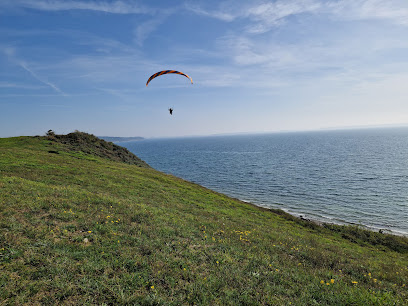
Landmarket Horsedalen
5.7 km
Rare flora and exceptional light in a protected Danish valley.
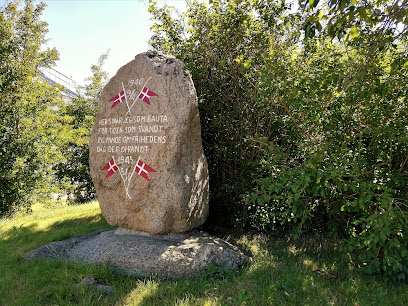
Befrielsessten i Kallerup
10.2 km
A solemn Danish liberation memorial honoring the end of Nazi occupation in May 1945.
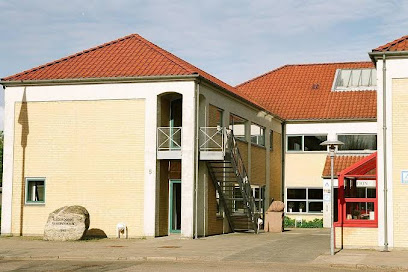
Danhostel Kalundborg
13.7 km
Experience the vibrant heart of Helsingborg at Sundstorget, where culture, dining, and shopping converge in a picturesque square.
Our Lady Church
13.9 km
A medieval masterpiece with five towers symbolizing the Heavenly Jerusalem—architecturally unique and spiritually profound.
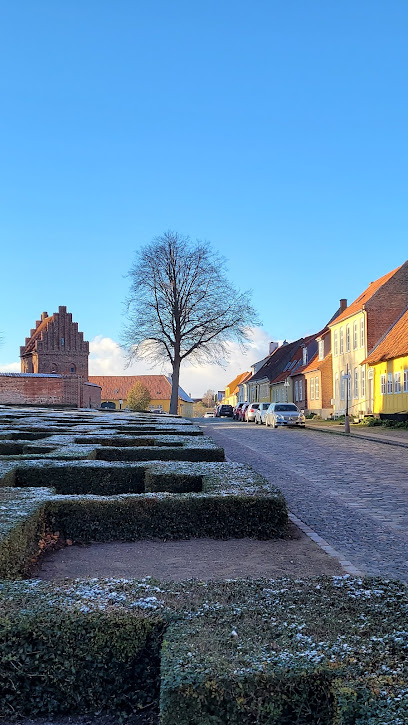
The eltest city hall
14.0 km
A modest medieval town hall in Kalundborg’s Højbyen, where centuries of local power, trade and everyday life still echo in cobbled streets and weathered walls.
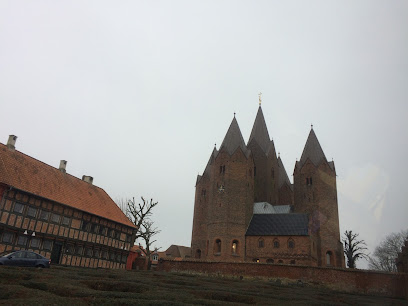
Kalundborg Slot
14.2 km
An invisible castle at the centre of Kalundborg, where streets, stories and subtle traces reveal the outline of a vanished medieval stronghold.
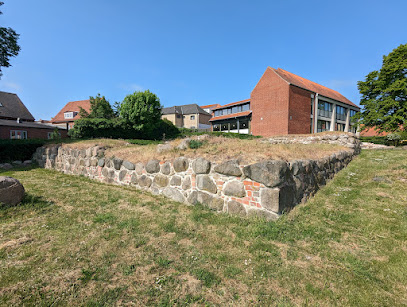
Mindesmærke for Jørgen Manniche
14.3 km
A solemn memorial to an innocent young life lost in the final moments of WWII liberation.
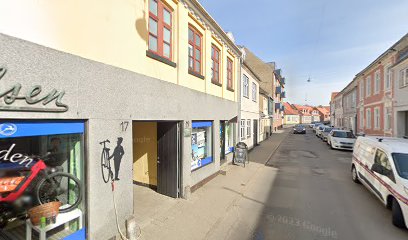
Kalundborg St.
14.5 km
Experience the heart of Helsingborg at Sundstorget, a vibrant square blending history and modernity near the Northern Harbour.
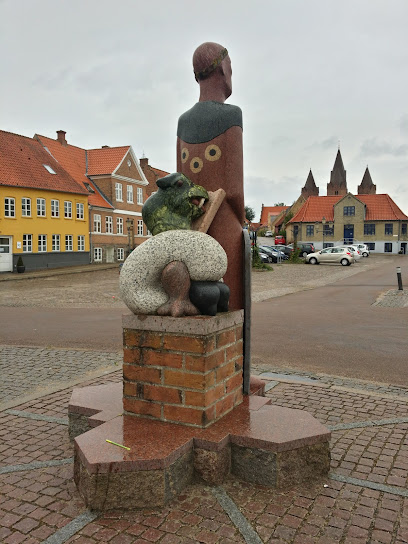
Lerchenborg Gods
15.4 km
An impeccably symmetrical Baroque–Rococo manor near Kalundborg, where preserved architecture, parkland and quiet countryside evoke centuries of Danish noble life.
Ballen Strandpark - Ferielejligheder og feriehus
17.3 km
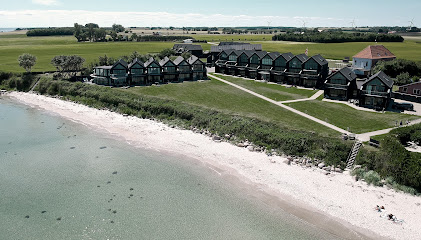
Experience coastal bliss at Ballen Strandpark on Samsø: stunning sea views, direct beach access, and charming apartments near Ballen harbor, perfect for a relaxing island getaway.
The small Summer Hotel
17.7 km
Experience authentic Danish seaside charm at The Small Summer Hotel in Ballen, Samsø, offering cozy accommodations and a perfect base for exploring the island's natural beauty and vibrant culture.

Træ-cirklerne ved Birkendegård
21.1 km
Subtle traces in the fields east of Kalundborg reveal a vast Neolithic ring monument, Denmark’s “Stonehenge”, encircling the hill of Overdrevsbakken.
Samsø Sogn
21.3 km
A modest whitewashed parish in Tranebjerg where Samsø’s island history, everyday rituals and quiet faith meet along bustling Langgade.
Hotel Vadstrup1771
22.1 km
Experience the tranquil charm of Hotel Vadstrup1771, a perfect retreat in the heart of Samsø, blending comfort with local culinary delights.
Ilsemade Helligkilde
24.7 km
A Bronze Age sacred spring where fresh water flows from an ancient hollow oak, connecting modern visitors to 3,000 years of spiritual tradition.
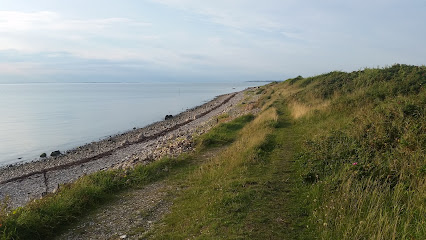
Unmissable attractions to see

Vågehøj Bunker
0.7 km
Cold War concrete hidden in a grassy hilltop, with broad Storebælt views, maritime horizons and a compact underground radarbunker to explore on Røsnæs.
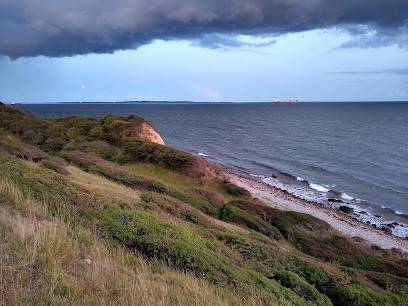
Røsnæs Fyr - Cafe, Brugskunst & Galleri
1.1 km
Wind-battered lighthouse, simple seaside café and small gallery of handicrafts meet at the outer tip of Røsnæs for views, walks and quiet coastal moments.
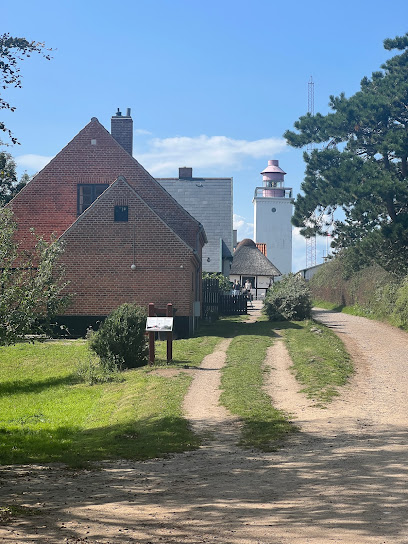
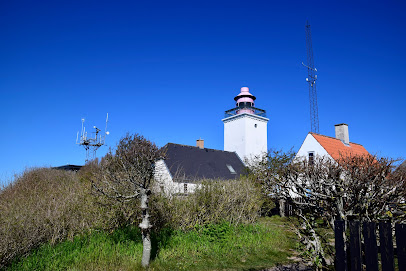
Røsnæs Fyr
1.2 km
Experience the timeless charm of Dragør Havn, where history and coastal beauty converge near Copenhagen.
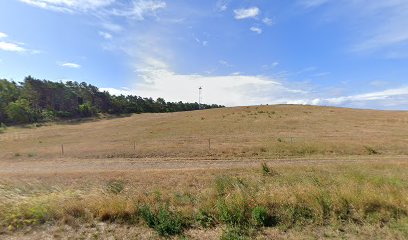
Radar station Koldekrig.
1.3 km
Cold War concrete hidden in a wild coastal landscape, where underground radar rooms once scanned Storebælt and today’s visitors pair military history with sea views.
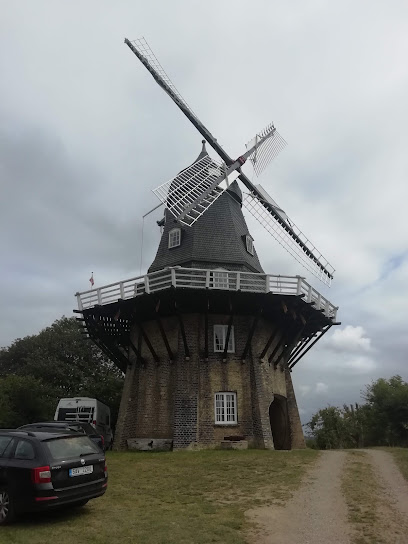
Ulstrup Mølle
4.4 km
Historic Dragør Havn offers timeless maritime charm, colorful fishing boats, and picturesque waterside dining on Amager Island's scenic southern coast near Copenhagen.
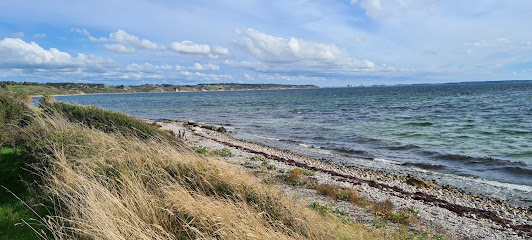
Ulstrup Strand
4.7 km
A tranquil Danish coastal beach offering peaceful seaside walks and authentic waterfront beauty near Kalundborg.
Dyrehøj Vingaard
5.9 km
Denmark’s largest vineyard, spread across the sunny slopes of the Røsnæs peninsula, pairing cool-climate wines with relaxed café life and sweeping coastal views.
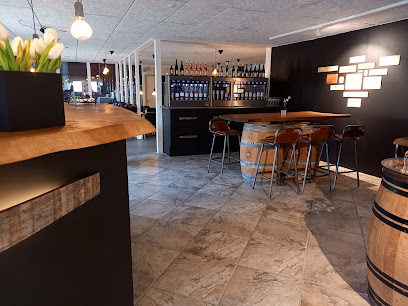
Røsnæs Strandpark jættestue
6.7 km
Step inside an ancient passage grave at Røsnæs Strandpark and experience the atmospheric legacy of Neolithic Denmark amid sweeping coastal scenery near Kalundborg.
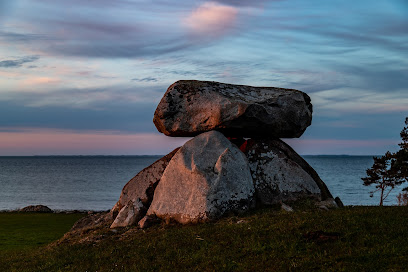
Naturrummet
7.6 km
Glass-walled gateway to the Røsnæs peninsula, blending cozy shelter, maps and stories with sweeping coastal nature right outside the door.
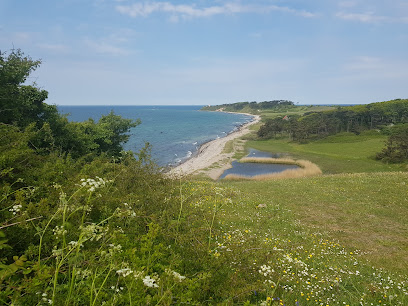
Troldedyssen
10.2 km
A modest Stone Age burial mound in the Kalundborg countryside, Troldedyssen offers a quiet, atmospheric glimpse into Denmark’s Neolithic past.
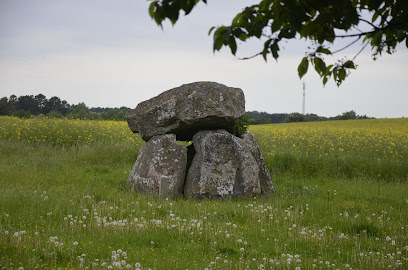
Kalundborg Rocker
13.3 km
Open-air rock and pop festival on Kalundborg’s Gisseløre peninsula, where coastal views, radio masts and big-stage sound merge into one high-energy summer weekend.

Vestborgen
13.7 km
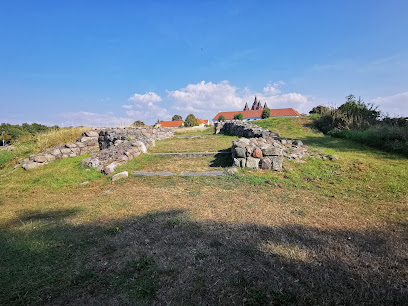
Grassy ramparts, low stone traces and harbor views tell the quiet story of Esbern Snare’s vanished 12th‑century fortress above medieval Kalundborg.
Kalundborg Museum
13.8 km
Intimate town museum in historic Kalundborg, uncovering western Zealand’s medieval, Viking and crusader past through atmospheric rooms and focused exhibitions.
Højbyen Kalundborg
13.9 km
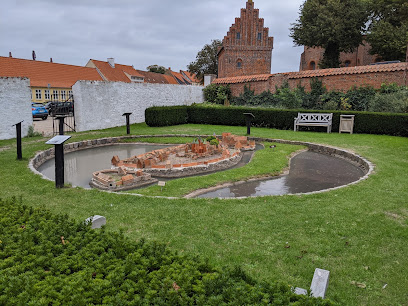
Medieval Kalundborg on a hilltop: a lens-shaped upper town of cobbles, colorful houses and a unique five-towered church overlooking the fjord.
The Bishop's House
14.0 km
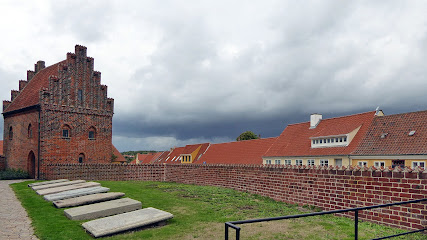
Historic bishop’s residence turned intimate art venue, where medieval brickwork, vaulted cellars and changing exhibitions bring Kalundborg’s past into quiet focus.
Essential places to dine

Café Edderfuglen på Røsnæs
0.5 km
Farm-to-table dining on Denmark's scenic Røsnæs peninsula, where local ingredients meet culinary artistry.
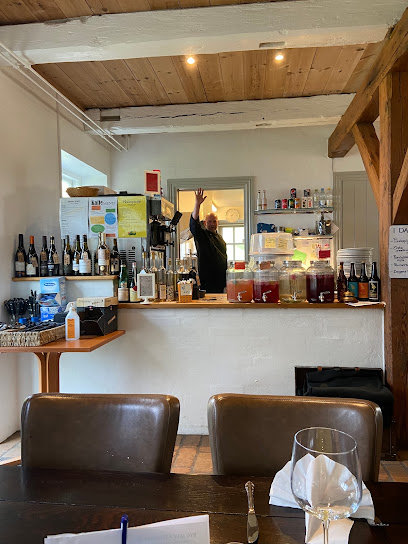
Café Dyrehøj
5.9 km
Relaxed vineyard café on the Røsnæs peninsula, serving seasonal lunches and local wines amid the vines of Denmark’s largest winery near Kalundborg.
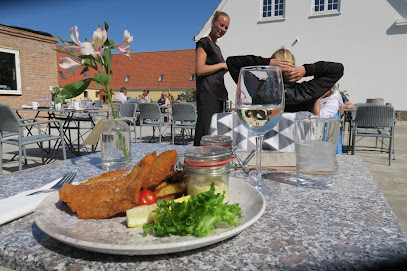
Fra Chilli Til Safran
5.9 km
Relaxed vineyard café on Røsnæs, serving seasonal dishes with a global twist alongside local Danish wines in a rustic courtyard and farm-style setting.
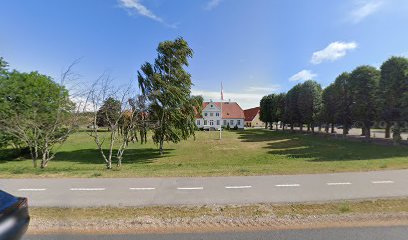
Restaurant Næs
9.3 km
Refined Danish brasserie celebrating local ingredients and coastal charm on Zealand's west coast.
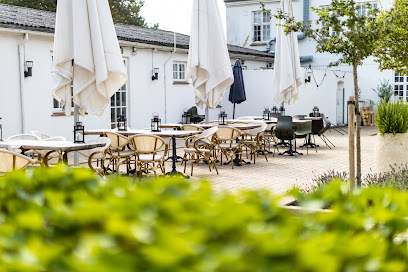
Restaurant Gisseløre
13.3 km
Casual Danish dining with sweeping fjord views, fresh local ingredients and bright, flexible spaces for everything from relaxed lunches to full-scale celebrations.
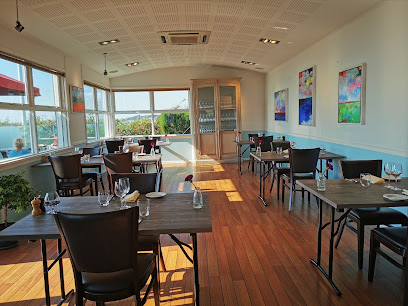
Kalundborg Halls Restaurant
14.0 km
Casual, family-friendly dining inside Kalundborg’s sports halls, serving hearty Danish-style buffets and simple classics for teams, groups and everyday meals.
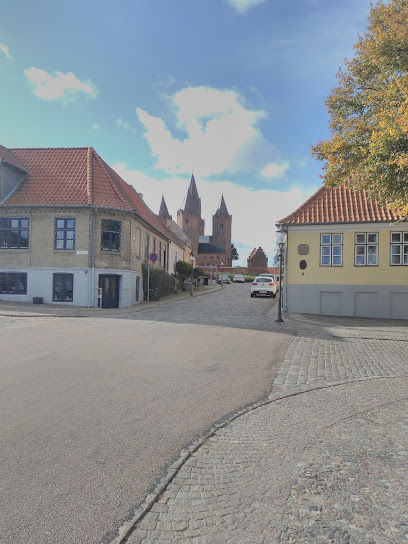
Mysteriøs Middagsmåltid
14.1 km
Intimate harbor-side restaurant in Kalundborg serving seasonal Danish cuisine with a playful, “mysterious” set-menu twist in a cozy Nordic setting.
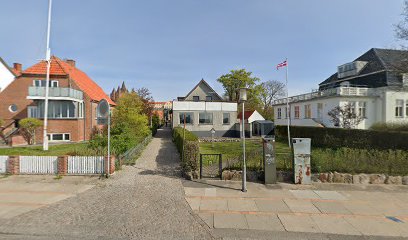
KC Grillen
14.2 km
No-frills chicken shop on Saltbækvej serving classic Danish grill-bar comfort food, generous portions and easy takeaway for everyday meals in Kalundborg.
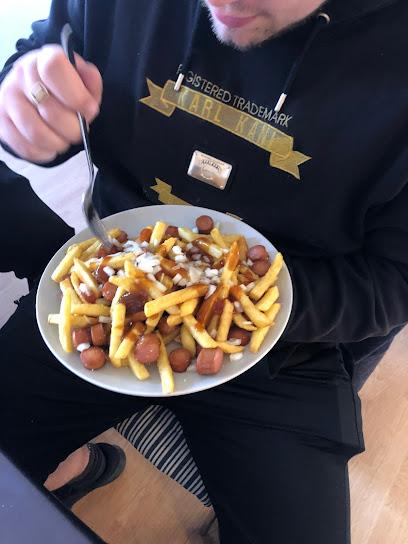
Asgers Fisk
14.2 km
Harbourside fishmonger and casual seafood café in Kalundborg, serving fresh Danish-style fish plates and sharing platters just steps from the marina’s edge.
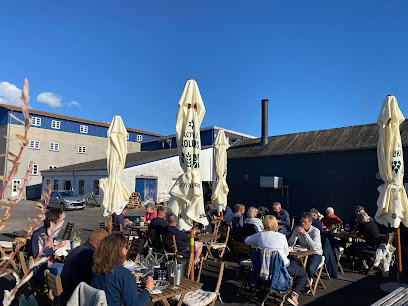
Asgers bar
14.3 km
Harborfront sourdough pizzas, cocktails and Italian-inspired comfort food in an intimate, modern bar with views over Kalundborg’s marina and Vor Frue Kirke.
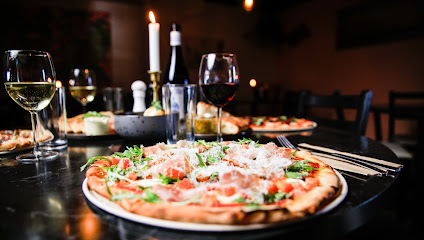
SKØL Brygkompagni
14.3 km
Experience Kalundborg's vibrant craft beer scene at SKØL Brygkompagni, where quality brews and community spirit converge.
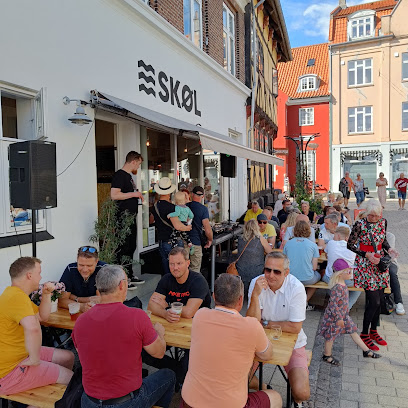
Rhodos Restaurant & Pizzeria
14.3 km
Friendly neighborhood pizzeria in central Kalundborg serving crisp pizzas, hearty grill dishes and relaxed everyday meals from lunchtime through the evening.
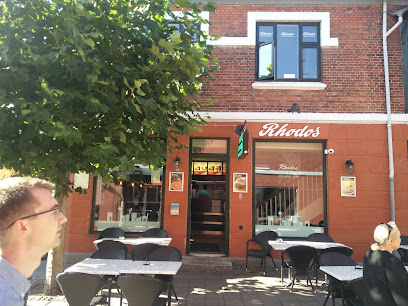
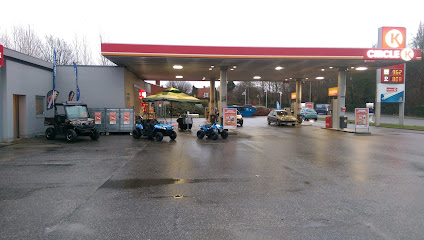
Circle K Esbern Snaresv.,Kal
14.3 km
24/7 Circle K service hub on Esbern Snaresvej in Kalundborg, combining fuel, EV charging, car wash and quick café-style convenience for drivers on the move.
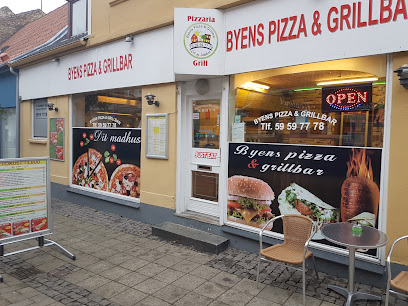
Byens Pizza og Grillbar
14.3 km
Casual neighborhood pizzeria serving wood-fired pizzas, kebabs, and grilled specialties with friendly service and fair prices.
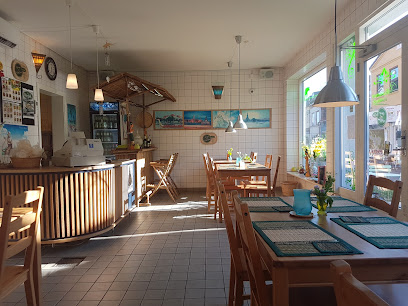
Bangkok-Thai Restaurant
14.3 km
Unfussy Thai comfort food and speedy takeaway in a cosy, central Kalundborg setting close to the harbour and historic town streets.
Markets, malls and hidden boutiques

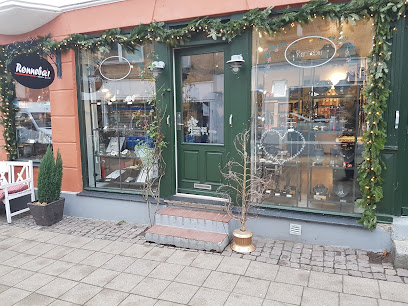
Rønnebær
14.3 km
Artisan jewelry studio and boutique in Kalundborg's historic old town, crafting bespoke designs and Viking-inspired pieces.
Kalundborg Bogbyer
14.3 km
Denmark's newest book town—a volunteer bookshop supporting literature and local youth education.
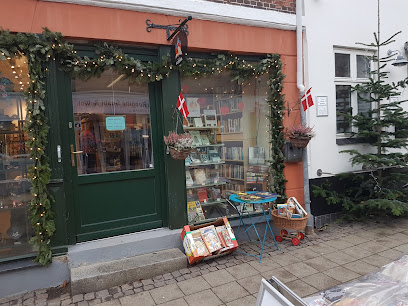
TEKSTUR
14.3 km
A calm, curated clothing boutique on Kalundborg’s main street, blending Scandinavian simplicity, tactile fabrics and warm, personal service in an intimate setting.
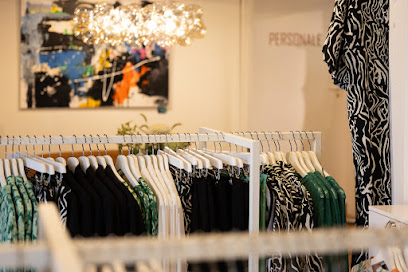
Penselstrøg Krea Café
14.3 km
Paint your own ceramics and create lasting memories in Kalundborg's creative café.
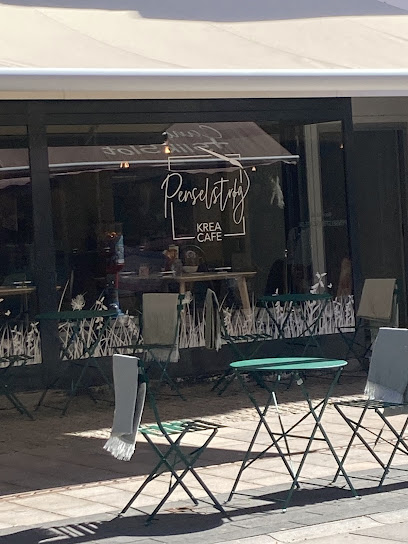
Candy Shop
14.3 km
Kalundborg's beloved candy destination—where sweetness meets convenience in the heart of town.
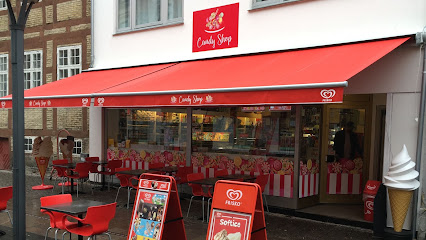
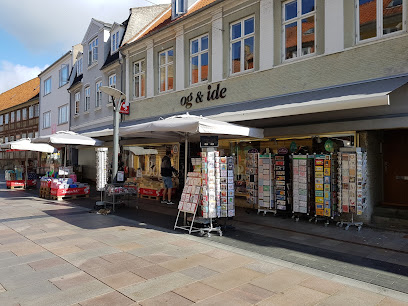
Bog & idé
14.3 km
Local Danish book, gift and hobby store on Kalundborg’s main shopping street, mixing books, games and stationery in a cosy, family‑friendly space.
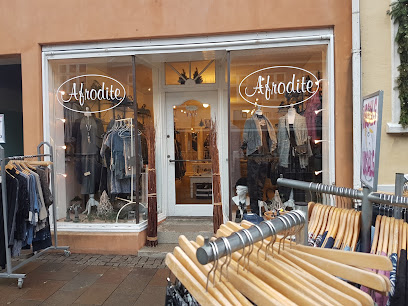
Afrodite
14.4 km
Charming independent boutique in Kalundborg's pedestrian heart, offering quality fashion and genuine hospitality.
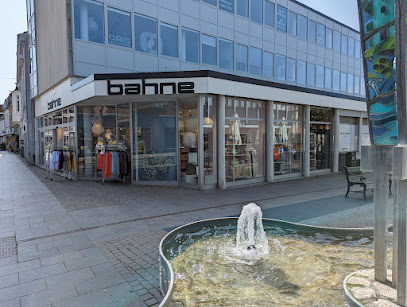
Bahne
14.4 km
A modern Danish lifestyle store on Kalundborg’s main street, blending fashion, home design and gift ideas in a relaxed, design-conscious atmosphere.
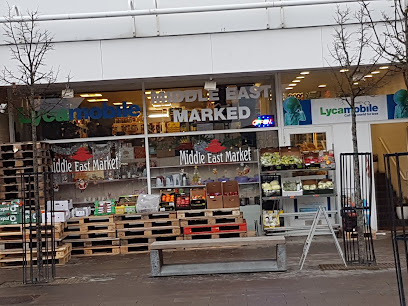
The Middle East Market
14.4 km
A compact Kalundborg grocery packed with Middle Eastern, South Asian and international ingredients, where everyday shopping meets global flavours until late.
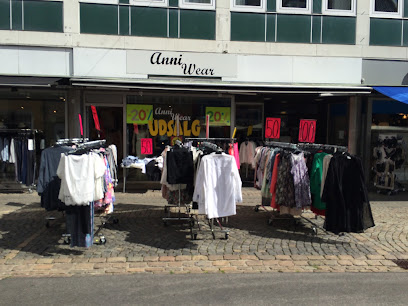
Anni Wear
14.5 km
Cosy women’s fashion boutique on Kalundborg’s main street, offering curated Scandinavian everyday chic, friendly service and a relaxed small-town shopping atmosphere.
Din Tøjmand Kalundborg
14.5 km
Contemporary menswear boutique on Kalundborg's main shopping street, blending quality clothing with personalized service.

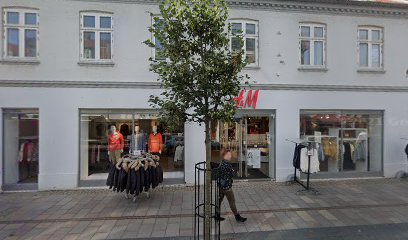
H&M
14.5 km
Central Kalundborg’s go-to high-street fashion stop, offering affordable wardrobe essentials for all ages along bustling Kordilgade.
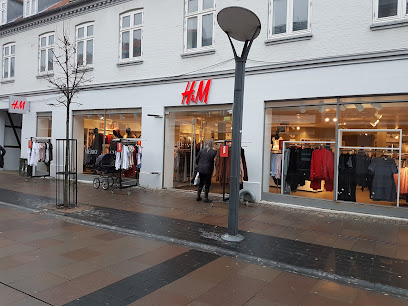
790 Hennes & Mauritz
14.5 km
A compact, no-fuss H&M on Kalundborg’s main pedestrian street, offering affordable fashion for women, men, kids and babies in the heart of this coastal town.
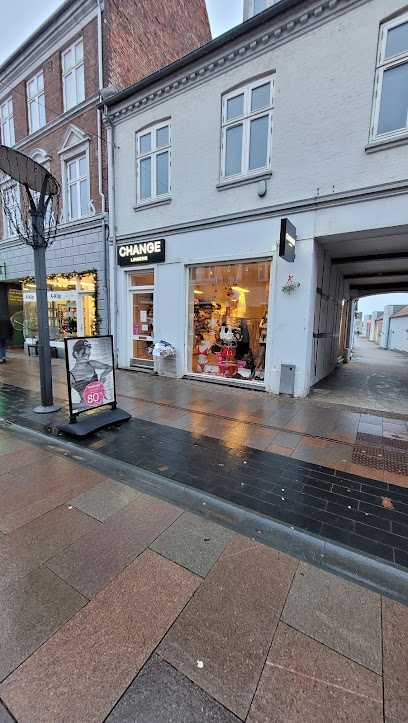
CHANGE Lingerie Outlet
14.5 km
A calm, central Kalundborg boutique for professional bra fittings, Scandinavian lingerie and loungewear at outlet prices on lively Kordilgade.
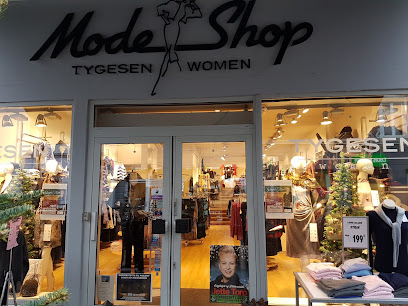
Tygesen Women
14.5 km
Kalundborg's premier women's fashion boutique offering curated designer collections and personalized styling.
Essential bars & hidden hideouts

Kalundborg Jazzclub
14.2 km
Intimate volunteer-run blues and jazz club in central Kalundborg, keeping a 1960s live music legacy alive with close-up concerts and warm community spirit.
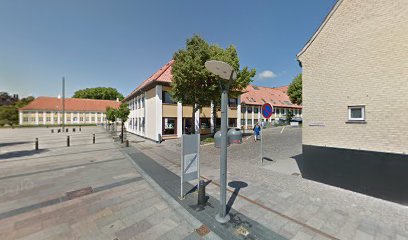
Cafe Lillebælt
14.3 km
Cozy Kalundborg café-bar blending everyday Danish hygge, simple comfort food and drinks, and a neighborhood atmosphere a short stroll from the harbor.
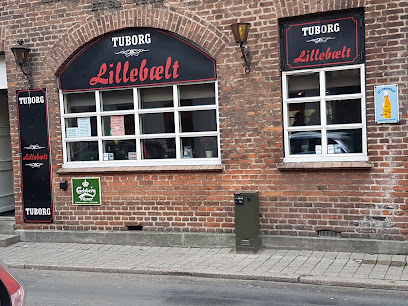
Kontoret
14.3 km
Kalundborg's inclusive waterfront bar where locals and visitors gather for drinks, food, and genuine social connection.
King's Pub
14.4 km
Traditional small-town pub on Kalundborg’s main street, serving straightforward drinks, local character and unpretentious evening atmosphere.
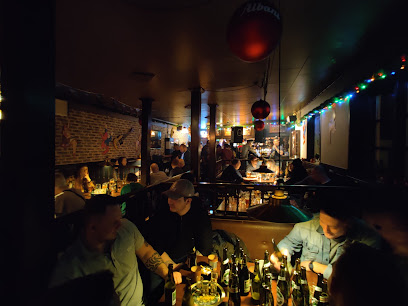
Slotskældergården
14.6 km
Unpretentious Danish bar on Kalundborg’s main street, offering cold beer, warm light and a glimpse of everyday local life along Kordilgade.
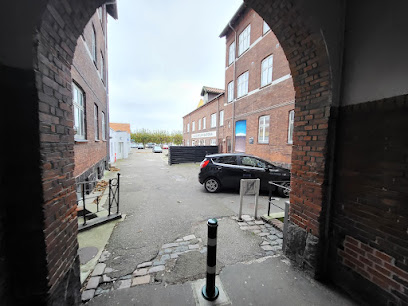
Shooters
14.7 km
Kalundborg’s lively bar and disco club serving up music, drinks, and authentic small-town Danish nightlife on weekends.
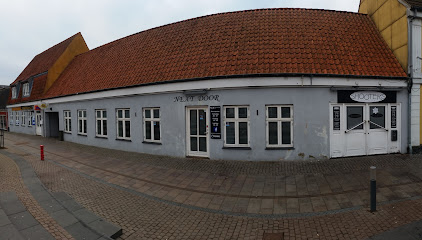
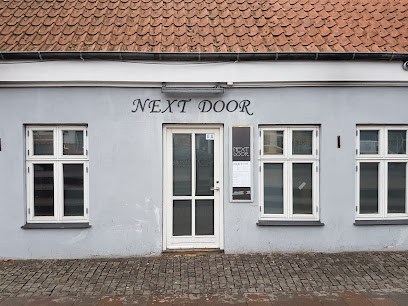
Next Door Pool Bar
14.7 km
Casual pool and sports bar on Kalundborg’s Kordilgade, mixing easygoing drinks, live games on screen and friendly competition around the pool tables.
rullen
18.6 km
Casual festival bar in the heart of Samsø Festival, where cold drinks, sea air and relaxed island vibes create a warm pause between concerts.
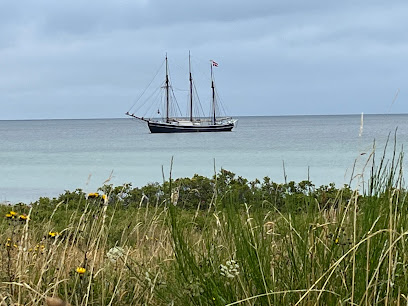
Garagen
18.7 km
Laid-back island bar in the woods of Strandskoven, blending rustic charm, simple drinks and live music with the easy coastal rhythm of Samsø.
Vinkapellet Samsø
19.6 km
Cosy island wine bar in Brundby specialising in organic, biodynamic and natural wines, where intimate surroundings and slow Samsø evenings invite lingering conversations.
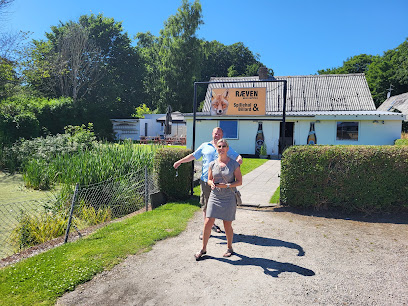
Ræven
21.2 km
Rural Samsø bar and eatery with relaxed island vibes, simple hearty fare, and late-week pub energy in a low-key farmhouse-style setting.
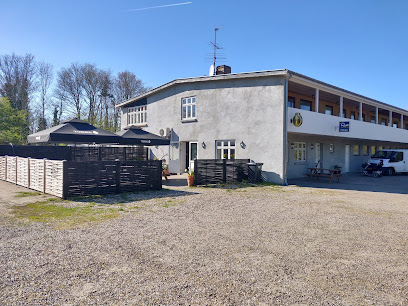
Delfinen Bodega
24.1 km
Unpolished village pub in rural Eskebjerg, where cold beers, card games, and casual conversation capture the essence of classic Danish bodega culture.
Samsø Bryghus
32.2 km
Organic farm brewery and countryside café on Samsø, serving house beers and field‑fresh dishes in a relaxed courtyard of converted farm buildings.
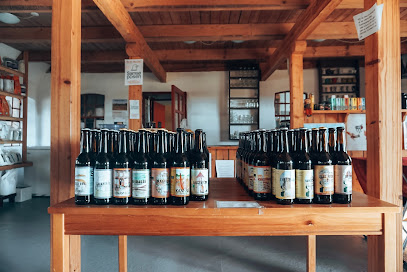
The Red Rubin
47.3 km
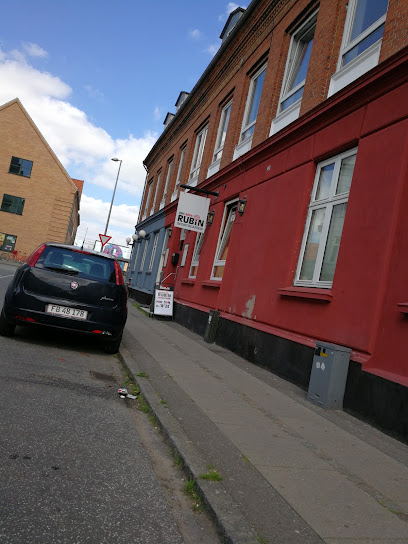
Cozy, no‑nonsense neighborhood bar in central Slagelse, serving straightforward drinks and a relaxed local vibe from daytime until the early hours.
Cafe 23
47.3 km
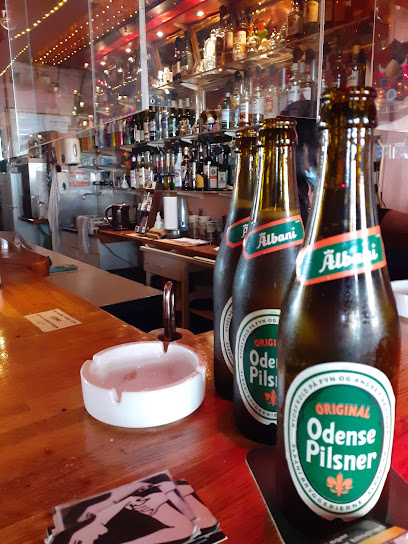
Low‑key, old‑school brown bar in central Slagelse, serving inexpensive drinks and a slice of everyday Danish nightlife in a worn but welcoming setting.
Nightclubs & after hour spots

Juviklubben
14.5 km
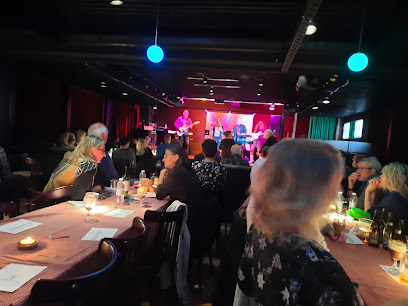
Intimate Kalundborg live music hub and youth club, where generations meet for close-up concerts, casual bar nights and a laid-back, community-driven vibe.
KJ's bodel
48.2 km
Laid‑back local nightspot on Nyborg’s main square, mixing simple drinks, sociable bar chatter and a compact dance floor in an unpretentious setting.
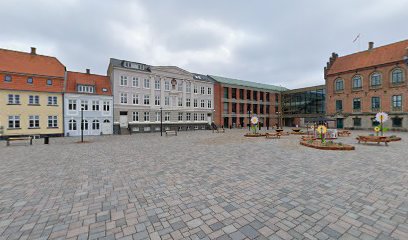
Muzirkus
49.1 km
Nyborg's independent music sanctuary where local bands rehearse, collaborate, and perform since 1974.
BUTCHERS Odense
49.4 km
High-energy nightclub on Odense’s Overgade, mixing pounding bass, lights and late-night drinks in a central old-town setting steps from major sights.
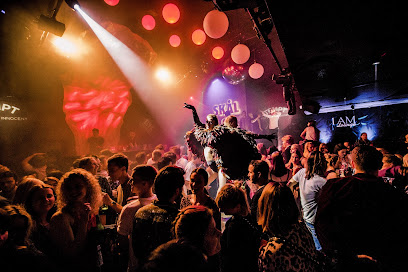
Boogie Dance Café
49.6 km
Odense's oldest disco where retro charm meets genuine community dancing.
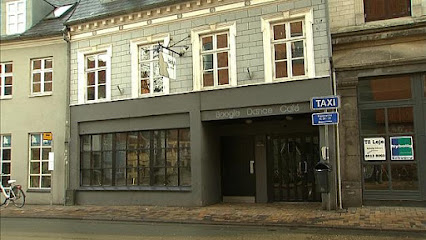
Dansebar Odense
49.8 km
Lively central Odense nightclub with mainstream hits, colorful lights and a sociable dance floor vibe from late evening into the early hours.
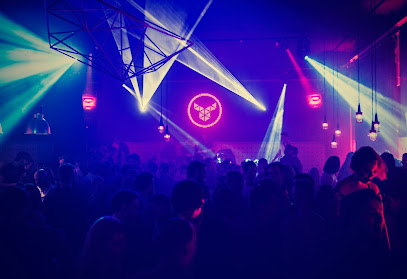
The slaughterhouse Nightclub & Eventhus
49.9 km
Experience industrial-cool nights, live music, and eclectic parties at The Slaughterhouse Nightclub & Eventhus, Odense’s dynamic hub for nightlife and contemporary culture.
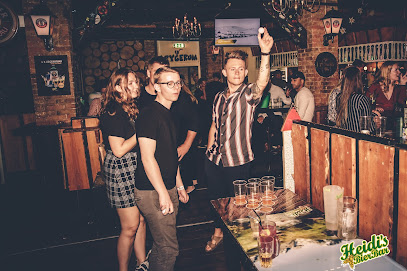
Heidi's Bier Bar Odense
50.1 km
Dance on tables, drink large beers, and celebrate Alpine-style year-round in Odense's most uninhibited nightclub.
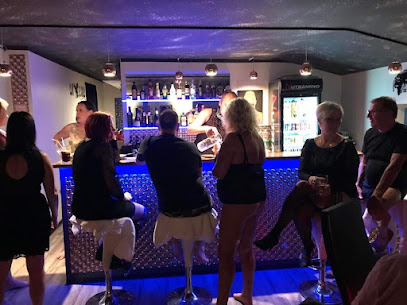
Club El Diablo
50.2 km
Adults-only entertainment venue offering a discreet, welcoming atmosphere for private social experiences.
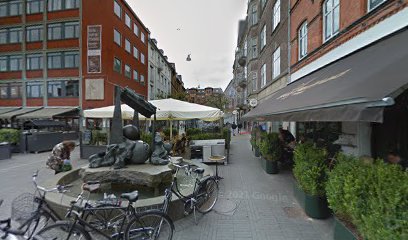
Carlsens Kvarter
50.2 km
Atmospheric pub in Odense C, offering unmatched hygge, an impressive selection of craft beers, and a welcoming local vibe in a characterful historic setting.
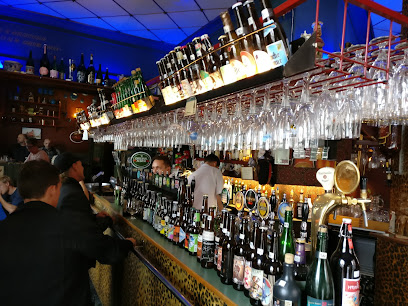
Dance Odense, Funen Square Dance Club
50.4 km
Community-driven square dancing in a cozy Odense neighborhood hall, where callers, patterns and shared rhythm turn an ordinary evening into a friendly social event.
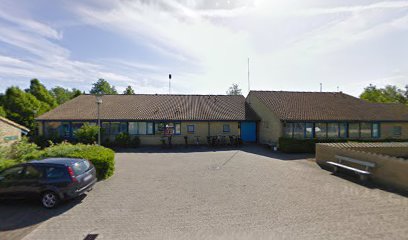
Swingergaarden
50.5 km
Discreet countryside swingers club near Slagelse, offering themed adult nights, intimate play spaces and a rules-based, consent-focused environment for open-minded guests.
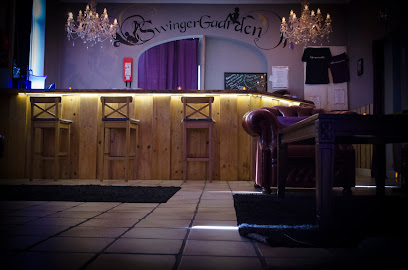
Ahl Strand, Mols Mountains National Park
51.6 km
Explore Ahl Strand, a serene sandy beach near Ebeltoft in Mols Bjerge National Park, where pine forests, shallow seas, and nature create a uniquely Danish coastal escape.
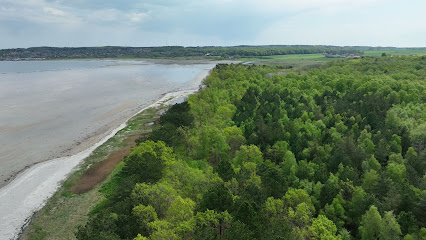
Bastian Bar & Nightclub, Odder - Nightclub
52.8 km
Odder's central nightlife destination for weekend entertainment and social gathering
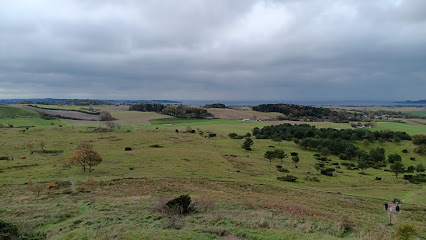
Trehøje Mols
55.9 km
Trehøje in Mols Bjerge: panoramic Bronze Age burial mounds, breathtaking viewpoints, and wild heathland in the heart of Denmark’s national park.
For the vibe & atmosphere seeker
- Scenic
- Tranquil
- Unique
- Adventurous
- Casual
For the design and aesthetic lover
- Rustic Designs
For the architecture buff
- Historic
- Landmarks
- Viewpoints
For the view chaser and sunset hunter
- Iconic Views
- Panoramas
- Sunset Spots
For the social media creator & influencer
- Photo Spots
- Selfie Spots
- Architectural Shots
- Instagrammable
For the eco-conscious traveler
- Low Impact
- Public-Transport Accessible
For the kind of experience you’re after
- Cultural Heritage
- Photowalk
- Adventure Photo Shoot
- Roadtrip Stop
- Day Trip
- Nature Escape
- Myth & Legends
For how adventurous you want the journey to be
- Easy Access
Location Audience
- Family Friendly
- Senior Friendly
- Child Friendly
- Teen Friendly
- Solo Friendly
- Couple Friendly
- Solo Female Friendly


