Borgring, Koge Travel Guide
UNESCO-listed Viking ring fortress and modern museum in the fields west of Køge, where subtle earthworks and big skies bring Harald Bluetooth’s Denmark into focus.
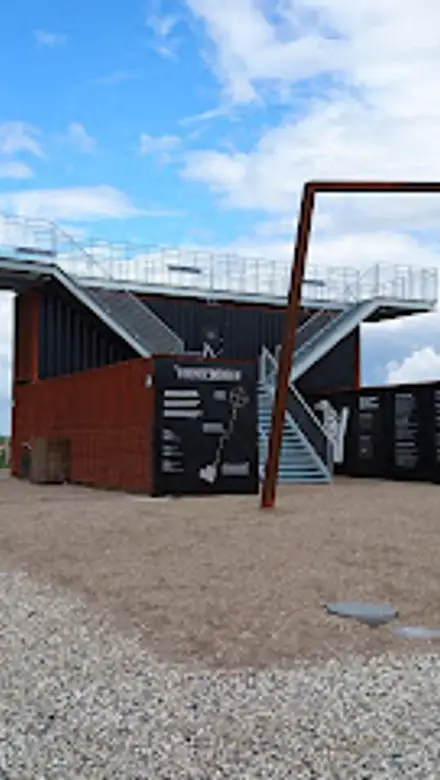
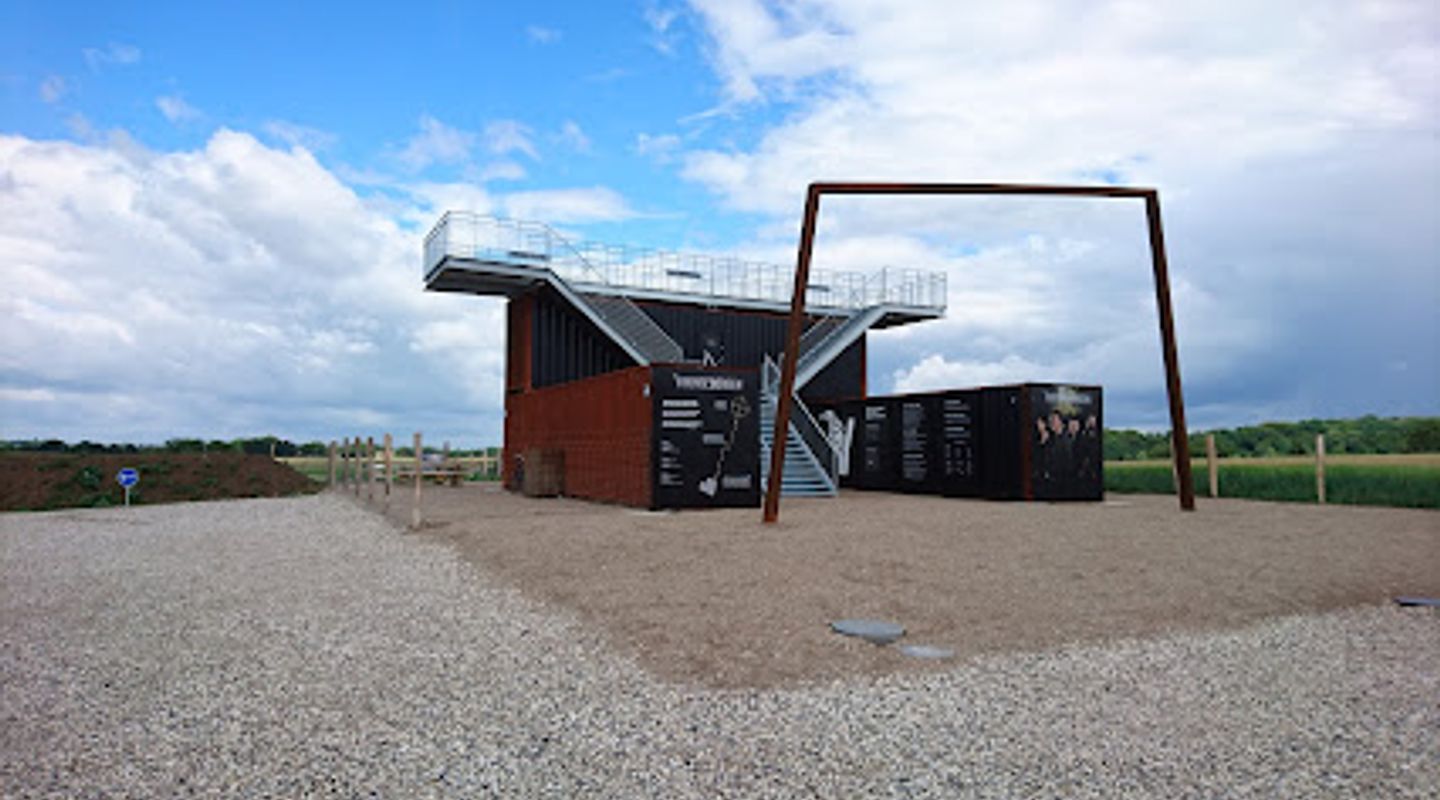
Set amid rolling fields west of Køge, Vikingeborgen Borgring is Denmark’s newest discovered Viking ring fortress and part of a UNESCO-listed network of circular strongholds. A striking contemporary museum overlooks the faint but powerful earthworks of the 10th‑century fortress, linking cutting‑edge archaeology with immersive storytelling about Harald Bluetooth’s kingdom, everyday Viking life, and the dramatic landscape that once guarded a strategic crossroads.
A brief summary to Borgring
- Ringstedvej 190, Køge, 4600, DK
- Click to display
- Click to display
- Duration: 1.5 to 3 hours
- Mid ranged
-
 Mixed
Mixed
- Mobile reception: 4 out of 5

Know before you go
Hi, I'm Eve. Here are a few practical things to know before exploring Borgring.
- Plan at least 2–3 hours so you have time for the indoor exhibitions and the 1.5 km walk out to the ring fortress and back at a relaxed pace.
- Dress for open-country weather: the path to the fortress is exposed to wind, sun, and rain, and can feel chilly even on bright days.
- The trail is gravel and mostly gentle, but the return is uphill; if mobility is limited, consider focusing on the museum’s upper-level views of the ring.
- Photography is rewarding both indoors and outdoors—bring a lens that can capture wide landscapes as well as exhibit details.
- Check seasonal opening hours in advance; the site keeps longer hours in summer than in the colder months.
Do you manage this location?
Take control to get all the benefits, like improved information, better appearance, and stronger visibility across AI-powered discovery. Learn more about listing your business on Evendo
Activate your presenceOther nearby places you may find interesting
The closest places of the same kind, if this one is not quite what you had in mind.
Explore Borgring on the Map
A handpicked selection of must-see spots near Borgring, mapped for you.
Getting There
-
Train and bus from central Køge
From Køge Station, frequent regional trains connect with other parts of Zealand. From the station, bus 260R toward Ringsted typically runs several times an hour during the day and takes around 10–15 minutes to reach the Lellinge Kirke (Ringstedvej) stop. From there, expect a straightforward walk of about 500 meters along a main road environment to the museum entrance. A standard adult bus ticket in the region usually costs around 24–36 DKK depending on zones, and buses are generally accessible for wheelchairs and strollers.
-
Drive from Køge and surrounding areas
Driving from Køge town center to Vikingeborgen Borgring normally takes about 10–15 minutes via main roads, and around 45–60 minutes from Copenhagen under typical traffic. The route follows major arteries rather than small lanes, making it easy to navigate in all seasons. On arrival you will find on-site parking close to the museum. Some visits may incur a parking fee in the range of 20–40 DKK per day, so it is useful to bring a payment card or local payment app. The approach is flat and suitable for standard cars year-round.
-
Cycling from Køge
For an active option, you can cycle from Køge to Borgring in roughly 20–30 minutes, depending on pace. The route uses a mix of local roads and stretches that run parallel to busier traffic, so basic road awareness is important. The terrain is mostly gentle with minor inclines as you near the museum. There is usually space to secure bicycles near the entrance; bring a good lock and lights if you plan to return in the evening. This option is free aside from any bicycle rental costs you may have in town.
For the on-the-go comforts that matter to you
-
 Restrooms
-
 Drink Options
-
 Drinking Water
-
 Food Options
-
 Seating Areas
-
 Sheltered Areas
-
 Trash Bins
-
 Information Boards
-
 Visitor Center
Discover more about Borgring
A circular stronghold in a quiet Danish landscape
Borgring lies just outside the village of Lellinge, where farmland gently dips toward the Køge River valley and the motorway hums in the distance. From the elevated museum, the ring fortress gradually reveals itself as a near‑perfect circle traced in the grass and soil, a subtle outline that rewards slow looking rather than instant spectacle. The setting feels spacious and open, with big skies and low, wind‑brushed fields giving a sense of how exposed and commanding this position would have been in Viking times.Walking the gravel path from the museum toward the site, you move from the contemporary world into a landscape shaped more than a thousand years ago. Information boards mark where walls, gates, and longhouses once stood, helping you translate faint earthworks into a mental reconstruction of a bustling garrison. Skylarks, crows, and distant traffic form the soundtrack; on clear days, the light can be almost cinematic as clouds sweep over the ring.Harald Bluetooth’s ambitious ring fortresses
Borgring belongs to a small, elite family of Viking ring fortresses built in the late 10th century, often dated to the reign of King Harald Bluetooth. These sites share a common design: a circular rampart with four gates aligned to the cardinal points, intersecting roads, and rows of longhouses. The geometry was deliberate, projecting royal control and military readiness across key points in the Danish realm.Here near Køge, the fortress guarded important land routes and access toward the Baltic. Its discovery added a crucial piece to the puzzle of how centralized and organized Viking‑age Denmark really was. Borgring’s late construction phase suggests it was part of a final consolidation of power at a time when Christianity and shifting alliances were reshaping the region.From aerial clue to archaeological sensation
Unlike some older‑known ring fortresses, Borgring remained hidden under farmland until 2014, when archaeologists noticed a suspiciously perfect circle on aerial and drone images. Subsequent geophysical surveys and targeted excavations confirmed the unmistakable pattern of ramparts, gates, and inner structures, turning a quiet field into a headline‑making discovery.Excavations have revealed traces of burnt gates, building remains, and everyday debris that hint at dramatic episodes as well as routine garrison life. The site’s relatively late discovery means that modern methods—dendrochronology, soil analysis, high‑resolution scanning—have been part of the project from the start, making Borgring an important laboratory for Viking‑age research rather than a finished monument.A modern museum with a view into the past
The museum building, designed with sharp lines and generous glass, acts as both lookout and storytelling hub. Inside, exhibition rooms use lighting, large‑scale visuals, and soundscapes to evoke the world of the ring fortress, from royal power politics to the everyday tasks of craftspeople, soldiers, and families connected to the site. Rather than presenting endless cases of objects, the interpretation focuses on context: why ring fortresses mattered, how Borgring was structured, and what the latest findings tell us.Windows frame the landscape like moving dioramas, constantly reminding you that the real star lies outside. From the upper level you can look down toward the ring’s footprint and trace the circular outline, comparing it with reconstructions and plans on the walls. For many visitors, this interplay—museum inside, fortress outside—is what makes the experience feel immersive.Walking the ring and feeling the scale
A 1.5 km gravel trail leads from the museum to the earthworks, gently descending toward the fortress. The walk is easy but can feel long if the wind is strong or the weather unsettled, and the return is uphill. As you approach, the ring’s outer bank rises only modestly above the field, yet standing on the line of the old rampart gives a clear sense of the fortress’s diameter and the effort once invested in its construction.Interpretive points along the way highlight where longhouses stood within the circle and how the four gateways structured movement through the complex. In summer, the contrast between bright crops and the darker traces of archaeology can be especially striking. Even at quieter times, the space invites reflection more than rush: this is a place to walk slowly, look closely, and imagine timber walls, watchfires, and the ordered grid of a Viking military camp.UNESCO recognition and ongoing research
Borgring now forms part of a UNESCO World Heritage listing that unites Denmark’s Viking‑age ring fortresses into a single cultural ensemble. This status underscores their importance as evidence of early state formation in Scandinavia and a sophisticated approach to both defense and symbolism. For Borgring, the designation has anchored its future as a protected heritage landscape rather than a temporary excavation.Research and interpretation continue to evolve, with new analyses refining dates, construction phases, and the reasons for the fortress’s eventual abandonment. For travelers, that means the story is still being written: each visit offers a snapshot of an unfolding investigation into how a compact, geometrically perfect stronghold once shaped the power map of the Viking world.












Your all‑in‑one travel companion app
Explore expert travel guides, compare and book tours, experiences, hotels, and more—all from the palm of your hand. Download now for seamless trip planning wherever your wanderlust takes you.


Explore More of Koge
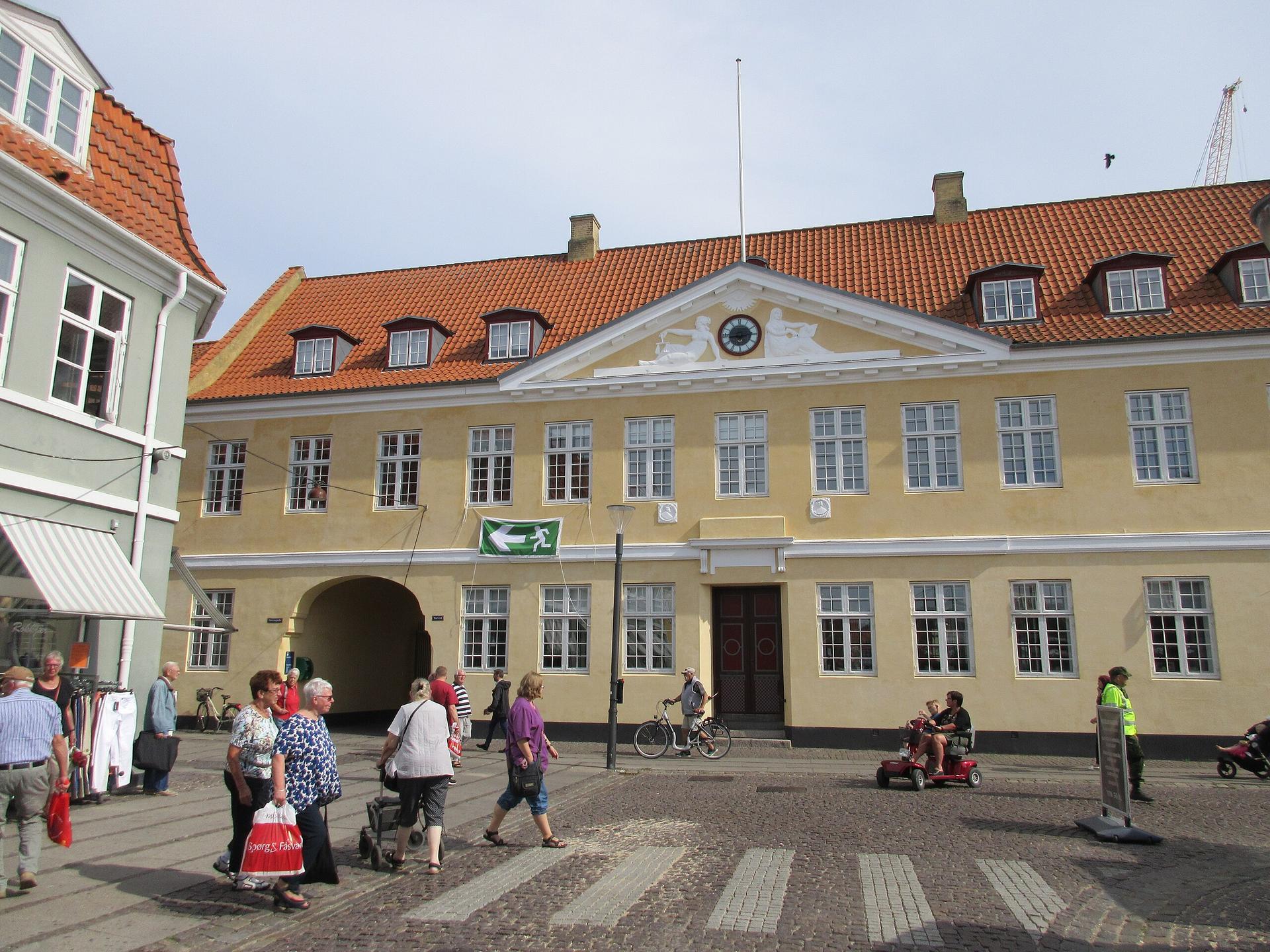
Looking beyond Borgring? Discover Koge for broader travel guides, local hot-spots, and regional highlights.
Explore Koge
A tranquil riverside greenway where woodland ridges, wide meanders and protected wildlife create an easy escape on the very edge of historic Køge.
Gently rising above Køge’s flat fields, Køge Ås is a tree-clad historic ridge where Bronze Age mounds, soft forest paths and everyday local life share the same green corridor.