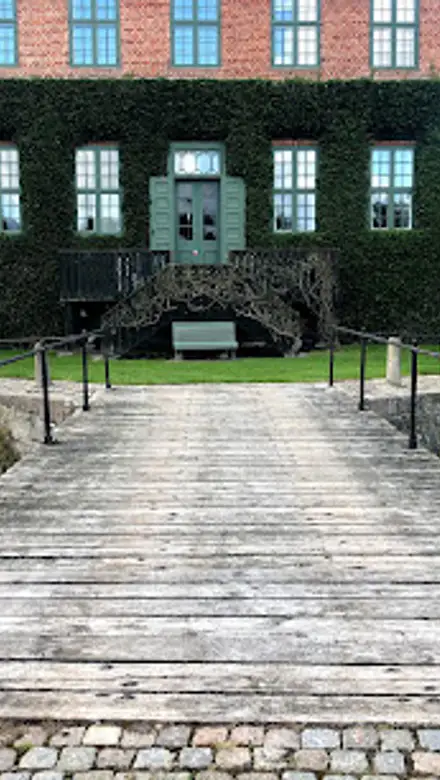
Gammel Køgegård, Køge Travel Guide
Free Guide: Historic Danish manor on the ridge of Køge Ås, combining a 400‑year house with tranquil parkland, river views and a celebrated rhododendron garden.


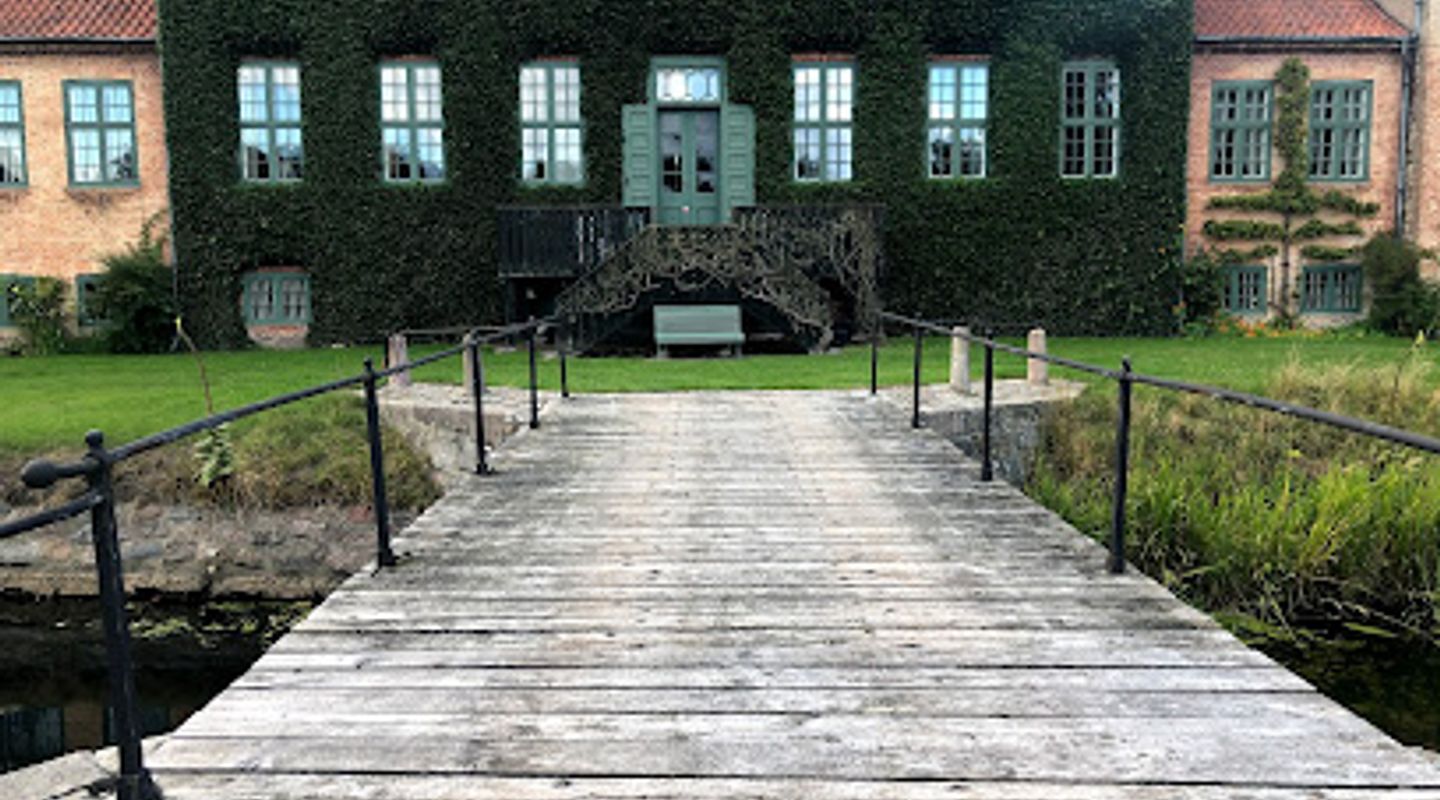
A brief summary of Gammel Køgegård
Historic Danish manor on the ridge of Køge Ås, combining a 400‑year house with tranquil parkland, river views and a celebrated rhododendron garden.
Gammel Køgegård is a historic manor just outside Køge, set on the wooded ridge of Køge Ås with the river curling behind the main house. The estate combines a more than 400‑year architectural story with a beautifully composed park and renowned rhododendron garden. Old timbered wings, classical yellow buildings and sweeping lawns frame quiet paths, tall trees, and seasonal flower displays, creating a tranquil escape that still feels very much like a working Danish country estate.
On-site amenities
 Restrooms
 Seating areas
 Trash bins
 Information boards
- Address
- Gammel Køgegaard 3, 4600 Køge
- Website
Getting there
Regional train and local bus from central Copenhagen
Local bus and walking from Køge town centre
Taxi from Køge Station
Discover more about Gammel Køgegård
A Manor House Above the River
Gammel Køgegård sits on the natural ridge of Køge Ås, looking down towards the gentle curves of the Køge River that slip behind the main house. The estate feels slightly raised above the surrounding countryside, giving you the sense of arriving at a self-contained world of fields, woodland and water. From the moment you approach the courtyard, the composition of buildings, gravel, trees and open sky feels classically Danish and quietly grand.The location has shaped the manor’s role for centuries. The ridge provided dry ground and a natural vantage point, while the river brought water, transport and fertile soil. Today you still sense that practical foundation, but it is softened by old trees, sheltering hedges and carefully framed views from the house out across the landscape.
Four Centuries of Country Life
Although one timber-framed wing dates back to the early 1600s, most of the main building reflects later centuries of rebuilding and refinement. The architecture blends brick and plastered facades with steep roofs and orderly rows of windows, more restrained than flamboyant, but full of character when you pause to notice details like door surrounds and old stone steps.Gammel Køgegård has long-standing ties to some of Denmark’s influential families and, unusually, several decisive periods in its history were shaped by capable women who managed the estate through change. Their choices helped preserve parts of the older buildings while modernising others, so you read layers of time in every facade. Outbuildings, stables and barns still hint at the manor’s agricultural backbone.
Gardens, Parkland and Rhododendrons
Behind and beside the house, formal structure relaxes into parkland. Broad lawns flow into groups of mature trees, while paths lead you towards the most celebrated feature: the rhododendron park. Here, in late spring and early summer, banks of rhododendrons and azaleas erupt in colour, creating shifting corridors of pinks, purples, whites and oranges beneath tall trunks.Even outside the main flowering season the garden remains atmospheric. Evergreen shrubs, textured bark, and the filtered light under the canopy give the park a quietly theatrical feel. The planting has been curated over time, with different varieties extending the bloom period and adding subtle differences in leaf shape and growth habit. Benches and clearings invite you to pause and listen to birdsong or the faint sound of the river.
Strolling the Estate Grounds
A visit here is unhurried by design. You wander on gravel, grass and forest paths rather than following a rigid route. One moment you are close to the house, smelling sun-warmed stone and hearing the crunch of footsteps in the courtyard; the next you are beneath tall trees, with the air cooler and the light softened. Seasonal shifts are part of the experience: crisp leaves in autumn, bare silhouettes in winter, fresh green on the beech trees in spring, and deep shade in high summer.The terrain is mostly gentle, though some slopes reflect the natural ridge. This variety adds depth to the walk without turning it into a strenuous hike. Glimpses of fields and distant farm buildings remind you that this is still a working estate, not a detached show garden.
Heritage Atmosphere on the Edge of Town
One of the quiet pleasures of Gammel Køgegård is how close it lies to Køge and yet how rural it feels. You step from a small town context into an environment that has evolved over centuries with relatively subtle changes. The combination of manor architecture, historic ownership, and designed but still naturalistic parkland makes it an evocative place to reflect on Danish country life.Whether you come for a short garden stroll, a longer walk across the ridge of Køge Ås or simply to enjoy the sight of the manor framed by ancient trees, the estate offers a calm, slow-paced contrast to urban Denmark, anchored in its riverbank setting and long, quietly told history.
Evendo Review Centre
 Google
Guest reviews
Best time to go
Quietest: Jan, Feb & Nov · before 8am or at 8pm
Busy times are Evendo estimates for a typical year, to help you plan. Actual crowds vary with events, school holidays and the weather.
Explore Gammel Køgegård on the map
A handpicked selection of must-see spots near Gammel Køgegård, mapped for you.
Get your free copy of our complete guide to Gammel Køgegård, delivered straight to you.
Everything on this page, from opening hours and how to get there to Eve’s tips and the best time to go, in one PDF you can read offline, print or share.
Already have an account? Sign in
Your Gammel Køgegård guide is ready.
We'll send it to · Not you? Sign out

Getting your guide ready…
We are putting together a fresh copy of the Gammel Køgegård guide. This can take up to a minute.
This can take a few moments. If your browser asks, choose Allow so the download can start. You'll find the guide in your Downloads folder.
Nothing happened? Download it again
Sorry, the guide is taking longer than usual. Please try again in a minute, or get it by email instead.
Other nearby places you may find interesting
The closest places of the same kind, if this one is not quite what you had in mind.
-
-
-
-
-


Swipe for more places
More to explore near Gammel Køgegård

 Best experiences near Gammel Køgegård
 Best hotels near Gammel Køgegård
 Best landmarks near Gammel Køgegård
 Best attractions near Gammel Køgegård
 Best shops near Gammel Køgegård
 Best restaurants near Gammel Køgegård
 Best bars near Gammel Køgegård
Do you manage this location?
Take control to get all the benefits, like improved information, better appearance, and stronger visibility across AI-powered discovery.
Explore more
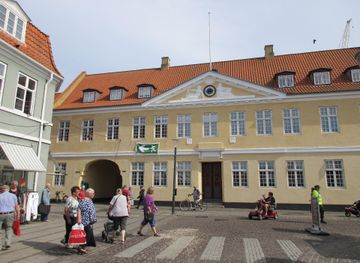
Explore more of Køge
Explore Køge, Denmark's coastal gem, with its medieval charm, beautiful marina, and close proximity to the stunning Stevns Klint UNESCO World Heritage site.
Explore Køge
Explore more of Denmark
Discover Denmark: A perfect blend of history, modern design, and the cozy concept of hygge. Explore vibrant cities, serene landscapes, and world-class cuisine.
Explore Denmark