
Brønden på Køge Torv, Koge Travel Guide
A German-inspired historic well on Køge’s grand market square, where everyday water, medieval trade and modern town life quietly flow together.
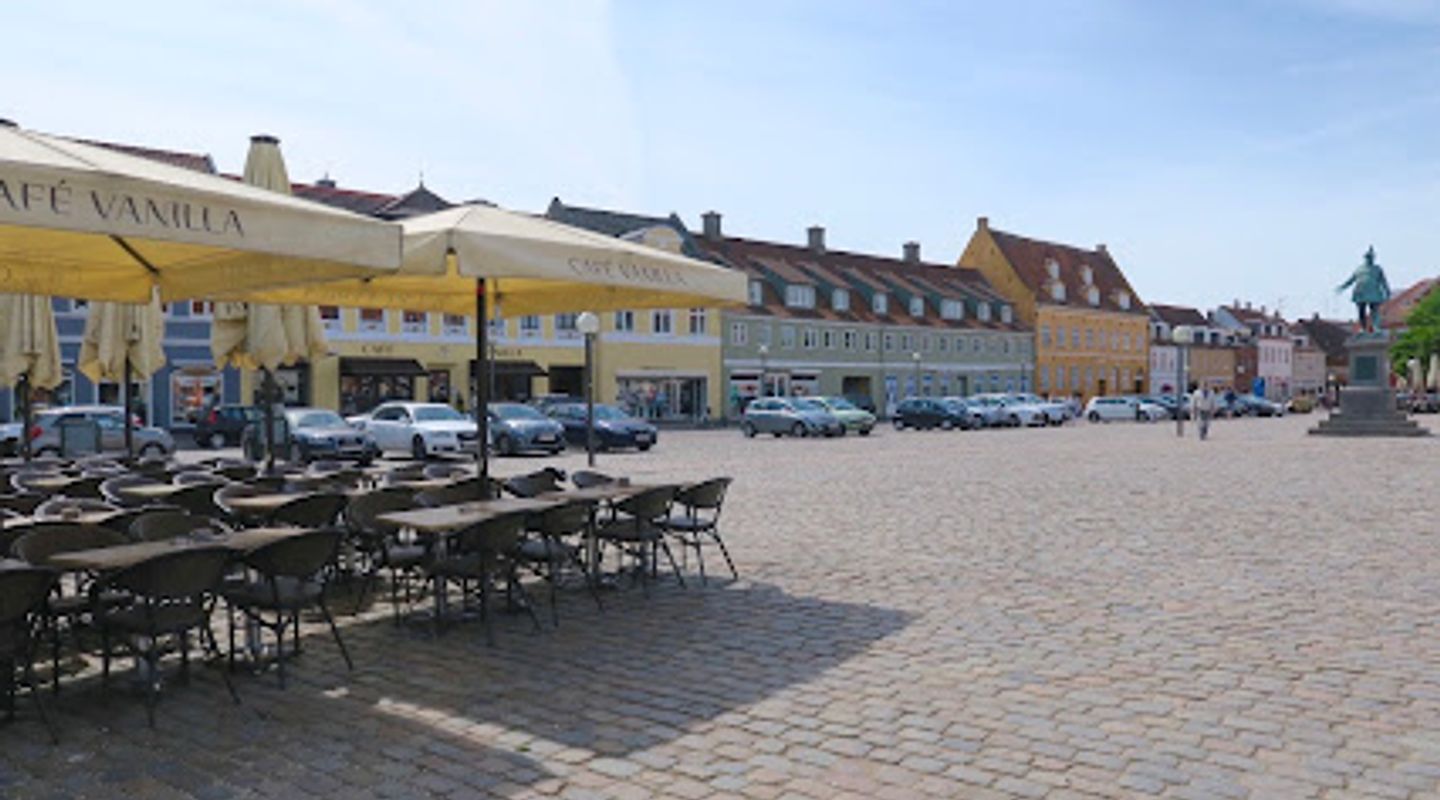
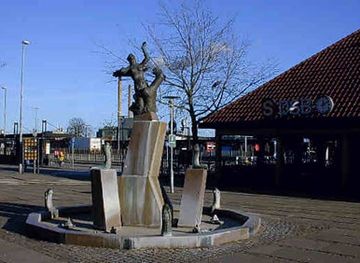
Brønden på Køge Torv is a characterful historic fountain set on one of Denmark’s largest medieval market squares in the heart of Køge. Donated by local pharmacist Anders Nielsen and inspired by German designs, the well marks where townspeople once drew their water. Today it forms a charming focal point amid cobbled stones, colourful gabled houses and lively market days, linking everyday life with the town’s centuries-old trading traditions.
A brief summary to Brønden på Køge Torv
- Køge, 4600, DK
- Duration: 0.25 to 1 hours
- Free
-
 Outdoor
- Mobile reception: 5 out of 5

Know before you go
Hi, I'm Eve. Here are a few practical things to know before exploring Brønden på Køge Torv.
- Visit on a Wednesday or Saturday morning to see the fountain framed by bustling market stalls and experience Køge Torv at its liveliest.
- Bring a camera or phone: the combination of the well, cobblestones and colourful gabled houses makes for atmospheric, close-up detail shots.
- Allow time to wander the edges of the square; the well works well as a central reference point so you can explore side streets without getting disoriented.
- In colder months, pair a quick stop at the well with a warm drink from a nearby café and watch daily life unfold around the square.
Do you manage this location?
Take control to get all the benefits, like improved information, better appearance, and stronger visibility across AI-powered discovery. Learn more about listing your business on Evendo
Activate your presenceOther nearby places you may find interesting
The closest places of the same kind, if this one is not quite what you had in mind.
Explore Brønden på Køge Torv on the Map
A handpicked selection of must-see spots near Brønden på Køge Torv, mapped for you.
Getting There
-
Train from Copenhagen
From Copenhagen take a regional train towards Køge or Næstved; services run several times an hour and the journey to Køge Station takes about 35–45 minutes. A standard adult single ticket typically costs around 80–110 DKK depending on discounts and time of day. From the station it is an easy, mostly level walk of roughly 10–15 minutes through the town centre to Køge Torv and the fountain, suitable for most visitors and wheelchair users in dry weather.
-
Regional bus within Køge area
If you are already in the Køge area, regional buses serving the town centre stop near Køge Station and adjoining streets, from where you can walk to the square in about 10–15 minutes. Typical bus journeys within the local zone take 10–30 minutes and cost in the range of 24–36 DKK for an adult single ticket. Services run frequently on weekdays but may be less frequent in evenings and on Sundays, so check the timetable in advance.
-
Car from Zealand destinations
Travelling by car from other towns on Zealand, allow about 30–40 minutes from Roskilde or 45–60 minutes from central Copenhagen under normal traffic. Public parking areas are available within walking distance of Køge Torv, with a mix of time-limited free spaces and paid zones costing roughly 10–20 DKK per hour. Spaces can be busy on Wednesday and Saturday market days and during events, so plan extra time to park and walk 10–15 minutes to the square.
For the on-the-go comforts that matter to you
-
 Restrooms
-
 Drink Options
-
 Drinking Water
-
 Food Options
-
 Seating Areas
-
 Trash Bins
-
 Information Boards
Discover more about Brønden på Køge Torv
A historic well at the heart of Køge
Brønden på Køge Torv stands in the middle of Køge’s broad cobbled market square, a reminder of the days when the entire town depended on this spot for fresh water. Long before pipes and taps, residents gathered here with buckets, sharing news as they waited their turn. The fountain’s position is no accident: Køge Torv has been the town’s commercial and social centre since the late 13th century, and water was as vital to trade as it was to daily life.The current well was gifted to the town by Anders Nielsen, a local pharmacist and materialist who wanted something both practical and decorative for the square. Modelled on German examples he admired, his donation turned a simple necessity into an ornament that reflected the ambitions of a growing market town.German-inspired design in a Danish square
Look closely at the fountain’s structure and you notice its Central European character. The stone basin, metalwork and upright superstructure echo designs seen in German towns, with clear lines and functional detailing rather than lavish ornament. It is robust and slightly austere, designed to withstand hard use and harsh weather, yet it has a quiet elegance that fits comfortably among Køge’s timbered facades.This blend of practicality and modest decoration mirrors Køge itself: a trading town shaped by contacts across the Baltic and North Sea. The well’s form hints at those connections, suggesting how ideas in engineering and urban design travelled with merchants alongside their goods.From water source to meeting point
Today Brønden no longer supplies the town’s drinking water, but it continues to anchor life on the square. On market days, stalls of vegetables, flowers, cheeses and fish cluster nearby, and the sound of voices and bargaining frames the constant splash of the fountain. It serves as a natural rendezvous point: a place to pause with a coffee, wait for friends or let children circle safely while adults take in the surroundings.The rhythm of the day is easy to watch from here. Early mornings bring delivery vans and stallholders setting up; later, locals and visitors mingle between produce and pavement cafés. In winter, when the town’s Christmas tree rises on the square, the well becomes part of a festive scene of lights and decorations.Cobbles, gables and layers of time
Part of the charm of the well lies in what surrounds it. The cobblestone surface underfoot, worn smooth in places, bears the traces of carts, hooves and feet from many centuries. Around the edges of the square, colourful houses and the town hall form a low, irregular skyline that frames the fountain in every direction. Viewed from different angles, the well lines up with narrow streets and old façades, making it a useful reference point when you explore the historic centre.Subtle details reward a slower look: the way drainage channels disappear into the cobbles, the patina on the metal railings, the slight tilt of older buildings that have settled over time. Together they create a sense of continuity, with the well as a quietly enduring presence.A small monument with a big story
Though modest in scale, Brønden på Køge Torv speaks to broader themes in the town’s history: the importance of shared resources, the pride of benefactors like Anders Nielsen, and Køge’s long-standing ties to continental Europe. It shows how even everyday infrastructure can become a symbol of identity when placed in a public space and used over generations.For visitors, it is an easy landmark to seek out, yet its story repays curiosity. Standing by the edge of the basin, listening to the water, you are at the intersection of trade, community and urban design – a compact lesson in how a simple well can help shape the life of an entire town.












Your all‑in‑one travel companion app
Explore expert travel guides, compare and book tours, experiences, hotels, and more—all from the palm of your hand. Download now for seamless trip planning wherever your wanderlust takes you.


Explore More of Koge
Looking beyond Brønden på Køge Torv? Discover Koge for broader travel guides, local hot-spots, and regional highlights.
Explore Koge