

Køge Ås, Koge Travel Guide
Gently rising above Køge’s flat fields, Køge Ås is a tree-clad historic ridge where Bronze Age mounds, soft forest paths and everyday local life share the same green corridor.
Køge Ås is a gently undulating ridge and woodland belt just west of Køge, known for its 3.2 km historic trail past Bronze Age burial mounds and views towards Køge River and the surrounding countryside. Once shaped by ice-age meltwater, this green corridor now offers easy walking and running paths, shady beech and mixed forest, and a tangible sense of deep time within minutes of the town. It is a low-key, atmospheric escape ideal for casual strolls, nature breaks and soft outdoor exploration.
A brief summary to Køge Ås
- Køge, DK
- Duration: 1 to 3 hours
- Free
-
 Outdoor
- Mobile reception: 4 out of 5

Know before you go
Hi, I'm Eve. Here are a few practical things to know before exploring Køge Ås.
- Walk the full 3.2 km historic trail to see all five Bronze Age burial mounds and get a feel for how the ridge runs like a spine along the town’s edge.
- Wear comfortable shoes suited to forest paths; surfaces are generally easy but can be sandy, uneven or muddy after rain.
- Visit in early morning or late afternoon for softer light through the trees and a better chance of spotting deer and birdlife.
- Bring water and snacks, as there are no cafés directly on the ridge; plan to use facilities in Køge before or after your walk.
- If you enjoy longer outings, combine Køge Ås with a section of the nearby Køge River path for a varied loop of forest and waterside walking.
Do you manage this location?
Take control to get all the benefits, like improved information, better appearance, and stronger visibility across AI-powered discovery. Learn more about listing your business on Evendo
Activate your presenceOther nearby places you may find interesting
The closest places of the same kind, if this one is not quite what you had in mind.
Explore Køge Ås on the Map
A handpicked selection of must-see spots near Køge Ås, mapped for you.
Getting There
-
Train and walking from central Køge
From Køge railway station, allow about 15–25 minutes on foot to reach access points along Køge Ås via local streets and paths. The walk is mostly flat and paved until you reach the ridge itself, where surfaces become forest tracks that may be uneven or slippery in wet weather. There is no extra cost beyond your train ticket to Køge, and this option suits most visitors comfortable with a short urban walk followed by easy woodland terrain.
-
Local bus and short walk
Several local bus routes within Køge stop in residential areas bordering Køge Ås, reducing walking time to roughly 5–10 minutes from the nearest stop to the ridge. Expect the bus ride within town to take around 10–20 minutes depending on route and time of day. Single tickets typically cost the same as other urban bus journeys in Denmark and can be bought from ticket machines or via travel apps. This option is convenient in poor weather, but note that services run less frequently in evenings and on weekends.
-
Car access from the Køge area
If you arrive by car within the Køge region, you can use public parking areas near residential streets that border the forest belt, then walk 5–15 minutes along local paths to reach the ridge. Driving time from central Køge is usually 5–10 minutes depending on traffic. Parking is often free or low-cost in suburban areas, but time limits may apply closer to the town centre, so always check local signs. The final approach is on foot along unpaved woodland paths that are not ideal for those with very limited mobility.
For the on-the-go comforts that matter to you
-
 Seating Areas
-
 Trash Bins
-
 Information Boards
Discover more about Køge Ås
Ancient Ridge on the Edge of Town
Køge Ås is a long, low ridge of woodland that rises gently above the flat landscapes west of Køge. Formed by ice-age meltwater streams, it now appears as a green spine of trees and paths between the town and open farmland. Here, the noise of traffic fades quickly, replaced by birdsong, rustling leaves and the distant murmur of the nearby Køge River.From the first steps onto the ridge, you sense how it separates you from the surrounding urban fabric. Houses and roads slip from view behind the tree line, and in their place come sandy paths, mossy banks and glimpses through the branches towards fields and wetlands. It feels like a narrow, linear park with a distinctly natural character, more forest belt than manicured garden.Bronze Age Mounds in the Beech Woods
The most striking feature of Køge Ås is its chain of Bronze Age burial mounds. Scattered along a roughly 3.2 km signed trail, these rounded earthworks rise subtly from the forest floor, some cloaked in beech roots and leaf litter, others standing out clearly in small clearings. Information boards along the way explain how local chieftains were buried here more than 3,000 years ago, turning the ridge into a ceremonial landscape.Walking between the mounds, you trace a route that people have used for millennia, first as a natural high road in a damp lowland, later as a historic track between farms and villages. The combination of archaeology and everyday nature gives the place a quiet gravity: you are never far from a reminder that this peaceful forest has been shaped by human hands for far longer than modern Køge has existed.Paths, Views and Everyday Outdoor Life
Køge Ås is designed for simple, unhurried outdoor time. Soft forest paths follow the crest of the ridge, with gentle gradients that suit most walkers, runners and families with older children. Occasional side trails dip down towards clearings and meadows, offering spots to sit on a fallen log, spread out a picnic blanket or watch the light shift in the canopy overhead.In places the trees thin, opening modest views across fields, allotments and the low valley where Køge River winds towards the Bay of Køge. The landscape is never dramatic, but its small-scale variety is part of the charm: a pocket of pine here, a wet hollow with reeds there, a sunlit glade of young birch beyond the next bend. It is the kind of green space that easily weaves into daily routines, whether for a short evening walk or a longer weekend loop.Link in a Larger Green Corridor
Although Køge Ås feels self-contained, it forms part of a broader network of trails and natural areas around the town. Not far away, the gravel path along Køge River stretches for over twenty kilometres inland, and the ridge itself acts as a natural buffer between urban districts and agricultural land. This makes the Ås an important ecological corridor for birds and small mammals moving through the landscape.The mix of older trees and younger plantings provides varied habitats, from shaded trunks where woodpeckers search for insects to sunny edges favoured by butterflies and songbirds. For visitors, this translates into subtle but rewarding nature watching: a flash of a deer between trunks at dusk, the drumming of a woodpecker in early spring, or the first wildflowers pushing through last year’s leaves.Quiet Moments and Local Rhythm
The atmosphere on Køge Ås shifts gently with the time of day and season. Early mornings can feel almost contemplative, with dew on the grass and long slanting light along the ridge. Later in the day, joggers and dog walkers share the paths, giving the area a relaxed, lived-in energy without disturbing its sense of calm. Autumn brings carpets of copper leaves and clear air; winter strips the branches bare, revealing more of the surrounding landscape.For many locals, the Ås functions as an informal meeting ground: a place for everyday conversations, solitary thinking walks, or simply a short green detour on the way home. For visitors, it offers an accessible window into Denmark’s layered landscapes, where ice-age geology, Bronze Age ritual and contemporary town life quietly overlap on a single, tree-lined ridge.












Your all‑in‑one travel companion app
Explore expert travel guides, compare and book tours, experiences, hotels, and more—all from the palm of your hand. Download now for seamless trip planning wherever your wanderlust takes you.


Explore More of Koge
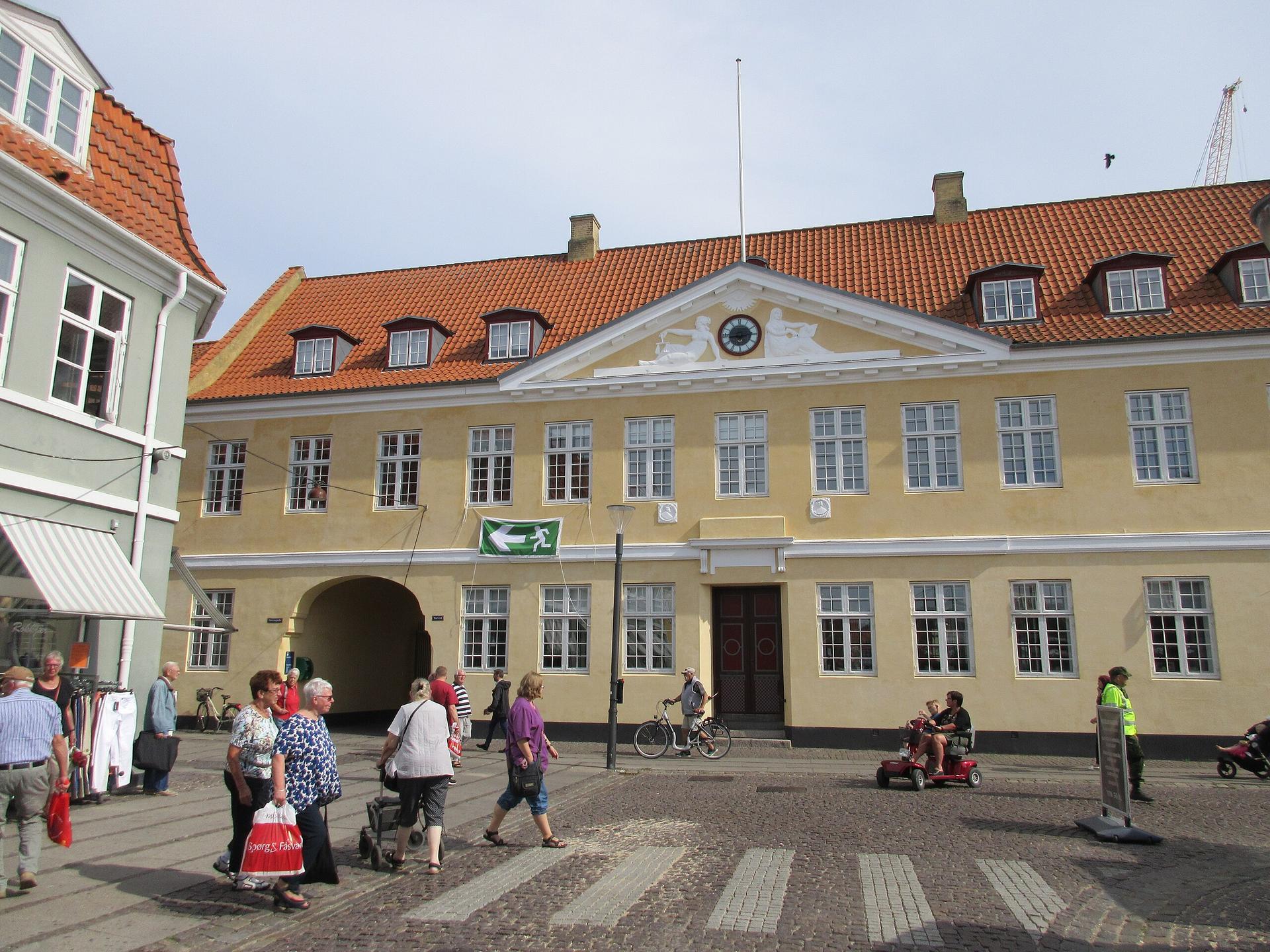
Looking beyond Køge Ås? Discover Koge for broader travel guides, local hot-spots, and regional highlights.
Explore Koge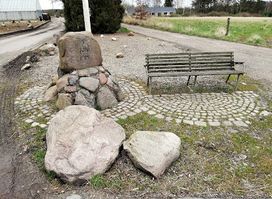
A modest village stone and oak tree that quietly commemorate the 1915 breakthrough granting Danish women the right to vote and shape the nation’s democracy.
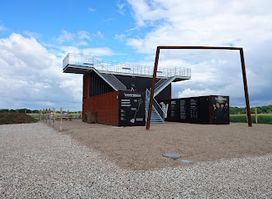
UNESCO-listed Viking ring fortress and modern museum in the fields west of Køge, where subtle earthworks and big skies bring Harald Bluetooth’s Denmark into focus.
