Køge Å, Koge Travel Guide
A tranquil riverside greenway where woodland ridges, wide meanders and protected wildlife create an easy escape on the very edge of historic Køge.
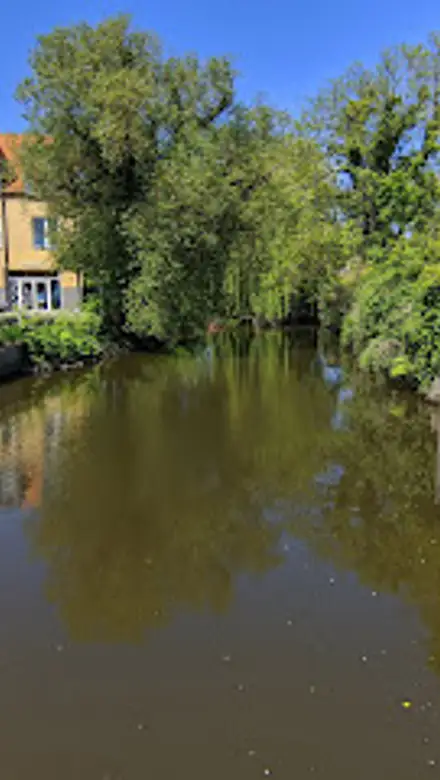
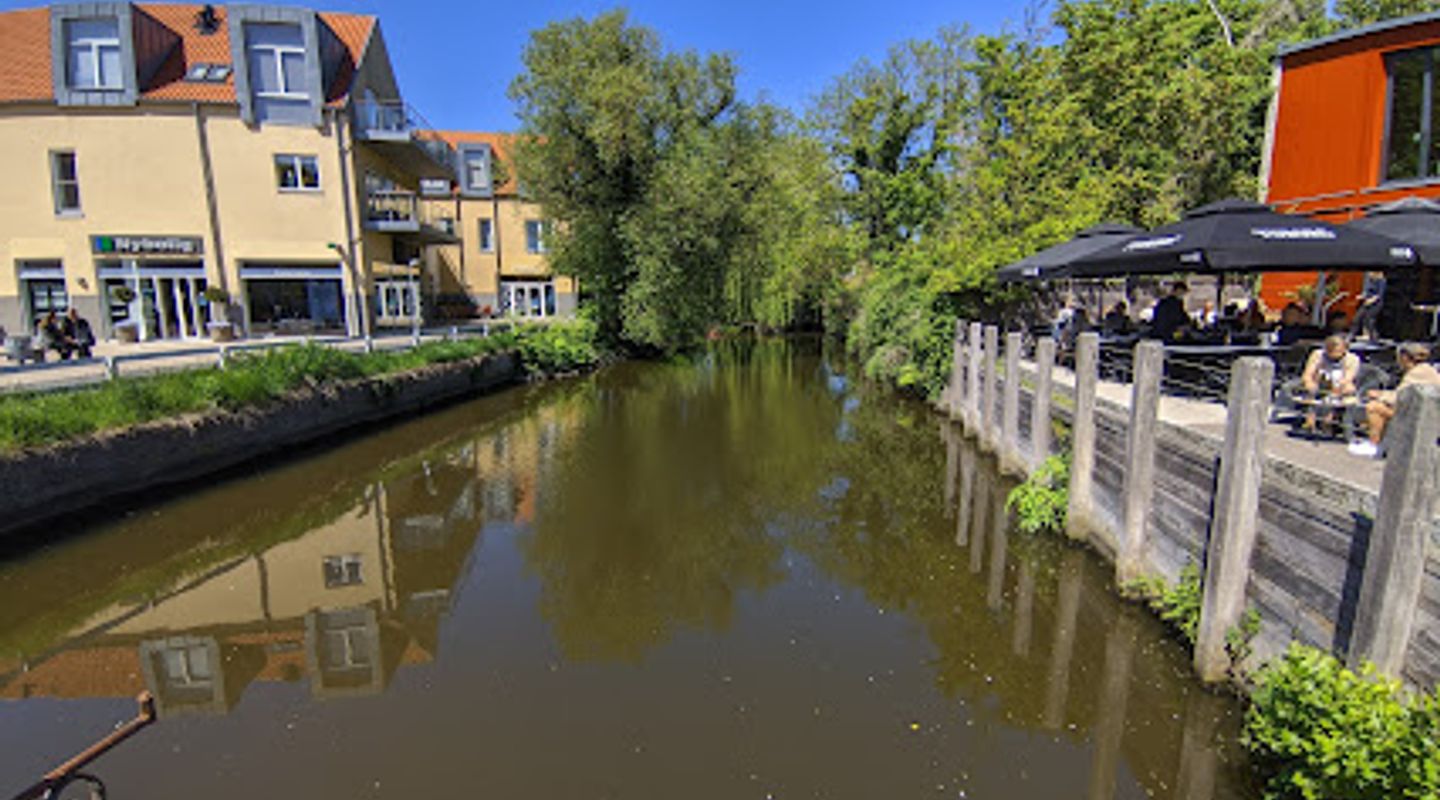
Køge Å is a gentle, 20.6 km-long river threading through Køge Municipality on Zealand before meeting Køge Bay right by the historic town center. Shallow, meandering stretches, leafy riverbanks and a dedicated 22 km gravel path for walkers and cyclists make it a relaxed green corridor linking town and countryside. Anglers come for coarse and trout fishing, while nature lovers appreciate protected habitats and glimpses of rare fish species in one of Denmark’s internationally designated conservation areas.
A brief summary to Køge Å
- Køge Municipality, DK
- Duration: 1 to 4 hours
- Free
-
 Outdoor
- Mobile reception: 4 out of 5

Know before you go
Hi, I'm Eve. Here are a few practical things to know before exploring Køge Å.
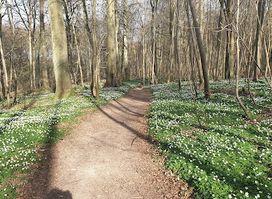
- Bring sturdy walking shoes or a hybrid bike for the gravel surface of Køge Å Path, which can be uneven or muddy after rain in forested sections.
- If you plan to fish, research local angling rules and permit requirements for Køge Å in advance to ensure you comply with conservation regulations.
- Pack water, snacks and a lightweight layer; facilities are sparse along much of the river, and weather can shift quickly near the coast.
- Use insect repellent in late spring and summer, especially near wet meadows and in the shaded gorge around Skovhus Vænge.
- Stay on marked paths and respect signs along the banks, as parts of the river corridor form a sensitive, internationally protected nature area.
Do you manage this location?
Take control to get all the benefits, like improved information, better appearance, and stronger visibility across AI-powered discovery. Learn more about listing your business on Evendo
Activate your presenceOther nearby places you may find interesting
The closest places of the same kind, if this one is not quite what you had in mind.
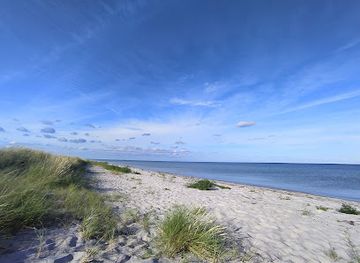
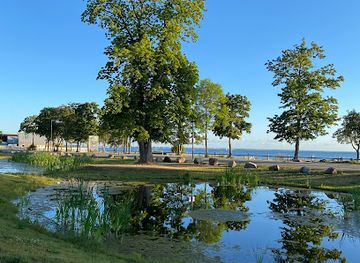
Explore Køge Å on the Map
A handpicked selection of must-see spots near Køge Å, mapped for you.
Getting There
-
Train and walking from central Køge
Take an S-train or regional train to Køge Station, which is about 35–40 minutes from Copenhagen. From the station, it is roughly a 10–20 minute walk to reach different access points along Køge Å and the Køge Å Path, mainly on flat pavements and park paths. Trains run frequently throughout the day, and this option is fully included in regular public transport tickets and passes within the Greater Copenhagen fare zones.
-
Local bus and short walk within Køge Municipality
Several local bus routes within Køge Municipality run between residential districts and the outskirts near Køge Å and Køge Ås. Travel times are typically 10–25 minutes from central Køge depending on the stretch you choose along the river. Standard local bus fares within Zealand apply, and buses generally operate at least twice per hour on weekdays, with reduced frequency in evenings and on weekends, so check timetables in advance.
-
Cycling from Køge town centre
From Køge’s central streets and harbourfront, it usually takes 5–15 minutes by bicycle to join the Køge Å Path or reach other riverside sections. The terrain is mostly flat and supported by dedicated cycle lanes or quiet roads. This is a free option once you have a bike, and it suits most riders comfortable with urban cycling in typical Danish traffic conditions.
-
Regional train to Borup and access from the inland end
For those exploring the full length of the river path, a regional train to Borup Station on the inland side takes about 20–30 minutes from Køge or roughly 35–45 minutes from Copenhagen. From Borup, you can connect to the far end of the Køge Å Path on foot or by bike and then follow it back toward Køge. This option uses standard regional rail tickets, with prices reflecting typical short intercity journeys on Zealand.
For the on-the-go comforts that matter to you
-
 Seating Areas
-
 Trash Bins
-
 Information Boards
Discover more about Køge Å
A Green Ribbon from Bogland to the Bay
Køge Å is a modest river with a quietly dramatic journey. Rising south of the boglands around Regnemark Mose, it winds for just over 20 km before emptying into Køge Bay in the heart of Køge. Along the way it narrows into deep, shaded notches in the landscape and then opens into broad, soft meanders bordered by meadows and low pastures.Despite its small scale – only about ten metres wide at the mouth – the river has shaped the local topography. Glacial meltwater laid down the sand and gravel that form Køge Ås, a long ridge guiding the river’s course and creating a series of low hills that feel surprisingly wild so close to an urban center.The Ridge, the Valley and Quiet Forest Paths
Immediately west of Køge, the river is closely paired with the wooded spine of Køge Ås. Paths run high along the ridge before dropping down toward the valley floor, giving you alternating views: one moment you are looking out over the treetops and rooftops of Køge, the next you are beside the slow, tea-coloured water.Near Skovhus Vænge the river slices through a notably deep and narrow gorge, hemmed in by steep, wooded slopes. Further east near Gammel Lellingegård, the landscape softens again, with wide bends and a classic river meadow feel. This constant shift between enclosed woodland and open fields keeps even short walks varied and visually engaging.A River Path Made for Walking and Cycling
Following the water is easy here. A well-maintained gravel route, Køge Å-stien, tracks the river for about 22 km from the edge of Køge out toward Humleore and on to Borup. It is popular with runners, day walkers and cycle tourers linking town, ridge and farmland in one continuous outing.The path surface is generally firm and gently graded, making it suitable for most fitness levels and for families with older children. In a few places, tree roots, narrower sections and short slopes add a little challenge without turning the route into a serious hike. Benches and informal sitting spots appear at intervals, inviting you to pause and simply watch the river slide past.Water, Wildlife and Protected Habitats
Køge Å is more than a pretty backdrop; it is recognised as an internationally important nature conservation area. The riverbed shelters the tiny spined loach, a bottom-dwelling fish only a few centimetres long that has become a flagship species for the river’s protection. Conservation rules help safeguard water quality and bankside vegetation, keeping the habitat attractive for birds, amphibians and aquatic insects.In drier periods the river is supported by water from Kimmerslev Lake and groundwater pumping, a reminder that this landscape has been carefully managed to balance drinking water needs with ecological resilience. Anglers work within local regulations to target perch, trout and other species, sharing the river with walkers and cyclists who come primarily for the scenery and sense of calm.Everyday Escape on the Edge of Town
What makes Køge Å distinctive is its proximity to everyday life. From the medieval streets and harbour of Køge, you can be standing by reeds and overhanging willows within minutes, hearing only wind in the trees and the occasional splash of a fish. The river corridor functions as the town’s informal green lung, a place for a quick jog before work or a lazy afternoon picnic.As you move along the banks, distant church towers, manor roofs and the outline of Køge Ås anchor you in the broader landscape. It is an easy, low-effort escape: no entrance gates, no fixed route to follow, just a long, quietly flowing thread inviting you to choose how far to go and how long to linger.












Your all‑in‑one travel companion app
Explore expert travel guides, compare and book tours, experiences, hotels, and more—all from the palm of your hand. Download now for seamless trip planning wherever your wanderlust takes you.


Explore More of Koge
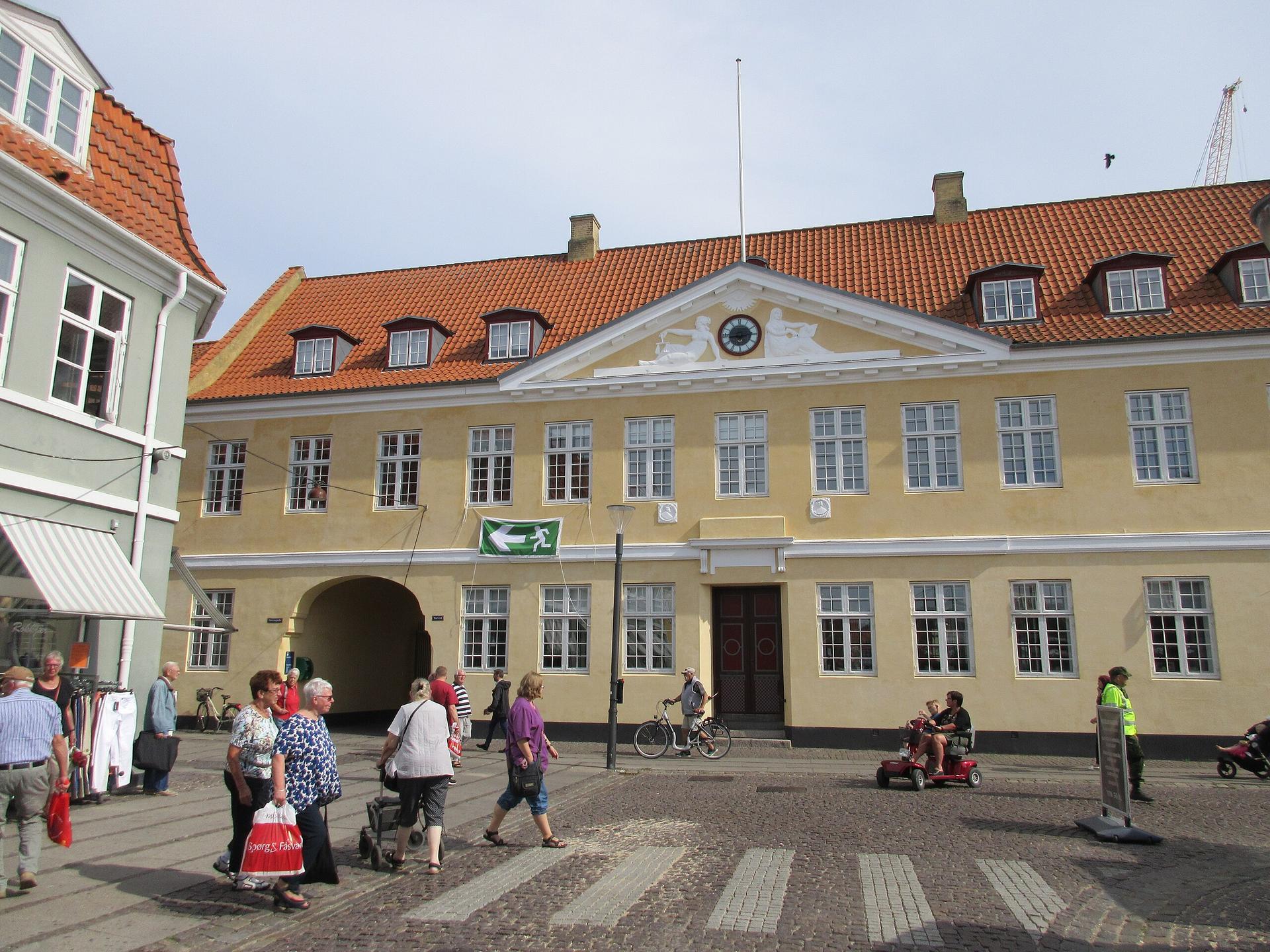
Looking beyond Køge Å? Discover Koge for broader travel guides, local hot-spots, and regional highlights.
Explore Koge
A flexible harbourfront field where Køge’s open sky, sea breeze and industrial silhouettes frame everything from quiet dog walks to large outdoor festivals.
A 67-hectare forest sanctuary where the Køge River winds through protected woodland, offering peaceful walks and access to a 22-km scenic path.