

Church of Our Lady (Copenhagen Cathedral)
Denmark’s national cathedral: a serene neoclassical church where royal history, Thorvaldsen’s marble statues, and centuries of worship meet in the heart of Copenhagen.
Rising above Copenhagen’s old town, the Church of Our Lady is Denmark’s national cathedral and a serene masterpiece of neoclassical design. Rebuilt in 1829 after the British bombardment of 1807, its calm white interior is dominated by Bertel Thorvaldsen’s celebrated sculptures of Christ and the apostles. Long a stage for royal weddings, coronations, and state ceremonies, this light-filled church offers a peaceful counterpoint to the busy streets around Nørregade.
A brief summary to Church of Our Lady
- Nørregade 8, Copenhagen, København K, 1165, DK
- +4533151078
- Visit website
- Duration: 0.5 to 1.5 hours
- Free
-
 Indoor
- Mobile reception: 5 out of 5
Local tips
- Step close to Thorvaldsen’s Christ and apostles to appreciate the expressive details in the faces and hands; the scale and craftsmanship are far more striking up close.
- Visit on a weekday morning for a quieter atmosphere and a better chance to sit in the nave in near silence, away from the busiest hours of central Copenhagen.
- Check current opening hours for services and evening events, as parts of the church may be reserved at times for worship, concerts, or special ceremonies.
- Bring a light jacket: the interior can feel cool even in summer due to the high ceilings, stone floors, and relatively subdued heating.
- Be respectful with photography: avoid flash and wait until services or quiet prayers have finished before moving around the pews or side aisles.

For the on-the-go comforts that matter to you
- Restrooms
- Seating Areas
- Trash Bins
- Information Boards
Getting There
-
Metro
From central Copenhagen, the quickest option is the M3 Cityringen metro line to Nørreport Station, which typically takes 3–6 minutes from many inner-city stops. Standard single tickets within the city centre generally cost around 20–30 DKK, and trains run every few minutes throughout the day. From Nørreport it is a short, level walk through the old town streets to the cathedral, manageable for most visitors and wheelchair users.
-
Bus
Several city bus routes serve the Nørreport and central old town area, with journey times usually between 10 and 25 minutes from inner districts depending on traffic. A standard bus ticket within the central zones is typically 20–30 DKK and can be bought via machines or mobile apps. Buses usually stop within a few hundred metres of the cathedral, but services can be less frequent late at night and on some weekends.
-
Bicycle
Copenhagen’s extensive cycle lanes make cycling to Nørregade an attractive option, usually 5–20 minutes from most central neighbourhoods. Visitors can use public bike-share schemes or rental shops, with typical costs from about 50–150 DKK for a few hours. Be aware that the streets around the cathedral can be busy; use marked bike parking areas nearby, as bicycles are not allowed inside the church grounds.
-
Walking from the inner city
From many central sights such as Rådhuspladsen or the main shopping streets, the cathedral can be reached on foot in roughly 10–20 minutes. The route passes through mostly flat, paved streets in Copenhagen’s historic core, suitable for most levels of mobility and for strollers. Comfortable footwear is recommended, especially in colder or wet weather when cobblestones and smooth paving can become slippery.
Church of Our Lady location weather suitability
-
 Any Weather
-
 Cold Weather
-
 Mild Temperatures
-
 Rain / Wet Weather
Discover more about Church of Our Lady
A national cathedral with deep royal roots
The Church of Our Lady, known in Danish as Vor Frue Kirke, is far more than the parish church of central Copenhagen. It is Denmark’s national cathedral and the historic setting for coronations, royal weddings, and state services, from medieval monarchs to the marriage of Crown Prince Frederik and Mary Donaldson in 2004. Standing at the highest point of the old town, it has anchored the city’s skyline and spiritual life for centuries. A church has stood on this site since the early 13th century, when a limestone basilica dedicated to the Virgin Mary was consecrated. Fires, religious conflict, and war repeatedly destroyed those earlier buildings. The most dramatic blow came in 1807, when British naval bombardment set the then‑baroque cathedral ablaze. The current structure rose from those ruins, symbolising both national loss and quiet resilience.Neoclassical calm in the heart of the city
Step back from bustling Nørregade and the cathedral’s façade appears almost austere: smooth pale walls, a strong portico with tall columns, and a square tower topped by a simple cross. Architect Christian Frederik Hansen, sometimes called the “Danish Palladio,” embraced a stripped‑back neoclassical language inspired by ancient temples rather than Gothic spires and ornament. Inside, the effect is deliberately restrained. High white walls, clean lines, and a basilica‑style nave flooded with soft daylight create a sense of order and clarity. The proportions are carefully judged: long enough to feel grand, yet not overwhelming, and with side aisles that draw the eye naturally towards the chancel and altar. The limited use of colour makes every artwork and shaft of light stand out with particular intensity.Thorvaldsen’s marble figures and quiet drama
The cathedral’s most famous treasures are the sculptures by Bertel Thorvaldsen, the celebrated Danish neoclassical artist who spent much of his career in Rome. Here his iconic statue of Christ stands above the altar, arms extended in a welcoming gesture that has been widely copied in churches around the world. Along the nave, the twelve apostles line the space, each distinct in pose and character, with Paul replacing Judas. Legend has it that Thorvaldsen objected to placing his works in the wall niches originally planned for them, and therefore designed the figures slightly too large. Forced out into the nave, they now occupy centre stage, turning a simple interior into a powerful sculptural procession. At the baptismal font, a kneeling angel cradling a shell forms one of Thorvaldsen’s most personal works, combining classical poise with a tender, almost intimate mood.Layers of history beneath the white walls
Although today’s building dates to 1829, the cathedral compresses more than eight centuries of history into a single space. Earlier foundations and materials from previous churches are woven into the present structure, a reminder of the many times the site has been rebuilt after fire or war. Medieval Catholic worship, the upheavals of the Reformation, baroque splendour, and modern Lutheran services have all unfolded on this ground. Inside, discreet memorials, portraits of bishops, and commemorative plaques trace Denmark’s religious and intellectual life, from theologians of the Golden Age to cultural figures interred or honoured here. The building’s dual role as both parish church and national symbol is evident in its blend of everyday services, organ music, and major state ceremonies that still draw the country’s attention.Experiencing the cathedral today
For visitors, the Church of Our Lady offers several layers of experience. Some pause briefly to admire the architecture and sculptures before continuing through the old town. Others sit in the pews to listen to the organ, attend a service, or simply enjoy a moment of stillness under the high vaults. The uncluttered interior invites slow looking: the play of light on marble, the rhythm of columns, the way sound softens as doors close behind you. Because entry is generally free, the cathedral is an easy place to return to at different times of day, from the brightness of morning to the more contemplative mood of late afternoon. Just outside, the streets of the Latin Quarter, university buildings, and nearby museums make it a natural stop on a broader exploration of central Copenhagen’s history and culture.Iconic landmarks you can’t miss

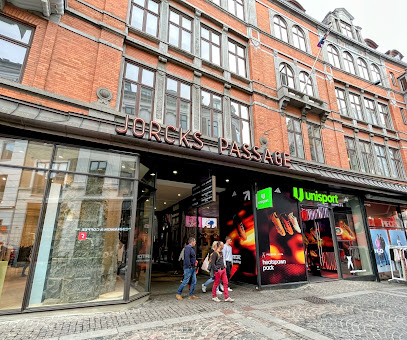
Jorcks Passage
0.1 km
Historic 1890s covered arcade where telephone wires once connected a nation, now a charming shopping passage in Copenhagen's heart.
Amitylux Tours | Exceptional Guided City Tours
0.3 km
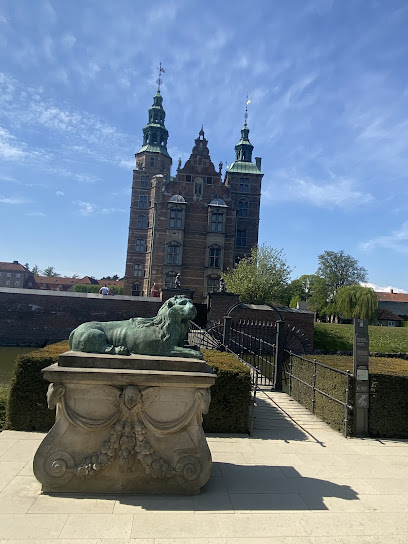
Experience the timeless grandeur of Lund Cathedral, an iconic Romanesque landmark in southern Sweden, renowned for its history, art, and enduring spiritual presence.
Fiolstræde 42
0.3 km
Historic observatory blending astronomy, science education, and star-gazing experiences in a tranquil woodland setting just outside Aarhus' vibrant city center.
Lur Blowers
0.4 km
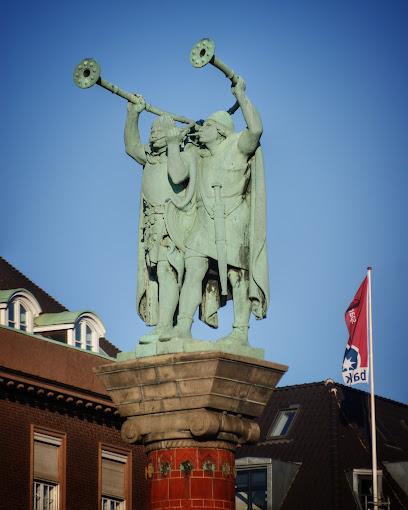
Bronze Age horns meet early 20th‑century grandeur in this 20‑metre column, where two silent lur players keep watch over Copenhagen’s bustling City Hall Square.
Varehuset Messen
0.4 km
A historic 1895 department store turned business college, crowned by Hermes and layered with centuries of mercantile and intellectual history on Købmagergade.

Statue of Andersen
0.5 km
Iconic bronze statue of Hans Christian Andersen in busy Rådhuspladsen, a literary landmark celebrating Denmark’s cherished fairy-tale author in central Copenhagen.
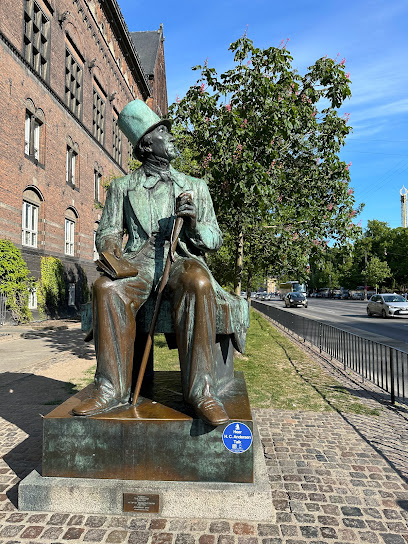
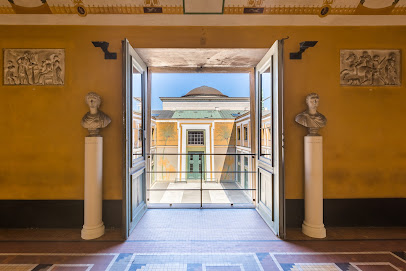
Thorvaldsens Museum
0.5 km
Explore the world of neoclassical sculpture at Thorvaldsens Museum in Copenhagen, home to the works of Bertel Thorvaldsen and a treasure trove of art and architectural inspiration.
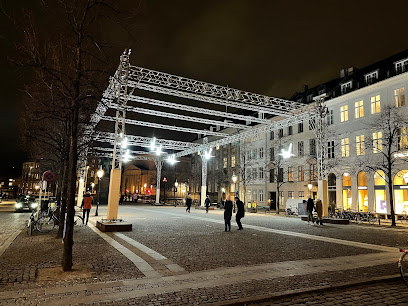
Højbro Plads
0.5 km
Explore Højbro Plads, a vibrant square in Copenhagen that beautifully blends history, culture, and lively atmosphere, perfect for tourists seeking adventure.
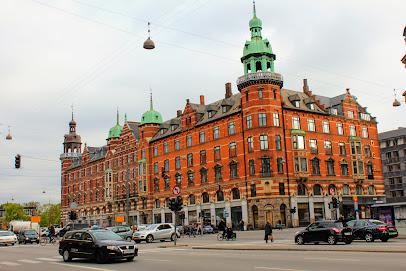
H. C. Andersens Blvd.
0.5 km
A broad, bustling boulevard where Hans Christian Andersen’s legacy meets City Hall Square, Tivoli’s lights, and the everyday pulse of central Copenhagen.
Højbro Pl.
0.5 km
Maskinrummet is Skagen’s maritime museum and café, featuring historic marine engines, hands-on exhibits, and harbor-side atmosphere in Denmark’s northernmost town.
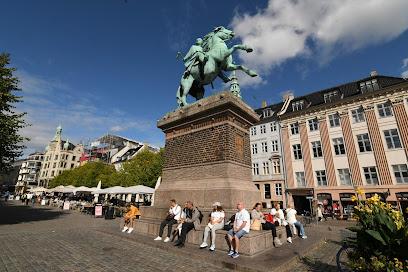
Bishop Absalon
0.5 km
Dynamic equestrian monument to Copenhagen’s warrior-bishop founder, rising over central Højbro Plads with rich maritime symbolism and a direct visual link to Christiansborg.
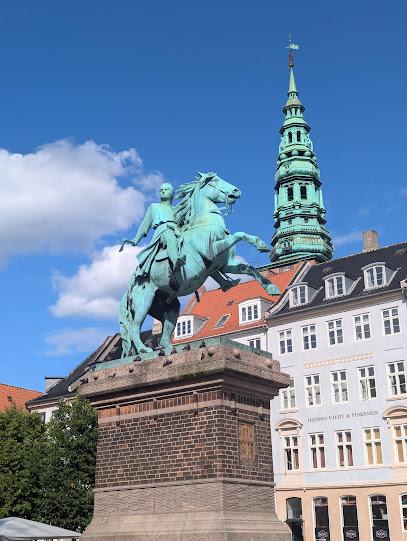
Højbro
0.5 km
A historic iron arch bridging Copenhagen’s lively city centre and stately Slotsholmen, with hidden folklore sculptures stirring beneath its calm canal waters.
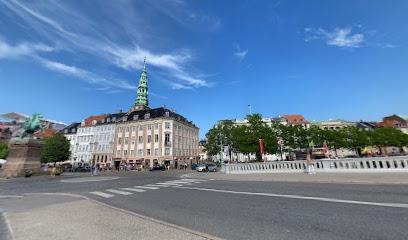
Agnete and the Merman Statue
0.5 km
Discover the Agnete and the Merman statue in Copenhagen, a stunning representation of love and Danish folklore by Højbro Bridge.
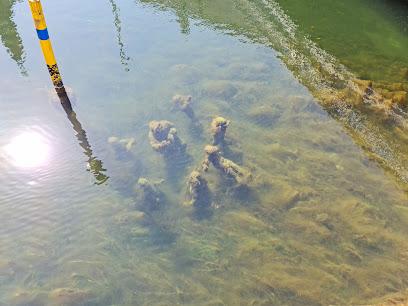
Museum of Copenhagen
0.5 km
Explore Copenhagen's captivating history at the Museum of Copenhagen, from Viking settlements to modern marvels, through interactive exhibits and historical artifacts.
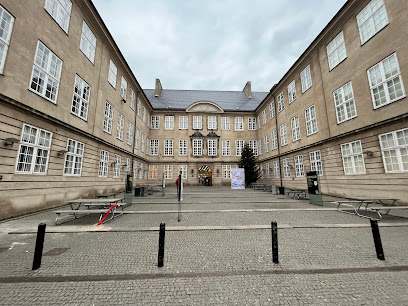
National Museum of Denmark
0.6 km
Explore Denmark's rich history and cultural heritage at the National Museum in Copenhagen, home to Viking treasures, Bronze Age relics, and captivating exhibits for all ages.
Unmissable attractions to see

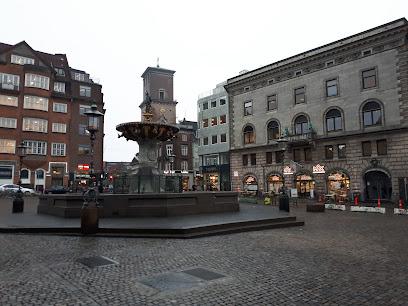
Gammeltorv
0.1 km
Copenhagen’s oldest square, where cobbles, Neoclassical facades and the Renaissance Caritas Well quietly trace eight centuries of urban life in the city’s historic core.
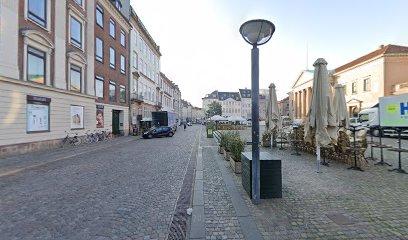
Nytorv 2
0.2 km
An everyday address on Copenhagen’s historic Nytorv, placing you between grand courthouse columns, cobbled markets of old and the pulse of the Strøget pedestrian zone.
Weirdwalks Byvandring
0.2 km
Stroll the storied harbor promenade, discover Copenhagen’s iconic Little Mermaid, lush parks, and maritime sculptures along the scenic Langelinie waterfront.
Nytorv
0.2 km
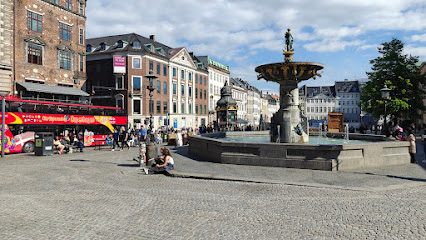
Cobbled, compact and quietly dramatic, Nytorv blends royal-era markets, grim judicial history and Neoclassical authority at the pedestrian heart of old Copenhagen.
Københavns Synagoge
0.2 km
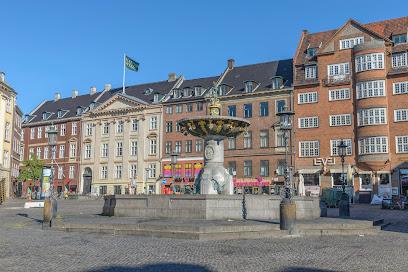
A discreet 1833 synagogue in Krystalgade whose neoclassical facade hides an Egyptian‑inspired interior and centuries of Danish Jewish history, faith and resilience.
Gråbrødretorv
0.2 km
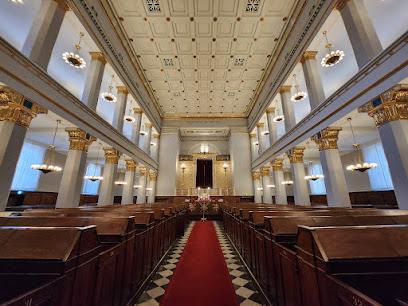
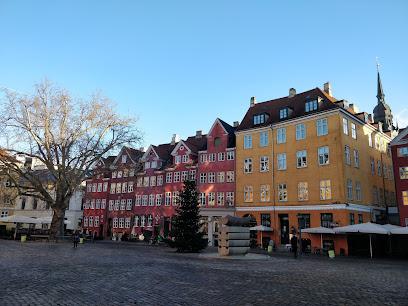
Mythic grandeur meets urban tranquility at Copenhagen’s spectacular Gefion Fountain, a must-see bronze sculpture and water feature rooted in Norse legend.
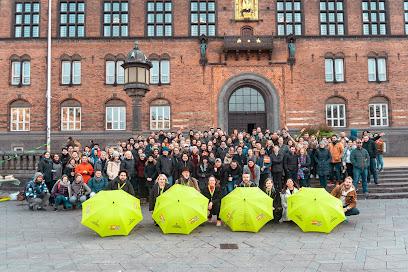
Copenhagen Free Walking Tours
0.3 km
Discover masterpieces from the Danish Golden Age and European classics to contemporary art in Denmark’s largest art museum, set by Copenhagen’s serene city park.
The Round Tower
0.3 km
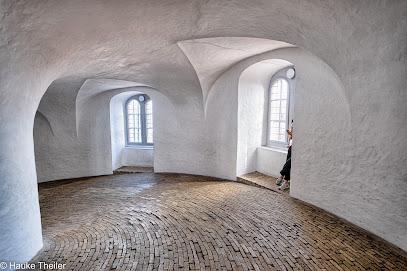
Experience the living history and regal elegance of Amalienborg Palace, Copenhagen’s iconic royal residence at the heart of Danish tradition and culture.
Strøget
0.3 km
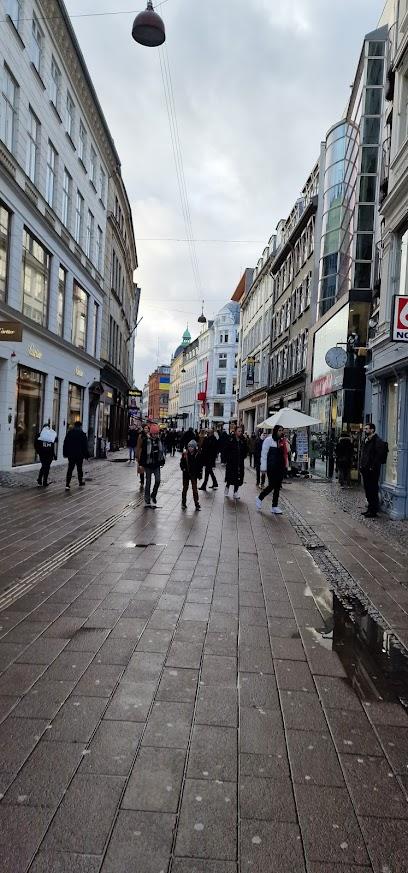
Copenhagen’s longest pedestrian promenade, Strøget blends historic streets, designer boutiques and animated street life into one continuous urban stroll.
Hans Christian Andersen Experience
0.4 km
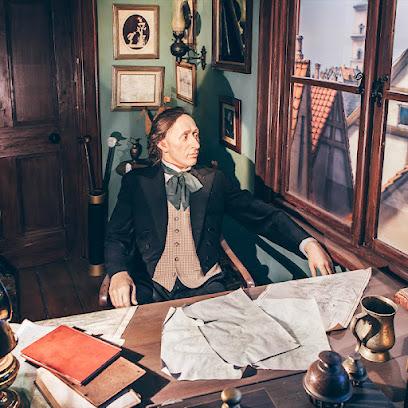
Step off bustling City Hall Square into a multisensory world where Hans Christian Andersen’s life and fairy tales unfold through atmospheric sets, light, sound and scent.
Kultorvet
0.4 km
Historic coal market turned lively pedestrian square, Kultorvet blends layered architecture, fountain-side cafés and everyday city life in the heart of Copenhagen.
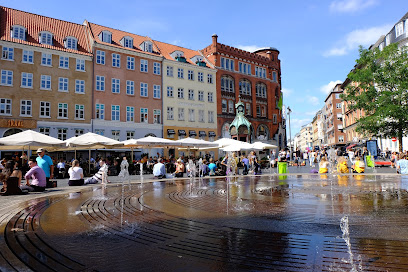
Balderdash
0.4 km
Strikingly designed by Jean Nouvel, Copenhagen’s DR Koncerthuset offers world-class acoustics and a dynamic program of classical, jazz, and international concerts.
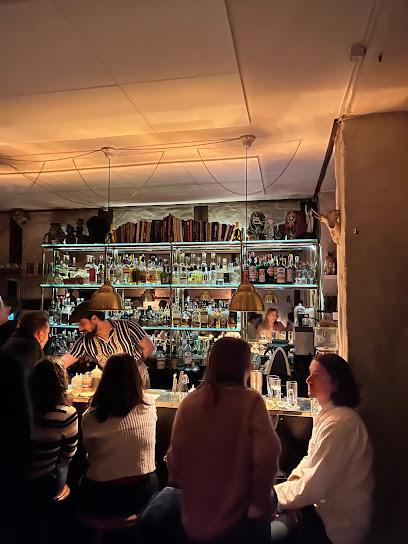
Skaal
0.4 km
A visionary concert hall in Copenhagen, DR Koncerthuset fuses world-class acoustics, avant-garde architecture, and a rich tapestry of live music experiences.
Ripley's Believe It or Not!
0.4 km
A compact oddities museum on Rådhuspladsen where shrunken heads, vortex tunnels and record‑breaking curiosities turn everyday Copenhagen into a world of wonders.
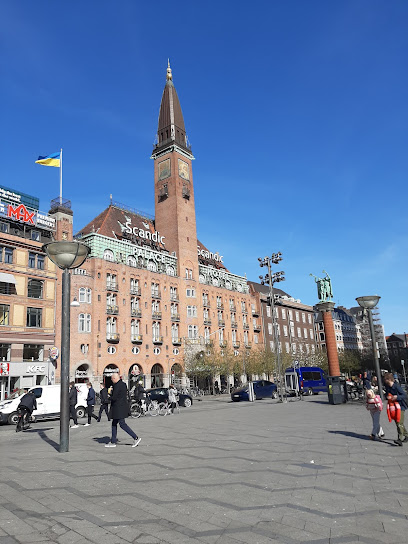
Amagertorv
0.4 km
Copenhagen’s historic marketplace turned elegant pedestrian square, where storks, cobblestones and centuries‑old facades meet modern design and city life.
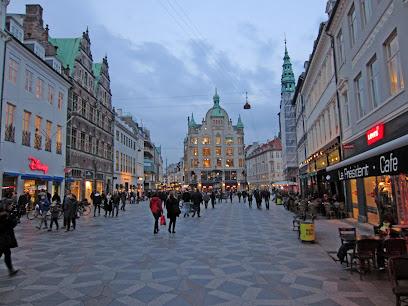
Essential places to dine

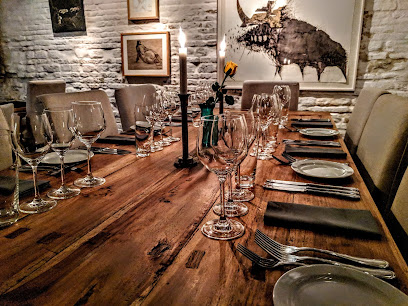
Krebsegaarden
0.1 km
An intimate art-filled townhouse in central Copenhagen where creative tasting menus, warm storytelling service and an epic cheese course turn dinner into an evening-long occasion.
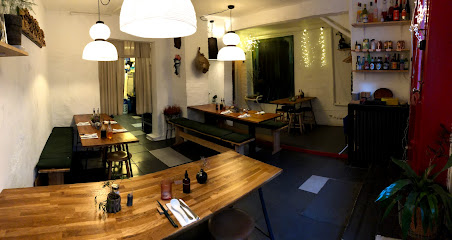
ferment, ramen izakaya
0.2 km
Intimate basement izakaya where fermentation, organic ingredients, and Nordic sensibility transform ramen and bao into deeply satisfying art.
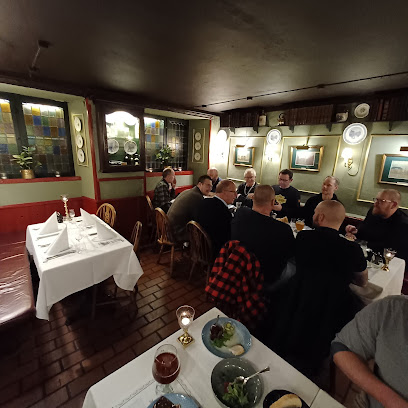
Det Lille Apotek
0.2 km
Copenhagen’s oldest restaurant, where candlelit wooden rooms, traditional Danish dishes and centuries of stories create a warm slice of true Danish hygge.
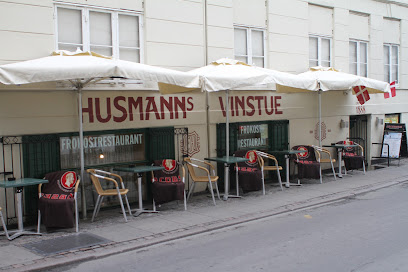
Husmanns Vinstue
0.2 km
Classic smørrebrød, candles and aquavit in a historic Copenhagen cellar devoted entirely to the long, unhurried Danish lunch.
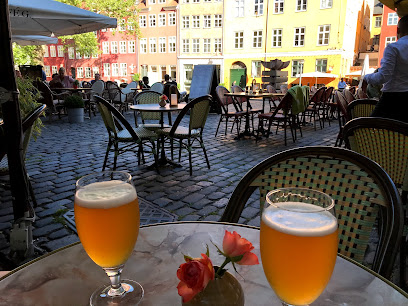
Wining and Dining
0.2 km
French-inspired fine dining with exceptional wines in Copenhagen's historic heart
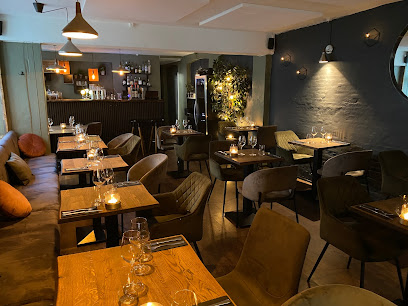
The Olive Kitchen & Bar
0.2 km
Warm brick-and-wood dining room in central Copenhagen serving polished Mediterranean-inspired classics, a four-course menu and easygoing evening cocktails.
Københavner Cafeen
0.2 km
Traditional Danish comfort food and smørrebrød served in a cozy, low-lit cellar restaurant on a historic Copenhagen side street steeped in hygge.
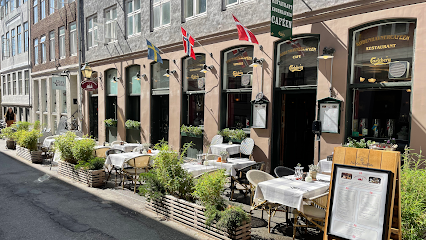
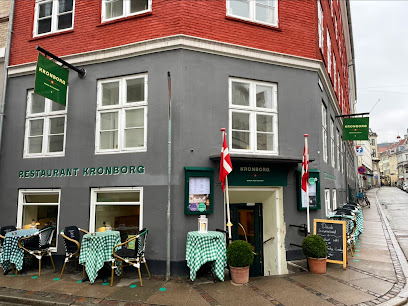
Restaurant Kronborg
0.2 km
Warm, candlelit hygge in Copenhagen’s old town, where classic Danish smørrebrød, hearty lunches and aquavit bring traditional flavors to a cosy side-street dining room.
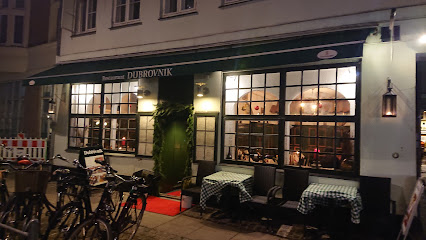
Dubrovnik Restaurant
0.3 km
Cosy Croatian tavern in Copenhagen’s inner city, serving generous grills and rustic Adriatic comfort food in a warm, wood‑panelled dining room.
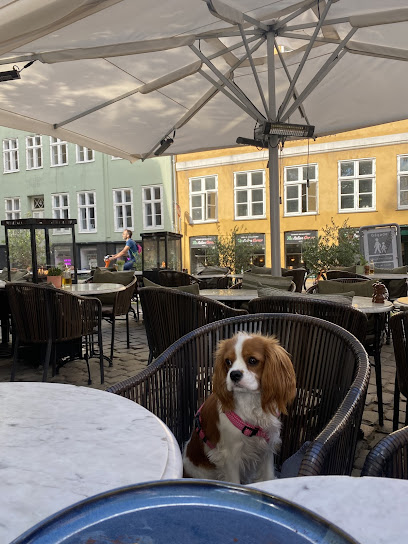
Restaurant Sole D’Italia - København
0.3 km
Classic stone-oven pizzas and familiar Italian favourites served on one of Copenhagen’s most atmospheric squares in the heart of the old town.
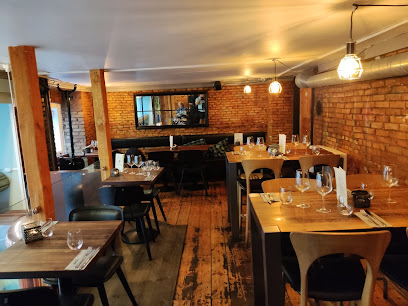
Restaurant Tight
0.3 km
Cozy multi-level townhouse restaurant in Copenhagen’s Old Town serving Nordic cuisine with a sunny southern twist, generous portions and a warm, brick-and-beam atmosphere.
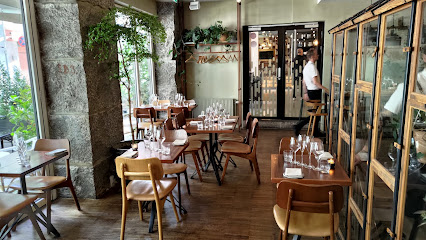
Vækst
0.3 km
Greenhouse-style Nordic dining in Copenhagen’s Latin Quarter, where seasonal vegetable-focused menus meet warm, softly lit interiors wrapped in lush foliage.
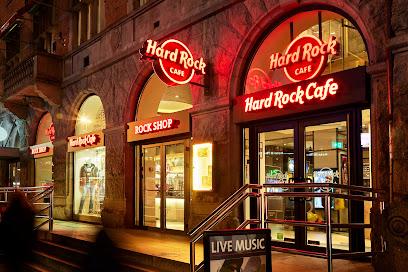
Hard Rock Cafe Copenhagen
0.3 km
Rock legends, legendary burgers, and unforgettable American dining in Copenhagen's vibrant heart.
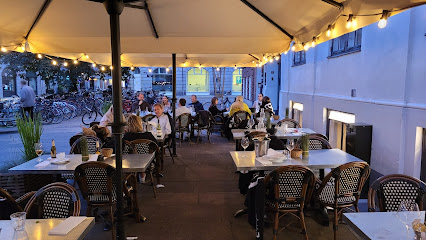
Restaurant Puk
0.4 km
Historic Danish restaurant in Indre By, Copenhagen, serving classic smørrebrød and comfort dishes in a centuries-old setting with authentic local atmosphere.
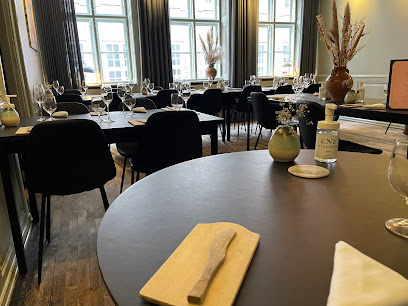
Marv & Ben
0.4 km
Inventive New Nordic tasting menus and Danish culinary artistry await in an atmospheric 18th-century townhouse in Copenhagen’s historic Indre By.
Markets, malls and hidden boutiques

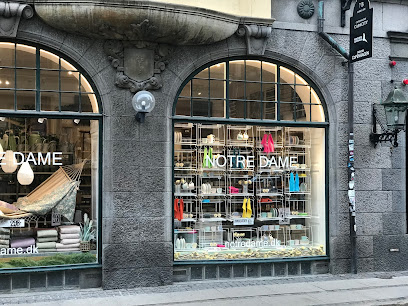
Notre Dame
0.0 km
A cozy Copenhagen interiors institution packed with colorful Nordic homeware, thoughtful design and giftable treasures opposite the Church of Our Lady.
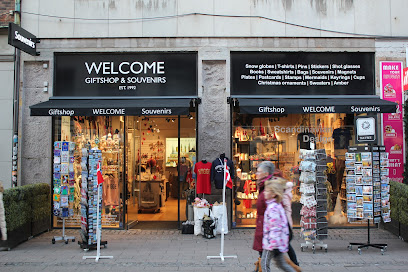
Welcome Giftshop & Souvenirs
0.1 km
Central Copenhagen’s hygge-filled stop for Scandinavian design and classic Danish souvenirs, perfectly placed on Nygade just off Strøget’s busy pedestrian flow.
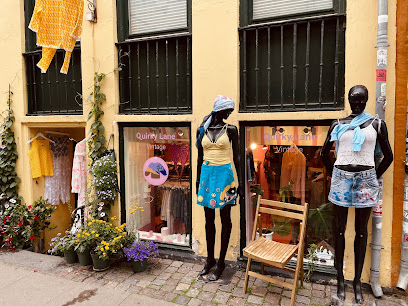
Quirky Lane
0.1 km
Copenhagen's eclectic pink-walled vintage boutique where sustainable fashion meets curated character.
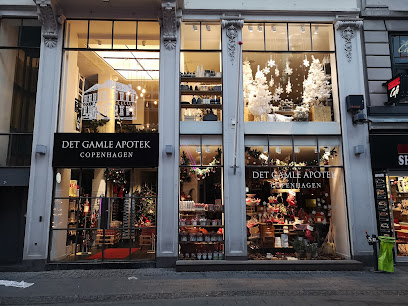
Det Gamle Apotek Copenhagen
0.1 km
Step off bustling Vimmelskaftet into a nostalgic world of Danish Christmas sparkle, romantic décor and gift-worthy treasures at Det Gamle Apotek Copenhagen.
Duck Haven
0.2 km
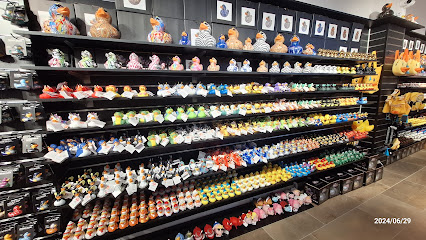
A tiny, colourful shop in Copenhagen’s old town where hundreds of themed rubber ducks turn souvenir hunting into a playful, photo‑worthy detour.
Wasteland
0.2 km
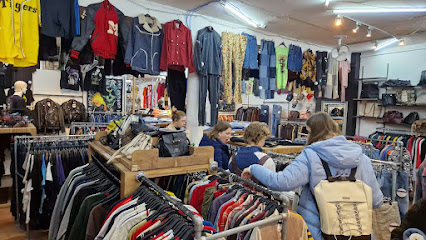
A high-energy vintage hub in Copenhagen’s Latin Quarter, packed with curated 80s, 90s and Y2K streetwear, denim and accessories in a distinctly urban setting.
Souvenir Shop
0.2 km
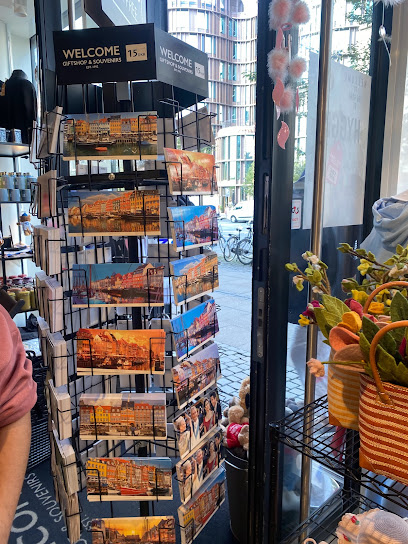
Compact, convenient and central, this Frederiksberggade souvenir shop on Strøget is a quick one‑stop for classic Copenhagen gifts and mementos.
Danish Art & Christmas Shop
0.2 km
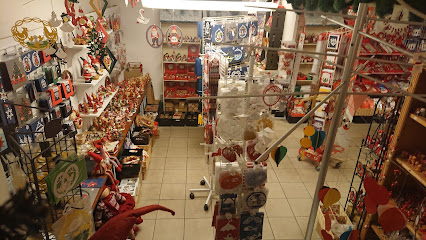
A cosy, year‑round Christmas haven in a historic Copenhagen townhouse, filled with Danish‑designed ornaments, paper art and festive hygge moments.
Carmen Copenhagen
0.2 km
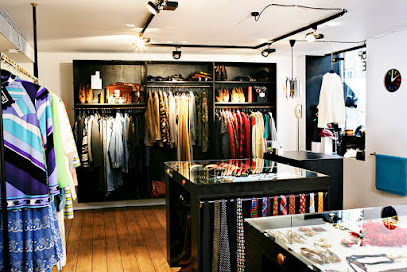
Compact vintage treasure trove in Copenhagen’s Latin Quarter, where characterful clothes, curated racks, and cozy atmosphere turn slow browsing into a small adventure.
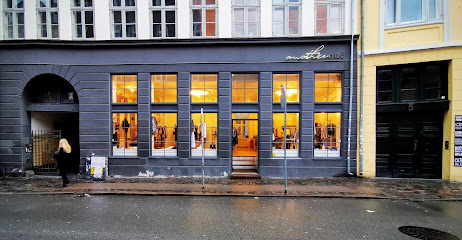
Another nué
0.3 km
A calm, curated Copenhagen fashion boutique where Scandinavian minimalism meets historic Krystalgade in a protected Neoclassical townhouse.
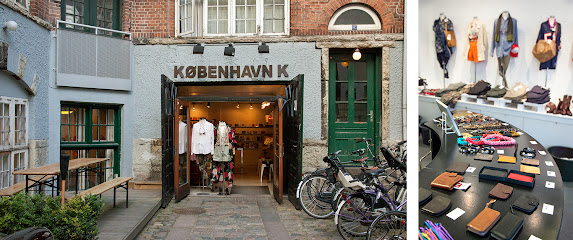
København K
0.3 km
Hidden in a Latin Quarter courtyard, København K is a long-standing Copenhagen vintage shop packed with curated second-hand fashion, denim and quirky homeware finds.
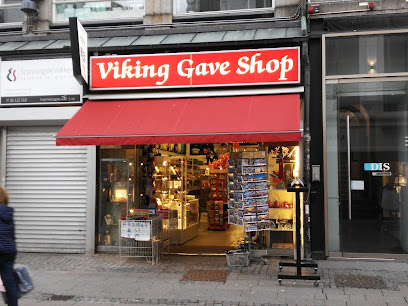
Viking Souvenirs
0.3 km
Lively Strøget souvenir shop packed with Viking‑themed gifts, Danish icons and suitcase‑friendly mementos, ideal for quick last‑minute presents in central Copenhagen.
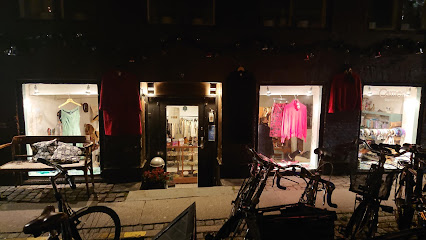
Time's Up Vintage
0.3 km
Discover curated vintage fashion, rare designer finds, and decades of style history at Time’s Up Vintage in Copenhagen’s bustling Indre By.
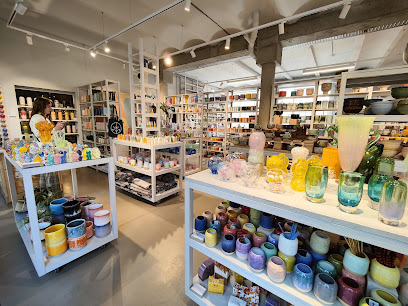
Studio Arhoj
0.3 km
A working Copenhagen design studio where shelves of colorful ceramics and glass meet the sights, sounds and warmth of craft being made in real time.
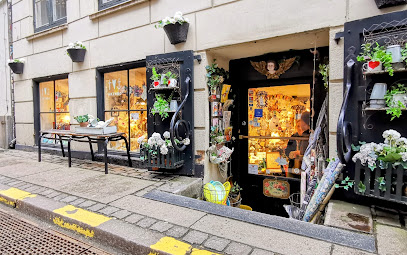
Akimbo
0.3 km
A cosy basement gift shop in Copenhagen’s old town, packed with colourful design, quirky treasures and hygge-infused souvenirs on charming Hyskenstræde.
Essential bars & hidden hideouts

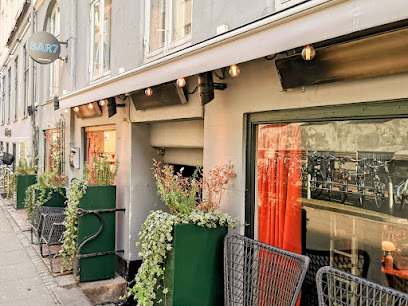
Bar7
0.1 km
Colorful multi-room cocktail lounge in Copenhagen’s old town, mixing bold interiors, inventive drinks and a 21+ late-night crowd over lounge beats and weekend energy.
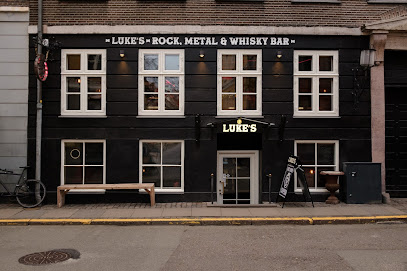
Luke's Bar
0.2 km
Copenhagen's premier luxury dive bar where fine whisky meets authentic rock and metal culture.
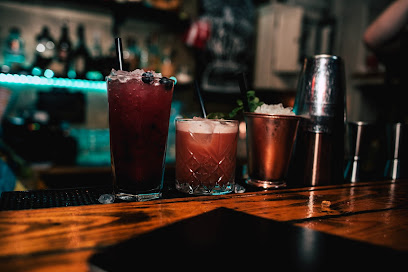
Bæst Cocktailbar
0.2 km
Intimate basement cocktail bar in Copenhagen’s old town, pairing creative drinks with warm lighting, easygoing music and a sociable late-night city-centre vibe.
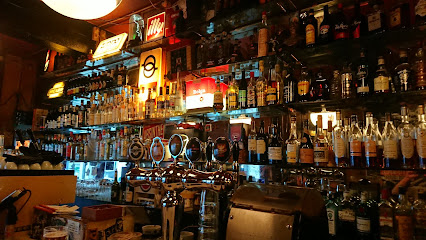
Floss Bar
0.2 km
Copenhagen's legendary dive bar: punk rock heritage, cheap beer, and authentic character until 2 AM.
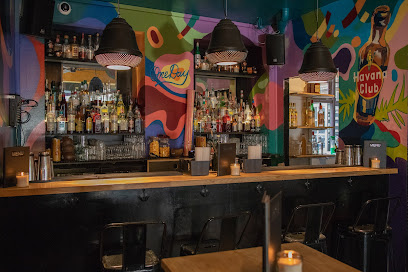
Aloë Cocktail Bar
0.2 km
Award-winning Cuban cocktails and street art vibes in Copenhagen's vibrant Inner City.
Musen & Elefanten
0.2 km
Smoky, old-school Copenhagen bar and cigar hideaway where classic drinks, worn wood and late-night conversations create a timeless, slightly secret atmosphere.
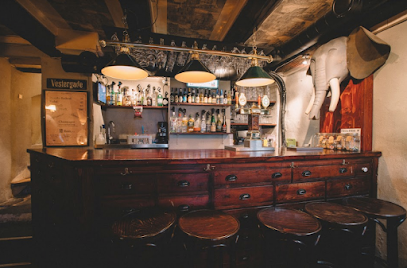
No Stress Bar
0.2 km
Basement cocktail pub in Copenhagen’s historic center mixing dessert-inspired drinks, games, comedy and drag shows into one laid-back, late-night hangout.
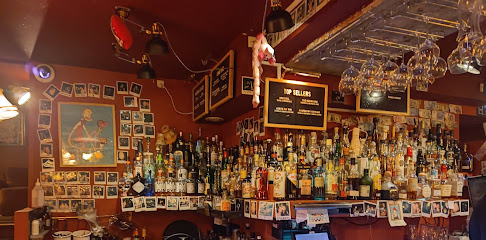
The Jane
0.2 km
Mad Men–style speakeasy meets late-night dance floor in a warren of hidden rooms, leather sofas and cocktail-fuelled energy beneath central Copenhagen.
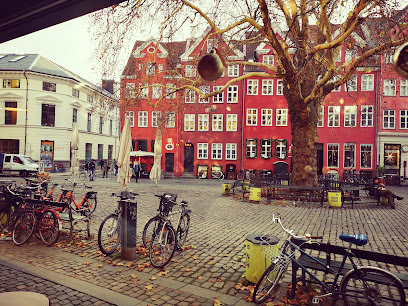
Strøm
0.3 km
Discover Strøm, Copenhagen's chic cocktail bar, blending a vibrant social club atmosphere with exquisite wine selections for an unforgettable night out.
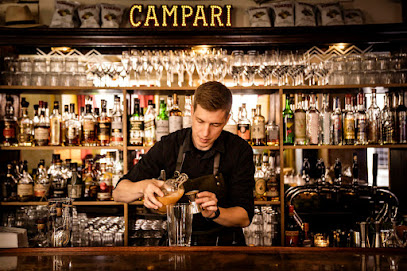
Centralhjørnet
0.3 km
One of Copenhagen’s oldest gay bars, Centralhjørnet is a cosy, festive corner pub where historic LGBTQ+ heritage meets camp décor and easy-going charm.
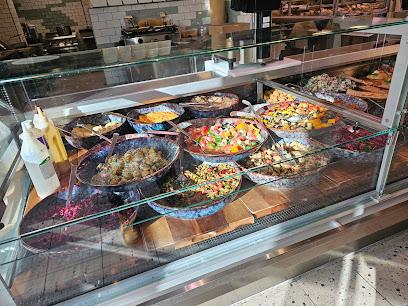
The Globe Irish Pub
0.3 km
Atmospheric Irish pub in central Copenhagen, pouring serious beer and whiskey alongside hearty comfort food, sports screenings and cozy, hygge-tinged corners.
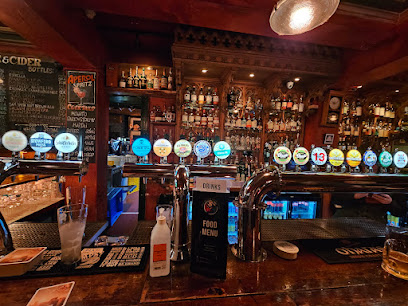
Bar'Vin
0.3 km
Discover the charm of Bar'Vin, a cozy restaurant and wine bar in Copenhagen, offering exquisite wines and delicious Danish cuisine.
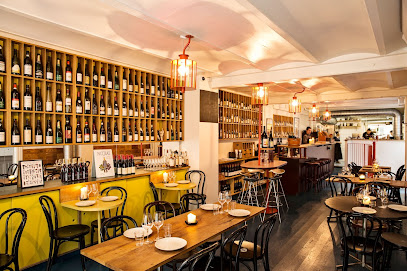
Lord Nelson Bar
0.3 km
Experience the vibrant nightlife and craft cocktails at Lord Nelson Bar, a historic gem in the heart of Copenhagen's bustling streets.
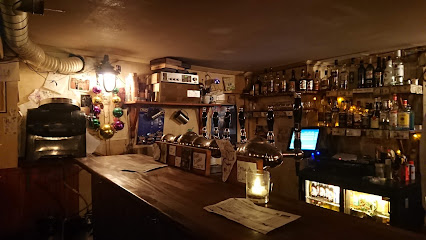
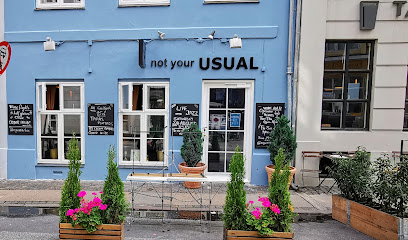
not your USUAL wine bar
0.3 km
Discover wines from the world's forgotten regions in Copenhagen's most unconventional wine bar.
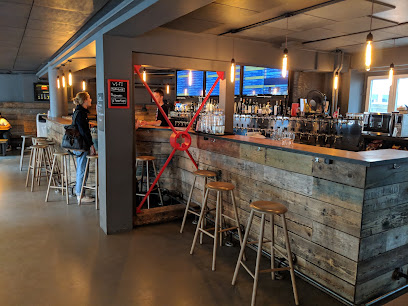
Taphouse
0.3 km
Copenhagen’s modern beer hall, pouring 61 ever‑changing craft taps in a relaxed, Scandinavian setting just steps from the historic city center.
Nightclubs & after hour spots

Rumors
0.1 km
Discover the heart of Copenhagen's nightlife at Rumors, where energetic vibes and unforgettable nights await you.
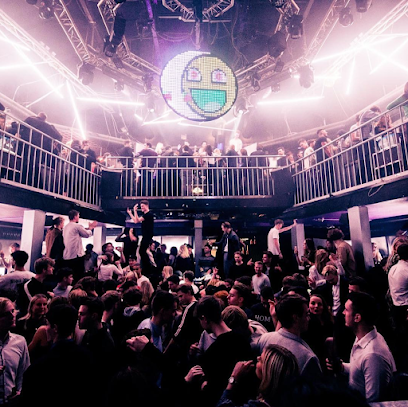
Mirror
0.1 km
Dive into the heart of Copenhagen's nightlife at Mirror, where the rhythm never stops and unforgettable memories are made.
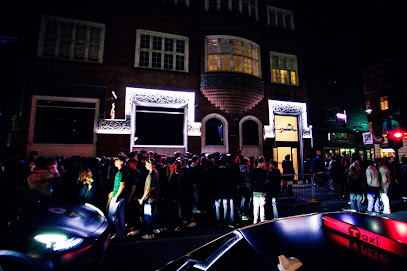
La Terraza
0.1 km
Compact nightclub on Studiestræde in Copenhagen’s old town, offering loud beats, straightforward drinks and an unpretentious late-night dance floor.
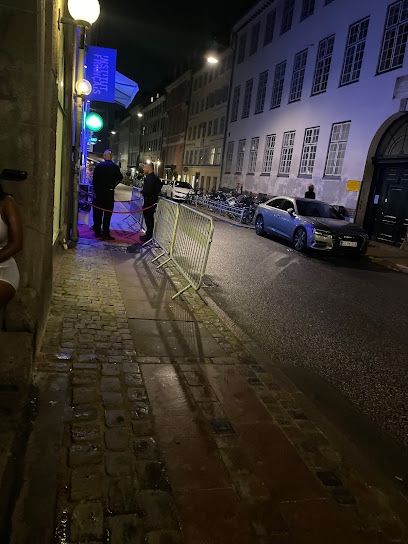
Hive
0.1 km
Copenhagen's premier high-end nightclub with cutting-edge design, VIP service, and immersive themed experiences.
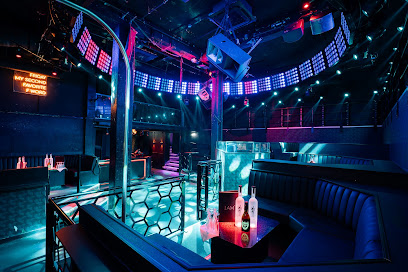
Miami Bar
0.1 km
Discover Copenhagen's nightlife at Miami Bar, where cocktails and dancing create unforgettable nights in a vibrant atmosphere.
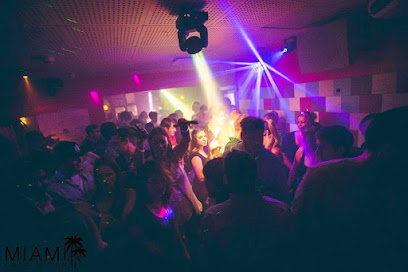
Chateau Motel
0.2 km
Discover the lively nightlife of Copenhagen at Chateau Motel, a top destination for cocktails and dancing in a vibrant atmosphere.
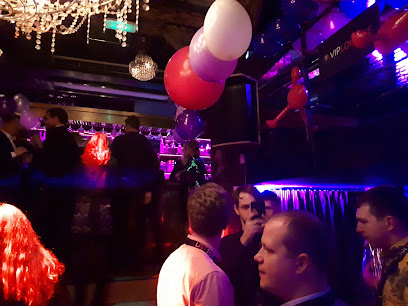
Dorsia
0.2 km
Central Copenhagen nightclub with late‑night DJs, cocktails and an image‑conscious crowd packed into a dark, modern interior off busy Kattesundet.
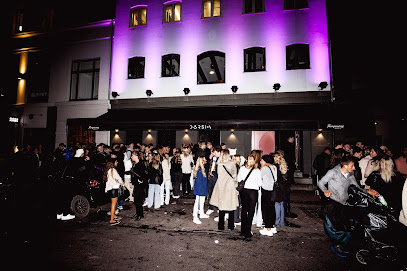
Cosy Bar
0.2 km
Discover the lively atmosphere of Cosy Bar, a top gay nightclub in Copenhagen offering fantastic music, vibrant crowds, and unforgettable nights.
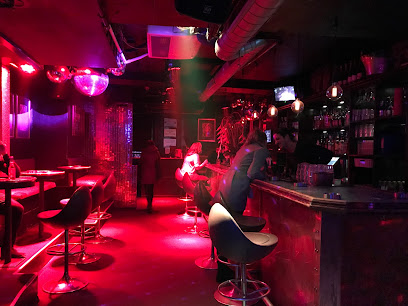
Arch
0.3 km
Discover the vibrant nightlife of Copenhagen at Arch, a premier night club offering electrifying music and an unforgettable atmosphere.
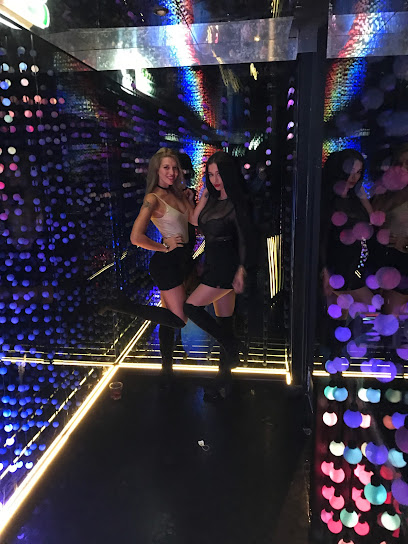
Mirage
0.3 km
Dive into the electrifying nightlife at Mirage, Copenhagen's premier night club for an unforgettable evening of music, dancing, and entertainment.

G*A*Y Copenhagen Nightclub
0.4 km
Experience the heart of LGBTQ+ nightlife at G*A*Y Copenhagen Nightclub, where vibrant energy and inclusive atmosphere await every visitor.
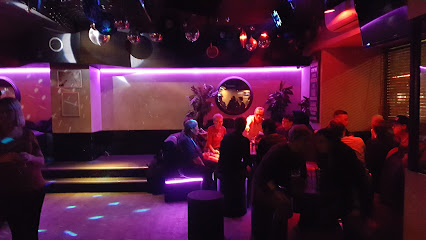
Club Mambo
0.5 km
Experience the energetic nightlife of Copenhagen at Club Mambo, a vibrant night club offering salsa dancing, cocktails, and delicious dining.
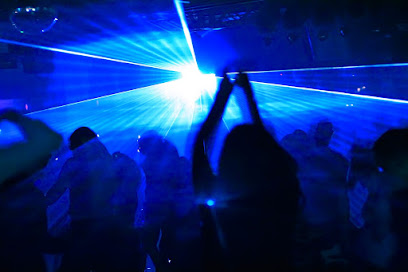
Module
0.5 km
Discover the ultimate nightlife experience at Module Night Club in Copenhagen, where world-class DJs and an electrifying atmosphere await.
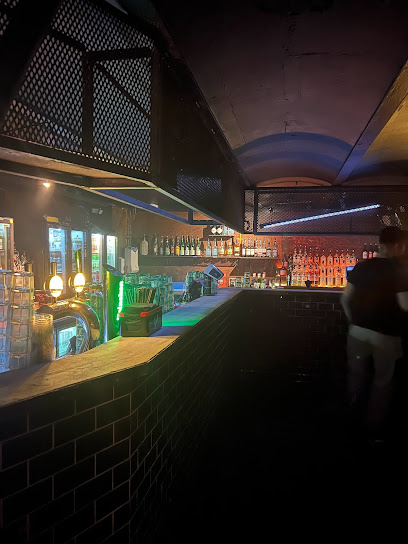
The Zoo
0.6 km
Intimate late-night nightclub on Sværtegade in Copenhagen’s historic center, blending a compact dance floor, DJ-driven beats and a casual, social bar atmosphere.
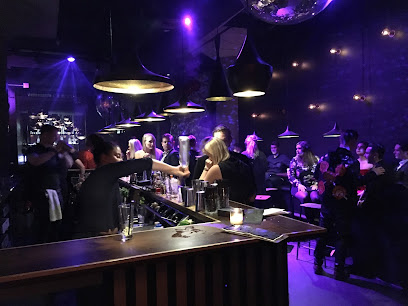
Never Mind
0.6 km
Experience the vibrant nightlife of Copenhagen at Never Mind, where electrifying music meets an eclectic crowd for unforgettable nights.
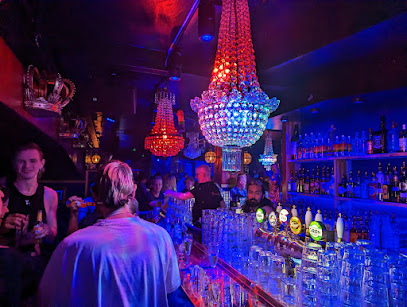
For the vibe & atmosphere seeker
- Tranquil
- Scenic
- Unique
- Casual
For the design and aesthetic lover
- Minimalist Designs
- Modern Designs
For the architecture buff
- Historic
- Landmarks
- Sacred Sites
For the social media creator & influencer
- Photo Spots
- Architectural Shots
- Instagrammable
For the eco-conscious traveler
- Public-Transport Accessible
- Low Impact
For the kind of experience you’re after
- Mindfulness
- Meditation Spot
- Cultural Heritage
- Photowalk
- Day Trip
For how adventurous you want the journey to be
- Easy Access
Location Audience
- Family Friendly
- Senior Friendly
- Child Friendly
- Teen Friendly
- Wheelchair Access
- Solo Friendly
- Couple Friendly
- Solo Female Friendly
- Vegetarian Friendly
- Vegan Friendly
- Business Friendly
- LGBT Friendly


