

Frøstruplejren Travel Guide
Free Guide: Denmark’s original hippie camp turned long‑running free community, blending DIY homes, music and communal living amid the wild landscapes of Thy.


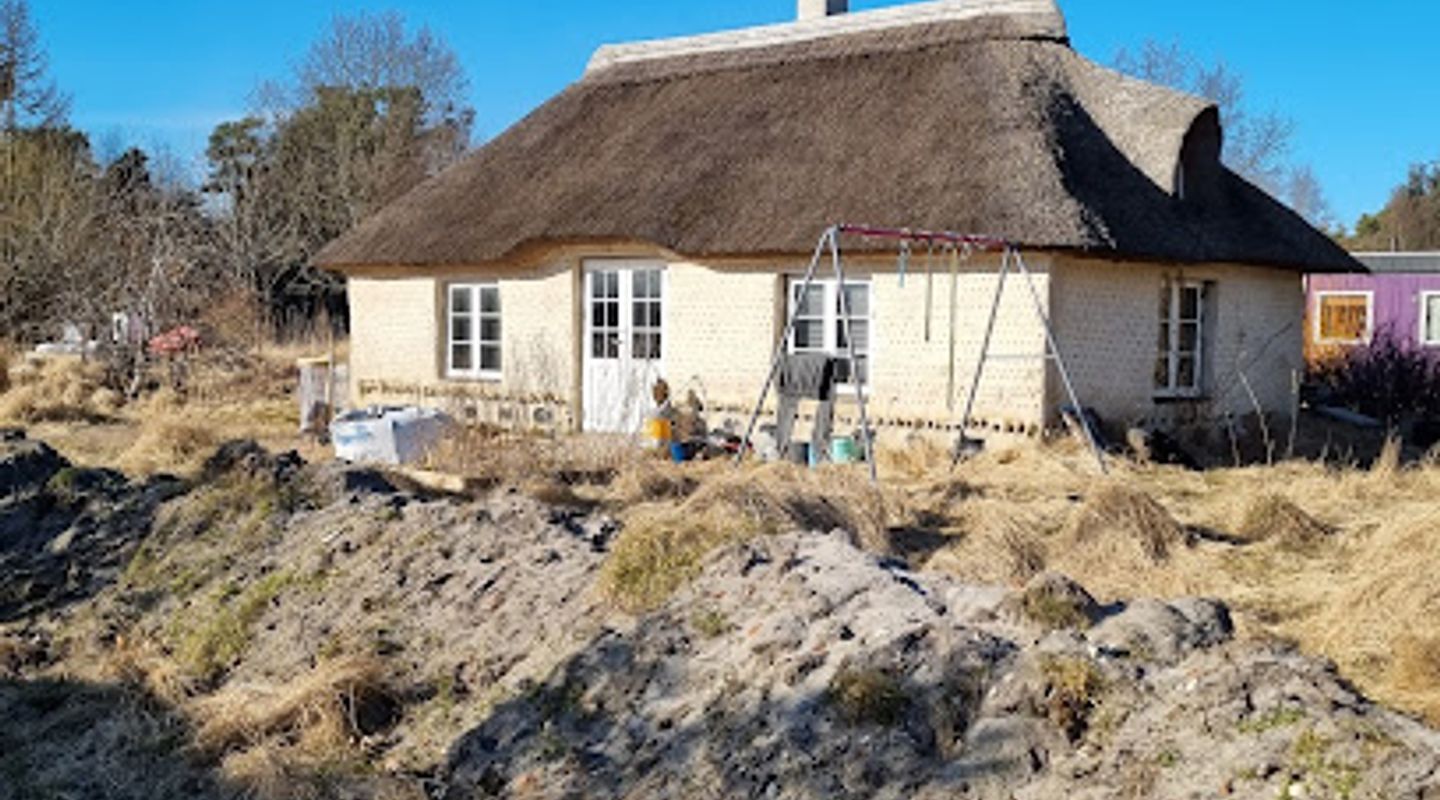
A brief summary of Frøstruplejren
Denmark’s original hippie camp turned long‑running free community, blending DIY homes, music and communal living amid the wild landscapes of Thy.
Tucked away near the windswept dunes and forests of Thy in northwest Jutland, Frøstruplejren – better known as Thylejren – is Denmark’s longest‑running alternative camp community. Founded in 1970 on a former field outside the village of Frøstrup, it grew from a protest summer camp into a semi‑permanent settlement of free spirits, artists, families, and long‑term residents. Today it remains an open, living experiment in communal life, creativity, and low‑key festival culture, where visitors can camp, share meals, listen to music, and experience a very different slice of Danish countryside life.
On-site amenities
 Restrooms
 Seating areas
 Sheltered areas
 Trash bins
 Information boards
Opening hours
- Every day9 am–12 am
Opening hours as listed on the venue’s Google Business Profile. Hours can change for services and special events, so check with the venue before you go.
- Address
- Gamle Aalborgvej 16, 7741 Frøstrup
- Website
Getting there
Regional bus from Thisted
Car from Thisted and Thy region
Cycling in Thy
Discover more about Frøstruplejren
From Protest Camp to Permanent Free Community
Thylejren began in the summer of 1970, when activists from the association Det Ny Samfund set up a temporary camp on a ploughed field near Frøstrup as a social and cultural experiment. What was meant to last a few months evolved into a year‑round community that never quite packed up its tents. Over the decades, makeshift shelters turned into simple houses, wagons, cabins and shared facilities, all built gradually and often by hand.The camp became a countercultural landmark in Denmark, associated with music, artistic expression and a desire to live differently from the mainstream welfare state. It has weathered conflicts, changing generations and shifting public perceptions, but the core idea of creating an alternative way of living together has persisted.
A Patchwork of Houses, Paths and Gathering Spots
Arriving in Frøstruplejren, you step into an improvised landscape: winding dirt tracks instead of streets, quirky self‑built houses instead of uniform homes. Structures may be clad in recycled wood, painted in vivid colours or covered in climbing plants. Some are tiny, others open onto communal decks or outdoor kitchens, reflecting the do‑it‑yourself spirit that has shaped the camp.At the heart of the area lies a loose cluster of meeting places: a bar, a small shop‑like bodega, a common house known as "Svampen" and fire circles where people cook, play music or talk late into the night. Between them, grassy clearings, vegetable patches and paddocks with horses or ponies open toward the surrounding fields and forest.
Life Rhythm, Music and Everyday Practicalities
Life in the camp follows its own rhythm. Summer is the most active season, when temporary residents, families and curious visitors swell the population. Music is a recurring theme: stages or makeshift venues host concerts ranging from local rock and folk to heavier sounds, and jam sessions can run deep into the evening. Informal gatherings, workshops and communal meals add to the sense of a small village that lives by conversation and shared effort.Facilities are rustic. Toilets are provided in simple sheds and near the bar, and water and electricity are present but not luxurious. Expect basic comfort rather than polished infrastructure, and be prepared to share space and resources. Respect for privacy, photography boundaries and consent is important here; this is a lived‑in home for many, not just a curiosity.
Surrounding Nature and the Wider Thy Landscape
Although the camp itself is densely arranged, it sits within the broad open scenery of Thy. A short walk from the houses, you find farmland, heath, sheltering tree belts and, further out, the wind‑shaped dunes and North Sea coastline that define the region. The area’s big skies, shifting weather and clear light are part of the experience, whether you come for a short visit or camp for several days.Staying here often means spending as much time outdoors as indoors: cooking over fires, sitting on benches outside the bar, listening to the wind in the trees or the distant roar of the sea. The contrast between the rugged, almost wild landscape and the improvised human settlement is one of Frøstruplejren’s defining qualities.
A Continuing Experiment in Communal Living
Thylejren is owned by the association Det Ny Samfund, which holds an annual general meeting and uses consensus or voting to settle key matters. There is no single leader or traditional top‑down management; decisions grow out of communal discussions. Residents include long‑term inhabitants, children who have grown up here, and newcomers moving in and out as their lives change.For visitors, the camp offers a window into an ongoing experiment: a place where ideals of freedom, solidarity and simplicity are tested in real daily life, with all the tensions and compromises that implies. You can come to enjoy music, camp among unconventional neighbours, or simply sit quietly and observe this corner of Danish counterculture still very much alive in the fields of Thy.
Evendo Review Centre
 Google
Guest reviews
Best time to go
Quietest: Jan, Feb & Mar · at 2am or at 3am or at 6am
Busy times are Evendo estimates for a typical year, to help you plan. Actual crowds vary with events, school holidays and the weather.
Explore Frøstruplejren on the map
A handpicked selection of must-see spots near Frøstruplejren, mapped for you.
Get your free copy of our complete guide to Frøstruplejren, delivered straight to you.
Everything on this page, from opening hours and how to get there to Eve’s tips and the best time to go, in one PDF you can read offline, print or share.
Already have an account? Sign in
Your Frøstruplejren guide is ready.
We'll send it to · Not you? Sign out

Getting your guide ready…
We are putting together a fresh copy of the Frøstruplejren guide. This can take up to a minute.
This can take a few moments. If your browser asks, choose Allow so the download can start. You'll find the guide in your Downloads folder.
Nothing happened? Download it again
Sorry, the guide is taking longer than usual. Please try again in a minute, or get it by email instead.
Other nearby places you may find interesting
The closest places of the same kind, if this one is not quite what you had in mind.
-
-
-
-
-


Swipe for more places
More to explore near Frøstruplejren

 Best experiences near Frøstruplejren
 Best hotels near Frøstruplejren
 Best landmarks near Frøstruplejren
 Best attractions near Frøstruplejren
 Best shops near Frøstruplejren
 Best restaurants near Frøstruplejren
 Best bars near Frøstruplejren
Do you manage this location?
Take control to get all the benefits, like improved information, better appearance, and stronger visibility across AI-powered discovery.
Explore more
Explore more of Limfjord
Discover Limfjord in Denmark: A serene waterway offering a blend of nature, culture, and history with charming villages, Viking sites, and vibrant arts scenes.
Explore Limfjord
Explore more of Denmark
Discover Denmark: A perfect blend of history, modern design, and the cozy concept of hygge. Explore vibrant cities, serene landscapes, and world-class cuisine.
Explore Denmark
