Øm Klostermuseum – Monastic Ruins by the Lakes
Ruined Cistercian walls, lakeside air and evocative exhibitions bring eight centuries of monastic life to life at Øm Klostermuseum near Ry.
Set on the shore between Mossø and Gudensø near Ry, Øm Klostermuseum is Denmark’s dedicated monastery museum, built around the ruins of a 12th‑century Cistercian abbey. Low stone walls trace the former church, cloister and living quarters, while indoor exhibitions display artifacts, a rare collection of medieval skeletons and vivid stories of monastic life from 1172 to the Reformation. Herb gardens, lawns and water views create a tranquil, reflective atmosphere that invites slow exploration.
A brief summary to Øm Klostermuseum
- Munkevej 8, Ry, 8680, DK
- Click to display
- Click to display
- Duration: 1.5 to 3 hours
- Budget
-
 Mixed
Mixed
- Mobile reception: 4 out of 5
- Tuesday 10 am-4 pm
- Wednesday 10 am-4 pm
- Thursday 10 am-4 pm
- Friday 10 am-4 pm
- Saturday 10 am-4 pm
- Sunday 10 am-4 pm

Know before you go
Hi, I'm Eve. Here are a few practical things to know before exploring Øm Klostermuseum.
- Plan your visit between late March and early November, as the museum is seasonal and typically closed outside this period and on most Mondays.
- Allow time for both the indoor exhibition and a slow circuit of the ruins and herb garden; the story makes most sense when you connect displays with the ground plan outside.
- Wear waterproof footwear in wet weather, as parts of the ruin area and lawns can be soft or muddy after rain.
- Check locally for seasonal events such as historical activities or food and drink festivals that can add extra atmosphere to a visit.
- Photography is rewarding around the lakeshore and low stone walls, especially in early or late light when textures and shadows stand out.
Do you manage this location?
Take control to get all the benefits, like improved information, better appearance, and stronger visibility across AI-powered discovery. Learn more
Activate your presenceOther nearby places you may find interesting

Getting There
-
Regional train and bus from Aarhus
From Aarhus, take a regional train toward Skanderborg and Ry, with typical journey times of 30–40 minutes. From Ry station, a local bus serving Emborg and Munkevej runs on most days in the museum season, usually taking around 10–15 minutes. A combined train and bus ticket within this part of Jutland generally costs about DKK 60–100 one way, depending on time of day and ticket type. Services run less frequently in evenings and on weekends, so check timetables in advance and allow margin for the short walk from the nearest bus stop.
-
Car from Aarhus and central Jutland
Driving from Aarhus or other central Jutland towns is straightforward, with typical travel times of 35–50 minutes from Aarhus and shorter from Skanderborg or Silkeborg. The route uses main paved roads almost all the way, and the final approach follows smaller country roads through fields and woodland. There is usually free outdoor parking near the museum, but spaces can feel limited on busy summer days and during special events. Fuel and any toll costs will depend on your starting point, but there are no separate road charges specific to reaching the museum.
-
Bicycle from Ry and nearby villages
For a more scenic arrival, many visitors cycle from Ry and neighbouring villages, using minor country roads and signposted local routes. Expect a ride of roughly 20–40 minutes from Ry depending on pace. The terrain is gently undulating rather than steep, but sections can feel exposed in windy weather and are not separated from traffic throughout. There is no charge to arrive by bike, and simple bicycle parking is usually available near the entrance. This option suits reasonably confident cyclists comfortable sharing rural roads with cars.
For the on-the-go comforts that matter to you
-
 Restrooms
-
 Drink Options
-
 Drinking Water
-
 Food Options
-
 Seating Areas
-
 Sheltered Areas
-
 Picnic Areas
-
 Trash Bins
-
 Information Boards
-
 Visitor Center
Discover more about Øm Klostermuseum
Medieval abbey on the lakeshore
Øm Klostermuseum sits in gentle countryside just outside Ry, where green slopes meet the water’s edge between Mossø and Gudensø. Here, in the 12th century, Cistercian monks founded an abbey that would shape the region’s religious and economic life for centuries. Today the monastery is a ruin, but its ground plan remains clearly legible in the landscape: low stone foundations outline the church, the cloister garth and the domestic ranges that once buzzed with quiet work and ritual.The modern museum building nestles beside the archaeological site, using glass and wood to frame views across the excavated walls. As you walk out from the exhibition into the open air, the transition from objects to original setting is immediate. Birdsong, the rustle of reeds and the distant shimmer of the lakes give a peaceful backdrop to one of Denmark’s best‑documented monastic complexes.Traces of monastic daily life
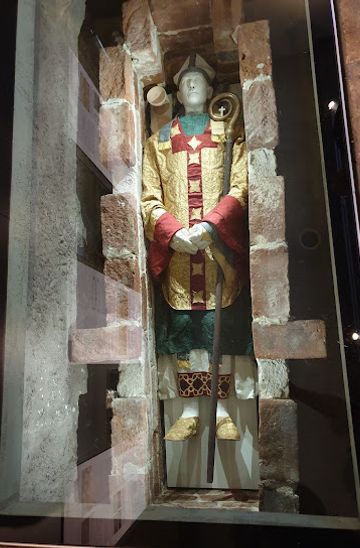
Inside, the story of Øm Kloster unfolds through finds from decades of excavation. Pottery shards, metalwork, carved stones and fragments of painted decoration hint at both austerity and occasional splendour. Display panels reconstruct the daily rhythm of a Cistercian community: the night offices in the church, silent meals in the refectory, work in fields, workshops and library. Maps and models show how the abbey managed land and water, operating mills and controlling routes through the surrounding landscape.One of the most striking elements is the permanent display of medieval skeletal material from the monastery’s cemetery. Carefully presented, it offers insight into diet, disease and the physical hardships of medieval life. Rather than sensationalising, the exhibition uses these remains to humanise the monks and lay people associated with the abbey, linking bones to written sources about the community’s fortunes over time.From dissolution to archaeological revelation
The abbey’s story did not end peacefully. After the Reformation in the 16th century, Øm Kloster was dissolved and systematically demolished; its bricks were reused in new royal and ecclesiastical buildings elsewhere in Jutland. What had been an influential monastic centre became a quarry of ready‑cut stone. For centuries, only faint mounds and scattered walls hinted at what had stood here.Archaeological investigations gradually revealed the full plan of the complex, turning the site into an open textbook on monastic architecture. Information boards around the ruins explain how specialists interpreted foundation widths, floor levels and drain runs to distinguish church from dormitory and kitchen from chapter house. A later high‑profile visit by a pope underscored the enduring symbolic value of the site within the wider story of European Christianity.Gardens, herbs and quiet corners
Close to the cloister ruins, a carefully tended garden evokes the medicinal and culinary plants that were essential to medieval monastic self‑sufficiency. Labels introduce traditional herbs once used for healing, brewing and everyday cooking. The contrast between structured beds and the wilder lakeshore highlights how the monastery mediated between cultivated order and surrounding nature.Lawns and benches offer places to sit and contemplate the stone lines on the ground. It is easy to imagine covered walkways where monks once processed, or to picture the sound of chant drifting across the cloister on a winter morning. Even on busier days, the openness of the site allows visitors to find quieter pockets among the foundations and trees.Events, seasons and atmosphere
The museum operates a seasonal opening calendar from spring to early autumn, and the feel of the place changes with the months. In early season the air can be crisp, with low light picking out the stones; in high summer, longer opening hours on school holiday days take advantage of warm evenings and vivid greens. Special events occasionally animate the ruins with historical interpretations, food and drink inspired by monastic traditions and family‑friendly activities.Whether you explore in depth indoors or linger mainly among the ruins, Øm Klostermuseum offers a layered experience: part archaeological site, part landscape walk, part reflective pause on a long‑vanished way of life that once shaped central Jutland.Explore the best of what Øm Klostermuseum has to offer













More about Central Jutland
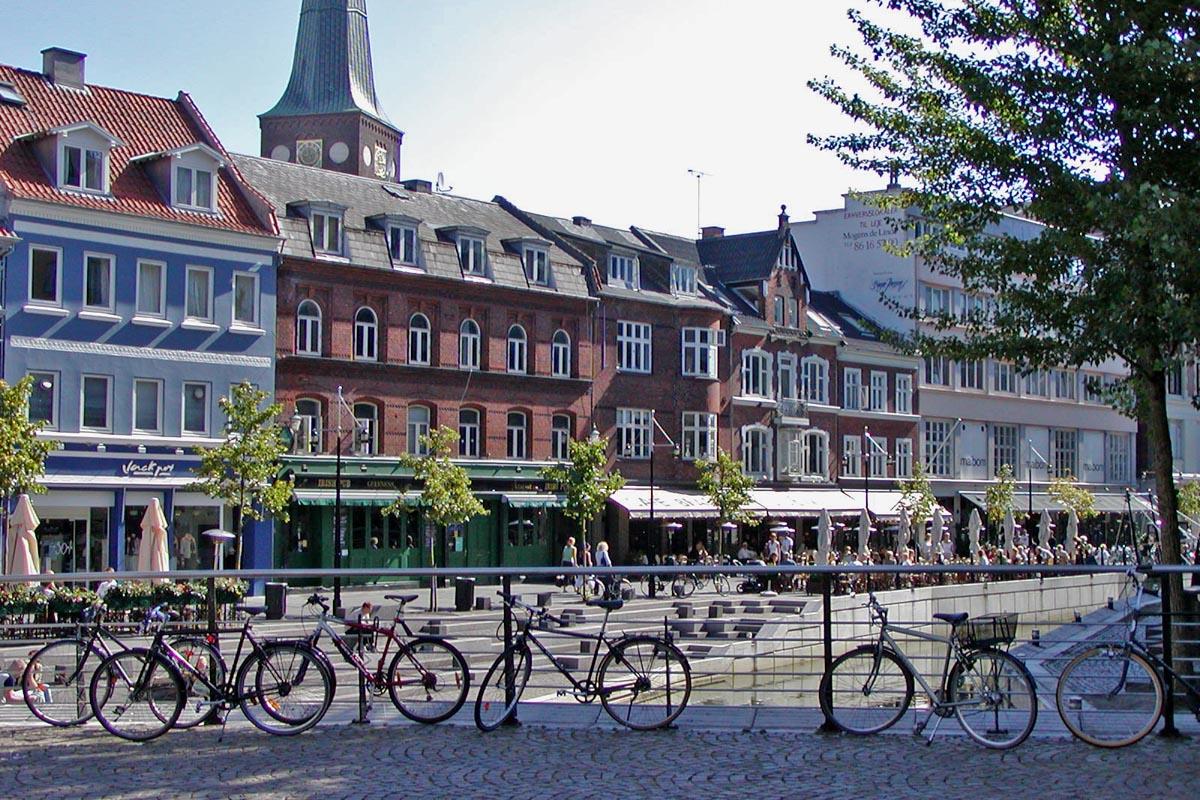
Explore Central Jutland in Denmark: A perfect blend of natural beauty, cultural heritage, and family-friendly attractions.
Tell me more about Central Jutland
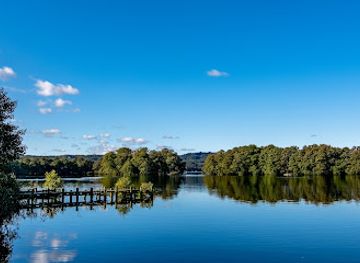
Quiet lakeside marina in Ry, offering relaxed waterfront life, boat trips into the Silkeborg Lakes and easy access to the gentle hills of Denmark’s lake district.
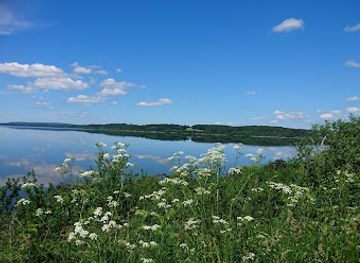
Jutland’s largest lake, where wide horizons, protected birdlife and easygoing outdoor adventures meet in the rolling Danish Lake Highlands.