Natomolen Travel Guide
Free Guide: A former Cold War naval pier on Ebeltoft Vig, now a raw coastal viewpoint where fishing, diving history and ambitious marine restoration plans meet.


A brief summary of Natomolen
A former Cold War naval pier on Ebeltoft Vig, now a raw coastal viewpoint where fishing, diving history and ambitious marine restoration plans meet.
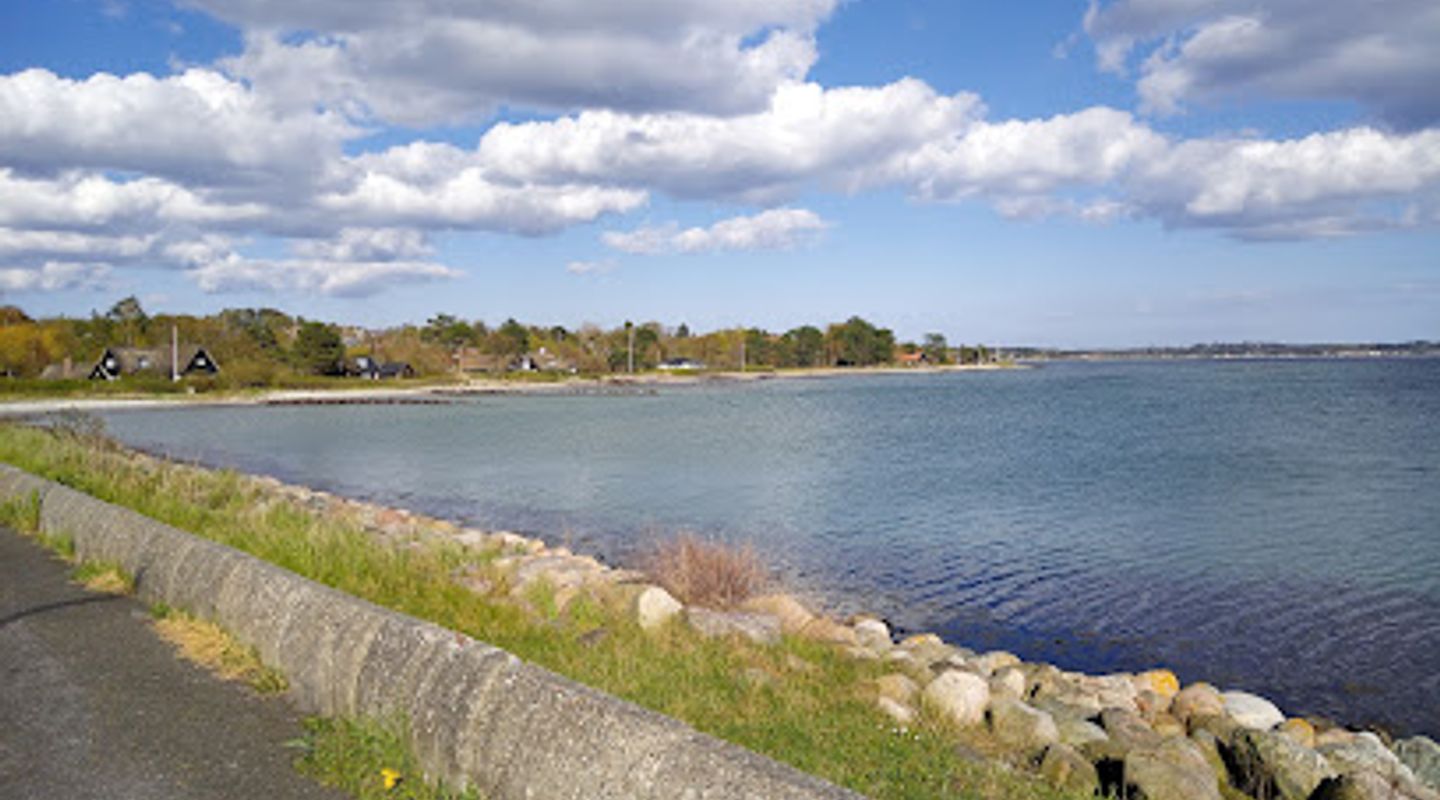
Jutting out into Ebeltoft Vig between Handrup and Lyngsbæk beaches, Natomolen is a former Cold War naval pier turned open coastal spot for anglers, divers and sea-gazers. Built in 1968 to fuel Danish and West German navy vessels, the pier long doubled as an easy-access deep-water platform, offering quick entry to the bay and views across Nationalpark Mols Bjerge. Today, with the original structure largely removed, the area remains a fascinating coastal landscape, with remnants on the seabed, ongoing marine restoration plans and a raw, windswept atmosphere that reveals both the site’s military past and its new life as a nature-focused shoreline.
On-site amenities
 Trash bins
 Information boards
Opening hours
- Every dayOpen 24 hours
Opening hours as listed on the venue’s Google Business Profile. Hours can change for services and special events, so check with the venue before you go.
- Address
- Kystvejen 12, 8400 Ebeltoft
- Website
Getting there
Car from Ebeltoft town centre
Local bus and short coastal walk
Bicycle from Ebeltoft and nearby beaches
Discover more about Natomolen
From Cold War stronghold to quiet Ebeltoft shoreline
Natomolen sits on the northern shore of Ebeltoft Vig, a broad, shallow bay framed by the hills of Mols. For decades this stretch of coast was dominated by a long concrete and steel pier constructed in 1968 as part of NATO infrastructure. Its primary purpose was practical and strategic: to allow naval tankers to load and unload diesel and other supplies for the Danish and West German navies, safely away from busy commercial harbours.Although the naval installations themselves were never grand in architectural terms, the mole symbolised a tense period in European history. Tank pipelines, pump facilities and a heavily engineered sheet-pile wall created a distinctly utilitarian seafront. Over time, as the geopolitical landscape changed and the facility’s military relevance faded, the pier’s role slowly shifted from guarded asset to familiar landmark on the bay.
A beloved, rugged platform for fishing and diving
Even while the naval use declined, Natomolen found a second life as an accessible spot for outdoor recreation. Extending well into Ebeltoft Vig, it offered deeper water than the surrounding beaches, making it one of Djursland’s best-known coastal fishing places. Seasonal runs of herring, mackerel and garfish drew anglers to the edge of the pier, while summer brought encounters with greater weever and the occasional flatfish or sea trout in the surrounding waters.For divers, the pier provided an easy entry point and a clear underwater route along the sheet piles and scattered boulders. Visibility in the bay could vary, but the structure offered shelter and habitat for marine life, turning a purely functional Cold War construction into an informal training and exploration site. On the surface, the flat, wide deck gave space to gear up, watch the water or simply sit and absorb the views across the bay.
Demolition, seabed traces and a changing seascape
In recent years, the original NATO pier has been largely demolished. Heavy machinery removed most of the sheet piling and concrete, reshaping both the shoreline and the seabed. Today, what remains is a more natural-looking coastal line with only scattered traces of the old structure beneath the surface, including buried concrete fragments and occasional protruding metal elements that hint at the former installation.Sand has gradually covered much of the old construction, softening the hard industrial profile into a gentler slope. For visitors on land, the absence of the long pier can be surprising if they knew it from earlier years, yet the open view across Ebeltoft Vig feels broader and less interrupted. Underwater, the transition from artificial harbour-like environment to a more open bay continues as sediments settle and marine communities adapt.
Super reef visions and the future of Ebeltoft Vig
The disappearance of the pier has opened the door to ambitious plans for marine restoration. Nationalpark Mols Bjerge has proposed creating Denmark’s first “super reef” in the waters off the former Natomolen site, designed to revive a seabed that has lost much of its natural richness. Structured rock formations could provide new habitat for fish, crustaceans and seaweeds, helping to improve oxygen conditions and biodiversity in the bay.Alongside the reef, proposals have included an underwater viewing tunnel and new, more modest coastal facilities where the old pump grounds once stood. Ideas range from a green recreational area with paths and seating to simple shelters, fire pits and proper toilet facilities, aiming to balance public access with respect for local residents and the fragile marine environment.
Atmosphere on a wind-exposed coastal edge
Standing here today, you encounter a shoreline in transition. There is no grand monument, but rather a low-key, windswept stretch of coast that invites you to linger and imagine what once rose from the water. The sound of waves against the stones, seabirds hunting over the shallows and distant sails gliding across the bay all help to shift the focus from military logistics to landscape appreciation.On clear days, the light over Ebeltoft Vig can be striking, with reflections from the sometimes rippled, sometimes mirror-smooth water. The absence of large buildings lends the place a spacious feel, and even a short stop allows you to sense how this corner of Djursland is reshaping its relationship with the sea—from strategic fuel hub to a more nature-oriented coastal experience.
Practical considerations for a low-key seaside stop
Facilities at and around the former Natomolen are relatively simple. Expect an unpretentious, natural setting rather than a developed waterfront promenade. At busy times, especially when conditions are favourable for fishing or water activities, parking can be limited along the nearby coastal road. There is ongoing discussion about improving amenities, including formal parking areas, toilets and small-scale recreational features that would better support day visitors.Because of the open exposure to wind and weather, conditions change quickly. A bright summer evening here feels very different from a grey, blustery winter afternoon. The site works well as a short scenic pause on a wider exploration of Nationalpark Mols Bjerge, a vantage point for contemplating the bay’s past and future, and a reminder of how quickly functional infrastructure can give way to new priorities of conservation and quiet enjoyment.
Evendo Review Centre
 Google
Guest reviews
Best time to go
Quietest: Jan, Feb & Nov · before 6am or from 9pm
Busy times are Evendo estimates for a typical year, to help you plan. Actual crowds vary with events, school holidays and the weather.
Explore Natomolen on the map
A handpicked selection of must-see spots near Natomolen, mapped for you.
Get your free copy of our complete guide to Natomolen, delivered straight to you.
Everything on this page, from opening hours and how to get there to Eve’s tips and the best time to go, in one PDF you can read offline, print or share.
Already have an account? Sign in
Your Natomolen guide is ready.
We'll send it to · Not you? Sign out

Getting your guide ready…
We are putting together a fresh copy of the Natomolen guide. This can take up to a minute.
This can take a few moments. If your browser asks, choose Allow so the download can start. You'll find the guide in your Downloads folder.
Nothing happened? Download it again
Sorry, the guide is taking longer than usual. Please try again in a minute, or get it by email instead.
Other nearby places you may find interesting
The closest places of the same kind, if this one is not quite what you had in mind.
-
Mols Bjerge Rolling Ice Age hills, wide sea views and ancient burial mounds combine in one of Denmark’s most varied national parks on the Djursland peninsula.
-
Mols bjerge besøgscenter Free, informative visitor hub in the heart of Mols Bjerge National Park, blending clear exhibits, basic comforts, and immediate access to classic hill and heathland trails.
-
Dragsmur A slender, wind‑shaped isthmus between two bays, Dragsmur ties Helgenæs to Mols with Ice Age hills, stony shores and quietly protected coastal nature.
-
Djurs Sommerland Scandinavia's largest amusement park with 60+ rides, world-class coasters, and family fun across 9 themed lands.
-
Sletterhage Fyr. Active lighthouse at the tip of Helgenæs, where ships pass close to shore, glacial cliffs meet the Kattegat, and wide coastal views invite slow walks and quiet watching.
Swipe for more places
More to explore near Natomolen

 Best experiences near Natomolen
 Best hotels near Natomolen
 Best landmarks near Natomolen
 Best attractions near Natomolen
 Best shops near Natomolen
 Best restaurants near Natomolen
 Best bars near Natomolen
Do you manage this location?
Take control to get all the benefits, like improved information, better appearance, and stronger visibility across AI-powered discovery.
Explore more

Explore more of Mols Bjerge National Park
Discover the natural beauty and historical charm of Mols Bjerge National Park, where rolling hills, ancient woodlands, and serene lakes create a perfect outdoor escape.
Explore Mols Bjerge National Park
Explore more of Denmark
Discover Denmark: A perfect blend of history, modern design, and the cozy concept of hygge. Explore vibrant cities, serene landscapes, and world-class cuisine.
Explore Denmark