
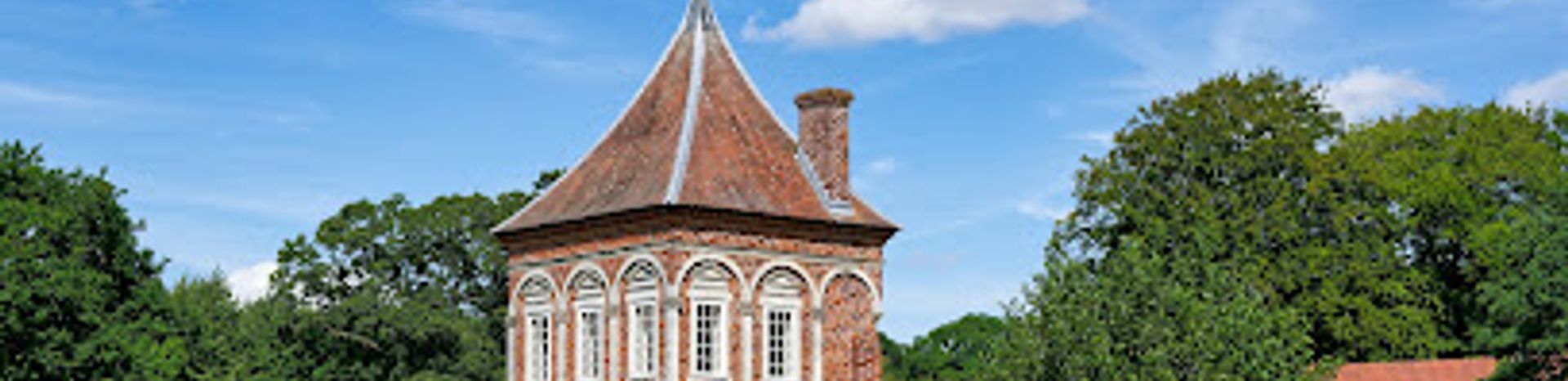
Rosenholm Castle
A moated Renaissance manor of the Rosenkrantz family, where Italian-inspired architecture, baroque gardens and ghostly legends bring 450 years of Danish nobility to life.
Rosenholm Castle, just outside Hornslet on Djursland, is Denmark’s oldest family-owned castle and one of its most elegant Renaissance manor houses. Built between 1559 and the early 1600s by the powerful Rosenkrantz family, it combines Italian-inspired architecture, richly furnished interiors and a baroque park of lime avenues and beech hedges. Visitors wander through centuries of aristocratic life, from the chapel and great halls to romantic gardens and eerie ghost legends.
A brief summary to Rosenholm Castle
- Rosenholmvej 119, Hornslet, 8543, DK
- +4586994010
- Visit website
- Duration: 1.5 to 3 hours
- Mid ranged
-
 Mixed
Mixed
- Mobile reception: 4 out of 5
- Saturday 11 am-2 pm
- Sunday 11 am-2 pm
Local tips
- Check seasonal opening dates and tour times in advance, as the castle interiors are typically accessible only during specific months and hours.
- Wear comfortable shoes suitable for cobblestones, wooden staircases and gravel paths in the park, and bring a light jacket for the cool interiors.
- Allow extra time for the gardens; the lime avenues, rose beds and moat views are particularly atmospheric in late afternoon light.
- Photography is usually welcomed in the park, but check on-site guidance about taking pictures inside historic rooms and the chapel.
- If you are interested in ghost stories, ask during a guided tour for the tale of the bricked‑up lady and the headless knight said to haunt the tower.

For the on-the-go comforts that matter to you
- Restrooms
- Drink Options
- Drinking Water
- Food Options
- Seating Areas
- Sheltered Areas
- Picnic Areas
- Trash Bins
- Information Boards
- Visitor Center
Getting There
-
Regional train and local walk from Aarhus
From Aarhus, take a regional train towards Grenaa and alight at Hornslet Station; the journey usually takes 25–35 minutes and runs at least hourly in daytime. A standard adult single ticket typically costs around 60–80 DKK, depending on time and discounts. From Hornslet, expect a pleasant walk of roughly 25–35 minutes on mostly paved, gently undulating roads through semi‑rural surroundings; the route is not steep, but it may feel long for very young children or visitors with limited mobility, and there is little shelter in bad weather.
-
Bus from Aarhus to Hornslet area
Several regional buses connect Aarhus with Hornslet and nearby stops, with typical journey times of 40–55 minutes depending on route and traffic. A single ticket for an adult generally costs around 50–70 DKK. Services are more frequent on weekdays and daytime hours than in late evenings or on Sundays, so always check current timetables. From the nearest bus stop in Hornslet, you will still need to walk on local roads for around 25–35 minutes across mostly flat terrain without significant shade.
-
Car from Aarhus and Djursland
By car, Rosenholm Castle is usually around 25–35 minutes from central Aarhus and 30–45 minutes from many Djursland coastal towns, depending on traffic and starting point. The approach uses main regional roads followed by smaller country lanes with clear signposting. There is typically free parking near the estate entrance, but spaces can fill during events and high season; arrive earlier on sunny weekends. The final access roads are narrow in places, so allow extra time and drive cautiously in wet or wintry conditions.
Rosenholm Castle location weather suitability
-
 Clear Skies
-
 Mild Temperatures
-
 Any Weather
-
 Cold Weather
Discover more about Rosenholm Castle
Renaissance stronghold of the Rosenkrantz family
Rosenholm Castle rises from its moats in gently rolling Djursland countryside, a compact four‑winged manor that has belonged to the Rosenkrantz family since 1559. The estate began as the farm Holm, but nobleman and royal councillor Jørgen Rosenkrantz reshaped it into a modern residence worthy of his status, giving his name to both the castle and a powerful lineage that still owns it today. This continuity makes Rosenholm the oldest family‑owned castle in Denmark, and you feel that unbroken story in every room. The Rosenkrantz name has travelled far beyond Denmark; Shakespeare even borrowed it for one of Hamlet’s ill‑fated courtiers. Here, however, the family is very real. Portraits, coats of arms and carved monograms line corridors and staircases, quietly charting marriages, alliances and political careers across more than four centuries of Danish history.Italian inspiration on a Danish moated island
Architecturally, Rosenholm stands apart from the usual fortress‑like Danish castles of its age. Jørgen Rosenkrantz embraced early Renaissance ideals, giving the main wing an open loggia inspired by Italian palazzi. That colonnaded arcade was later bricked in when Danish winters proved too harsh, but its outlines can still be traced from the courtyard, hinting at the bold original vision. The castle grew in stages into a trapezoidal four‑winged complex, its red brick facades crowned by ornate gables and flanked by rounded corner towers. Crossing the bridges over the moat, you step into a cobbled courtyard framed by harmonious elevations that blend Gothic details with Renaissance symmetry. It is an intimate scale, yet undeniably grand, with every side designed to be seen, approached and admired.Baroque interiors and a lived-in noble home
Inside, Rosenholm feels more like a lived‑in house than a museum. During the 18th century, the family updated the interiors in fashionable baroque style, adding stucco ceilings, panelled walls and richly painted chambers. Today the rooms remain fully furnished: long tables set beneath tapestries, tiled stoves tucked into corners, and cabinets filled with porcelain and curiosities. Moving from hall to hall, you can trace changing tastes as Rococo lightness gives way to 19th‑century comfort. The private chapel, created in the early 1600s, adds a more contemplative note with painted biblical scenes and dark woodwork, one of the earliest examples of a noble house chapel in Denmark. Together, these interiors offer a rare, continuous glimpse of how an aristocratic family adapted its surroundings to new eras while staying rooted in one place.Gardens, gazebos and a green retreat
Rosenholm’s grounds extend the sense of ordered elegance. In the 1740s, the family laid out a formal baroque park of around five hectares, structuring the flat landscape into straight lime avenues, clipped beech hedges and carefully framed vistas of water and brick. Walking here, you move through leafy corridors and open lawns that align with the castle’s axes, each turn revealing a different perspective on facades, towers and reflections in the moat. A rose garden embraces a central fountain in fragrant colour during summer, while deeper in the estate a small historic pavilion known as Pirkentavl recalls the days when young noblemen were tutored in philosophy and theology in a miniature “university” in the park. The combination of architectural formality and soft Danish light makes the gardens as appealing for quiet contemplation as for leisurely photography.Legends, ghosts and a living venue
Like many old Danish castles, Rosenholm carries its share of ghost stories. The most famous tale tells of a noblewoman and a steward whose forbidden love ended in execution and entombment within the castle walls; their spirits are said to wander the tower rooms at night, a white‑clad lady and a headless knight crossing paths on moonlit terraces. Whether you believe the legends or not, the long corridors, creaking floors and thick walls lend themselves easily to such imaginings. Despite its age, Rosenholm is very much part of contemporary cultural life. The castle opens seasonally for guided tours, hosts exhibitions and stages events and private celebrations in its halls and park. On a quiet day, though, it can feel unexpectedly intimate: a place where turning a corner might bring you from a grand hall into a modest family room, reminding you that behind the brick facades and baroque stucco this was, above all, a home.Planning your visit inside the walls
A visit to Rosenholm typically combines time inside the castle with unhurried exploration of the grounds. The opening hours are concentrated in the warmer months, and access to interiors is usually by timed entry or guided visit, allowing you to move through clusters of rooms while hearing the stories that link furniture, portraits and architectural details. The park paths are mostly level and well kept, inviting gentle strolls beneath lime trees or pauses on benches overlooking the water. Families often gravitate towards the open lawns, while anyone with an eye for design will appreciate the interplay between strict baroque geometry and the looser planting of later centuries. Allow enough time to let the castle shift from postcard image to three‑dimensional place: a lived‑in, layered estate where history, landscape and legend quietly overlap.Iconic landmarks you can’t miss

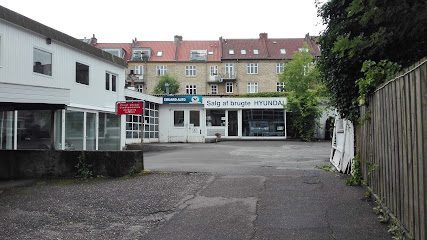
Trøjborg Beboerhus
19.4 km
Experience the vibrant community spirit of Aarhus at Trøjborg Beboerhus, a hub for cultural events, workshops, and local gatherings.
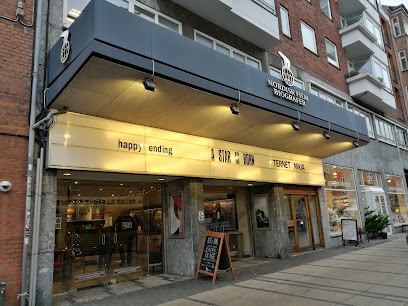
Nordisk Film Cinemas Trøjborg
19.5 km
Experience local Danish cinema culture at Nordisk Film Cinemas Trøjborg—an atmospheric neighborhood movie house blending modern comfort with classic charm in Aarhus.
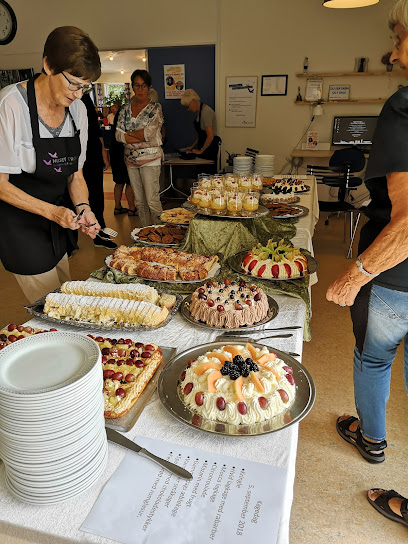
Folkehuset Trøjborg
19.9 km
Folkehuset Trøjborg blends Danish hygge, vibrant community life, and affordable culture, making it a beloved gathering place in the heart of Aarhus’ Trøjborg district.
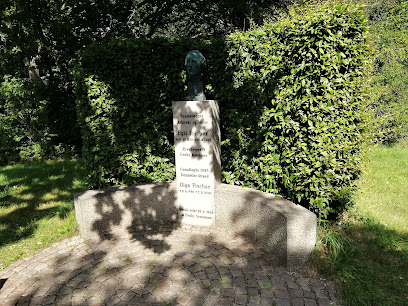
Mindesten for Egil Fischer
20.3 km
A quiet memorial honoring Denmark's visionary architect and pioneer of planned communities.
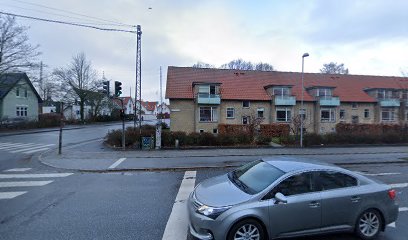
Kunst ved Kaserneboulevarden
20.5 km
Explore contemporary art at Kunst ved Kaserneboulevarden, Aarhus' premier gallery showcasing local and international talent.
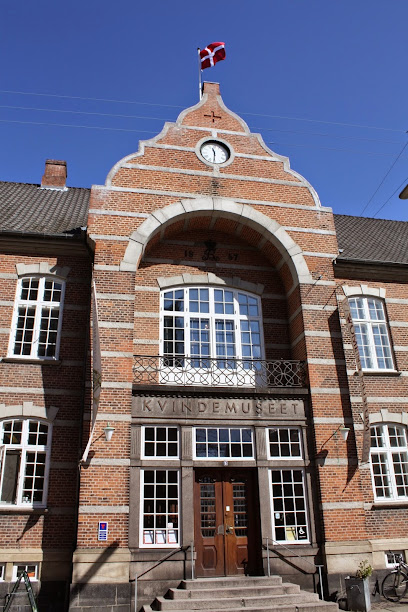
KØN - Gender Museum Denmark
20.9 km
A groundbreaking museum in Aarhus dedicated to gender, identity, and equality, featuring interactive exhibitions in a historic building near the city’s iconic cathedral.
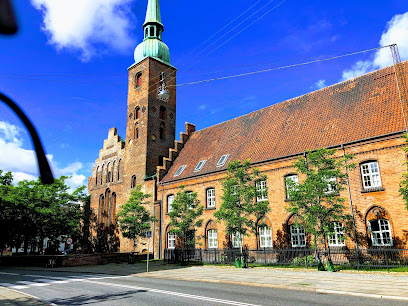
Klostertorvet
20.9 km
Klostertorvet is Aarhus’s vibrant plaza, fusing historic monastery grounds with a lively social scene, independent cafés, and open-air city life in the heart of Denmark.
Endless Connection
20.9 km
Experience the dynamic interplay of art and water at Aarhus's Endless Connection, an interactive fountain by Jeppe Hein.
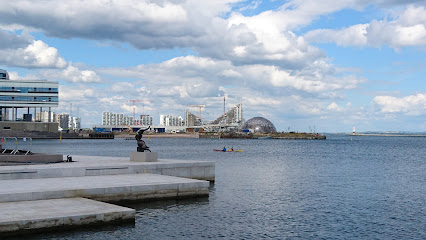
Botanical Garden
20.9 km
Experience Denmark's artistic heritage and international masterpieces at SMK, Copenhagen's dynamic national gallery housed in landmark architecture beside the Kings’ Garden.
Store Torv
21.0 km
Medieval marketplace transformed into Aarhus's iconic civic square, where eight centuries of history meet contemporary urban life.
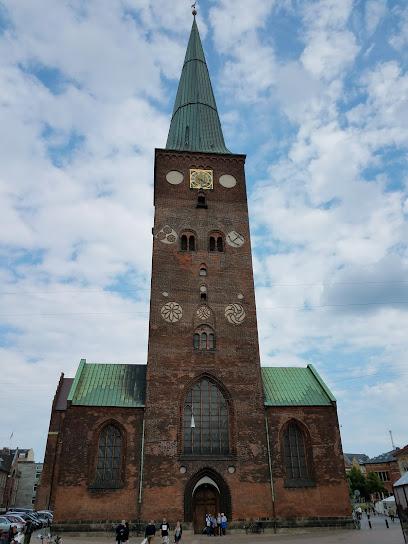
Aarhus Cathedral
21.0 km
Denmark’s largest cathedral, a Gothic masterpiece in Aarhus C, renowned for medieval frescoes, stunning vistas, and a vibrant city square atmosphere.
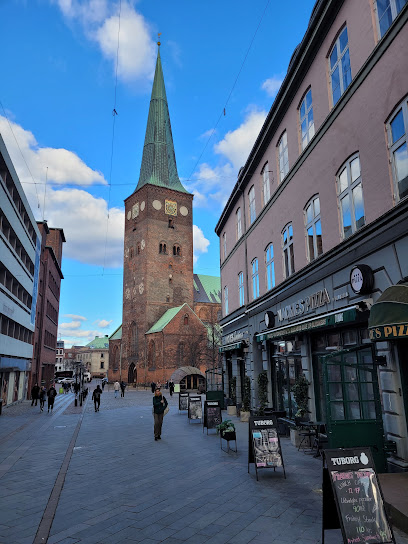
Lille Torv
21.0 km
Charming central square in Aarhus’ historic district, Lille Torv blends centuries-old architecture, local life, and a vibrant social atmosphere for visitors.
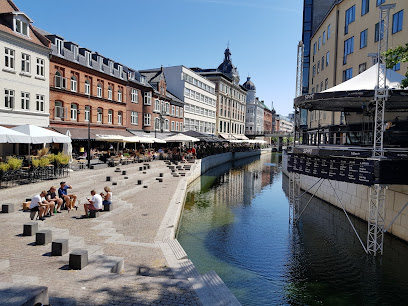
Our Lady Church
21.0 km
Medieval layers of faith: from Viking-era crypt to Dominican monastery, Aarhus' oldest sacred space.
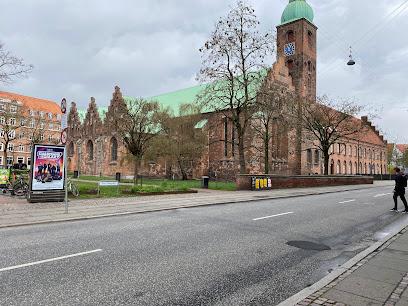
Viking Museum
21.0 km
Explore Aarhus's Viking roots at the underground Viking Museum, showcasing artifacts and structures from ancient Aros.
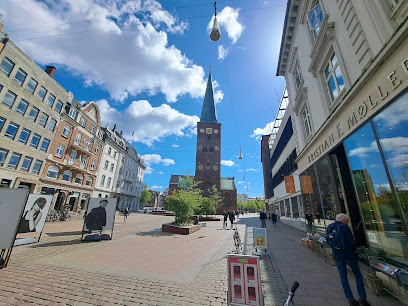
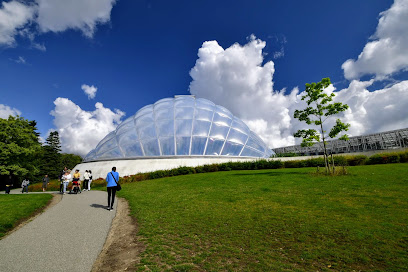
Greenhouses in the Botanical Garden
21.0 km
Step into a vibrant world of exotic plants, interactive exhibits, and striking glass architecture at Aarhus's Greenhouses—a serene escape for nature lovers.
Unmissable attractions to see

Gravhøj
10.3 km
A 3000-year-old Bronze Age burial mound turned beacon hill, St. Bavnehøj’s Gravhøj above Rønde pairs deep prehistory with wide, wind-swept views over Kalø and Mols.
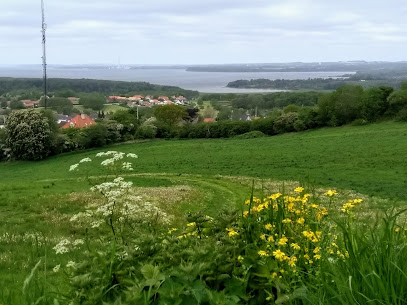
St. Bavnehøj
10.3 km
Ancient beacon hill and Bronze Age burial mound above Rønde, offering big views over Kalø and Mols Bjerge after a short, steep climb through wind‑swept landscape.
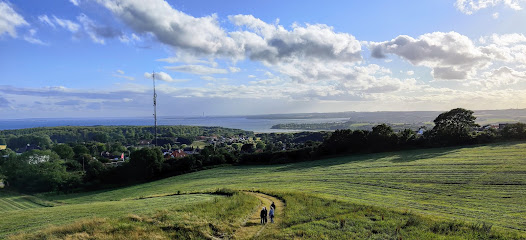
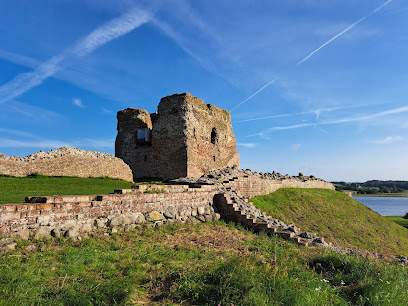
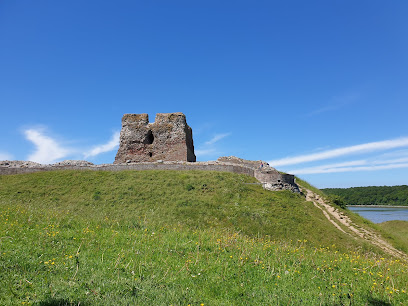
Kalø Castle
10.6 km
Walk Denmark’s longest medieval road to a sea-breezed island, where the weathered stones of Kalø Castle Ruins tell stories of kings, rebels and a daring escape.
Mols Bjerge National Park
10.7 km
Undulating Ice Age hills, wild heaths, beaches and Bronze Age mounds come together in one of Denmark’s most diverse landscapes, perfect for hiking and slow exploration.
Jagtslottet, Kalø
11.0 km
A modest 1890s hunting lodge turned tranquil viewpoint, Jagtslottet overlooks Kalø’s forests and castle ruins in the heart of Mols Bjerge National Park.
Skæringstenen
11.2 km
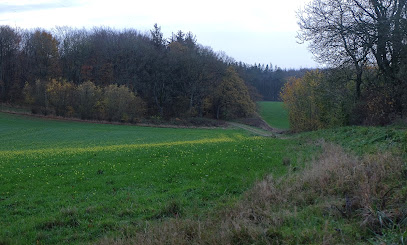
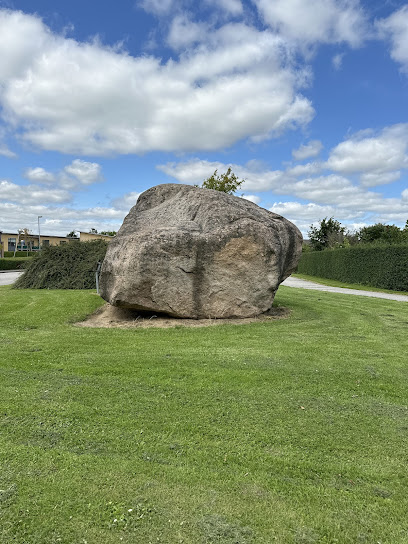
A colossal Ice Age granite boulder quietly dominating a suburban green in Egå Skæring, offering a close-up encounter with East Jutland’s deep geological story.
Clausholm Castle
11.4 km
A moated Baroque manor near Hadsten, where painted ceilings, royal love stories and terraced gardens bring Denmark’s aristocratic past vividly to life.
Gammel Estrup Danmarks Herregårdsmuseum
11.7 km
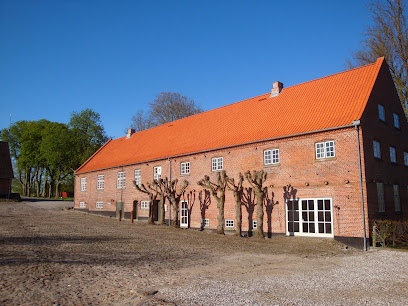
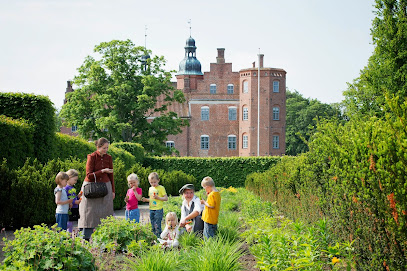
Step across the moat into a Renaissance manor where lavish halls, servant quarters, orchards and forests together tell the layered story of Danish manor life.
The Green Museum
11.7 km
Denmark's national museum uniting hunting, forests, agriculture, and food heritage in one immersive setting.
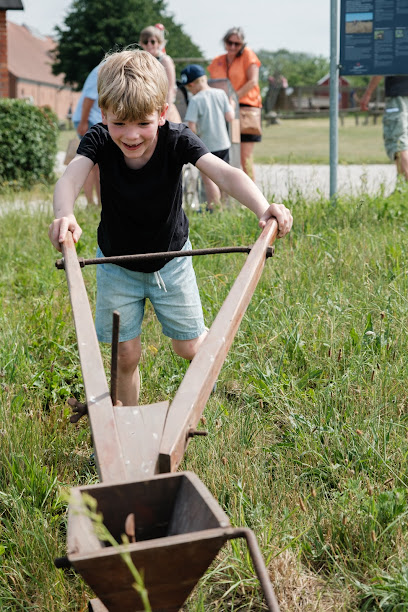
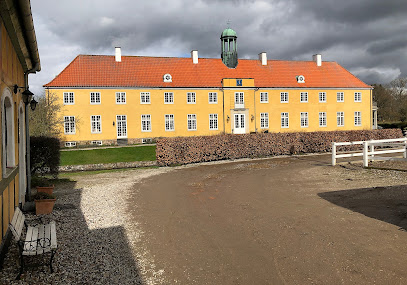
Møllerup
14.8 km
Historic yellow‑timbered manor, working estate and atmospheric rural retreat on the edge of Mols Bjerge National Park in scenic East Jutland.
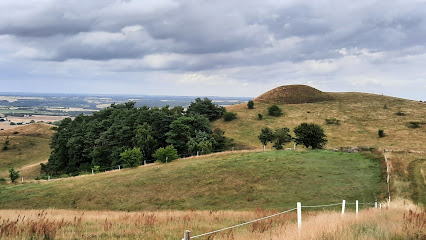
mounds from the bronze age
16.0 km
Soft grassy mounds on a quiet ridge in Mols, these Bronze Age graves offer big horizons, deep time and a tranquil pause amid Denmark’s rolling farmland.
Genforeningssten i Ølst
16.3 km
Embark on a captivating journey through Denmark's history at Tidsrejsen, Randers Regnskov's immersive outdoor exhibition.
Poskær Stenhus
16.6 km
Denmark’s largest round barrow, Poskær Stenhus blends towering Neolithic stones, quiet fields and soft Mols Bjerge light into a compact, atmospheric time capsule.
Mols Mountains Holiday Resort
16.7 km
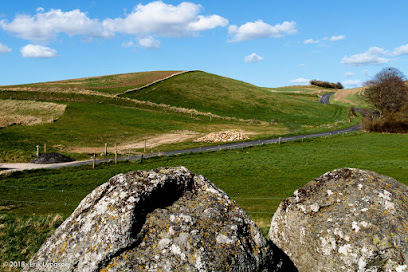
Relaxed holiday base in rural Knebel, placing you within easy reach of Mols Bjerge’s heather‑clad hills, quiet beaches and the atmospheric ruins of Kalø Castle.
Molsløbet
16.8 km
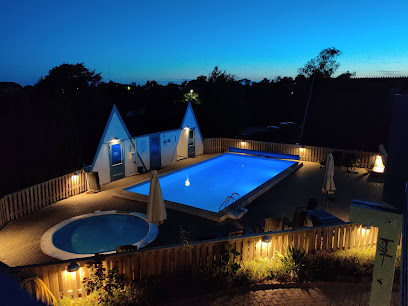
A one-day trail-running festival that turns quiet Knebel into the gateway to Mols Bjerge’s steep hills, forest paths and wide-open national park views each September.

Essential places to dine

Restaurant Bag Søjlen
10.0 km
Intimate Danish–French dining on Rønde’s main street, pairing warm candlelit ambience with carefully plated seasonal dishes and indulgent desserts.
Stenbækhus / mad på Mols
16.2 km
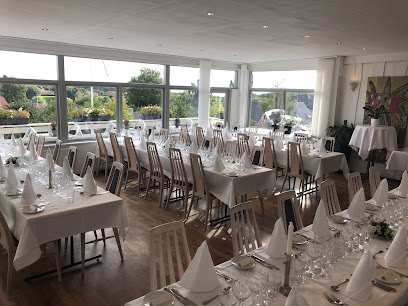
Family-run Danish kitchen celebrating seasonal ingredients and coastal charm in Knebel's welcoming courtyard.
Restaurant Mols Bjerge
16.7 km
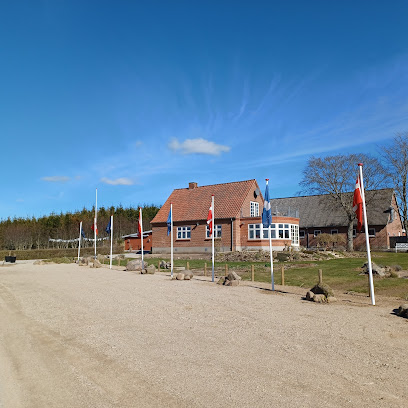
Authentic Sicilian cuisine and wood-fired pizzas in the heart of Danish countryside, near Mols Bjerge.
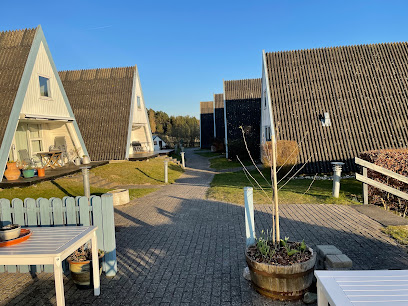
MolsCafeen
16.8 km
Rural cafe and cozy bed and breakfast on Kølbakken, pairing homely Danish cooking with wide countryside views toward the Mols Bjerge landscape near Ebeltoft.
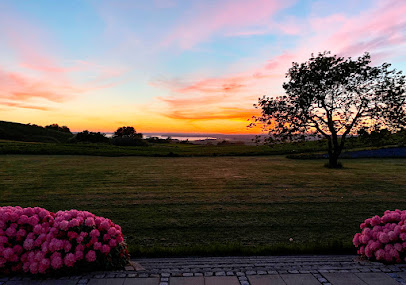
Restaurant Moment
16.8 km
Radically green fine dining in a timber-clad restaurant at Friland, where Nordic tasting menus grow out of the surrounding permaculture gardens and seasons.
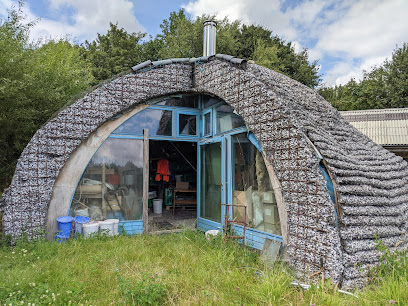
Knebel Bro Pizza Grill
16.9 km
Casual harbour-neighbourhood pizzeria and grill in Knebel, serving hearty, inexpensive takeaway classics to sailors, locals and holidaymakers on the Mols peninsula.
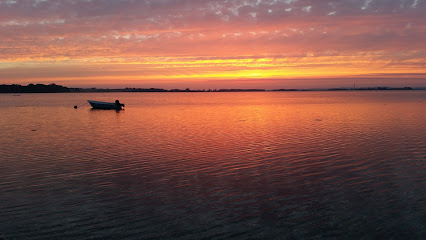
Gastromé
17.7 km
Michelin-starred Nordic gastronomy in an elegant villa, where seasonal ingredients and precise technique create unforgettable culinary moments.
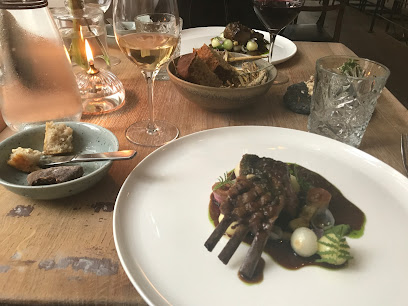
Restaurant Skovmøllen Femmøller
18.9 km
Authentic Danish comfort food beside a peaceful mill pond, where tradition meets genuine hospitality.
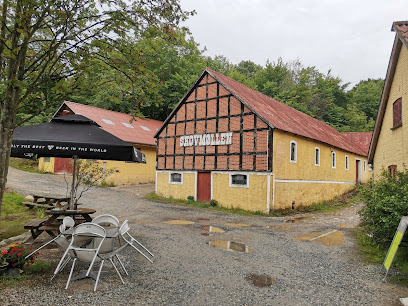
Fratelli Pizzeria (Trøjborg)
19.1 km
Experience authentic Italian cuisine at Fratelli Pizzeria in Aarhus – where every bite transports you straight to Italy.
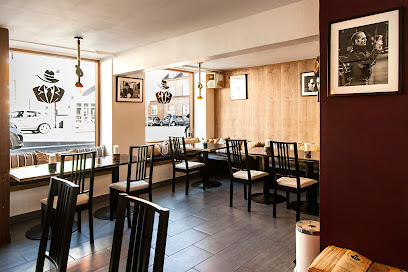
Kantina
19.4 km
Contemporary Danish dining with a cozy neighborhood vibe, creative seasonal menus, and welcoming ambiance in Trøjborg—perfect for casual meals and local flavor.
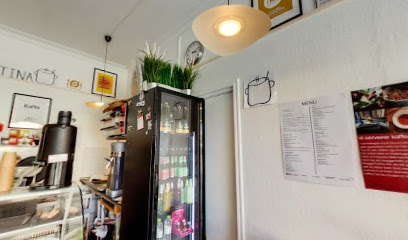
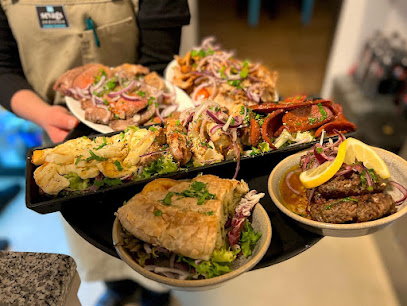
Sevag's Grækeren
19.4 km
Discover authentic Greek cuisine and warm hospitality at Sevag’s Grækeren, a local favorite in Aarhus’ lively Trøjborg neighborhood, renowned for its vibrant atmosphere.
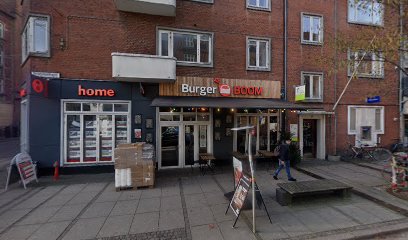
Mevino & Mondrup
19.5 km
Experience innovative Danish cuisine and curated wines in the heart of Aarhus' Trøjborg district.
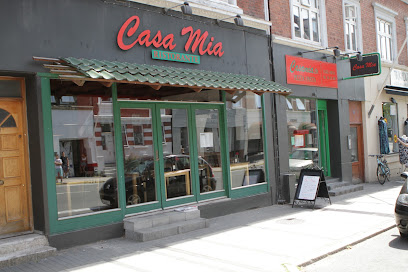
Casa Mia Trøjborg
19.5 km
Savor genuine Italian pizza and a homey Danish-Italian vibe in the heart of Aarhus' Trøjborg district, a neighborhood favorite for casual and cozy dining.
Cocco Bello
19.6 km
Relaxed Italian-inspired restaurant inside Randers Storcenter, serving pizzas, pastas and casual classics for families, shoppers and hungry locals all day.
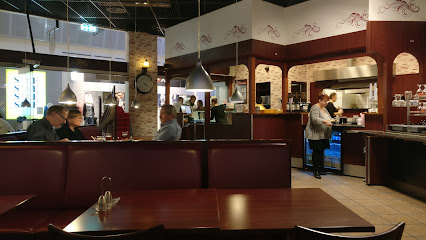
Restaurant NOK Grill & Grønt
19.7 km
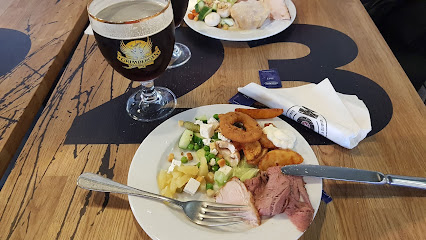
Mall-side buffet in Randers Storcenter serving hearty grills, salads and kid-friendly favourites from brunch through dinner at wallet-friendly fixed prices.
Markets, malls and hidden boutiques

Troldhedesten
14.0 km
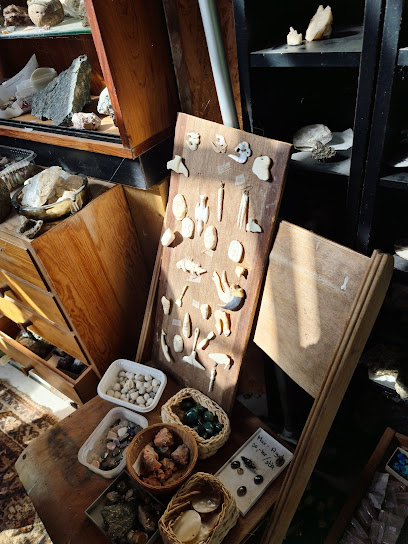
Coastal fitness hub where quality equipment meets active Danish living.
EnergyBar.nu
14.3 km
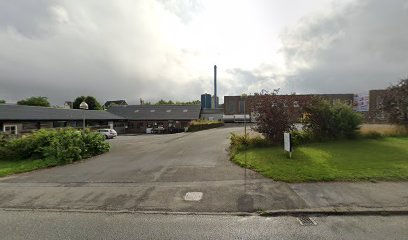
Compact organic food shop in rural Vrinners, specializing in Danish-made energy bars and protein products that power explorations around Knebel and Mols Bjerge.
Garn10
16.4 km
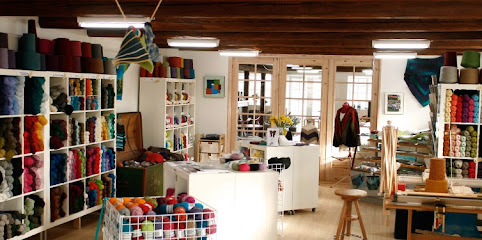
A cozy village yarn shop in Knebel where shelves of color, texture, and Nordic fibers invite you to slow down, browse, and bring home a creative Danish souvenir.
Is På Toppen - Outdoor Cykel- og Vandrecafe
16.4 km
Beloved outdoor café and ice cream bar at the edge of Mols Bjerge National Park, renowned among hikers and cyclists for homemade treats and countryside atmosphere.
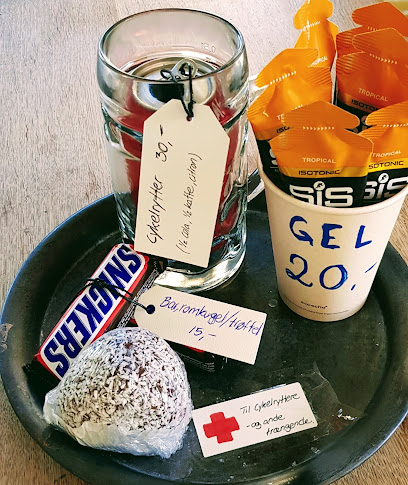
Miss A - Gaveideer og indretning til dit hjem
16.4 km
Curated gifts and home décor in the heart of scenic Mols Bjerge
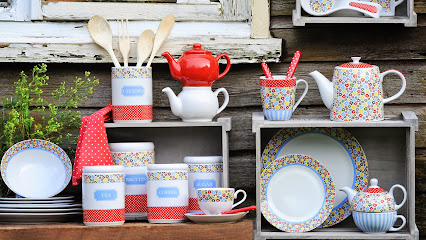
Bundgaards Vinimport/ Molshonning v/ Ole Bundgaard
17.8 km
Small-scale wine importer and honey producer in a Mols village home, blending European bottles and local Molshonning in a relaxed, personal cellar-style setting.
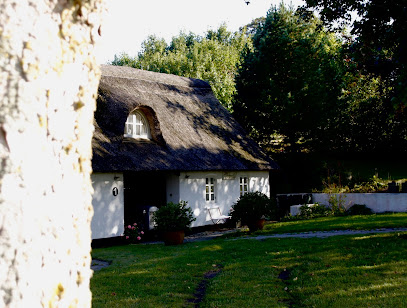
Nixn
17.9 km
Curated contemporary fashion in charming Danish countryside retail.
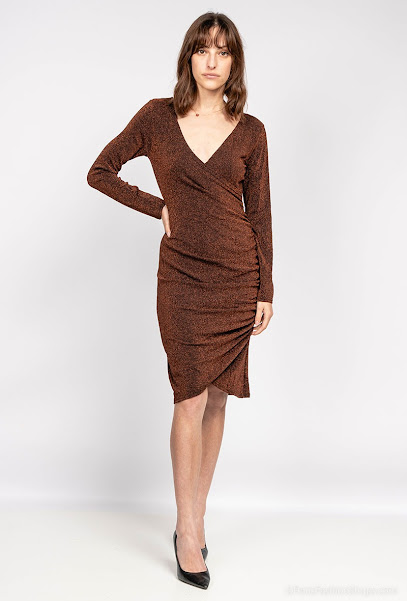
SkatePro
18.0 km
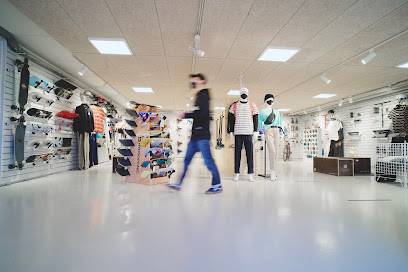
Global action sports leader's flagship store and operational hub in rural Denmark.
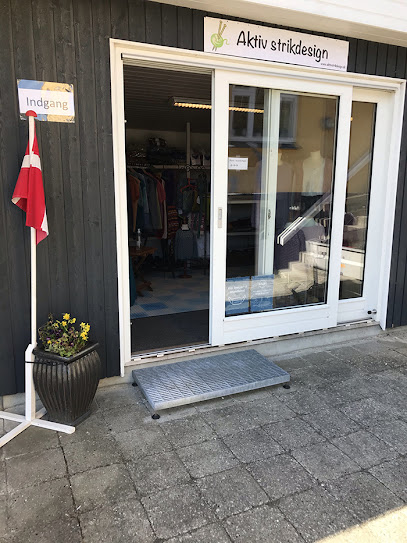
Aktivstrikdesign
18.2 km
Where yarn, community, and Danish hygge come together in a welcoming knitting space.
Mols Haven
19.0 km
A cosy countryside fruit and vegetable store in Knebel, offering seasonal Danish produce and a friendly village welcome on the doorstep of Mols Bjerge.
SecondLux
19.3 km
Browse handpicked sustainable fashion and unique vintage finds in a welcoming consignment boutique at the heart of Trøjborg’s independent scene.
Ancher
19.3 km
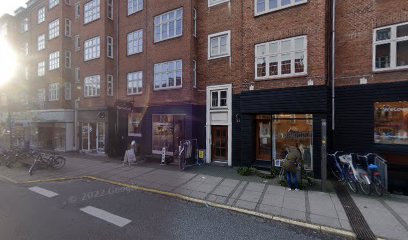
Discover holistic wellness at Ancher, Trøjborg's premier health and beauty destination in Aarhus.
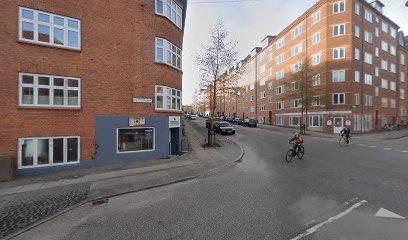
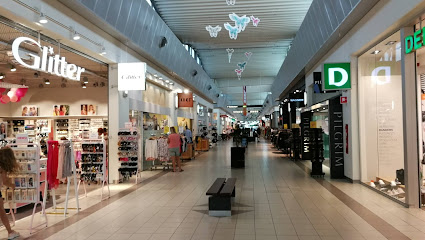
Randers Storcenter
19.6 km
Large, light-filled shopping centre in southern Randers with nearly 60 shops, Bilka hypermarket and 1,800 free parking spaces, built for everyday comfort in any weather.
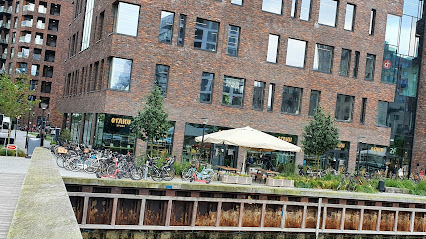
Otaku
19.6 km
A waterfront concept store on Aarhus Ø, blending design, art, food and lifestyle brands in a modern, light-filled space in the heart of Pakhusene.
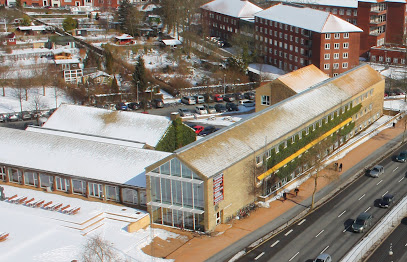
Stakbogladen A / S - Study books in Aarhus
19.7 km
Campus bookstore at Studenternes Hus in Aarhus, specialising in curriculum titles, academic literature and study essentials for the city’s university community.
Essential bars & hidden hideouts

Byportene Bodega
2.0 km
Cozy neighborhood bodega in Hornslet with cold beers, warm lighting and easygoing local charm for unpretentious evenings out.
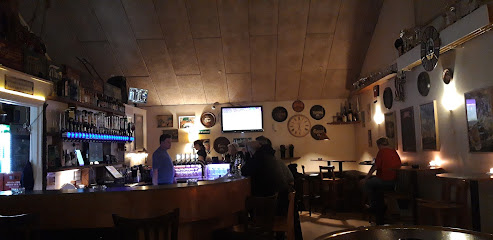
Mørke Roadhouse
2.8 km
Unpretentious beer hall on Ebeltoftvej where locals and travelers share cold pints, warm conversation, and long, easygoing evenings in small-town Mørke.
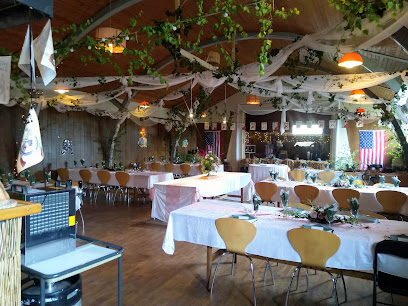
Bodega Kringlen v/Annelise Dalgaard
9.8 km
Unpretentious local bodega on Rønde’s main street, serving cold beer, simple drinks and small-town Danish bar atmosphere late into the evening.
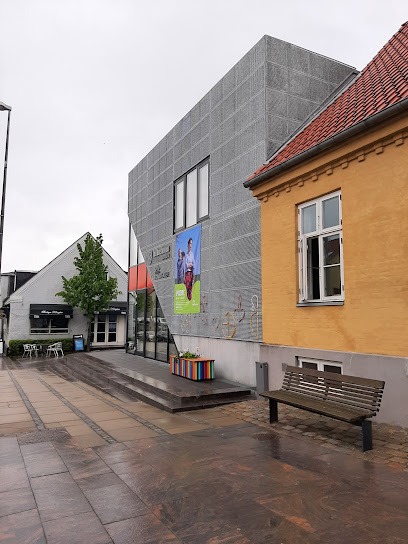
Mejeriets Bar
17.1 km
Cozy neighbourhood bar and eatery by the harbour in Knebel, offering simple food, evening drinks and a relaxed local atmosphere after days out on Djursland.
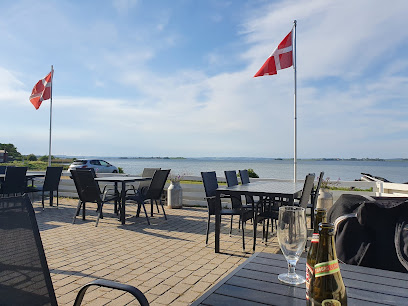
K
19.4 km
Discover K, the cozy cafe and cocktail bar in Aarhus, where innovative drinks and a warm atmosphere await every visitor.
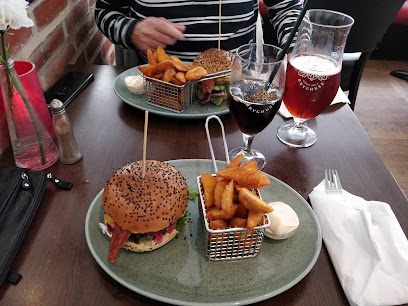
Peder Wessel
19.5 km
Experience the vibrant nightlife at Peder Wessel, Aarhus' charming bar with affordable drinks and a welcoming atmosphere.
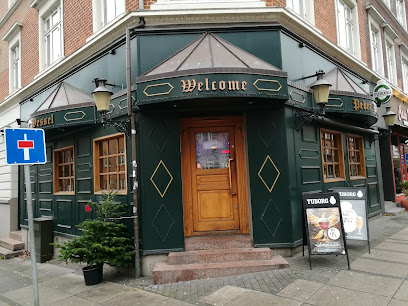
Trøjborg Kroen
19.5 km
Experience the local beer culture at Trøjborg Kroen, Aarhus's charming beer hall with a diverse selection and inviting ambiance.
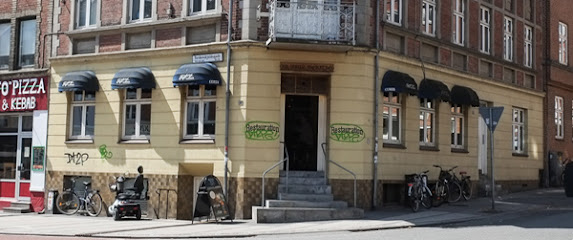
Theos Bar
19.5 km
Experience the cozy charm of Theos Bar in Aarhus, where delightful drinks and a warm atmosphere await every visitor.
Die Rote Zone
19.7 km
Discover the vibrant nightlife at Die Rote Zone, Aarhus' go-to bar for cocktails and craft beers in a lively and stylish atmosphere.
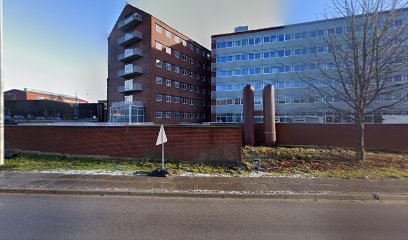
Cirkuskroen
20.0 km
Discover the vibrant nightlife of Aarhus at Cirkuskroen, a charming bar offering a perfect blend of drinks and local culture.
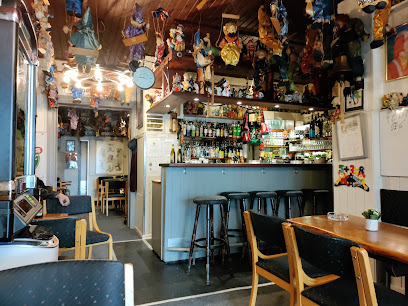
SLM Aarhus
20.2 km
Discover the lively spirit of SLM Aarhus, a welcoming gay bar offering themed nights and a vibrant atmosphere in the heart of Aarhus.
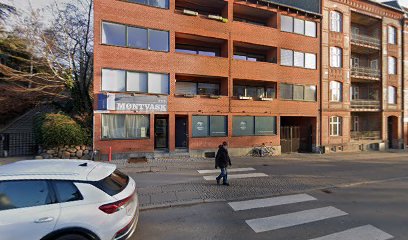
Erlings Jazz- & Ølbar
20.5 km
Intimate Aarhus neighborhood bar mixing live jazz, candlelit charm and 14 rotating craft beers on tap in a relaxed, grown-up atmosphere.
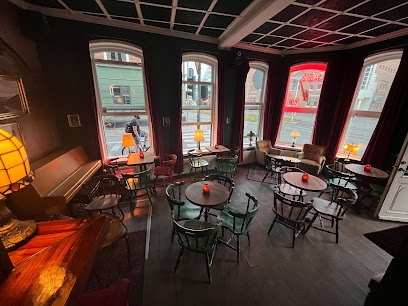
El Loco
20.7 km
Discover El Loco, a vibrant bar in Aarhus, known for its lively atmosphere, affordable drinks, and unforgettable nightlife experience.
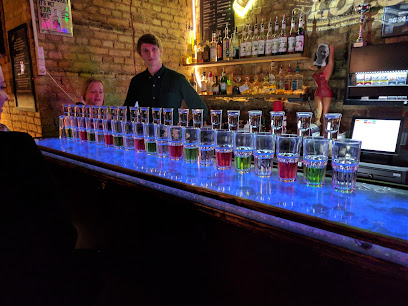
Annalise's Bar
20.7 km
Experience the vibrant nightlife of Aarhus at Annalise's Bar, where cozy ambiance meets creative cocktails and friendly service.
Ris Ras Filliongongong
20.8 km
Candlelit basement bar on Aarhus’ Mejlgade, blending an extensive beer selection with bohemian, living-room coziness and easygoing late-night conversations.
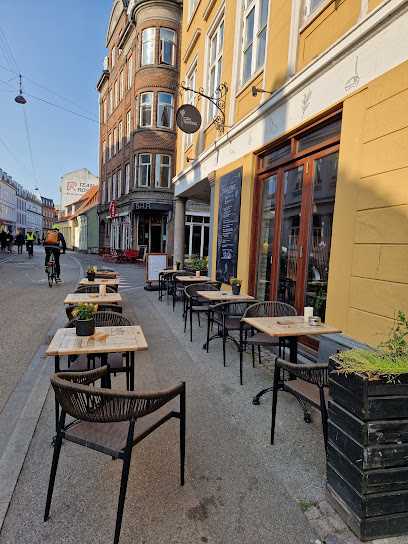
Nightclubs & after hour spots

DCD STUDIO
20.6 km
Experience the vibrant rock music scene at DCD STUDIO in Aarhus, where electrifying performances and a lively atmosphere await every visitor.
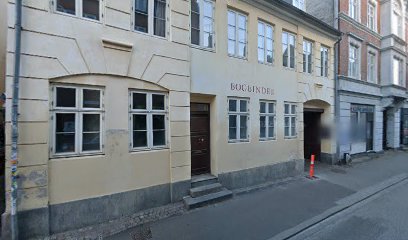
Cafe Paradis - Den Sidste
20.7 km
Unleash your nightlife experience at Cafe Paradis - Den Sidste, Aarhus' top destination for dancing, cocktails, and unforgettable memories.
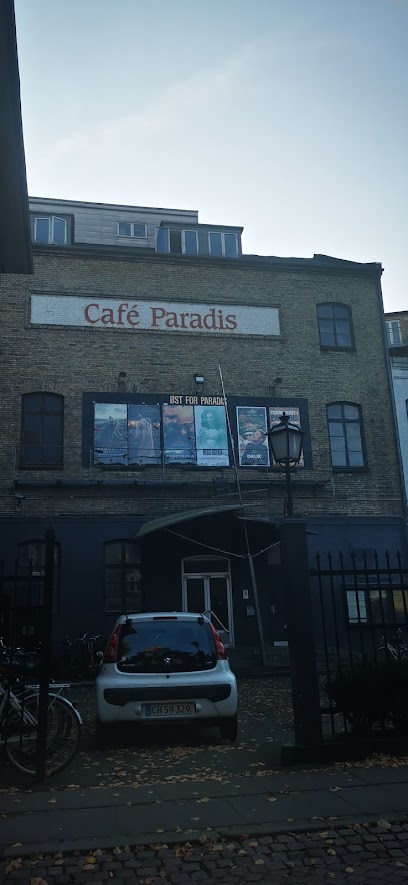
Bernhardt Natklub
21.0 km
Discover Aarhus' premier nightlife destination at Bernhardt Natklub, where cocktails and beats create unforgettable memories.
equalclub
21.1 km
Discover the thriving nightlife of Aarhus at Equal Club, where music, dance, and unforgettable experiences come together.
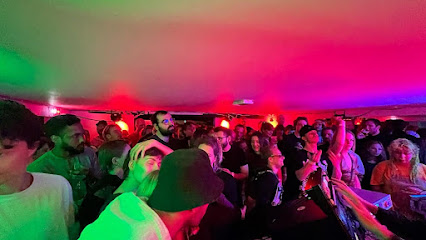
GBAR
21.1 km
Experience the vibrant nightlife at GBAR in Aarhus, a welcoming dance club where everyone can enjoy an unforgettable night out.
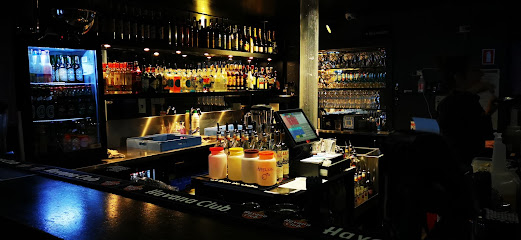
ZenZa Cocktailbar
21.2 km
Discover Aarhus' vibrant nightlife at ZenZa Cocktailbar, where expertly crafted cocktails and lively atmosphere await you.
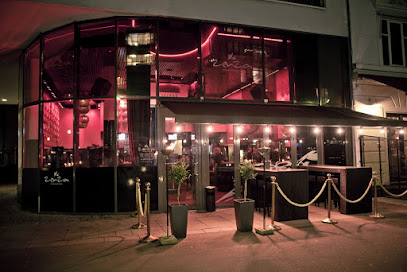
LouLou Aarhus
21.2 km
Experience the vibrant nightlife at LouLou Aarhus, a cocktail bar where creativity meets flavor in the heart of the city.
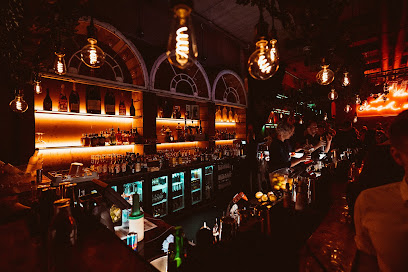
LA Tequila Bar Aarhus
21.2 km
Experience the vibrant nightlife of Aarhus at LA Tequila Bar, offering an extensive tequila selection and energetic ambiance in the heart of Midtbyen.
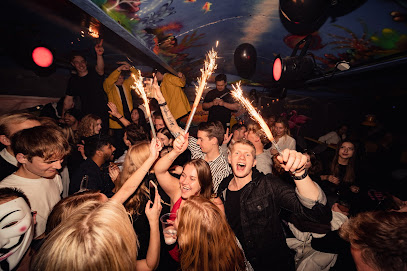
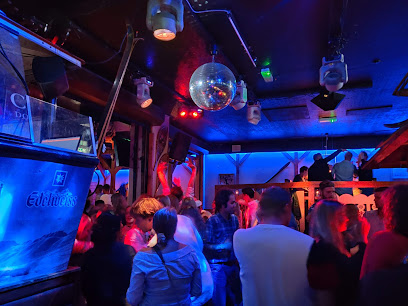
Der Kuhstall
21.2 km
Discover the electrifying nightlife of Aarhus at Der Kuhstall, where vibrant music and an energetic atmosphere await party enthusiasts.
For the vibe & atmosphere seeker
- Romantic
- Tranquil
- Scenic
- Unique
- Casual
- Boutique
For the design and aesthetic lover
- Vintage Styles
- Rustic Designs
For the architecture buff
- Historic
- Landmarks
- Parks & Gardens
- Sacred Sites
- Heritage Neighborhoods
For the view chaser and sunset hunter
- Iconic Views
- Panoramas
- Sunset Spots
For the social media creator & influencer
- Instagrammable
- Photo Spots
- Selfie Spots
- Aesthetic Corners
- Architectural Shots
For the eco-conscious traveler
- Low Impact
- Public-Transport Accessible
- Locally Managed
For the kind of experience you’re after
- Cultural Heritage
- Photowalk
- Adventure Photo Shoot
- Day Trip
- Roadtrip Stop
- Myth & Legends
- Mindfulness
For how adventurous you want the journey to be
- Easy Access
Location Audience
- Family Friendly
- Senior Friendly
- Child Friendly
- Teen Friendly
- Solo Friendly
- Couple Friendly
- Solo Female Friendly
- Vegetarian Friendly
- Vegan Friendly


