Mols Bjerge, Mols Bjerge National Park Travel Guide
Denmark's rugged glacial wilderness where rolling hills meet pristine beaches and ancient forests.
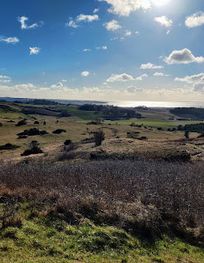
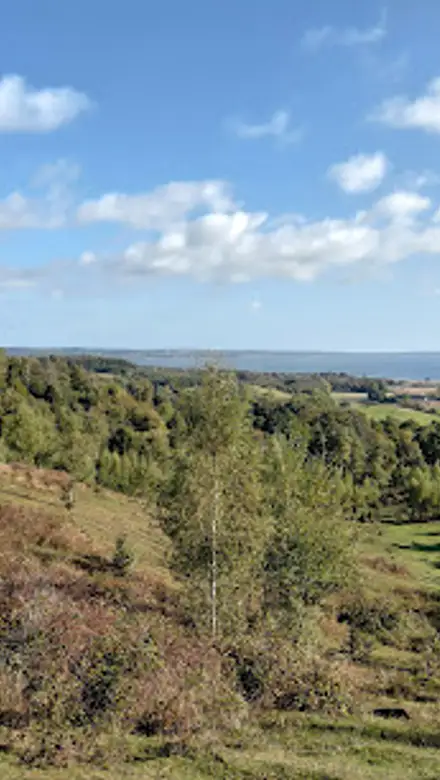
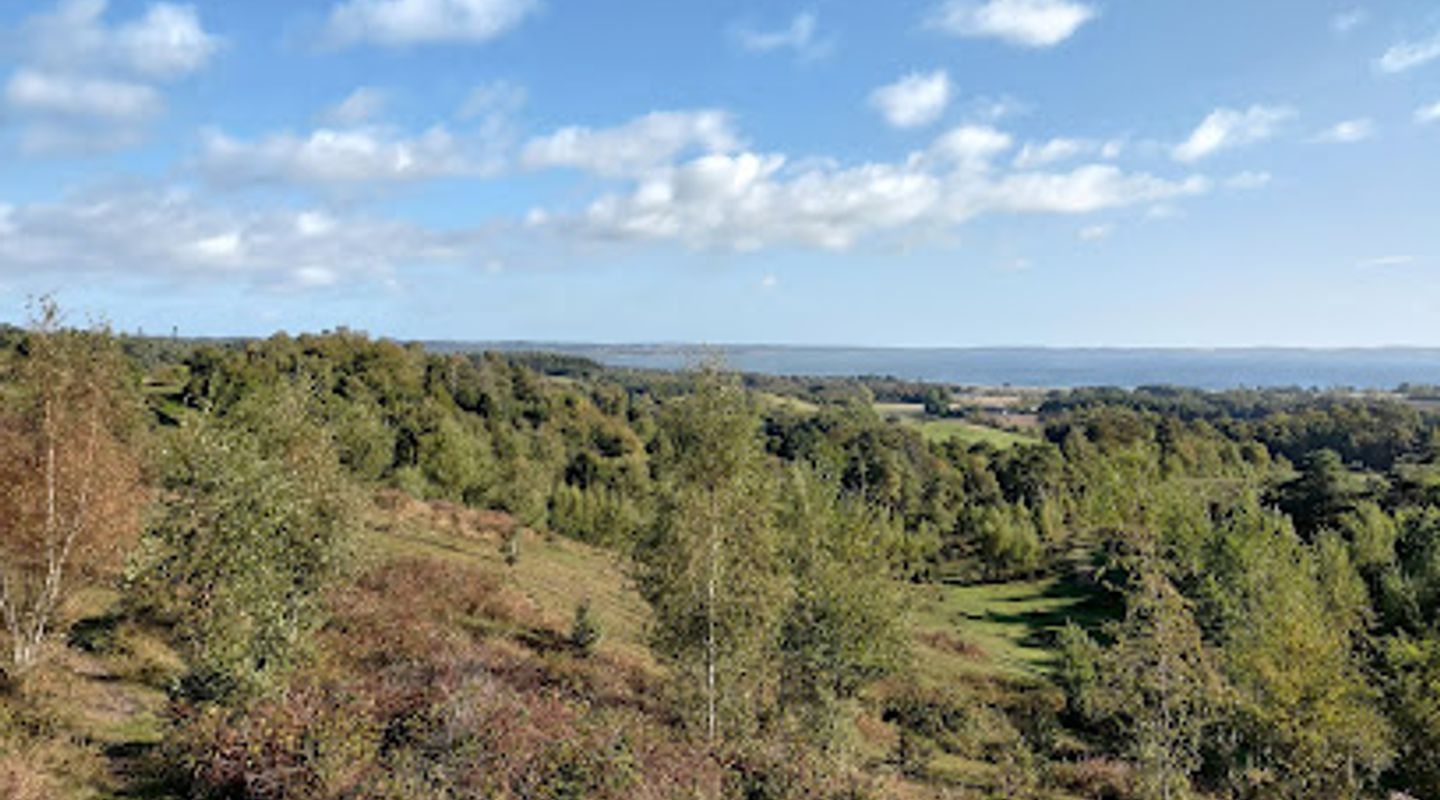
Denmark's only national park, Mols Bjerge encompasses 6,000 hectares of dramatic glacial landscapes, rolling hills, pristine beaches, and ancient forests in East Jutland. Established in 2009, this protected wilderness offers world-class hiking, cycling, and nature experiences across interconnected trails, lakeside shelters, and coastal vistas. The park combines geological significance with recreational opportunity, attracting visitors year-round to explore its unique moraine terrain, rare habitats, and rich cultural heritage.
A brief summary to Mols Bjerge
- Knebel, 8420, DK
- Click to display
- Click to display
- Duration: 2 to 7 hours
- Free
-
 Outdoor
- Mobile reception: 4 out of 5

Know before you go
Hi, I'm Eve. Here are a few practical things to know before exploring Mols Bjerge.
- Download the official Nationalpark Mols Bjerge app before visiting—it provides offline maps, shelter locations, trail information, and GPS navigation using satellite data, essential for multi-day hiking.
- Book shelters in advance during peak season (June–August) through the park's interactive map system; some shelters are free, others require reservation and payment.
- Bring exact cash or have MobilePay access for firewood purchases (35 DKK per bundle) at shelters; the park cannot guarantee stock or provide change.
- Visit in spring (April–May) or autumn (September–October) for optimal hiking conditions, fewer crowds, and spectacular beech forest colors without summer heat.
- Pack all rubbish out and use designated toilet areas at least 50 meters from campsites; the park operates on strict Leave-No-Trace principles to protect its fragile ecosystems.
Do you manage this location?
Take control to get all the benefits, like improved information, better appearance, and stronger visibility across AI-powered discovery. Learn more about listing your business on Evendo
Activate your presenceOther nearby places you may find interesting
The closest places of the same kind, if this one is not quite what you had in mind.
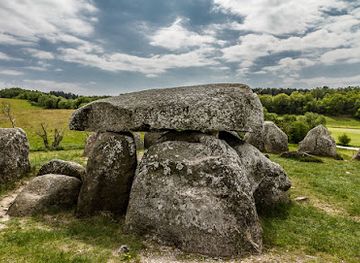
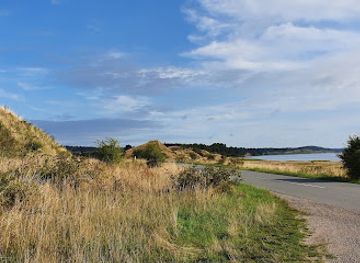
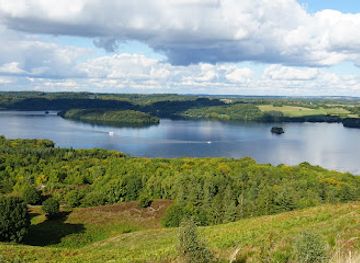
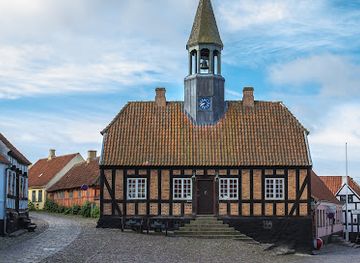
Explore Mols Bjerge on the Map
A handpicked selection of must-see spots near Mols Bjerge, mapped for you.
Getting There
-
Car from Aarhus
Drive from Aarhus city center approximately 45–50 kilometers northeast via Route 16 toward Grenå, then follow signs to Ebeltoft or Rønde. Journey time is approximately 50–60 minutes depending on traffic and final destination within the park. Free parking is available at multiple trailheads and visitor areas throughout the park. Vehicle access within the park is restricted to designated roads and parking areas; off-road driving requires special permits.
-
Train and Bus from Aarhus
Take a regional train from Aarhus Central Station toward Grenå (approximately 60–75 minutes, several daily departures). From Grenå or Rønde stations, connect via local bus services (routes 4A and 11 serve the area) to reach park entrances and trailheads. Total journey time is approximately 90–120 minutes. Bus services operate year-round with reduced frequency in winter months. Single tickets cost approximately 50–80 DKK depending on distance.
-
Bicycle from Ebeltoft
Ebeltoft, located 10–15 kilometers south of the park's main areas, is accessible by train or car. From Ebeltoft town center, dedicated cycling routes lead directly into the park over approximately 30–45 minutes of riding on flat to gently rolling terrain. The park itself features extensive cycling trails suitable for all abilities. Bicycle rentals are available in Ebeltoft and nearby towns.
-
Guided Tour from Regional Operators
Several regional tour operators offer guided hiking and cycling experiences within Mols Bjerge, departing from Aarhus, Ebeltoft, and other gateway towns. Tours typically range from half-day to multi-day experiences and include accommodation in park shelters or nearby lodges. Prices vary by operator and season, generally ranging from 400–1200 DKK per person for day tours, with multi-day packages from 1500–3500 DKK including meals and accommodation.
For the on-the-go comforts that matter to you
-
 Restrooms
-
 Seating Areas
-
 Sheltered Areas
-
 Picnic Areas
-
 Trash Bins
-
 Information Boards
-
 Drinking Water
Discover more about Mols Bjerge
A Glacial Masterpiece Shaped by Ice Age Forces
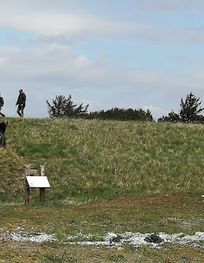
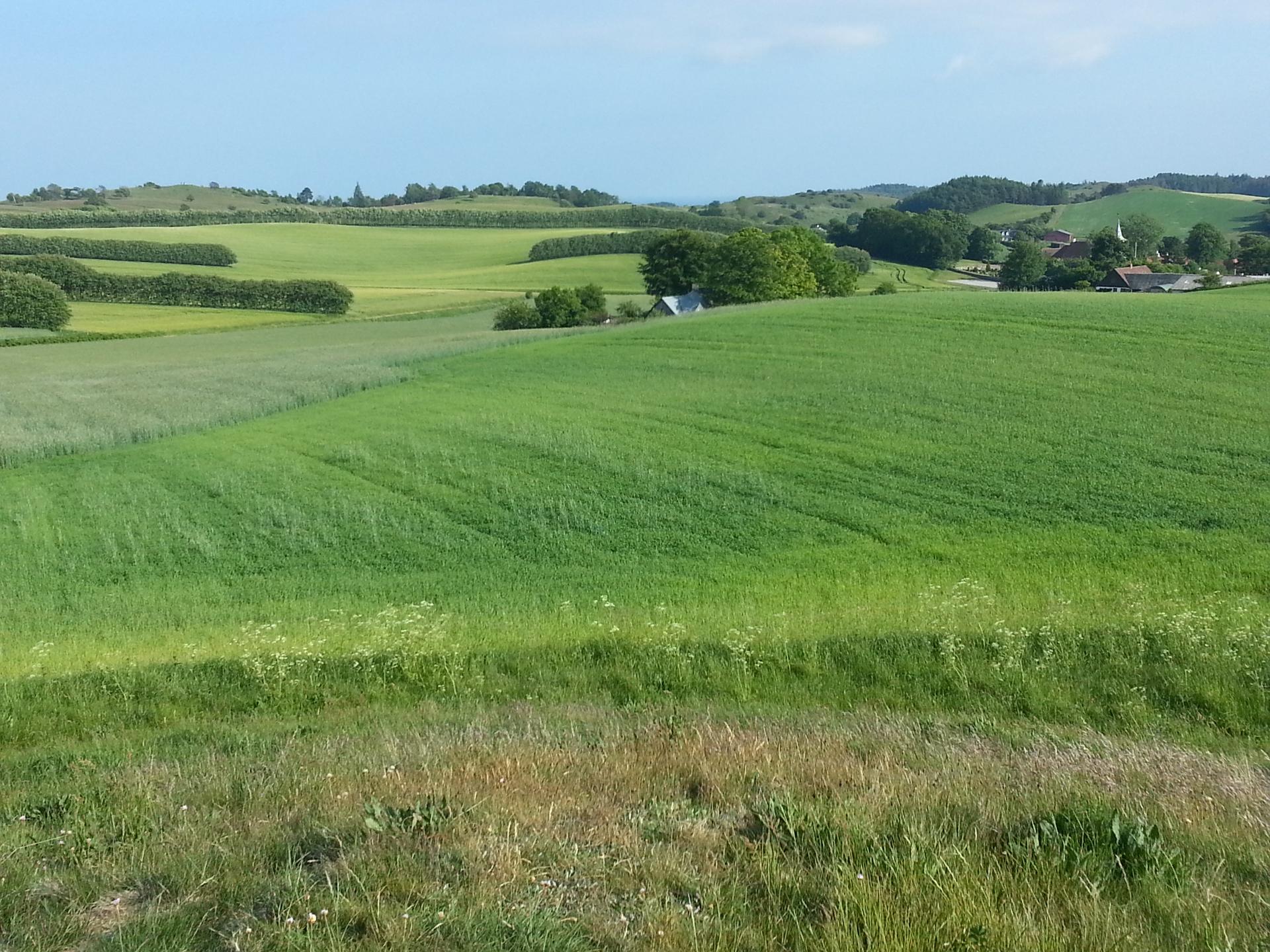
Mols Bjerge National Park represents one of Northern Europe's most striking examples of glacial geomorphology. During the last ice age, retreating glaciers carved out the distinctive rolling hills, deep valleys, and kettle lakes that define the landscape today. The park's name—Mols Bjerge means "Mols Mountains"—reflects the dramatic topography that rises sharply from the surrounding plains. These hills, though modest in absolute elevation, create a landscape of remarkable visual drama and ecological diversity. The glacial legacy is visible everywhere: in the steep scarps, the scattered boulders left by melting ice, and the numerous freshwater lakes that dot the terrain.Interconnected Trails and Outdoor Recreation
The park's 6,000 hectares are crisscrossed by an extensive network of hiking and cycling trails, with the flagship Mols Bjerge Trail offering a comprehensive multi-day experience. Day hikers can choose from numerous shorter routes that wind through beech forests, along ridge lines with panoramic views, and past historic landmarks. The terrain varies from gentle woodland paths to more challenging ascents, accommodating all fitness levels. Cycling enthusiasts find dedicated routes that connect villages, beaches, and natural attractions throughout the region. The trails are well-marked and maintained, with interpretive signage explaining geological features, flora, and fauna at key viewpoints.Shelters, Camping, and Overnight Experiences
The national park operates a network of free and bookable shelters strategically positioned along major trails and near significant natural features. Shelters managed by the park include Strandkær, Ørnbjerg Mølle, Kalø Gods, Stubbe Sø, Tremosegård, and Femmøller. Firewood is available for purchase at designated shelters for 35 DKK, payable via MobilePay or cash. Visitors may also camp at designated tent sites throughout the park. For those seeking more comfort, nearby Mols Bjerge Camping in Ebeltoft offers cabin accommodations, caravan pitches, and family facilities including a heated outdoor pool. The region also provides numerous holiday cottages, apartments, and guesthouses within walking distance of the park.Ecological Significance and Protected Habitats
Mols Bjerge protects a mosaic of habitats including ancient beech forests, open heathlands, freshwater lakes, and coastal wetlands. These environments support rare plant species and important bird populations, making the park a designated Natura 2000 site of European conservation importance. The beech forests are particularly notable, representing some of Denmark's finest examples of this ecosystem. Visitors are encouraged to collect berries, mushrooms, and woodland plants for personal consumption, and to gather fallen branches for campfires, but cutting living trees is prohibited. The park's Leave-No-Trace principles emphasize visitor responsibility in maintaining this delicate ecological balance.Coastal Access and Beach Experiences
The park's eastern boundary meets the Kattegat Sea, providing access to pristine sandy beaches and rocky shorelines. Femmøller Strand and other coastal areas offer swimming, beachcombing, and water-based recreation. The transition from inland forests to coastal habitats creates unique ecological zones where terrestrial and marine environments meet. These beaches are particularly popular during summer months and provide essential access points for visitors arriving from nearby towns.Cultural Heritage and Gateway Communities
The park is surrounded by charming historic towns including Ebeltoft, Rønde, and Grenå, each with their own cultural attractions and amenities. Ebeltoft, the largest nearby settlement, serves as a primary gateway and offers restaurants, shops, and accommodations. The region's cultural heritage extends back centuries, with ancient burial mounds, historic mills, and traditional Danish architecture visible throughout the landscape. The park's establishment in 2009 represented a commitment to preserving this cultural-natural landscape for future generations.












Your all‑in‑one travel companion app
Explore expert travel guides, compare and book tours, experiences, hotels, and more—all from the palm of your hand. Download now for seamless trip planning wherever your wanderlust takes you.


Explore More of Mols Bjerge National Park
Looking beyond Mols Bjerge? Discover Mols Bjerge National Park for broader travel guides, local hot-spots, and regional highlights.
Explore Mols Bjerge National Park